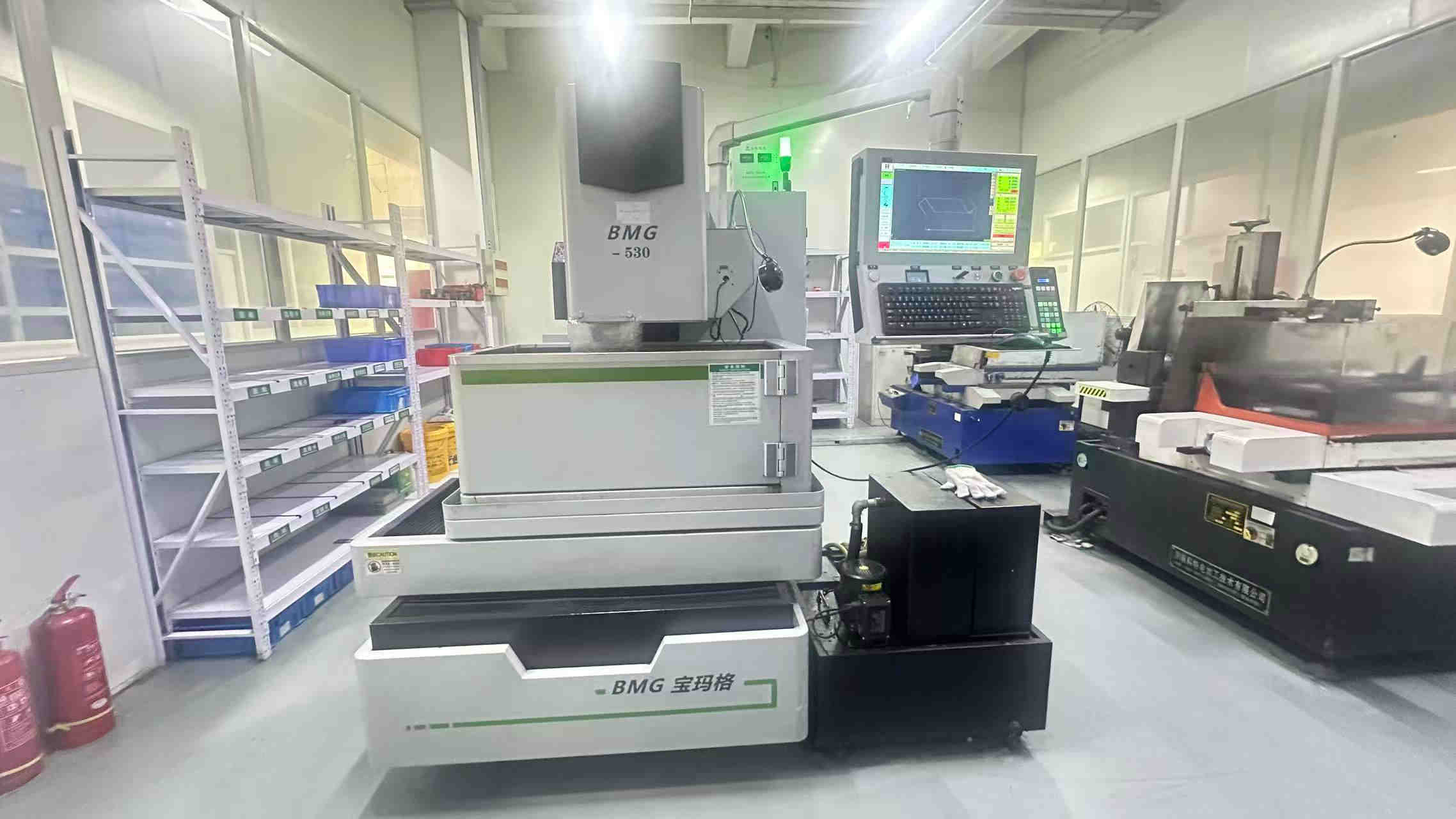
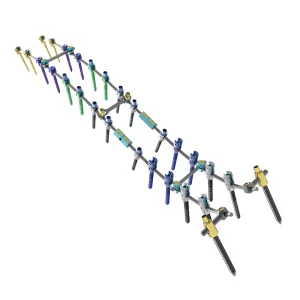
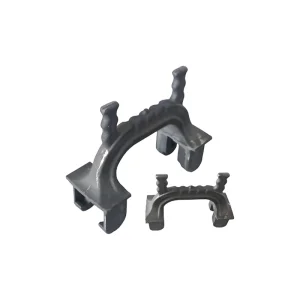
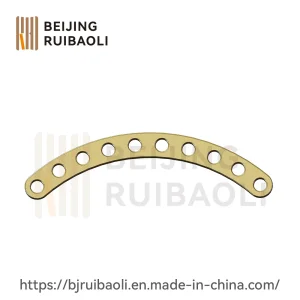
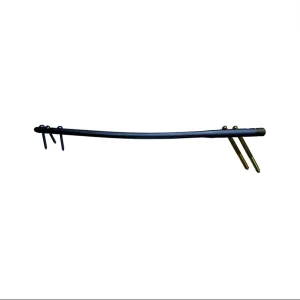
Advanced trauma implants, structural bone frames, and specialized joint fixation screws.
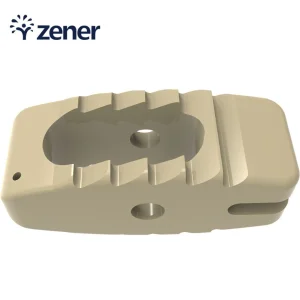
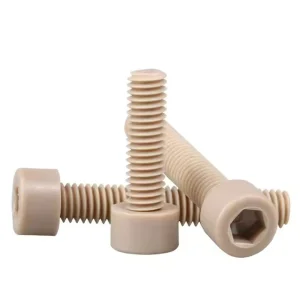
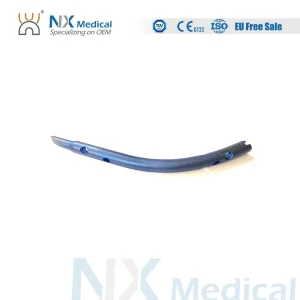
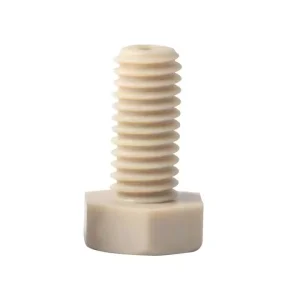
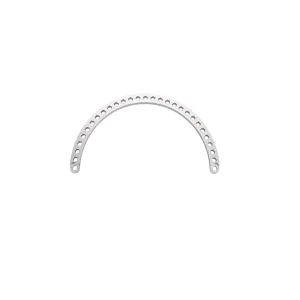
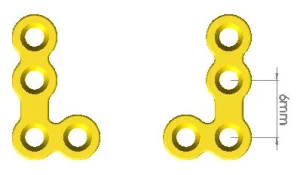
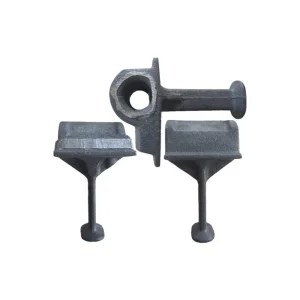
Posterior Cruciate Ligament (PCL) injuries represent a significant challenge in sports medicine and reconstructive orthopedics. Unlike anterior cruciate ligament (ACL) reconstructions, PCL reconstruction is subjected to distinct posterior shear forces and gravitational pull. Achieving rigid, slip-resistant fixation is paramount to avoiding surgical failure and graft elongation.
Graft fixation relies heavily on primary stability. Fixation devices are generally divided into two categories: aperture fixation (e.g., interference screws) and suspensory fixation (e.g., cortical buttons). Cortical suspension buttons and interference screws manufactured with PEEK (Polyetheretherketone) or medical-grade titanium alloy (Ti6Al4V) provide the structural integrity required to withstand early aggressive rehabilitation protocols.
When selecting implants, clinicians and procurement committees must evaluate the material composition of the fixation hardware:
| Material Property | PEEK Implants | Titanium Implants |
|---|---|---|
| Modulus of Elasticity | Close to cortical bone (3.6 GPa) | Higher stiffness (110 GPa) |
| Imaging Artifacts | Radiolucent (Zero MRI artifacts) | Moderate artifacts under MRI/CT |
| Bio-Integration | Inert, relies on structural design | Direct osseointegration surface coating |
| Tensile Strength | High flexural toughness | Exceptional ultimate yield strength |
How the global orthopedic implant market responds to strict clinical demand and procurement bottlenecks.
The orthopedic sports medicine market is undergoing rapid evolution, with PCL and ACL reconstruction devices representing a major segment of revenue growth. According to current healthcare market intelligence, the global orthopedic implants market is expected to surpass USD 65 Billion by 2030, driven by the increasing incidence of sports-related injuries, active aging populations, and rising healthcare access in developing economies.
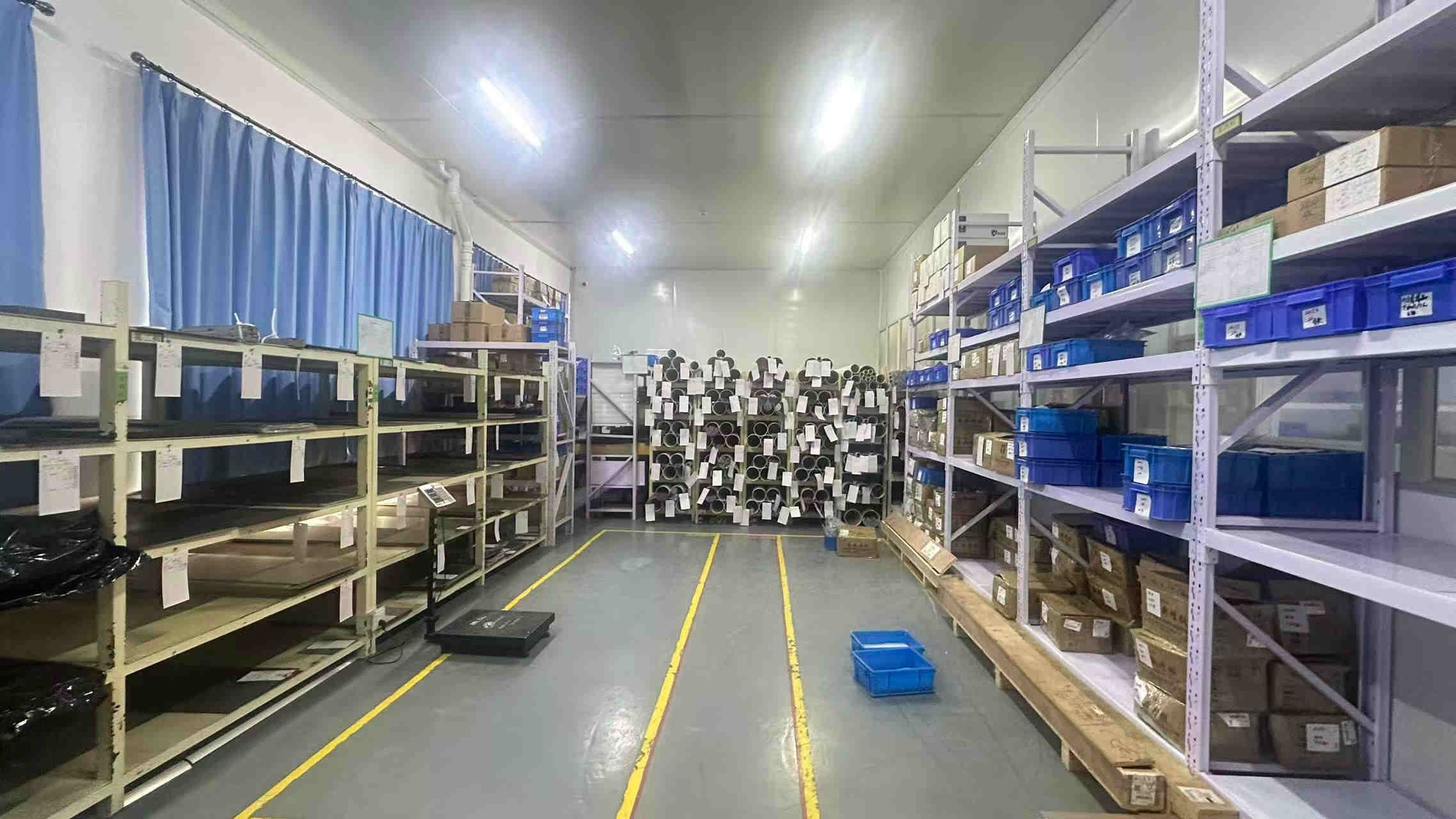
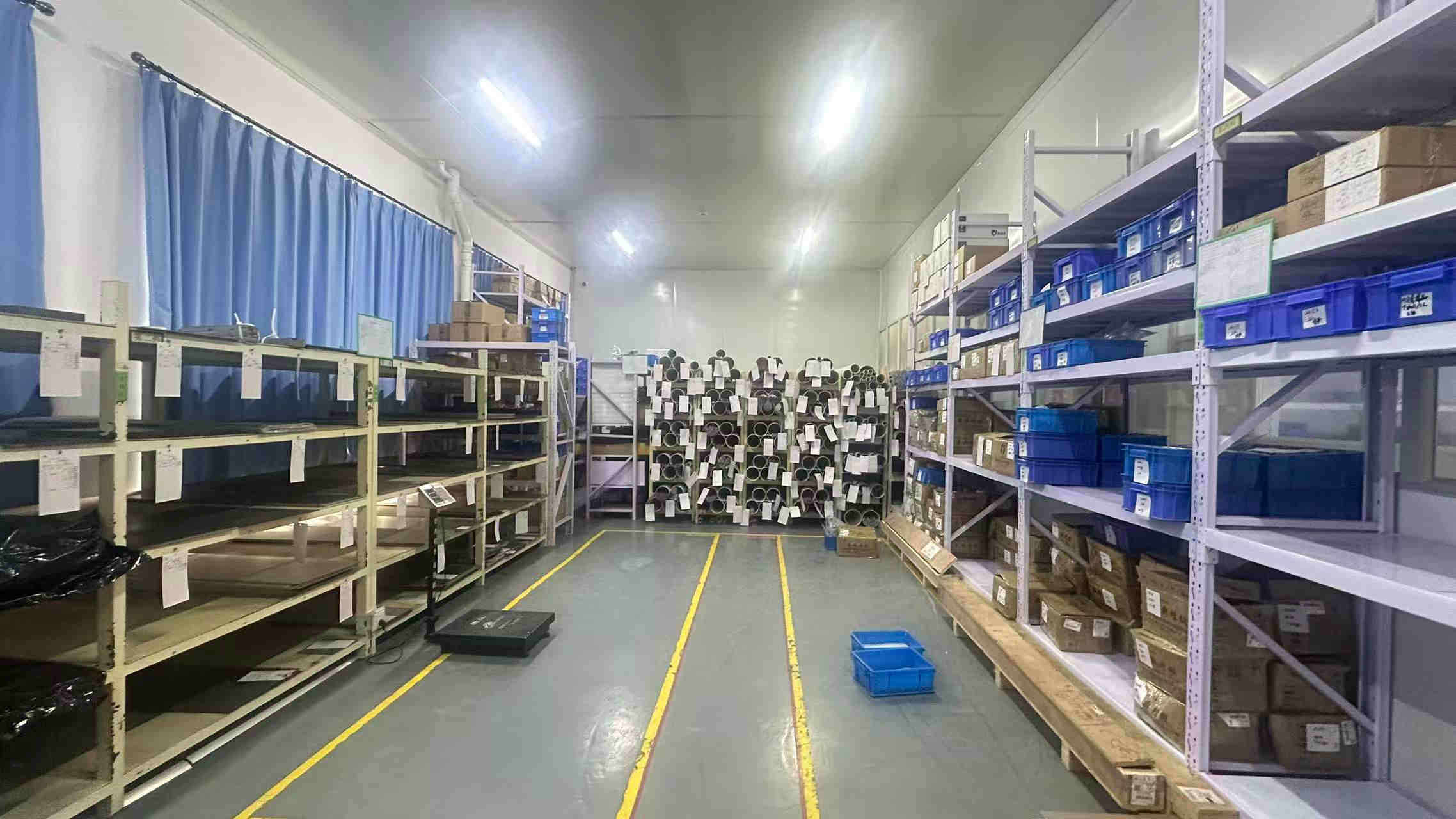
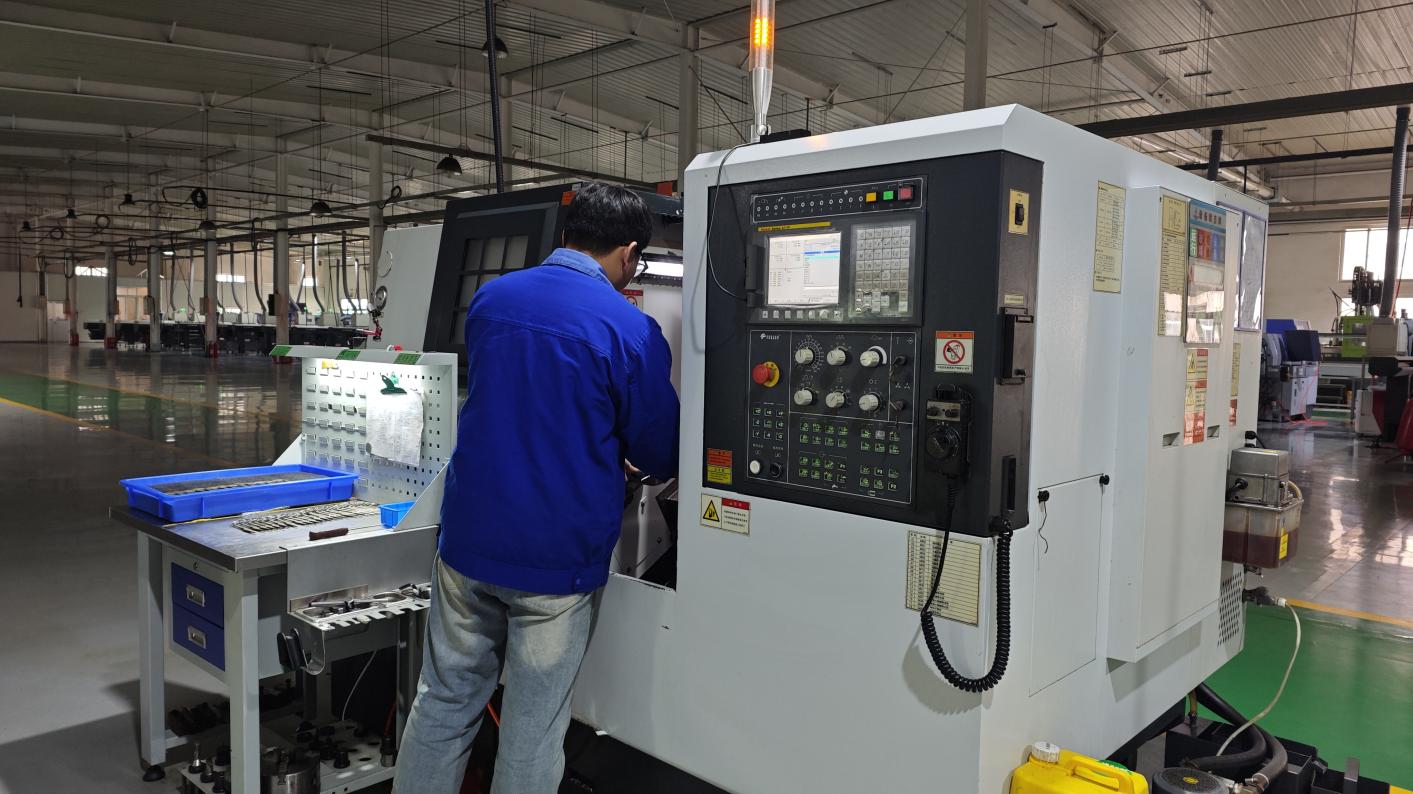
However, the global supply chain remains vulnerable to regulatory shifts (such as the EU's Transition to Medical Device Regulation - MDR) and raw material sourcing constraints. High-purity medical-grade Titanium and PEEK polymers are tightly regulated. Consequently, the leading PCL fixation manufacturers have established vertical integrations—overseeing everything from raw bar-stock supply to micro-machining and sterile packaging.
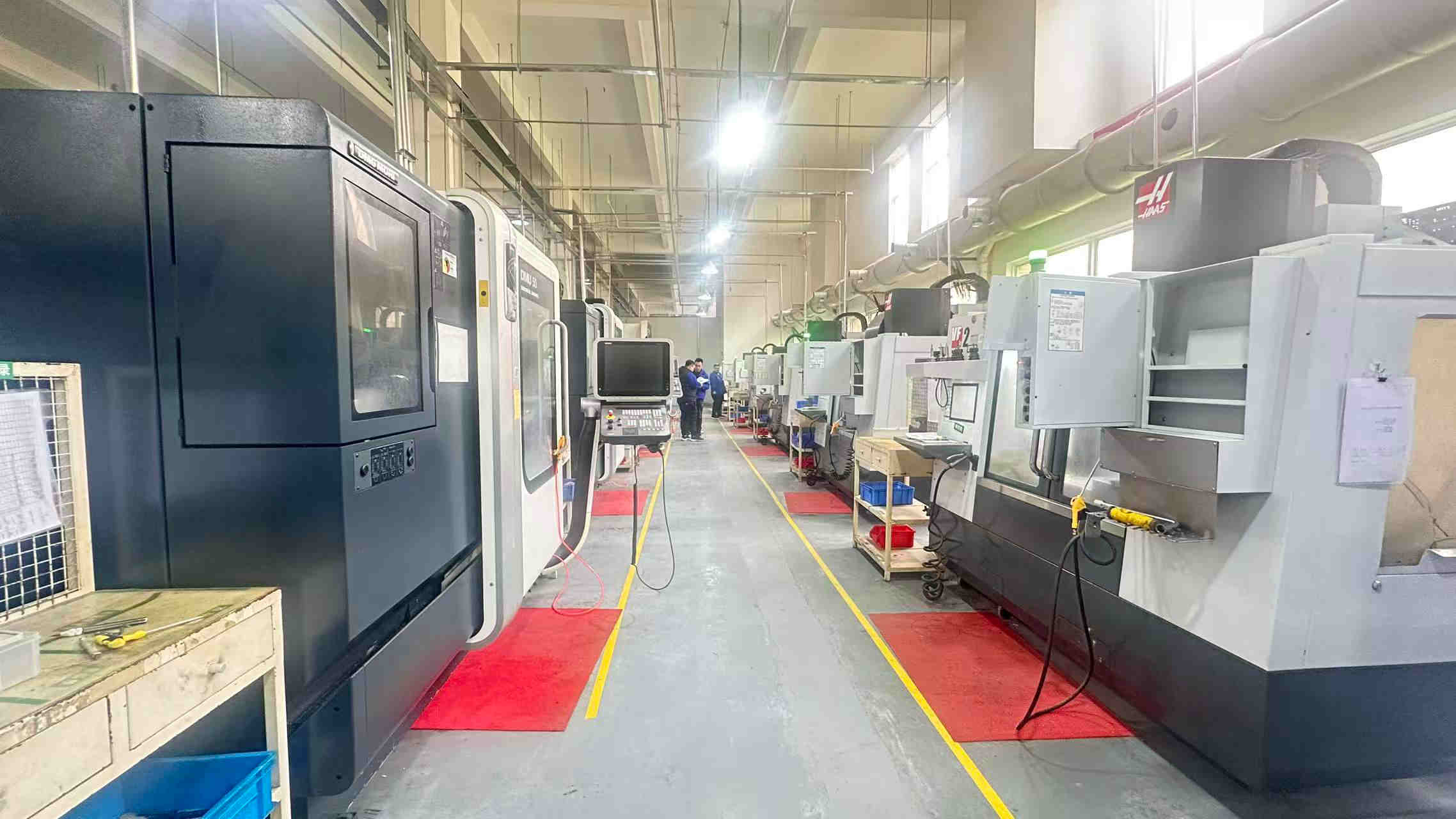
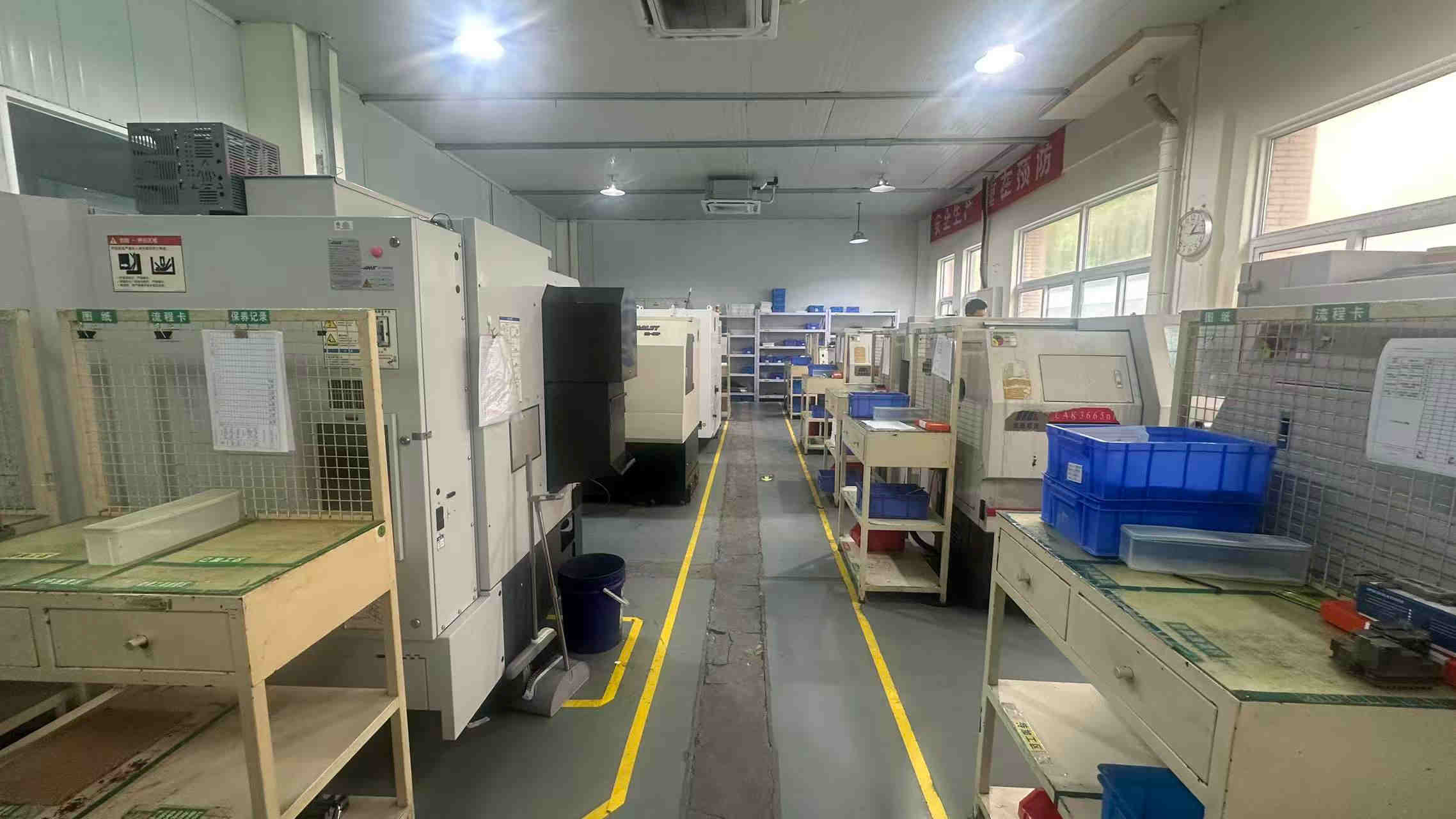
Deep insight into our advanced production lines, mechanical testing, and class 10,000 cleanroom environments.
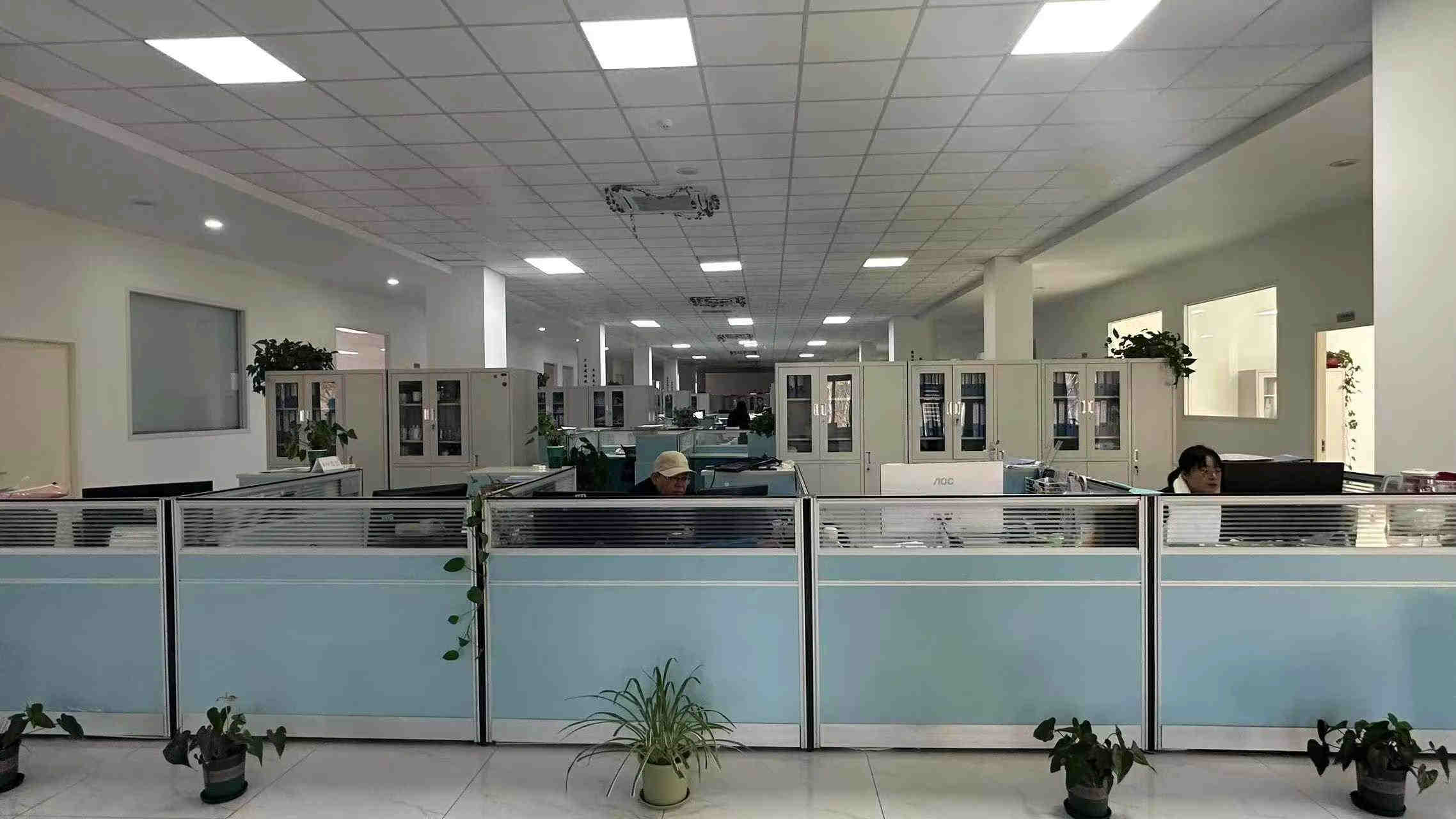
Chengdu Medev Medical Instruments Co., Ltd. specializes in design and manufacturing of orthopedic implants. Adhering to the "people-oriented, integrity first, continuous innovation, the pursuit of excellence" concept, we ensure every implant meets stringent clinical safety metrics.
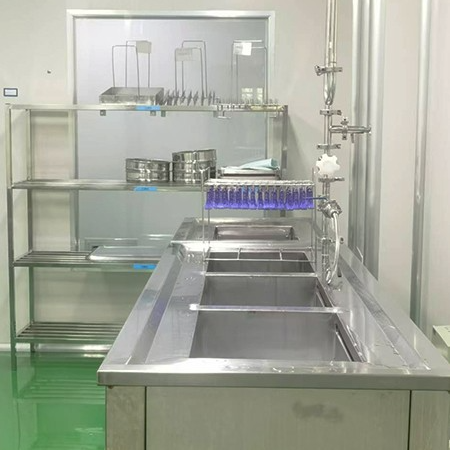
Cleaned implants feature a pristine surface chemistry free of manufacturing oils, significantly reducing post-operative infection risks and optimizing cell attachment.
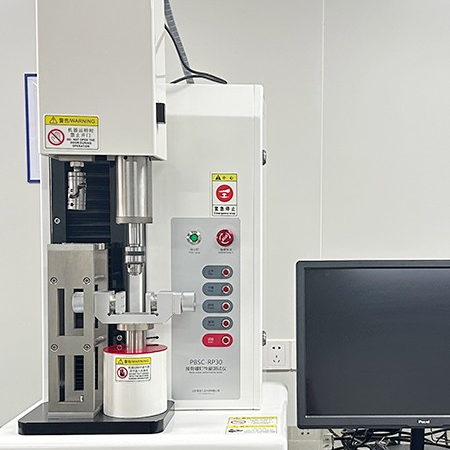
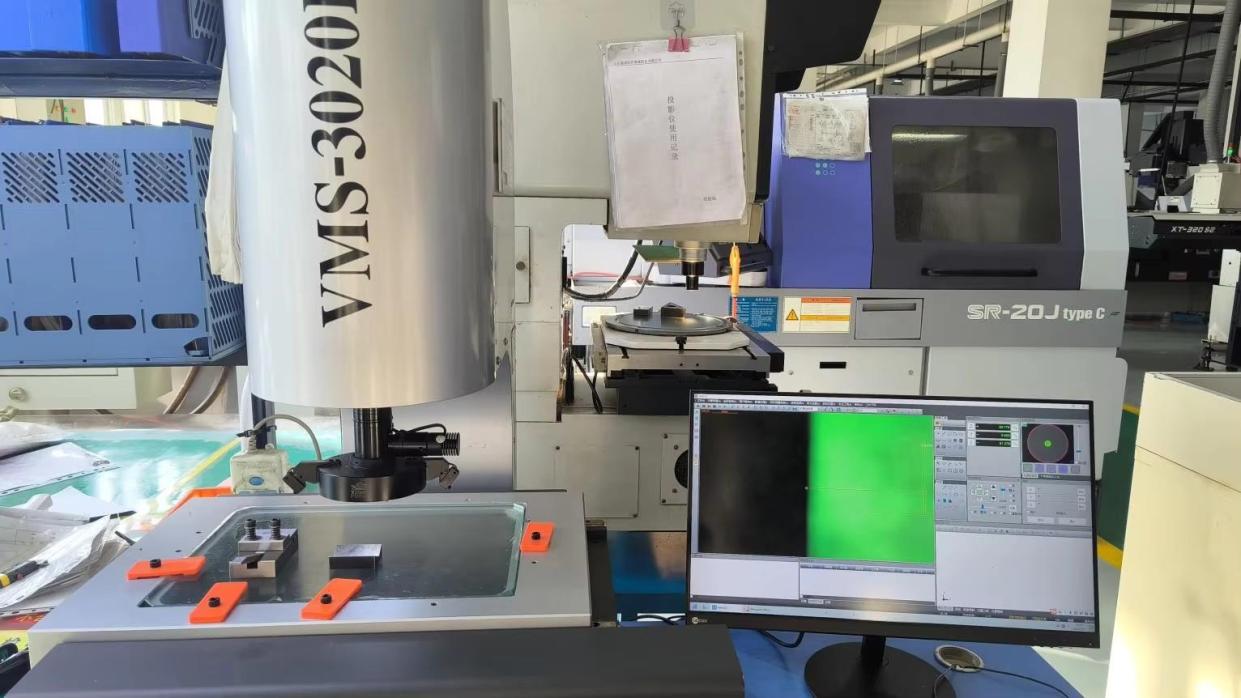
Our Quality Control laboratory measures tensile strength, yield limits, and elongation ratios under realistic physiological loads, simulating human joint dynamics.
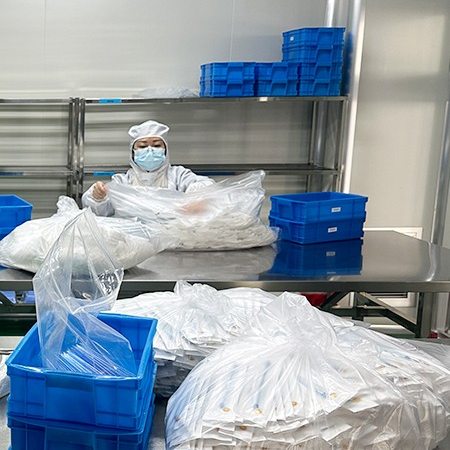
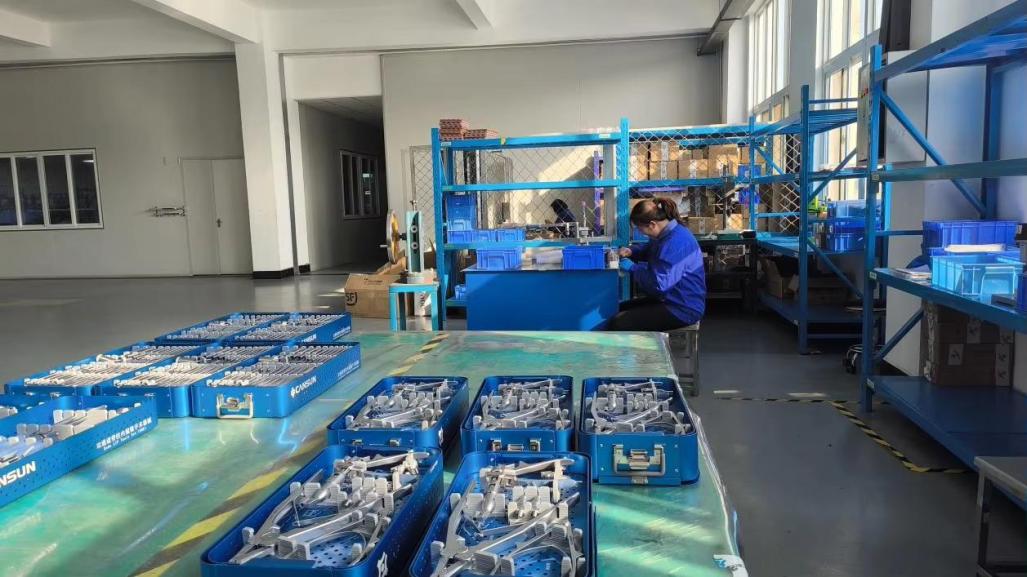
Conducted in ISO-certified cleanrooms, heat-sealed sterile barriers prevent any micro-contamination, ensuring sterile transfer inside the OR suite.
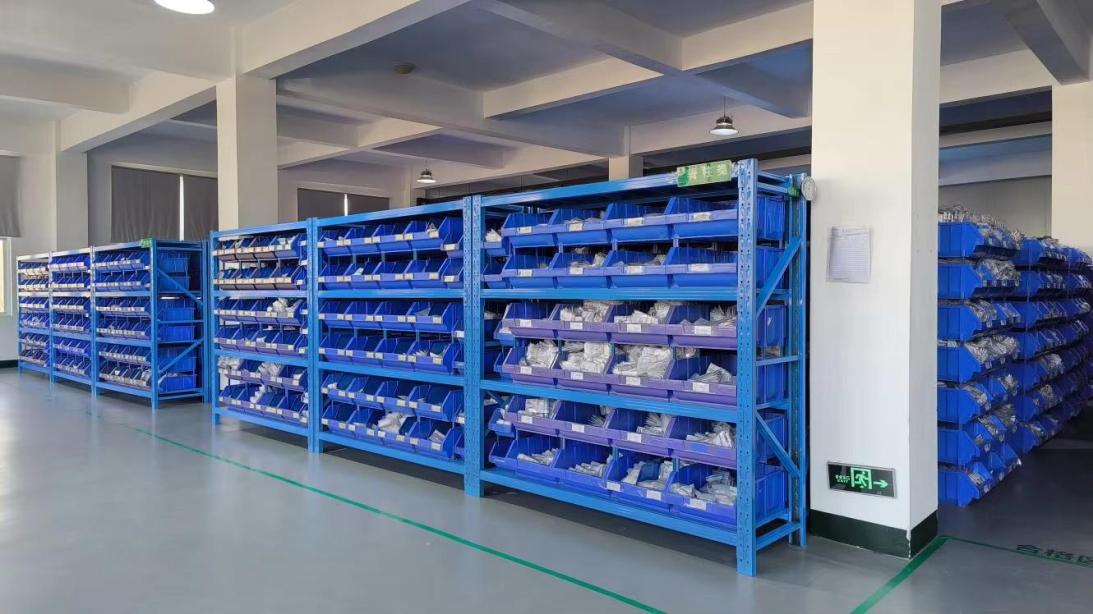
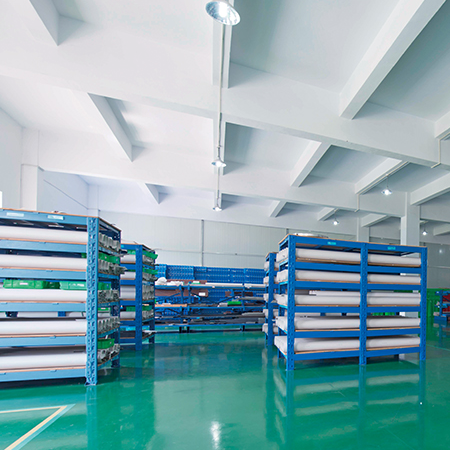
From medical raw titanium bars to the finished, verified orthopedic implant.
E-E-A-T Framework to assist hospital procurement teams and distributors in selecting long-term suppliers.
Implant systems must undergo dynamic fatigue testing according to ASTM standards to guarantee performance under cyclic knee flexion and extension.
Ensure the supplier operates strictly under ISO 13485 (Medical devices quality management systems) and provides clean certifications for target export markets.
A leading partner should offer tailorable dimensions for pediatric or revision cases, accommodating surgical innovations on demand.
Navigating the global medical device approval system requires robust engineering dossiers. Our clinical engineering team is dedicated to providing local documentation to facilitate seamless customs clearing and health department registry validation.
Whether dealing with FDA 510(k) clearances in North America, CE marking (EU MDR 2017/745) in European markets, or NMPA registration inside Asia, Chengdu Medev provides complete traceability records, chemical analysis certificates, and physical verification data sheets.
Additionally, we offer customized localization services for packaging labels, sterile instructions for use (IFU), and logistical compliance records depending on target regional legalities.
The evolution of biomechanical fixation: Smart materials, bio-inductive interfaces, and custom 3D-printing.
Transitioning from static metal screws to bioabsorbable PLA/HA composites that actively promote bone remodeling and integration within the bone tunnels, eliminating secondary hardware removal procedures.
Application of sub-micron titanium plasma spray (TPS) or hydroxyapatite coatings to PEEK components to transform inert polymer surfaces into highly osteoinductive scaffolds.
Direct metal printing (3D-SLM) of patient-specific tibial inlay structures to optimize stress-shielding and perfectly match individual tibial plateau anatomy.
Addressing the core questions of orthopedic buyers, distributors, and surgical directors.
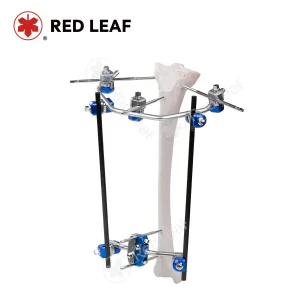
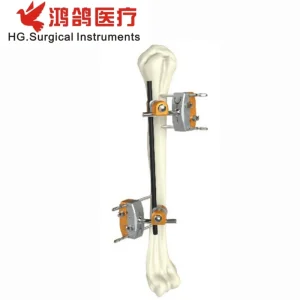
Premium solutions for joint frame reconstruction, femoral alignment, and replacement instrumentation.

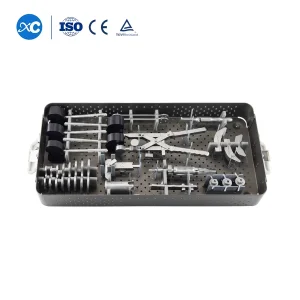
 Medev Medical