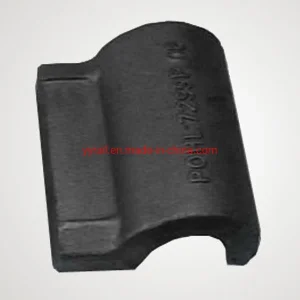
Product Description
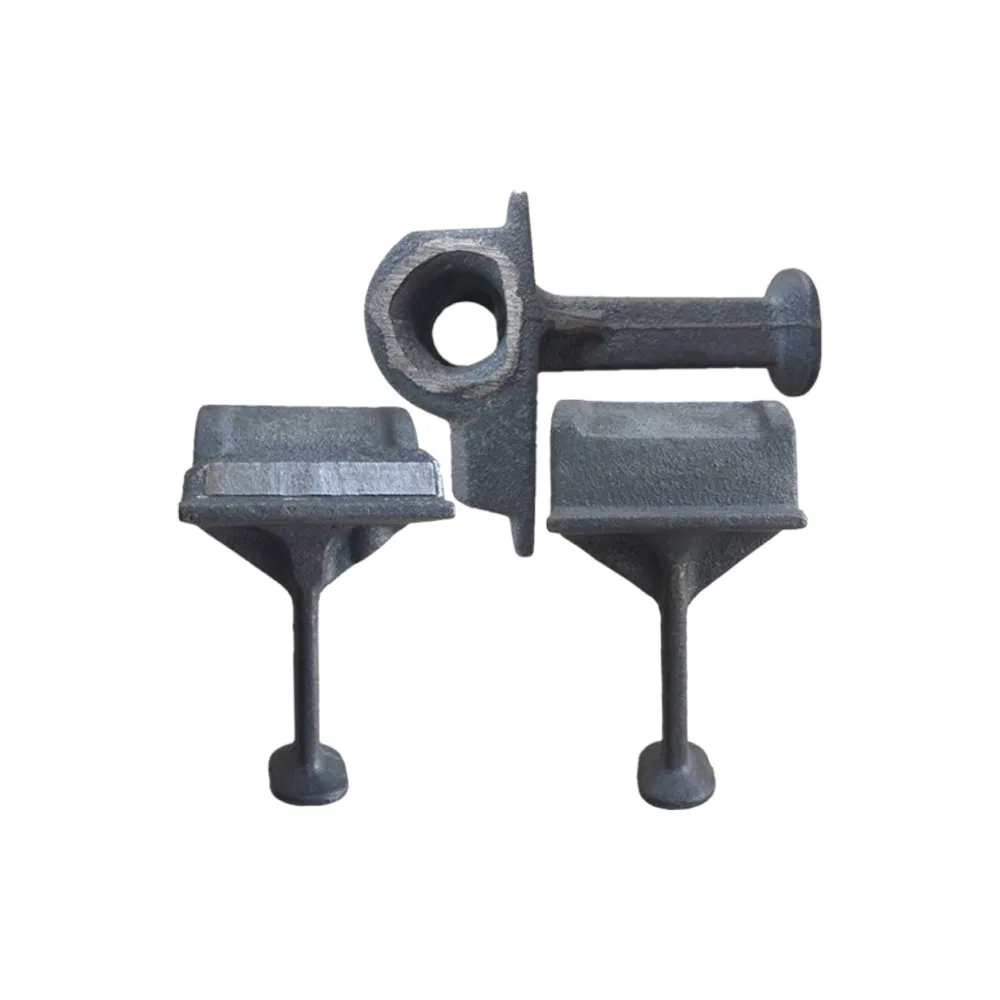
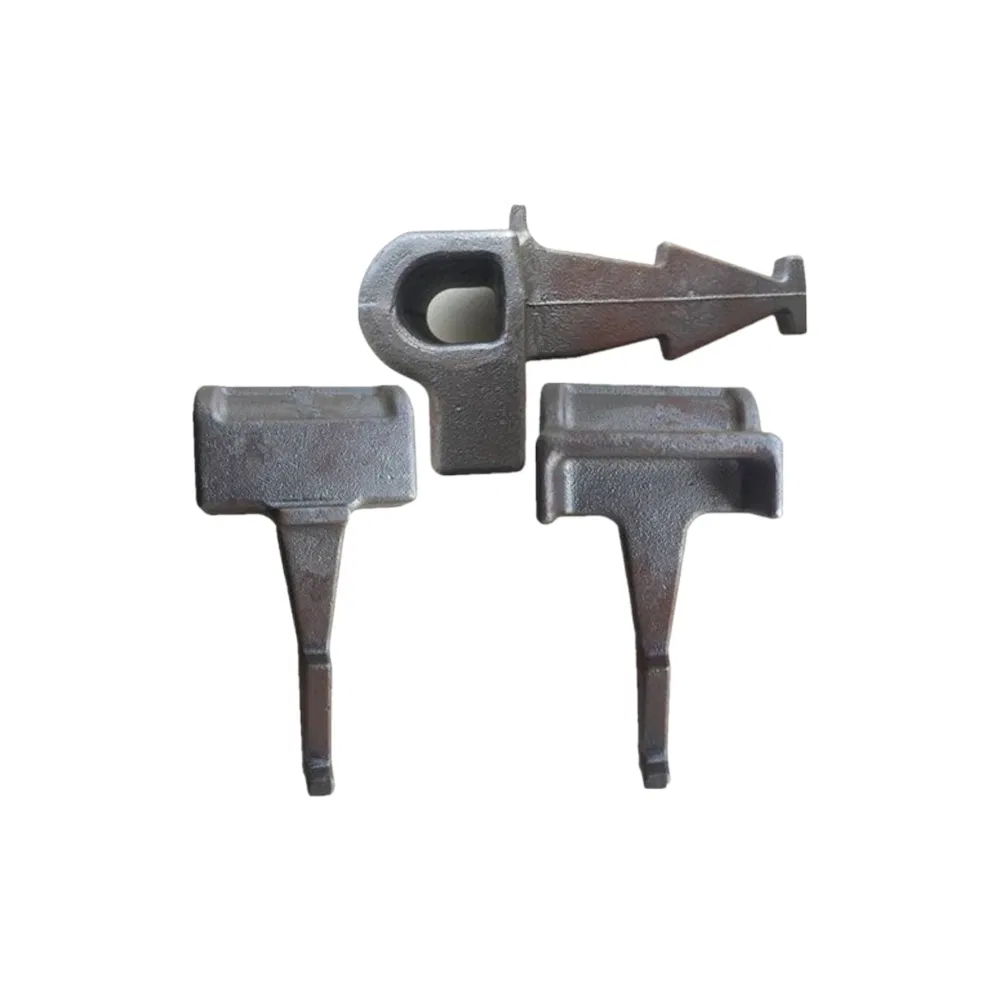
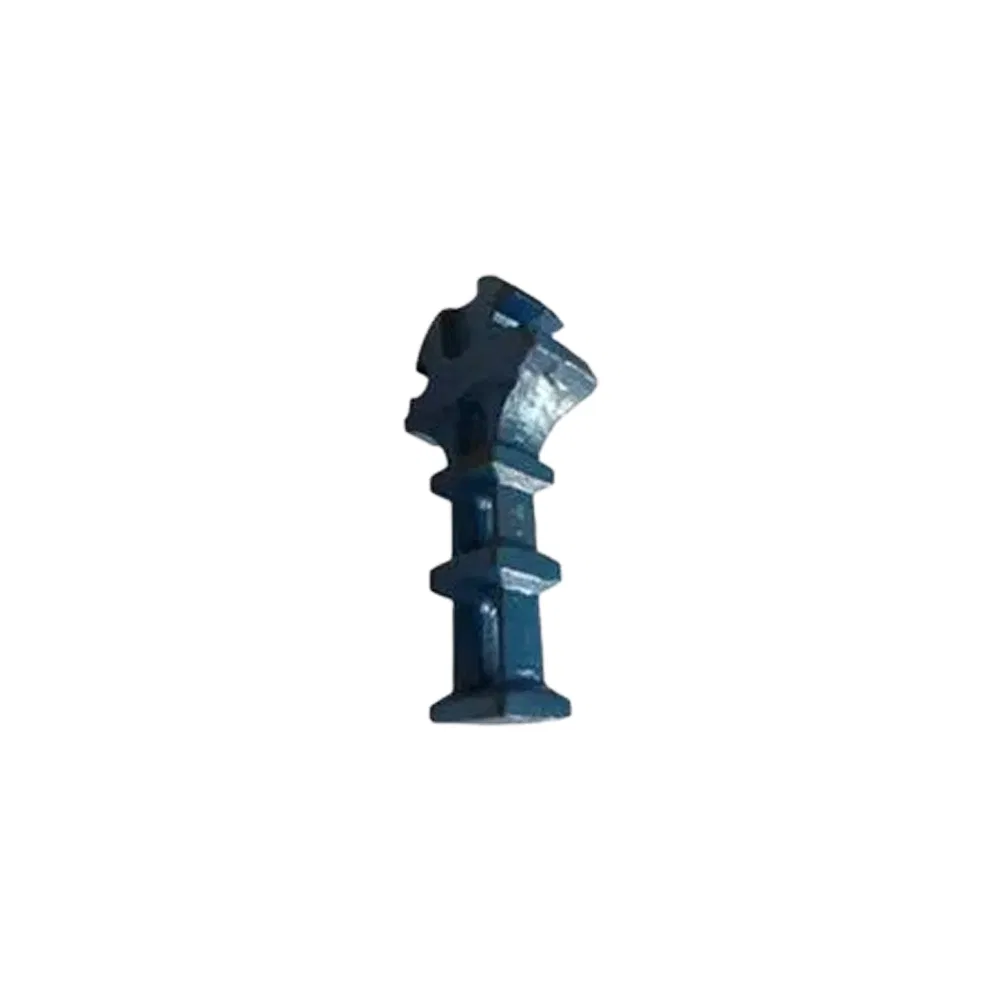
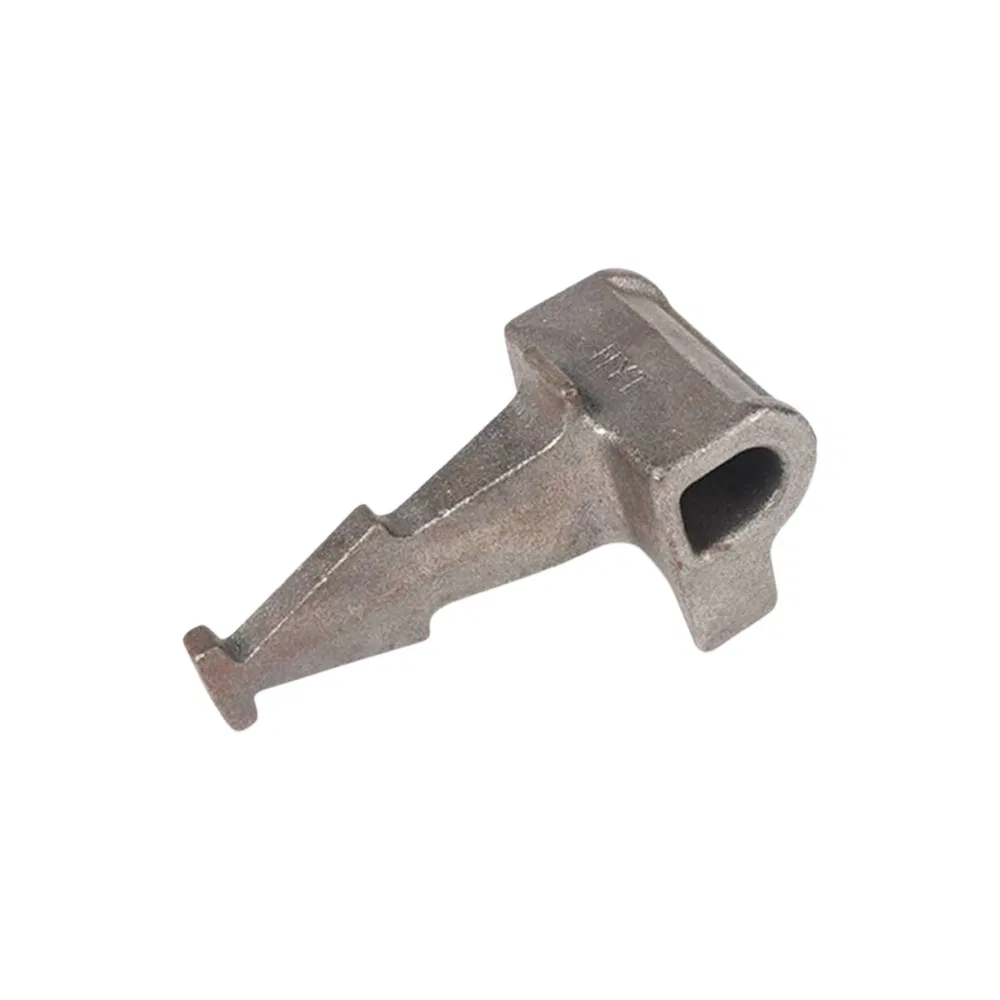
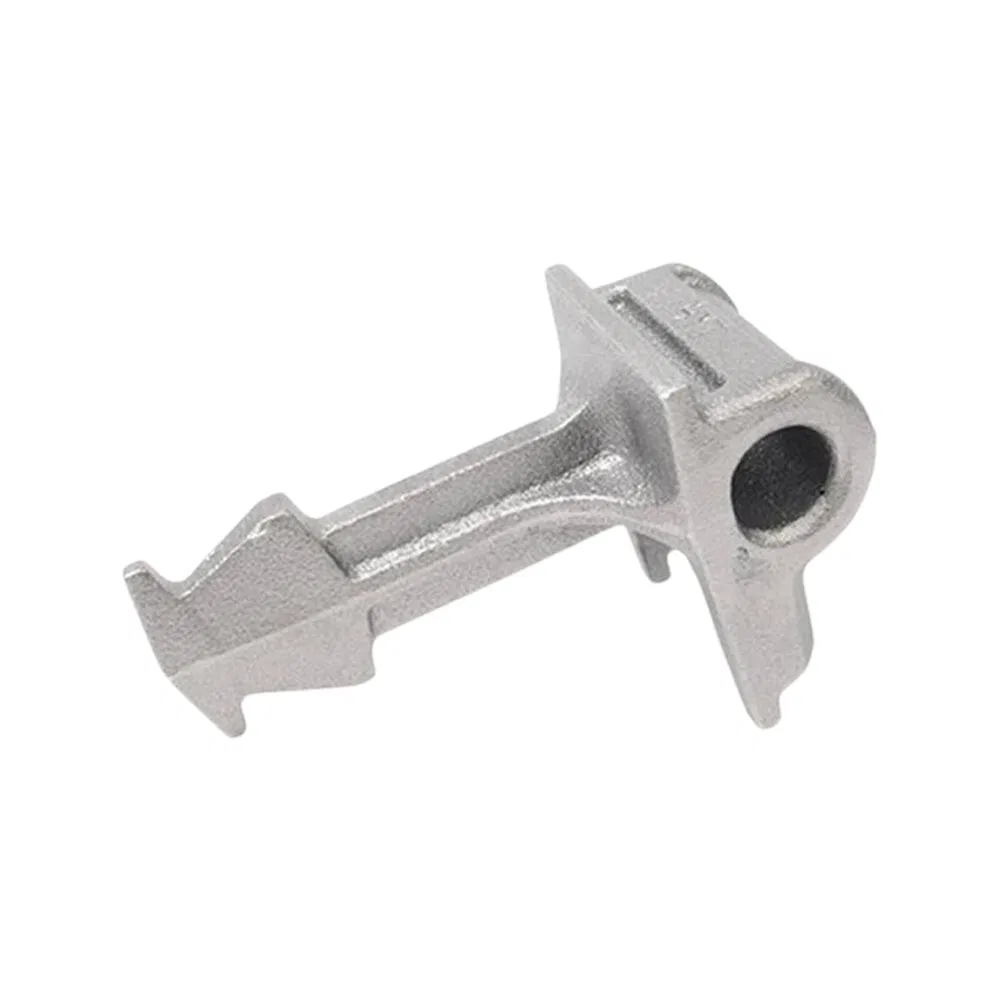
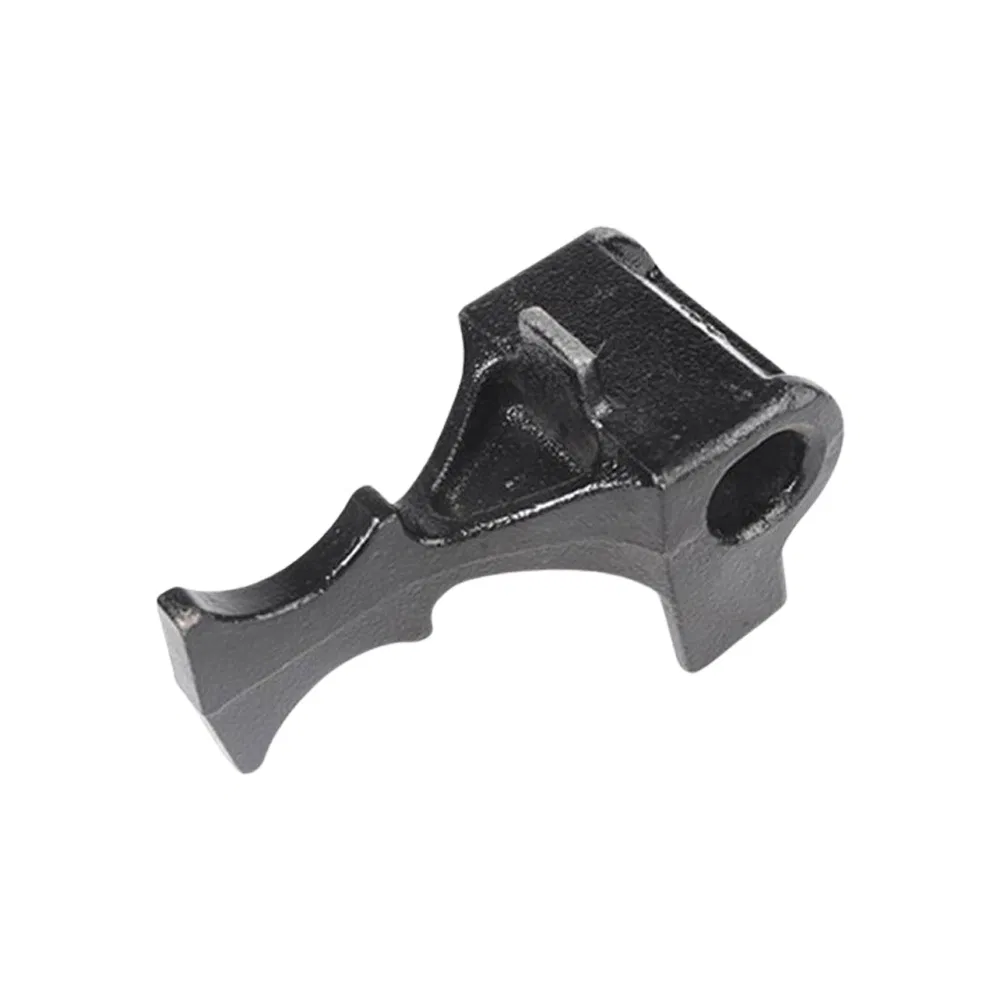
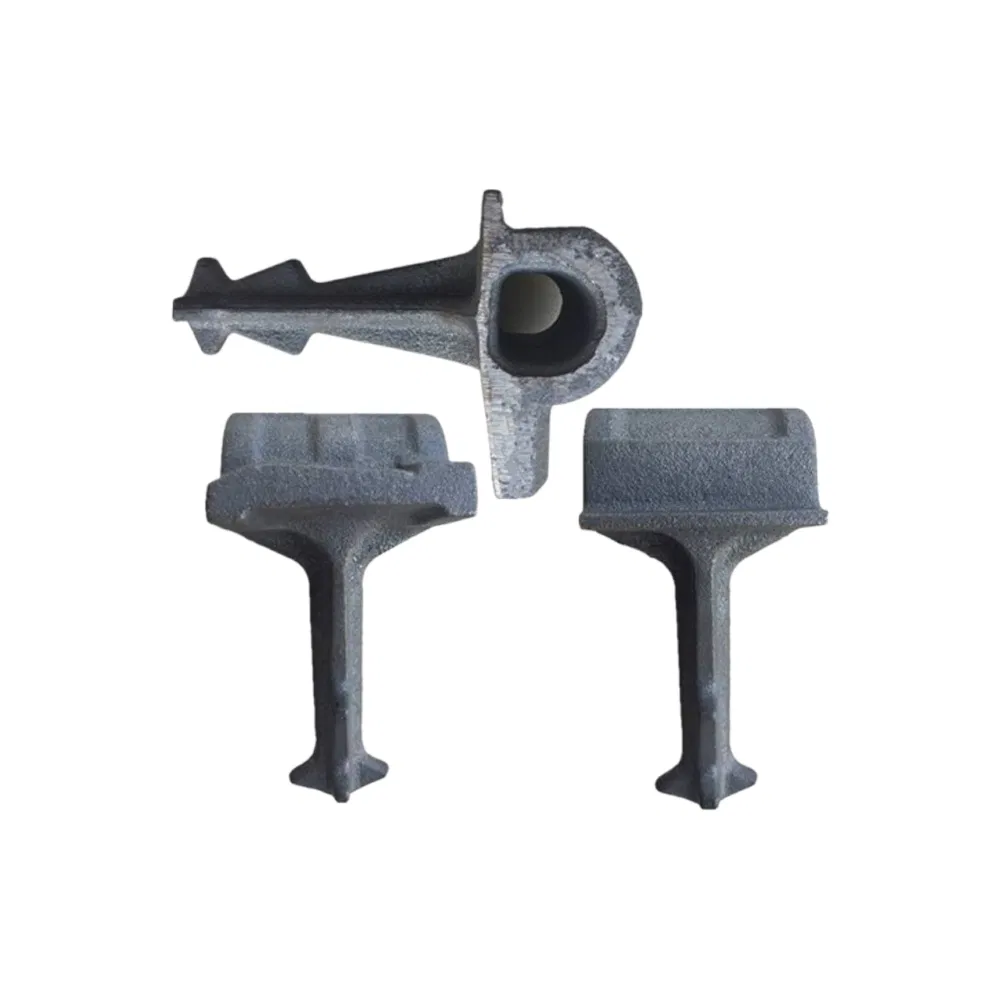
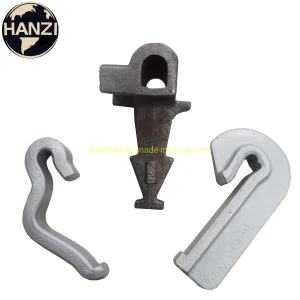
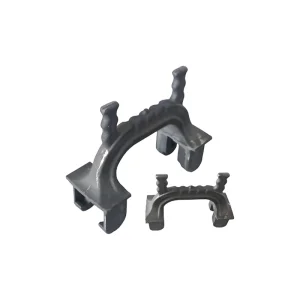
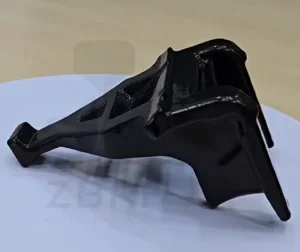
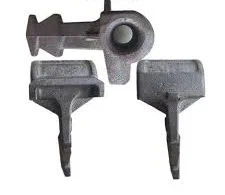
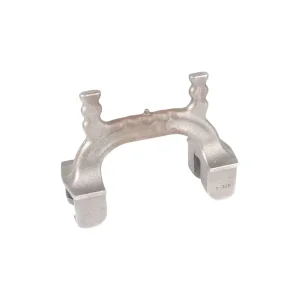
Rail shoulder is cast in the concrete rail ties to fix the elastic rail clips. There are two types of rail shoulders available, the cast-in shoulder and the weld-on rail shoulder, both of which are used for the fixing of elastic rail clips.
| Technical Reference |
| Standard |
GB 1348-88 |
GB 1348-88 |
GB 1348-89 |
| Chemical Composition(%) |
C:3.60-3.80 | Si:2.50-2.90 |
C:3.40-3.90 | Si:2.70-3.00 |
C:3.50-3.60 | Si:3.0-3.2 |
| Tensile Strength |
≥500 Mpa |
≥450 Mpa |
>400 Mpa |
| Hardness |
170~230HB |
160-210HB |
130~180HB |
| Metallographic |
frrite + pearlite |
graphite + ferrite +pearlite |
ferrite |
Frequently Asked Questions
Q1: What are the main factors to consider when selecting rail shoulders?
Key factors include compatibility with existing track specifications, adherence to international quality standards, durability under specific environmental loads, and overall cost-effectiveness.
Q2: How is the quality of these track accessories ensured?
Quality is ensured through rigorous testing procedures, sourcing from certified manufacturers, and strict compliance with industry standards and safety regulations.
Q3: Are customized solutions available for specific rail projects?
Yes, customized solutions can be tailored to meet unique project requirements. Experts work to understand specific technical needs and provide bespoke products.
Q4: What kind of technical support is available?
Comprehensive technical support is provided, including assistance with installation guidance, maintenance advice, and troubleshooting for optimal performance.
Q5: Is international shipping supported for these products?
Yes, products can be shipped internationally to a wide range of countries. Shipping arrangements and costs are determined based on destination and order volume.
Q6: What materials are commonly used for high-durability rail shoulders?
High-durability shoulders are typically manufactured using malleable iron or ductile iron grades such as QT500-7 and QT450-10 for maximum strength.
 Medev Medical