Explore our premium orthopedic product series engineered for complex joint reconstructions, customized trials, and optimized surgical performance in Peru's leading clinical environments.
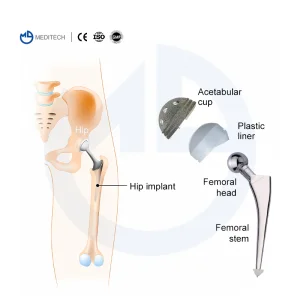
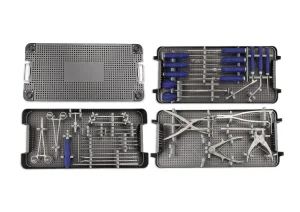
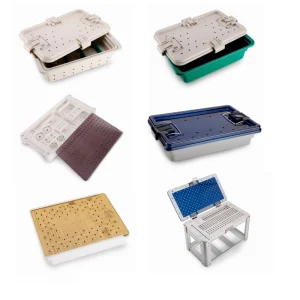
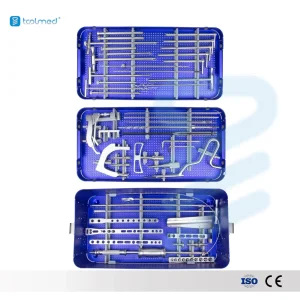
Revision total hip arthroplasty (RTHA) and revision total knee arthroplasty (RTKA) represent some of the most complex challenges faced by orthopedic surgeons today. Unlike primary joint replacements, revision surgeries require highly customized anatomical options, enhanced biomechanical stability, and specialized instrumentation to manage bone loss, structural instability, and joint infections.
As joint reconstruction demands rise globally due to longer life expectancies and more active older demographics, the surgical focus has shifted from standard implants to modular, load-bearing biomaterials. Factors such as aseptic loosening, periprosthetic joint infection (PJI), and component wear demand specialized systems that can restore patient mobility with predictable clinical outcomes.
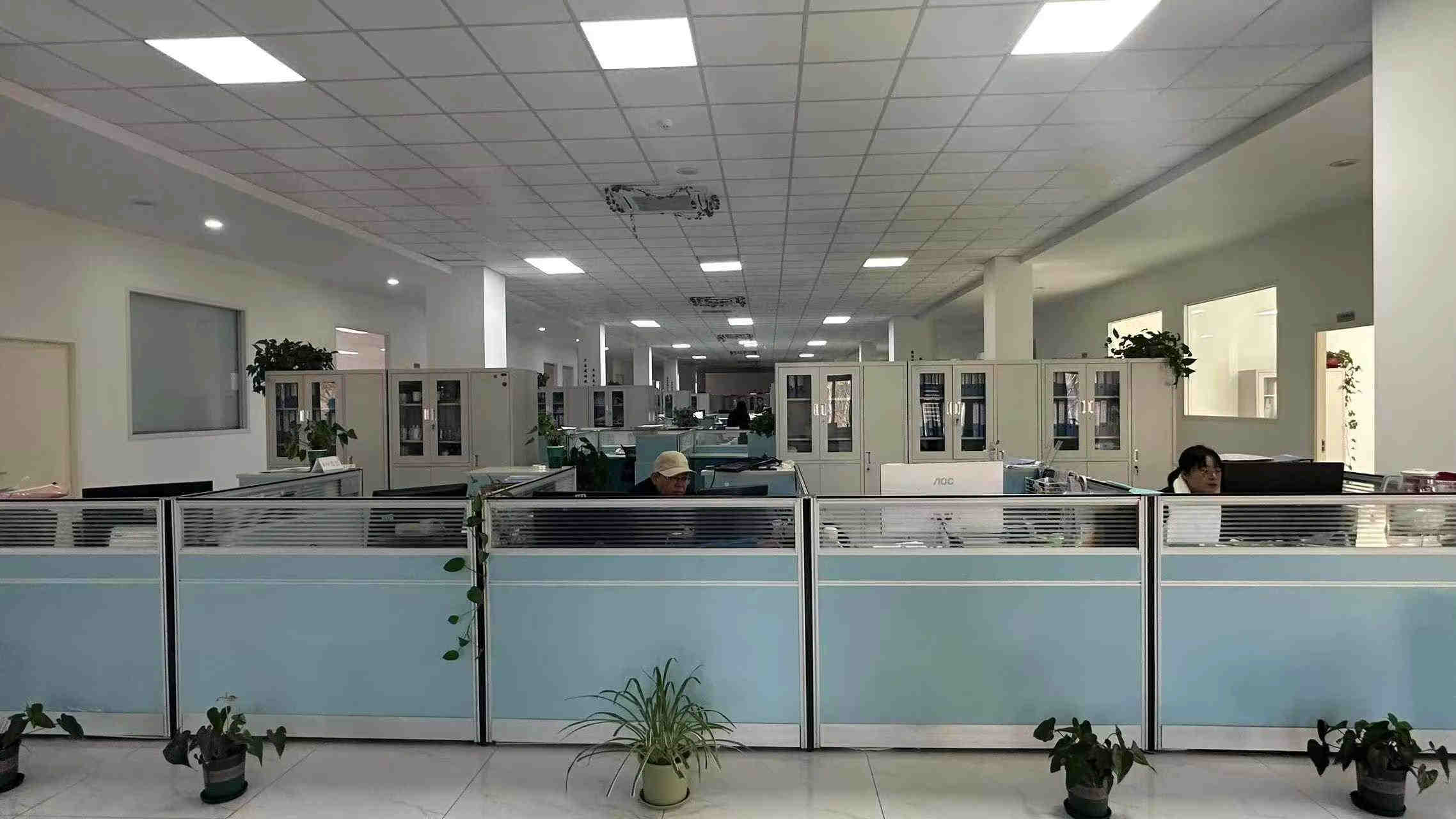
Lima, as the central demographic and medical hub of Peru, is undergoing a substantial expansion in its complex orthopedic infrastructure. Public healthcare providers such as EsSalud (epitomized by flagship hospitals like Hospital Nacional Edgardo Rebagliati Martins and Hospital Nacional Guillermo Almenara Irigoyen) along with private clinical networks (Clínica Delgado, Clínica Anglo Americana) manage a growing volume of complex reconstructive procedures daily.
Expanding the availability of high-quality implant components in metropolitan Lima requires navigating specific regulatory pathways and commercial conditions. DIGEMID (Dirección General de Medicamentos, Insumos y Drogas) enforces rigorous registration processes for Class III medical devices. Importers must demonstrate reliable sterility, biocompatibility validation, and traceably documented chemical profiles of raw titanium and cobalt-chromium alloys before implants can enter clinical use.
Managing an orthopedic supply chain requires navigating complex regulatory standards, logistical pathways, and clinical expectations. Healthcare procurement officers and distributors in South America prioritize three key pillars:
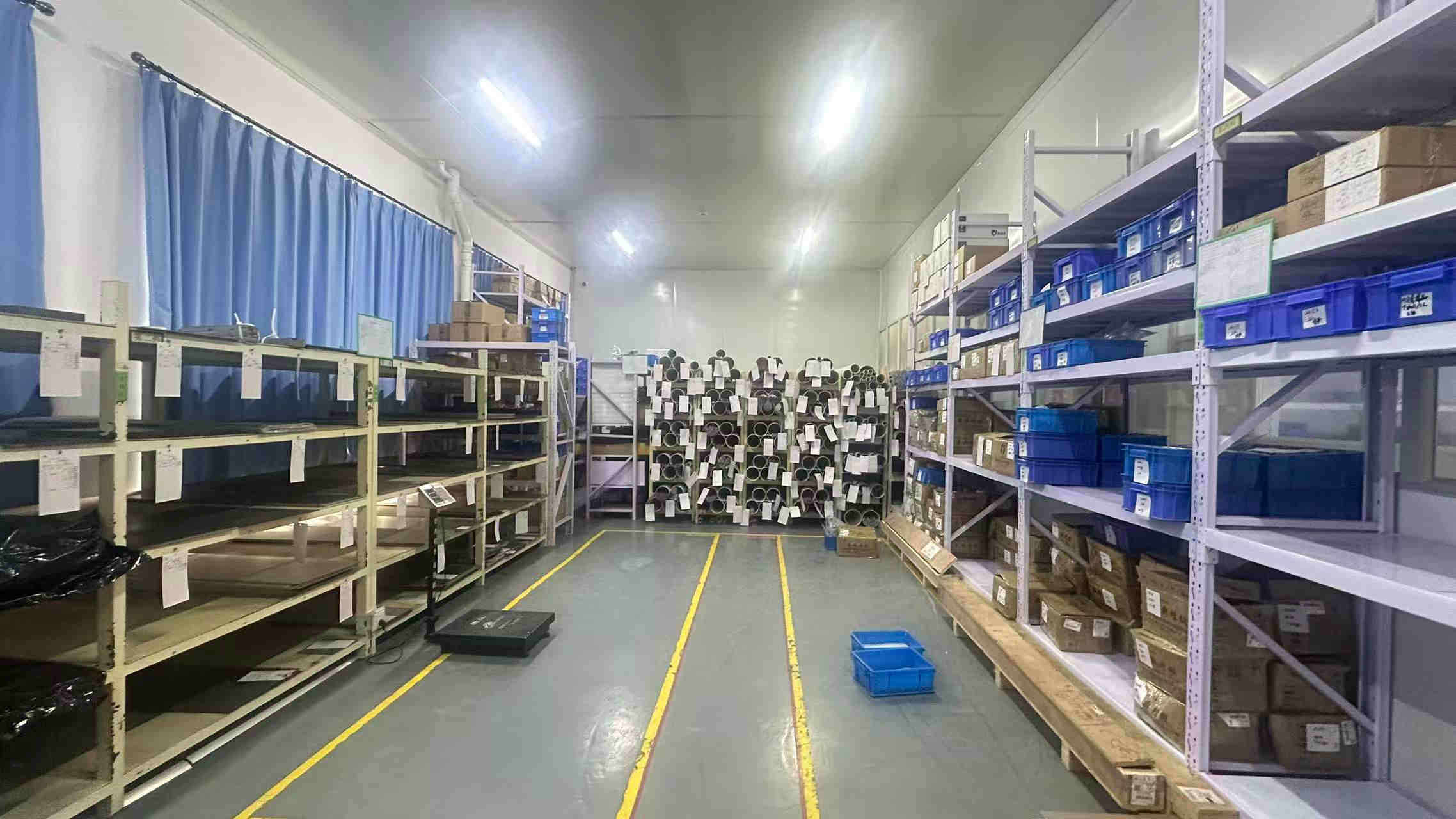
Full documentation of raw materials including medical-grade titanium alloys (Ti6Al4V ELI) and ultra-high-molecular-weight polyethylene (UHMWPE) from reputable global steel and polymer producers.
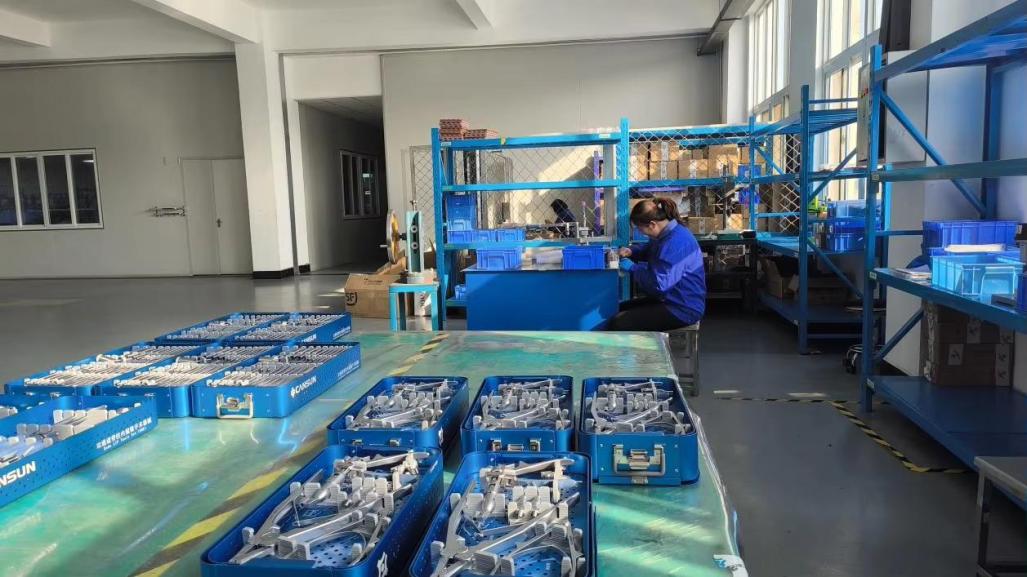
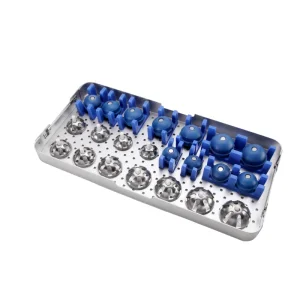
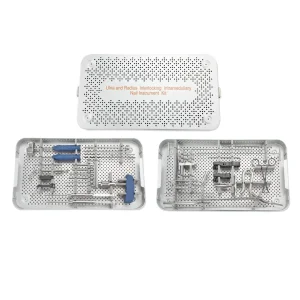
Providing high-precision instrument kits (e.g., reamers, trial components, acetabular sizers) in robust sterilizable PPSU containers to limit hospital processing times and safeguard patient health.
Class III sterilized packaging solutions validating that implants remain sterile throughout global transit, customs clearance at Callao Port, and storage in local medical facilities.
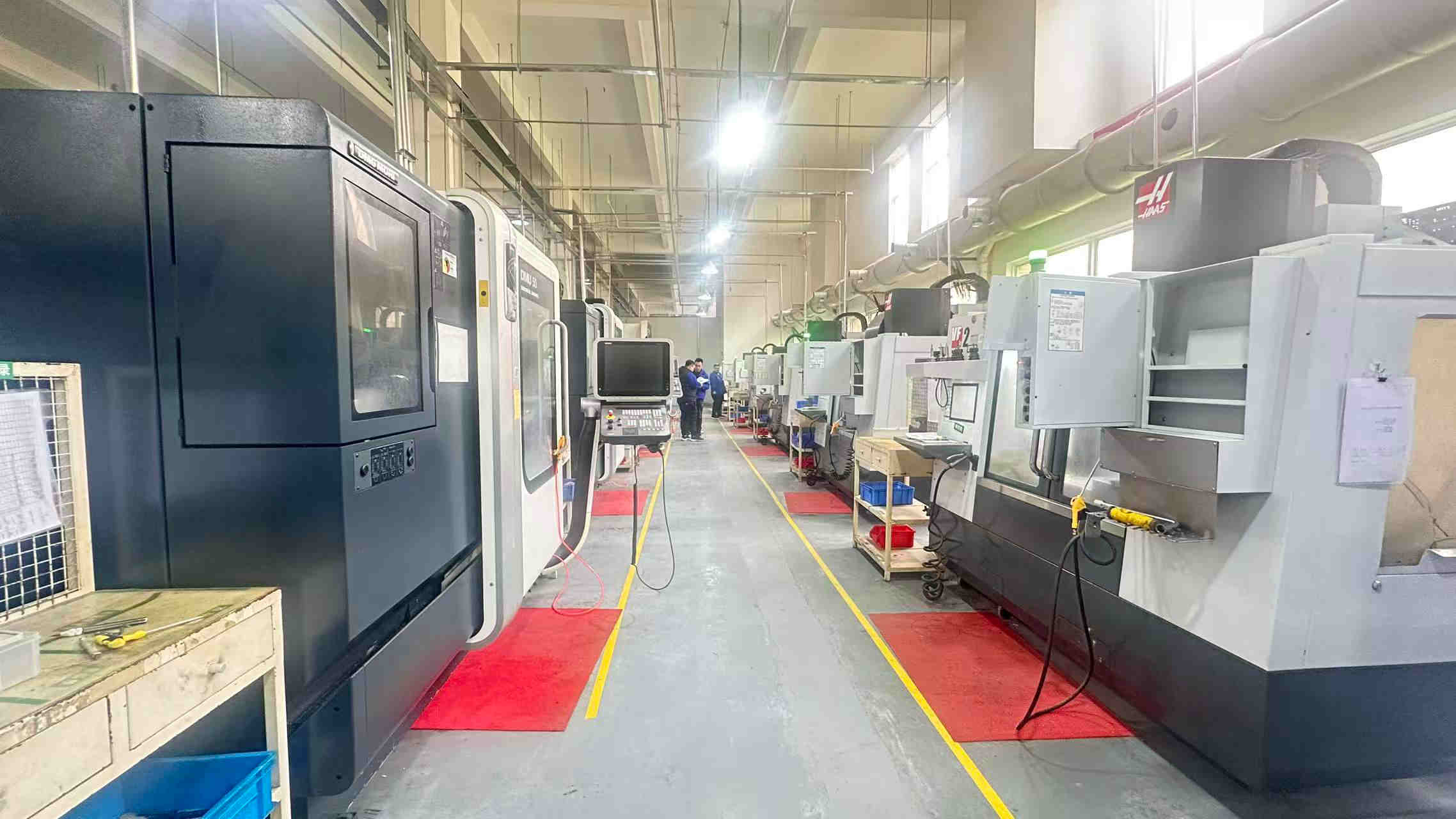
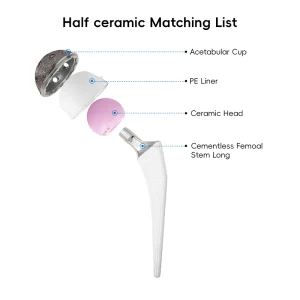
Successful long-term revision outcomes depend heavily on the mechanics of the implant. Contemporary revision hip and knee systems utilize sophisticated material structures to optimize osteointegration and distribute stresses effectively.
Complementary surgical solutions designed to support comprehensive bone reconstruction and osteosynthesis alongside revision joint systems.
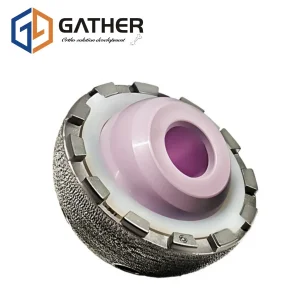
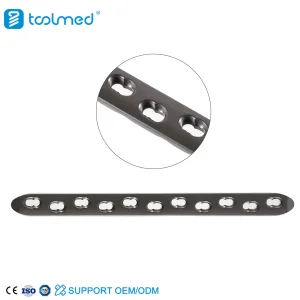
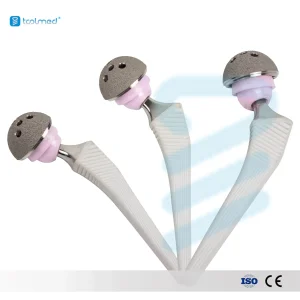
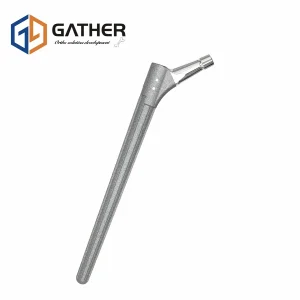
Founded in 2001, Chengdu Medev Medical Instruments Co., Ltd. covers an area of 18,000 ㎡, including a modern floor area of over 15,000 ㎡, with a registered capital of 20 million Yuan. We specialize in the research, design, and manufacturing of orthopedic implants and precision instruments. As an established developer of orthopedic solutions, we have supplied to 1000+ clients across 120+ countries for over 20 years, supported by deep technical expertise and clinical validation.
We adhere to a "people-oriented, integrity first, continuous innovation, and pursuit of excellence" philosophy to help safeguard human health globally.
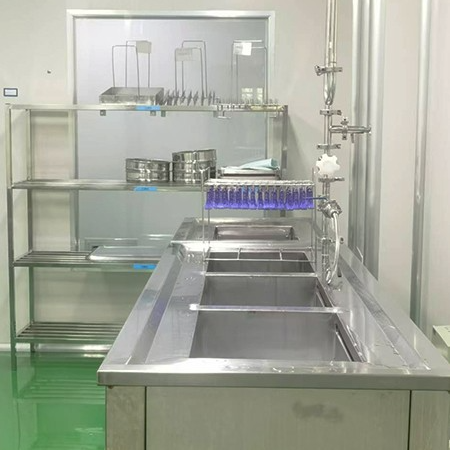
Cleaned implants exhibit a higher-purity surface, reducing the risk of post-operative infection and ensuring the implant is biocompatible and safe to use during surgery.
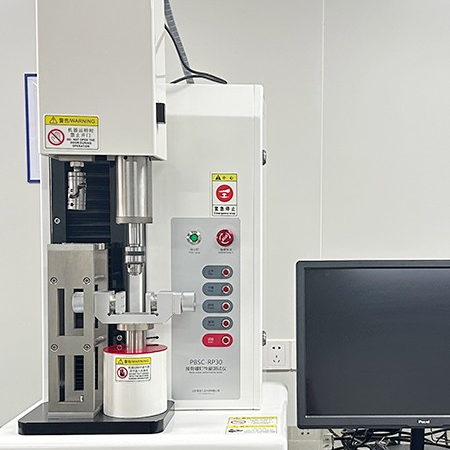
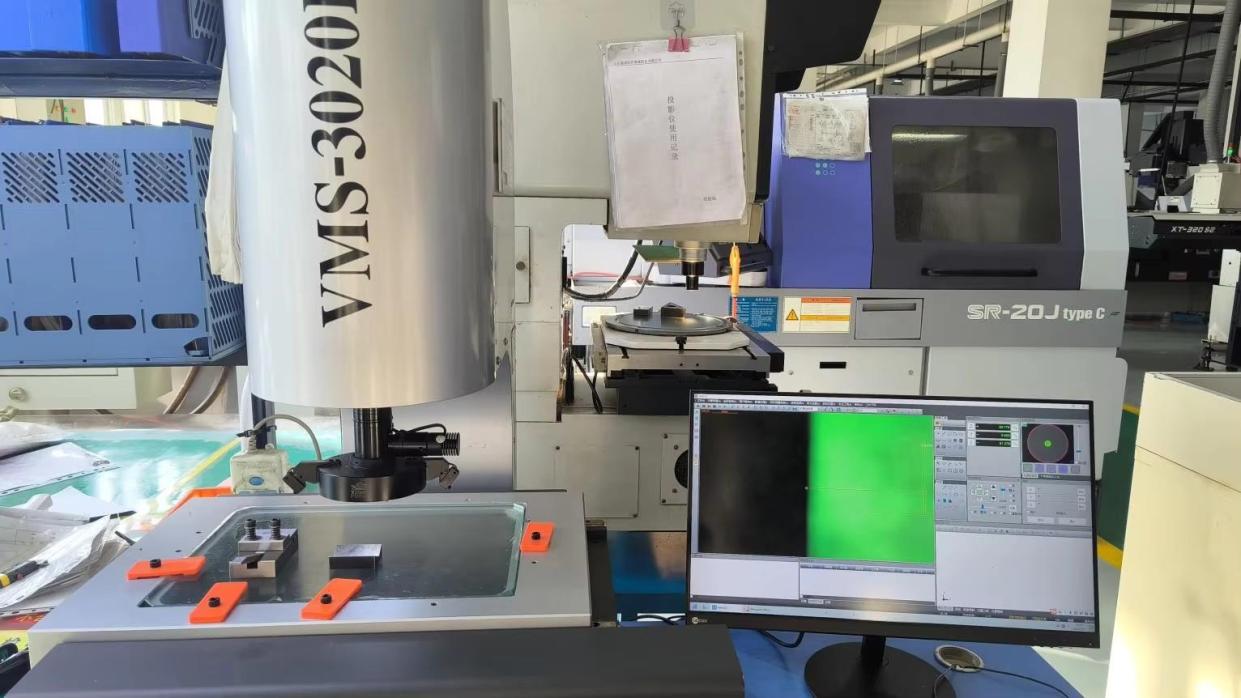
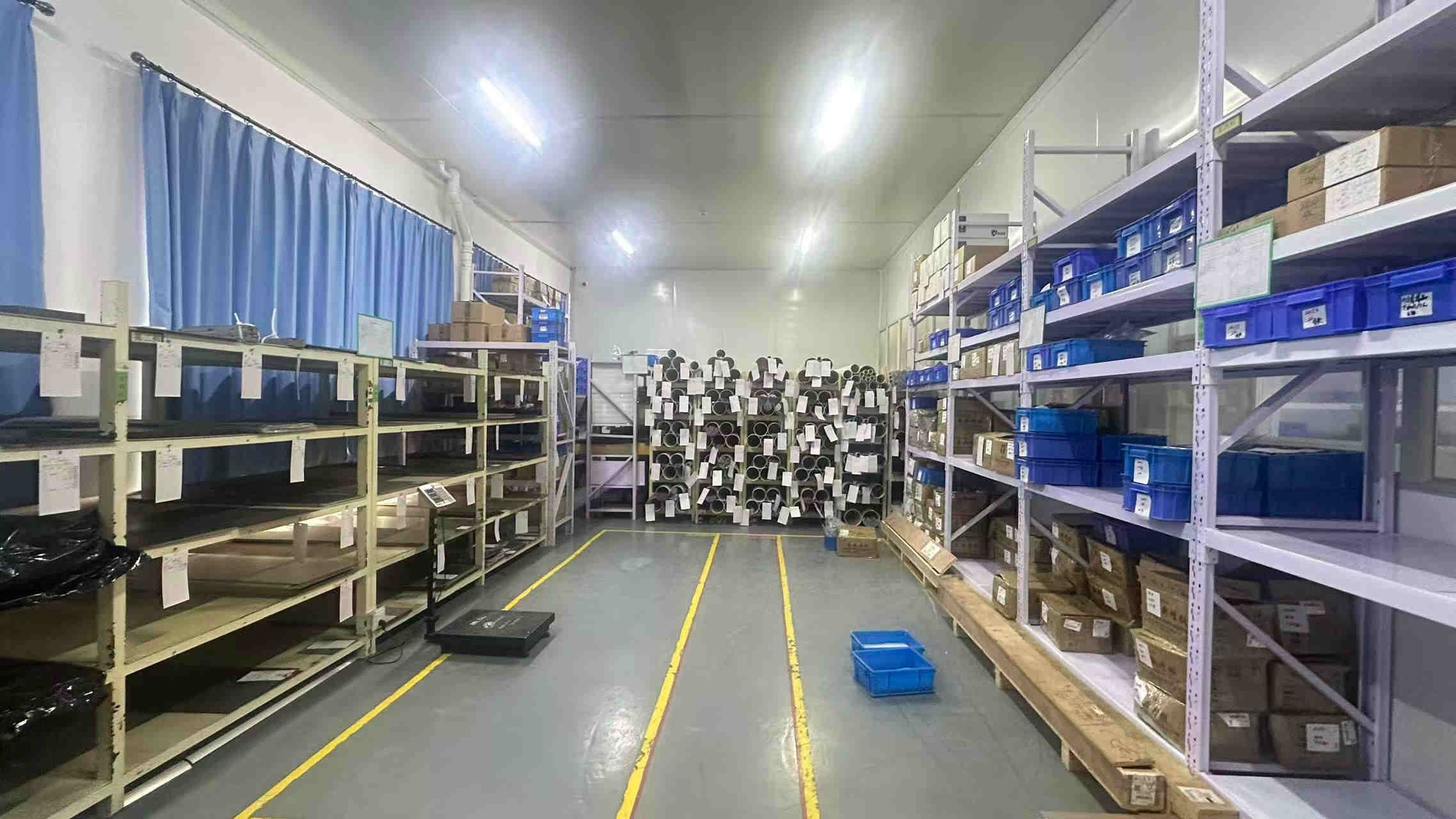
We test tensile strength, yield strength, and elongation of our raw materials to simulate the structural loads and stress cycles the implant will encounter in the human body.
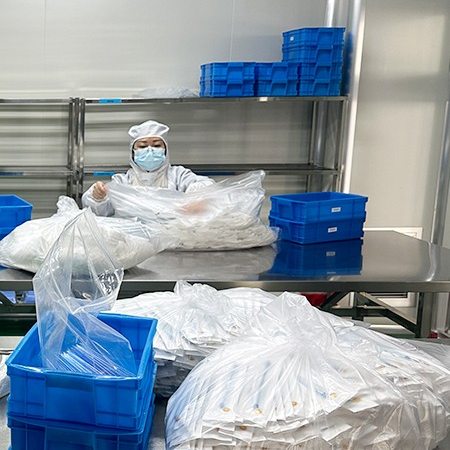
Packaging must maintain a reliable seal to prevent contaminant entry, using validated heat sealing, pressing, and adhesive techniques to ensure barrier integrity.
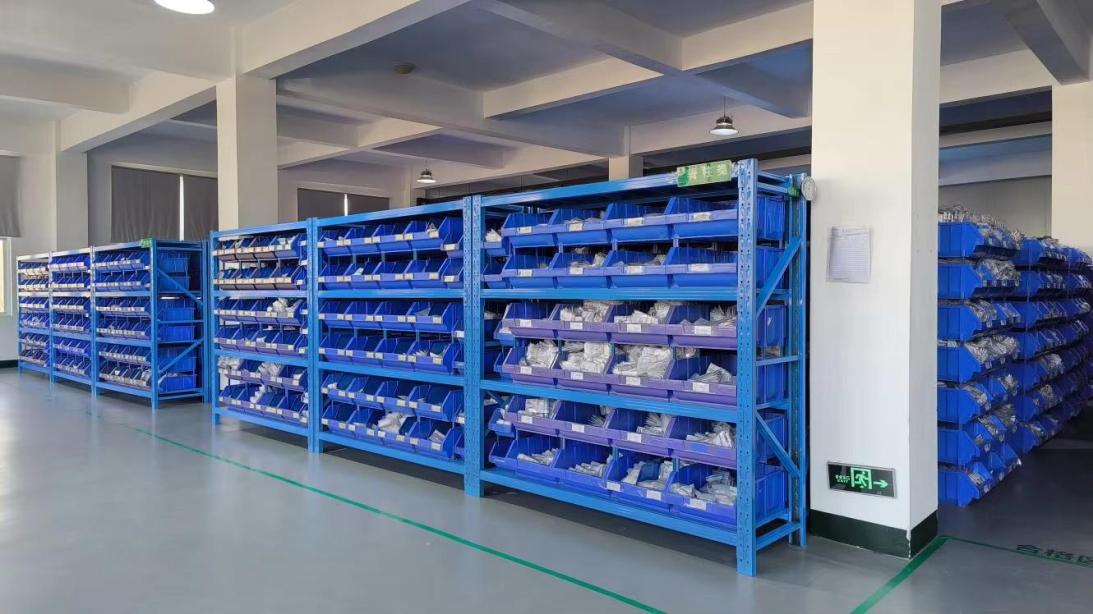
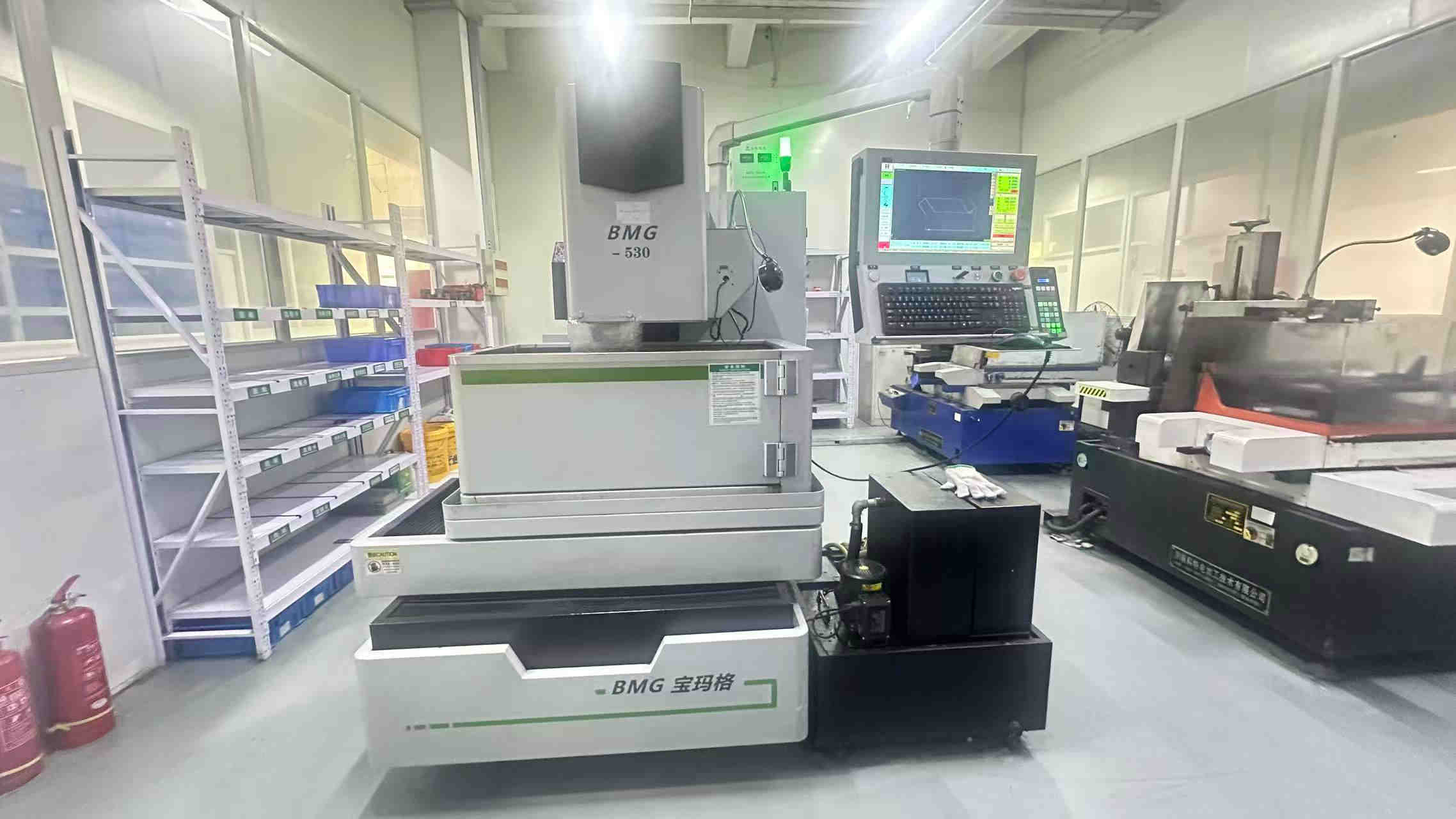
From initial inspection of medical-grade alloys to final delivery, our operations are optimized to maintain product uniformity and structural integrity at every stage of production.
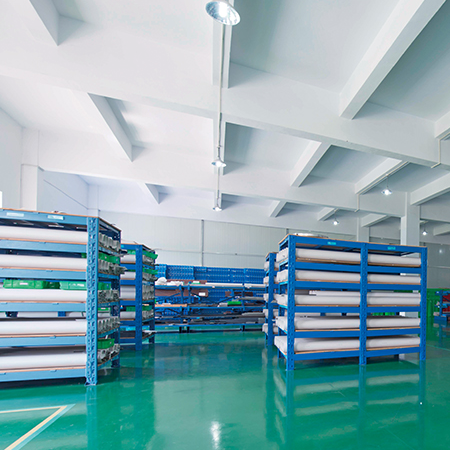
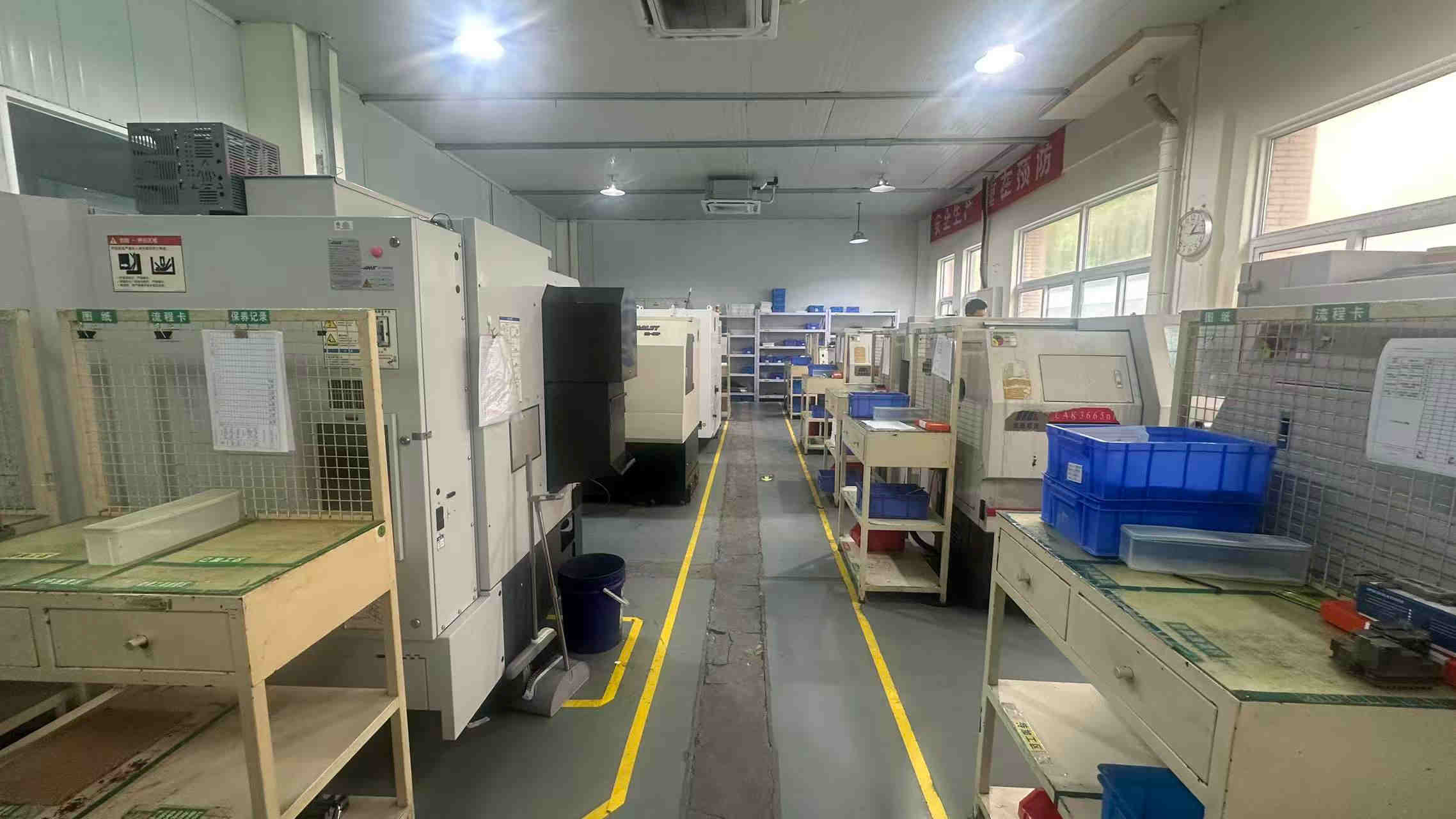
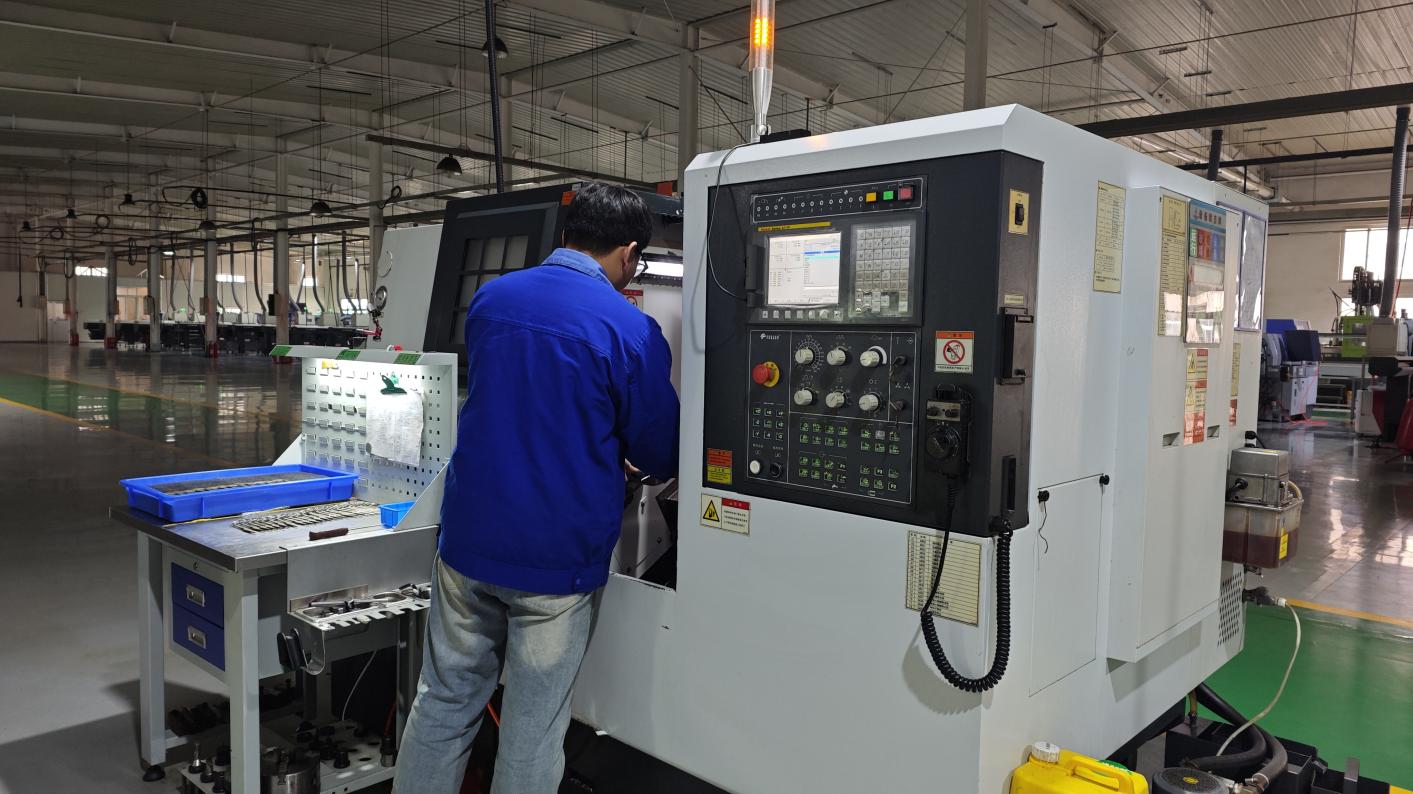
Navigating the clinical requirements of major hospitals in Lima demands more than just delivering quality implants; it requires reliable local representation and technical support. We assist regional distributors in establishing training programs for local surgical technicians and scrub nurses, facilitating smooth intraoperative operations.
Additionally, our support pathways are designed to streamline local compliance hurdles:
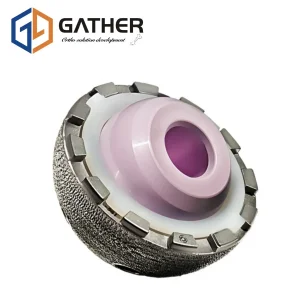
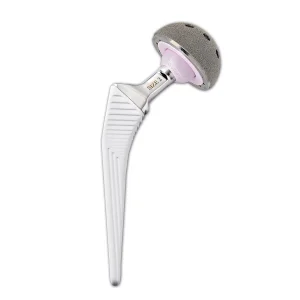
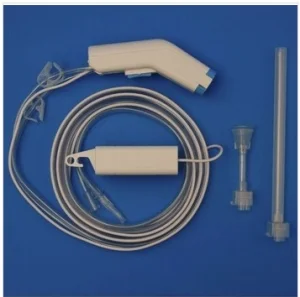
Below is our primary portfolio of artificial hip and knee joints, revision systems, surgical instruments, and sterilization options available for export to the Lima medical market.
Detailed technical, regulatory, and logistics answers for hospital purchasing departments and medical device importers in Lima.
Orthopedic implants are classified as Class III (high risk) medical devices by DIGEMID. Importation requires a valid Sanitary Registration (Registro Sanitario) held by an authorized local establishment (Droguería) with Good Storage Practices (BPA) certification. We provide a full technical dossier, including ISO 13485 certificates, biocompatibility analysis, CE certifications, and sterilization validation reports, to support your local registration process.
We utilize raw titanium and cobalt-chromium alloys sourced from validated global metallurgical suppliers, accompanied by verified mill test certificates. Internally, we run mechanical stress tests, hardness inspections, and coordinate-measuring machine (CMM) testing to confirm that every batch conforms to ASTM and ISO standards for surgical implants.
We offer modular instrumentation sets, including PPSU and aluminum instrument boxes designed for repeated autoclave cycles. These boxes can be tailored to the surgical preferences of your hospital network, reducing operating room preparation time and matching local surgical workflows.
Standard manufactured batches typically dispatch within 30 to 45 days post-order confirmation. Shipping times to Callao, Peru vary between 35 and 45 days depending on the shipping line. We coordinate closely with your logistics team to supply all necessary customs documentation, invoice manifests, and packing lists to support efficient clearance.
Yes, our engineering team uses advanced 3D modeling and precision CNC milling to manufacture patient-specific implants or custom revision stems for complex anatomy, subject to the receipt of medical CT scan data and doctor validation.
 Medev Medical