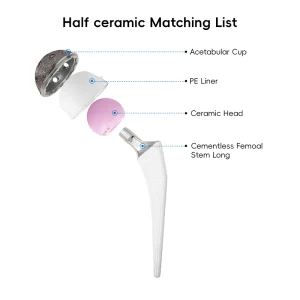
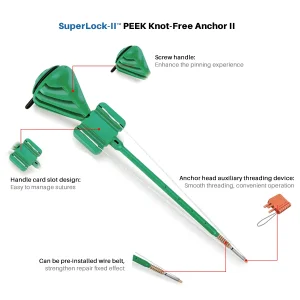
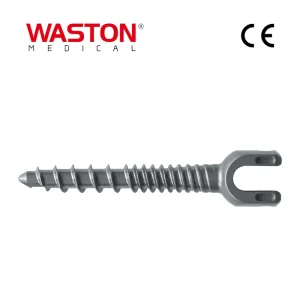
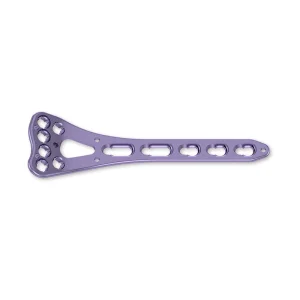
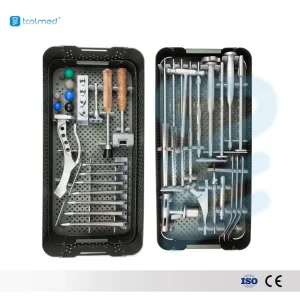
Shoulder arthroplasty has undergone a paradigm shift in the last decade. Moving beyond simple metallic replacements, the industry is now focused on **biomechanical congruency, patient-specific instrumentation, and smart materials**. As global healthcare providers demand higher reliability, the role of specialized manufacturing factories—specifically those utilizing advanced CNC machining and additive manufacturing (3D printing)—has become the backbone of modern orthopedics.
China has transitioned from low-cost labor to a high-tech manufacturing hub (Industry 4.0). Leading facilities like those specializing in shoulder implants now integrate full-cycle production, from raw material validation to clean-room sterilization. Sourcing from these entities provides a distinct advantage: supply chain resilience. In an era of global volatility, the ability to maintain consistent production timelines for critical orthopedic implants is non-negotiable.
The roadmap for shoulder arthroplasty manufacturers involves three distinct pillars:
For global procurement, compliance is the currency of trust. Top-tier shoulder arthroplasty suppliers must adhere to ISO 13485 (Medical Devices Quality Management Systems), CE Marking (MDR compliance), and FDA 510(k) clearances. At Chengdu Medev Medical Instruments, we emphasize strict clean-room protocols, ultrasonic cleaning, and rigorous hardness testing to ensure every implant is safe, durable, and ready for the operating room.
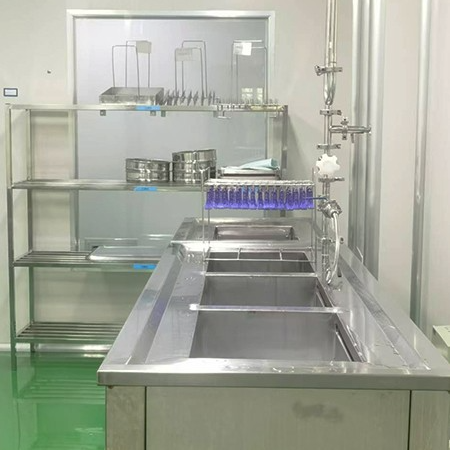
Ensuring surface purity and reducing infection risk for safer surgery.
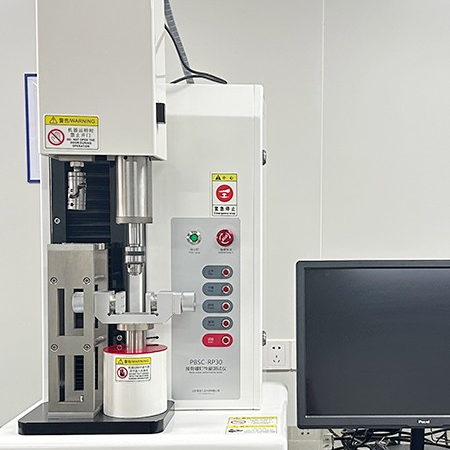
Simulating human body tensile forces for ultimate reliability.
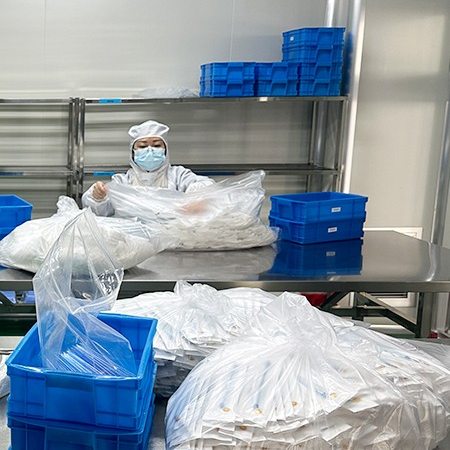
Guaranteed sterile barrier integrity for surgical readiness.
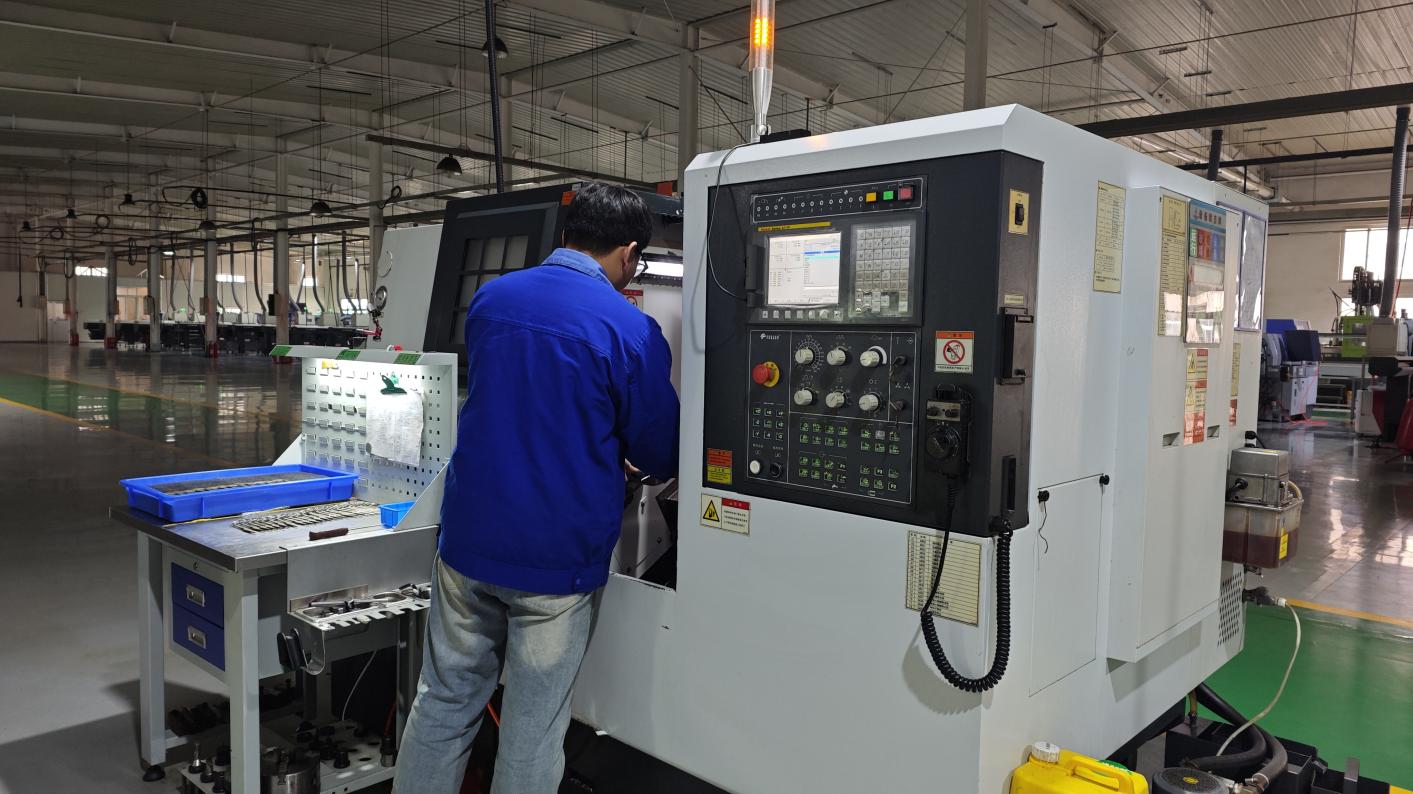
Advanced CNC processes for exact implant geometry.
Q1: What are the key criteria for vetting shoulder arthroplasty suppliers?
A: Look for ISO 13485 certification, traceability of materials (medical grade titanium/PEEK), experience with international exports (CE/FDA), and manufacturing capacity (18,000+ sqm facility size is a good indicator of capability).
Q2: How does China Industry 4.0 benefit my orthopedic procurement?
A: It provides superior precision, automated quality control (reducing human error), and shorter lead times due to integrated production lines for surgical instruments and implants.
 Medev Medical