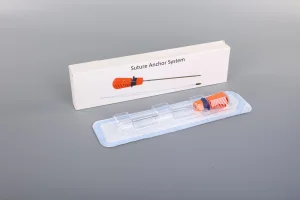
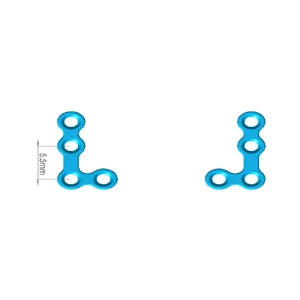
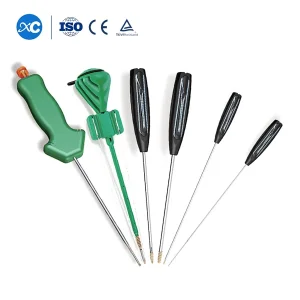
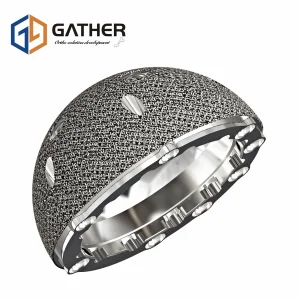
Explore our premium class-III orthopedic implants and precision surgical kits designed for optimal osteosynthesis and joint reconstruction.
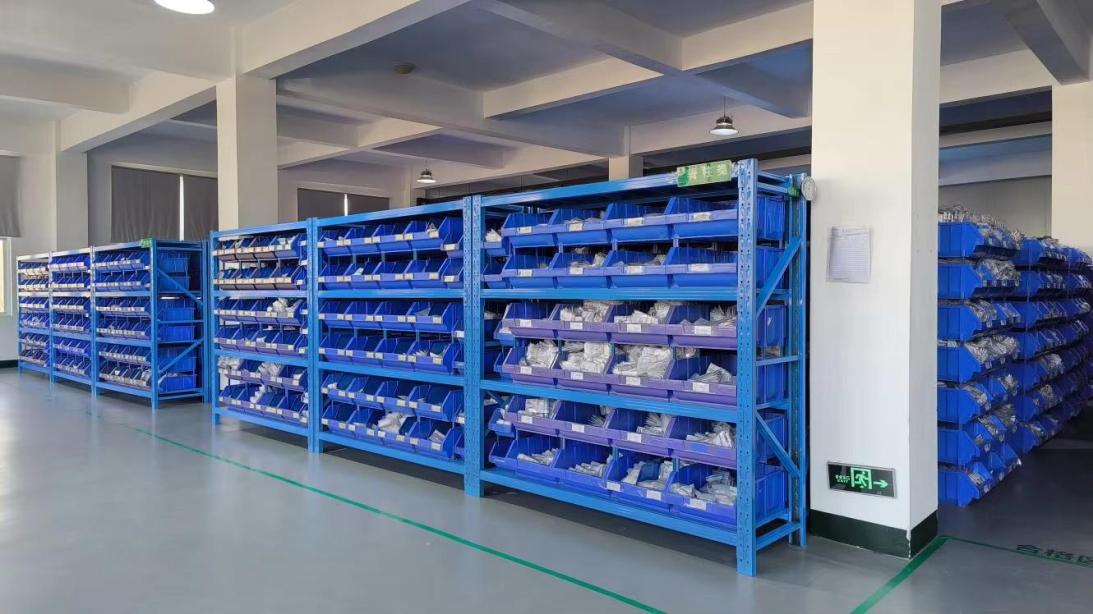
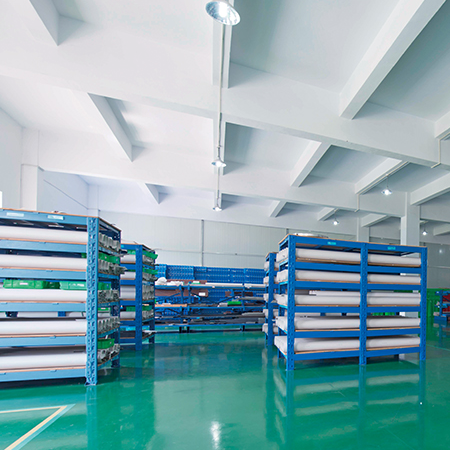
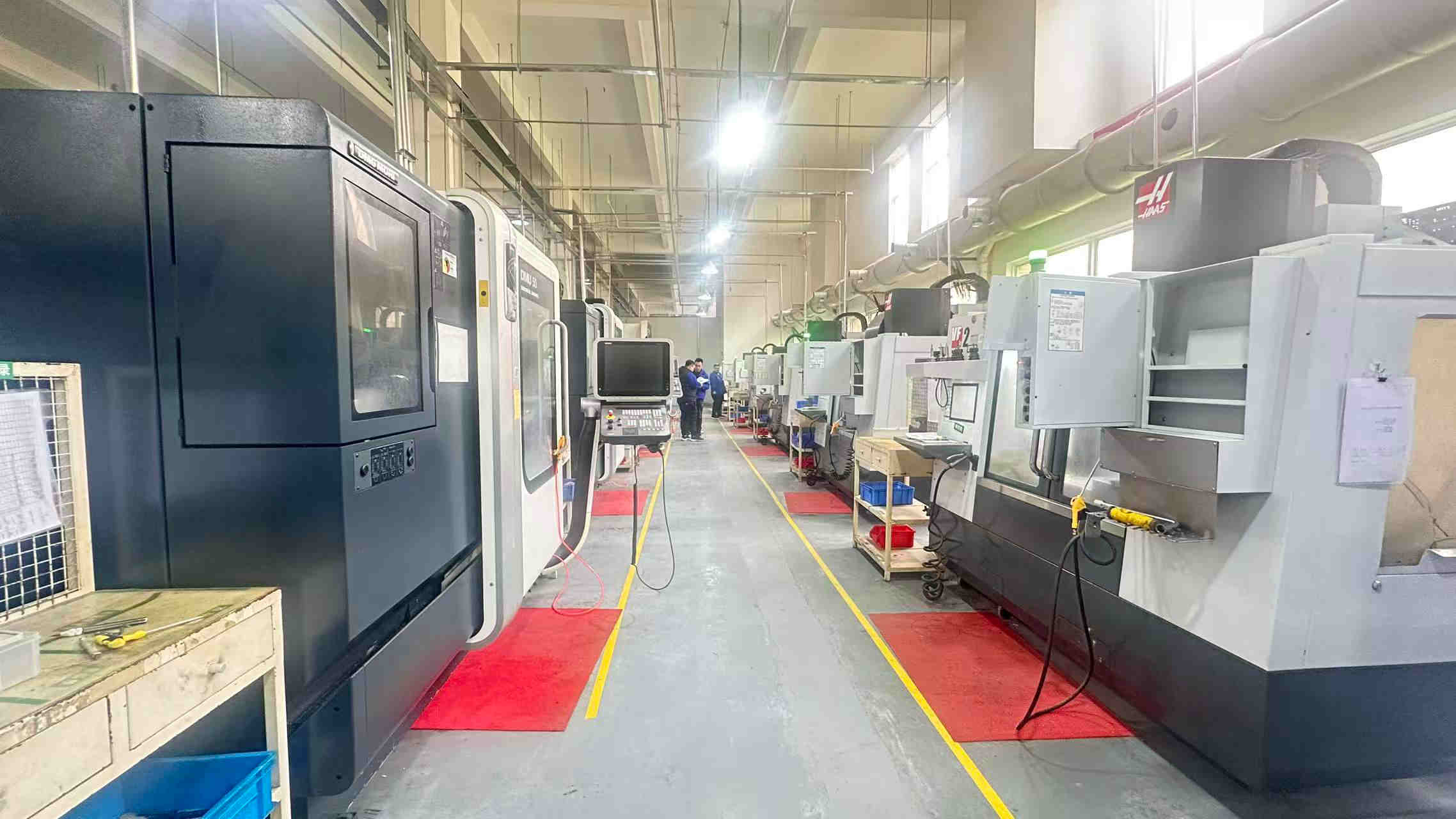
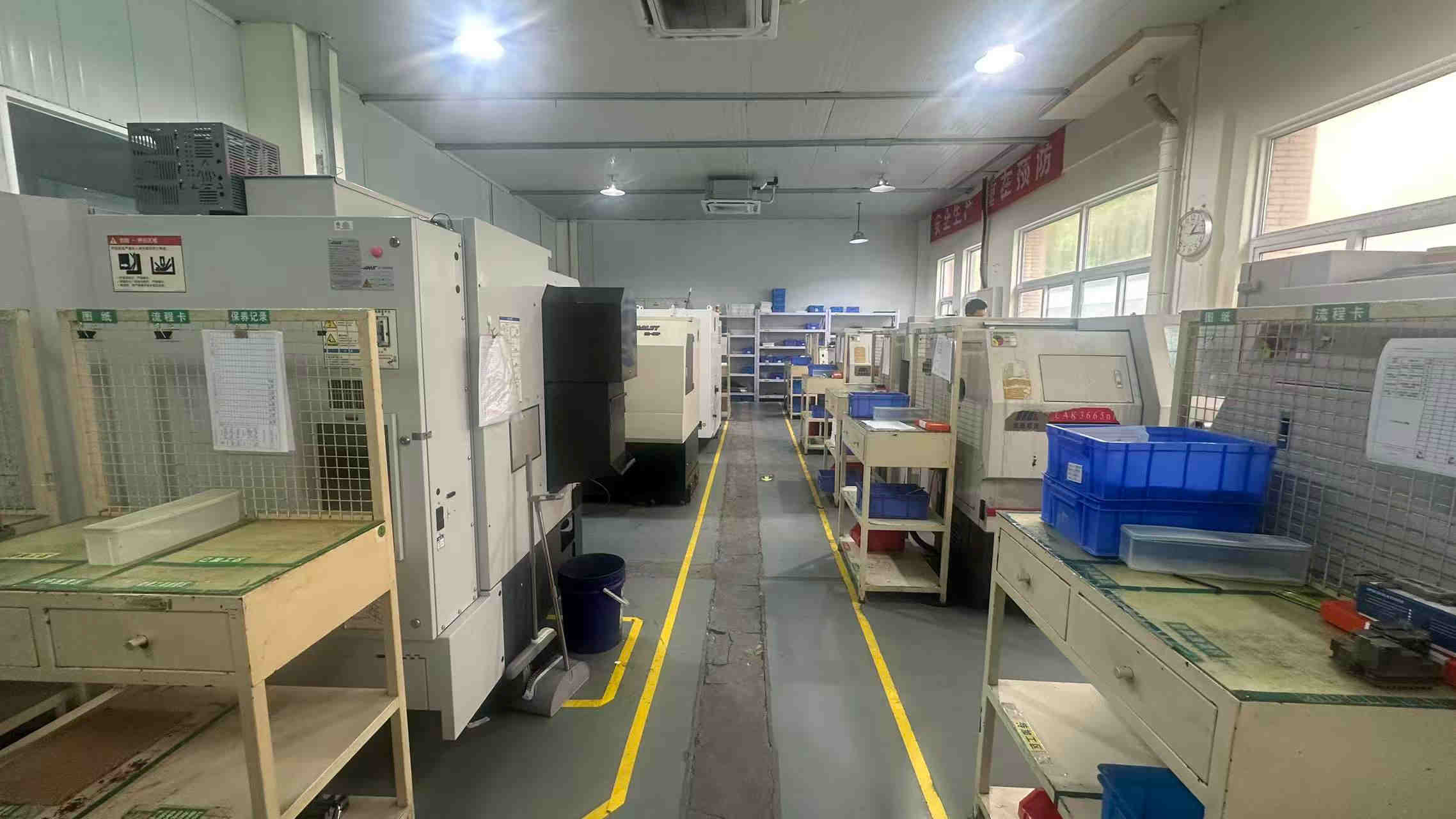
Founded in 2001, Chengdu Medev Medical Instruments Co., Ltd. has established itself as an elite global player in the research, design, validation, and manufacturing of state-of-the-art orthopedic implants and corresponding instrument sets. Operating from a highly standardized production footprint covering 18,000 m² (featuring a total floor area exceeding 15,000 m²), our enterprise is capitalized with a registered capital of 20 million Yuan.
For over two decades, we have remained committed to providing medical institutions, surgical distributors, and global OEM/ODM clients with clinical solutions that merge advanced metallurgical engineering with sterile integrity. Through continuous technical innovations and absolute adherence to quality, we safely supply over 1000+ satisfied clients across 120+ countries, maintaining surgical compliance in highly regulated markets.
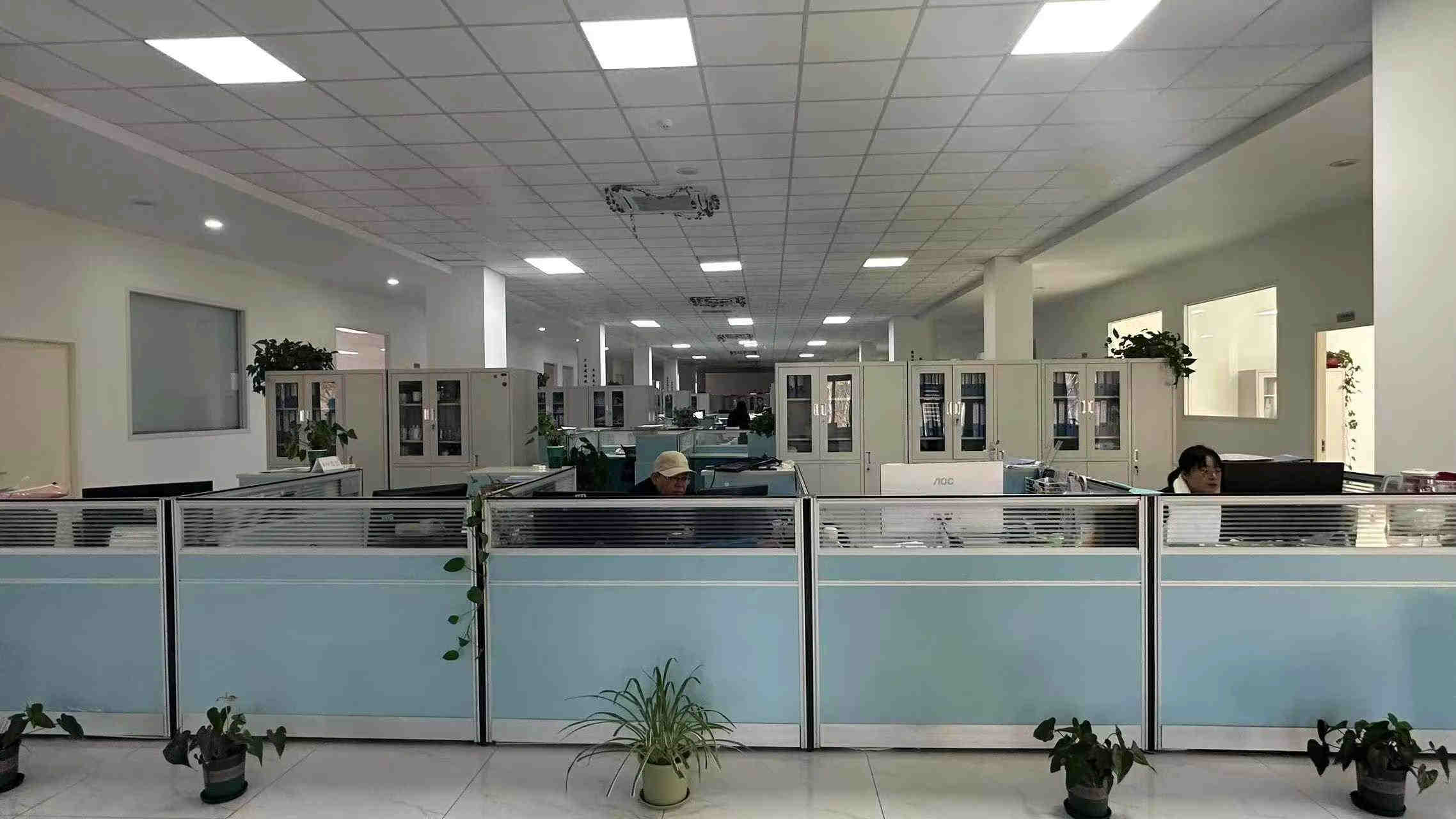
The global market for orthopedic implants and corresponding instrument sets is experiencing an unprecedented structural transformation. Driven by an aging worldwide population, rising incidences of physical trauma from industrialization, and an escalating demand for early mobility among active adults, the requirements placed on orthopedic instrumentation are more complex than ever. Globally, surgical procedures demand not only high-performing implants like intramedullary nails, pedicle screws, and joint prostheses but also specialized, robust instrument sets that allow surgeons to perform procedures efficiently, minimizing surgical times and patient trauma.
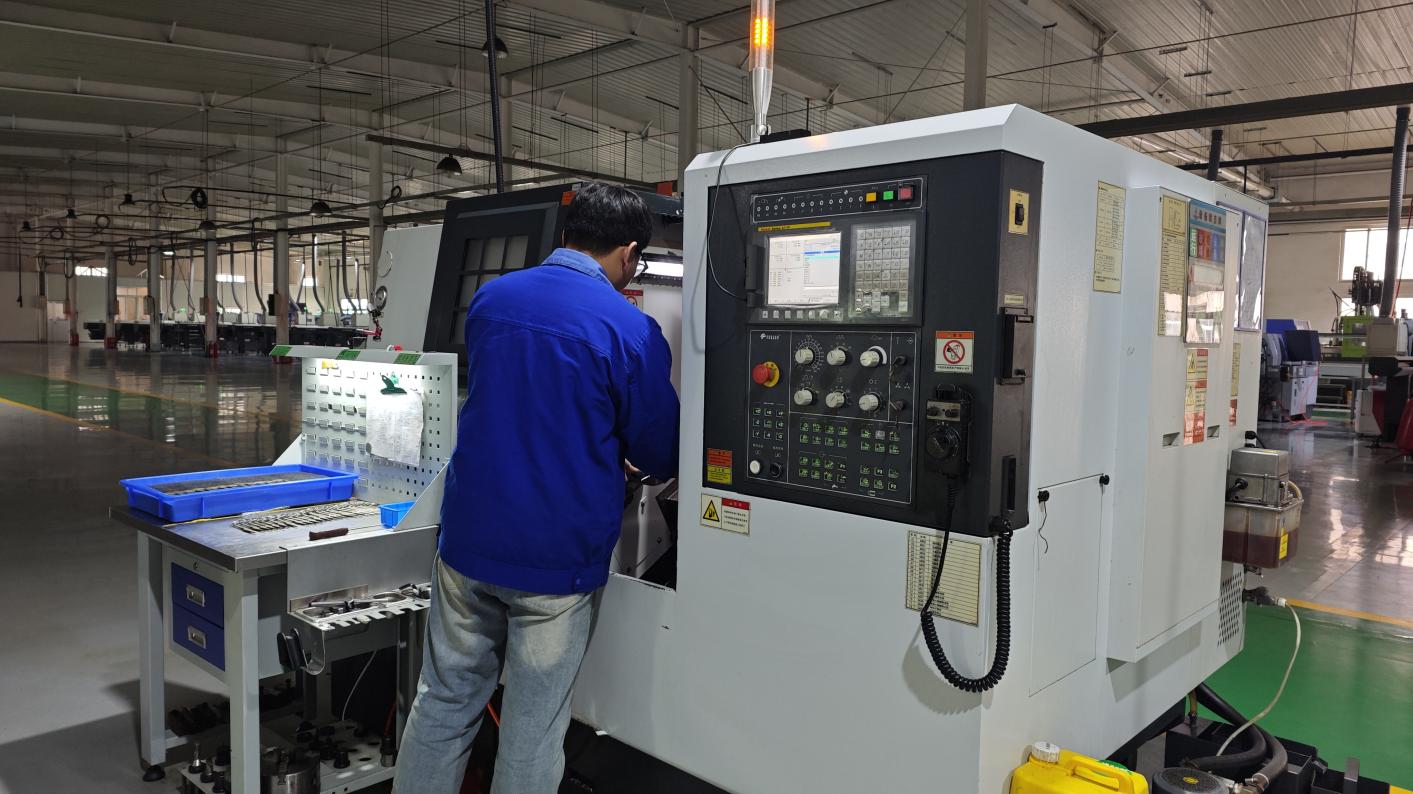
Historically, Western manufacturers dominated the high-end orthopedic space. However, over the past decade, Chinese manufacturers have closed the technology gap through heavy capital investment in high-precision CNC multi-axis milling, advanced metallurgy, and strict adherence to international quality protocols. Companies like Chengdu Medev Medical Instruments have led this transition, shifting the market paradigm from simple cost competition to high-value, high-reliability engineering. Today, Chinese medical exporters supply vital components and complex assembly kits globally, ensuring quality and affordability for healthcare systems undergoing intense fiscal pressures.
Developing and exporting orthopedic devices requires staying ahead of critical clinical trends:
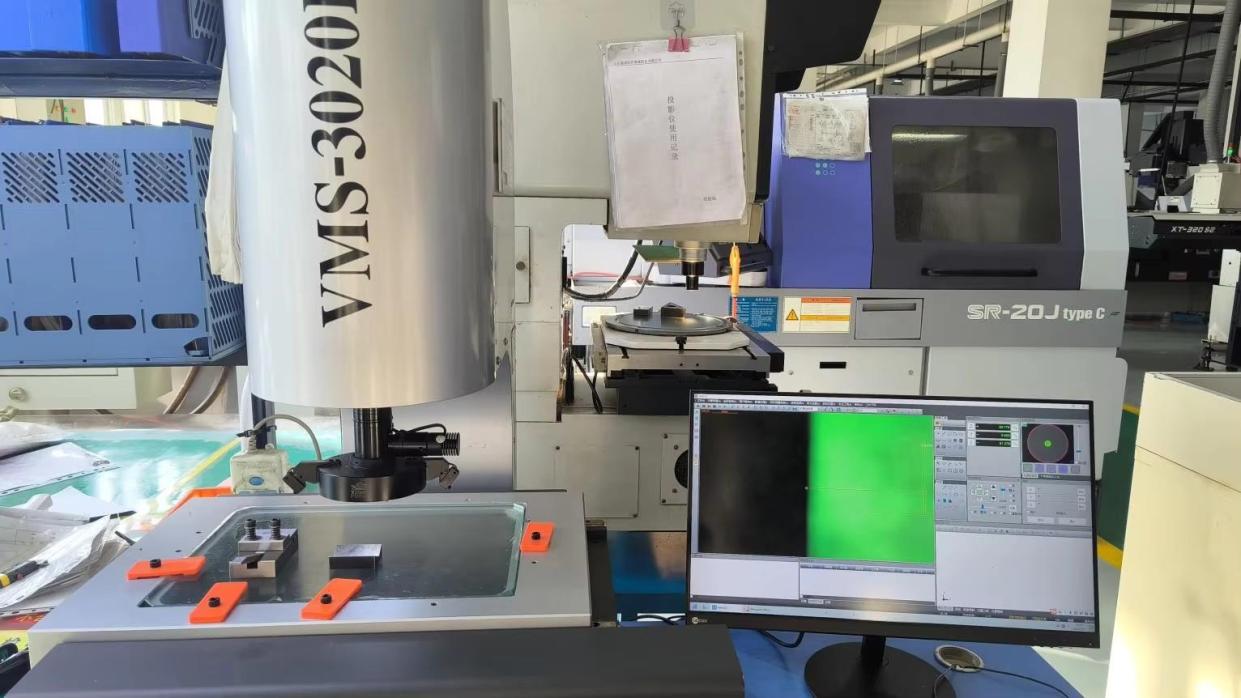
Our ISO-certified verification systems guarantee mechanical reliability and biological safety under extreme physiological conditions.
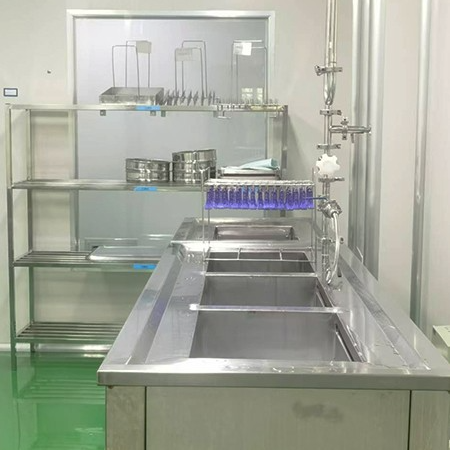
Implant surfaces are subjected to multi-stage ultrasonic wash protocols, eliminating manufacturing debris, residual oils, and bioburden, thereby minimizing post-operative infection risks.
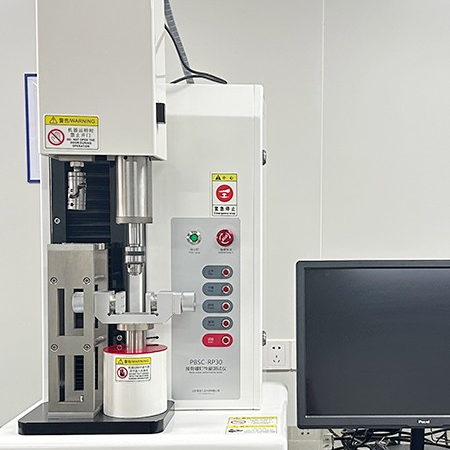
Simulating human body stresses through comprehensive testing of yield strength, elongation metrics, and ultimate tensile capacity. This guarantees structural integrity under cyclic loads.
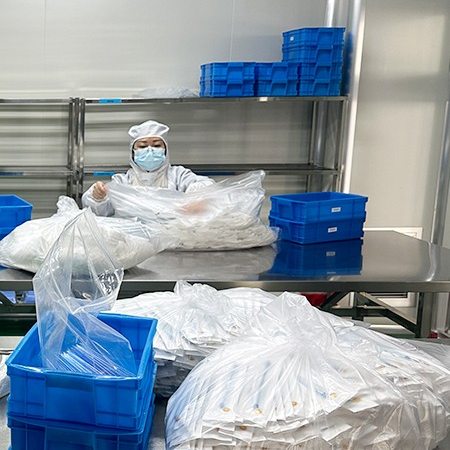
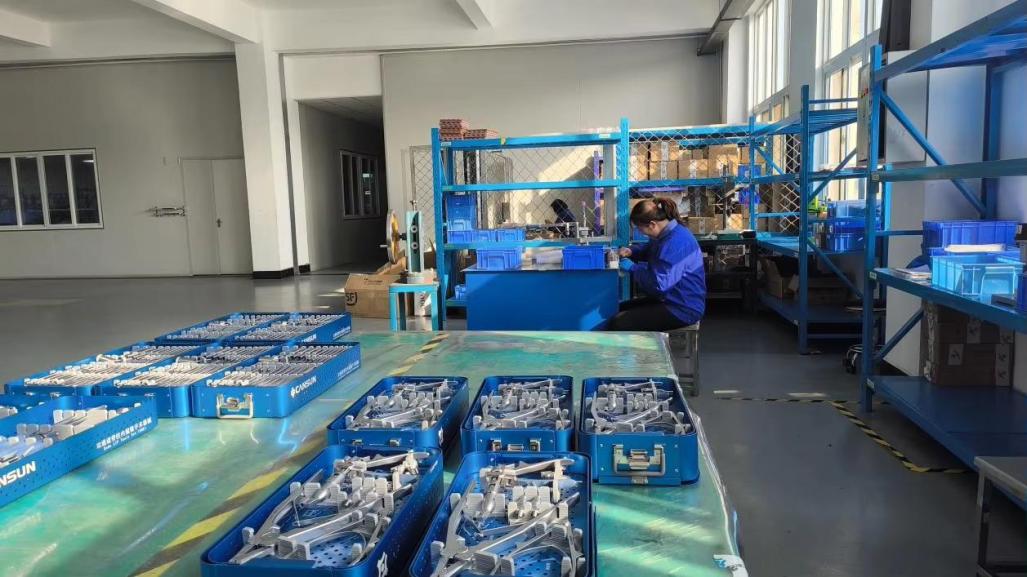
Conducted in ISO-compliant cleanrooms, utilizing heat-sealed barrier materials to prevent microbial ingress and ensure sterile integrity from our plant to the operating room.
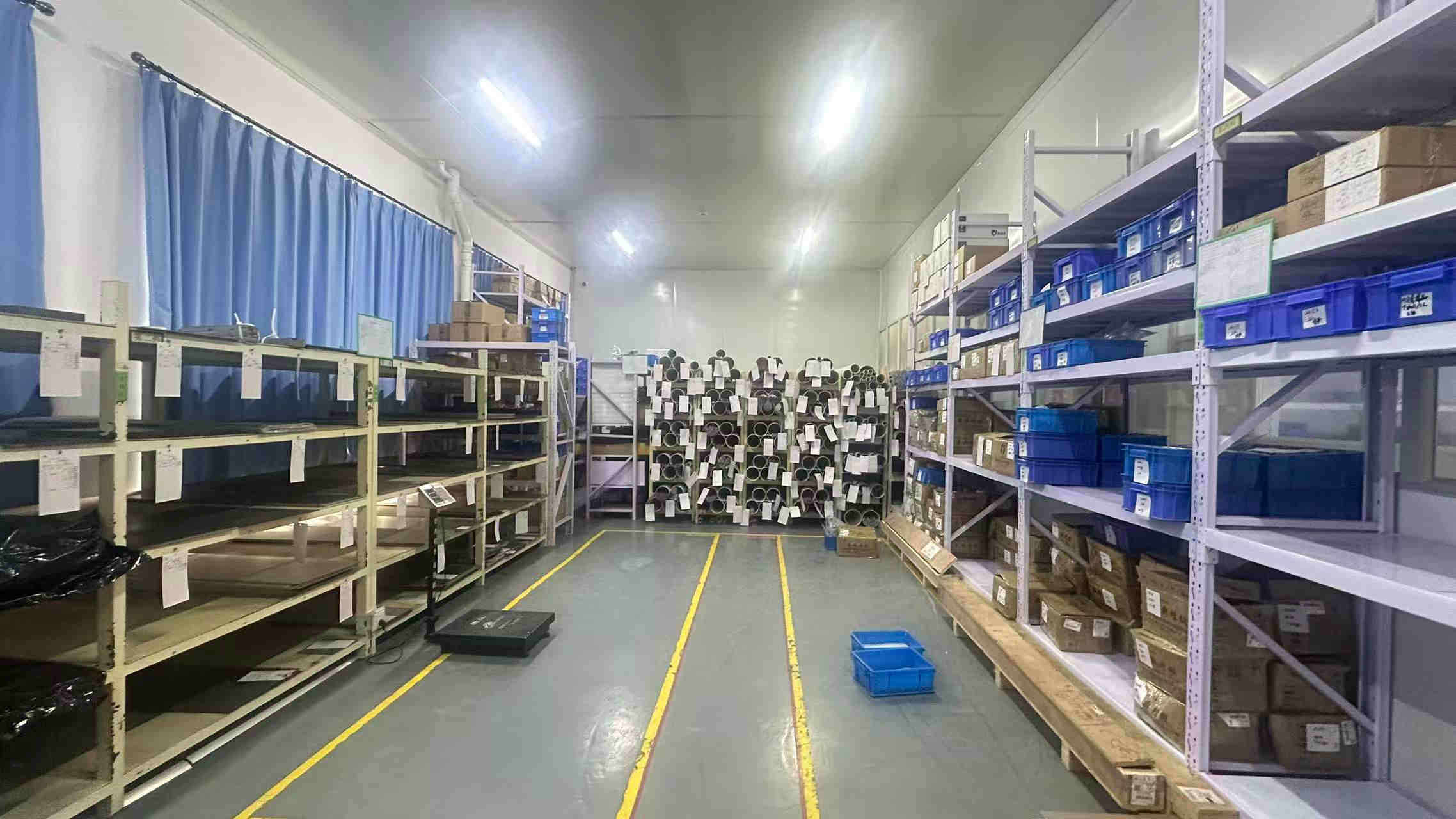
From metallurgical verification of raw materials to final packaging, every step follows strict medical device standards.
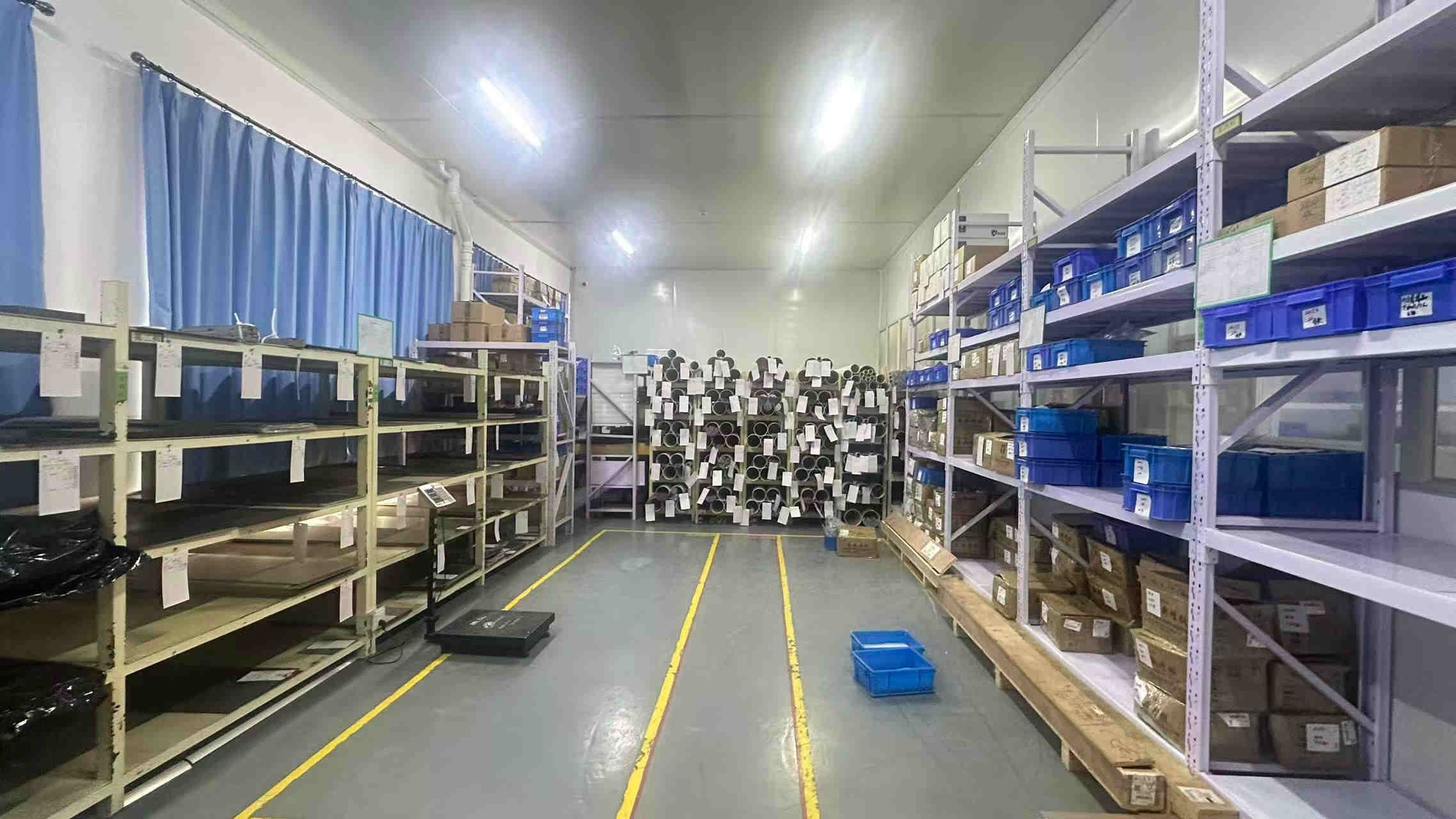
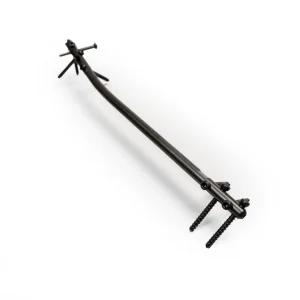
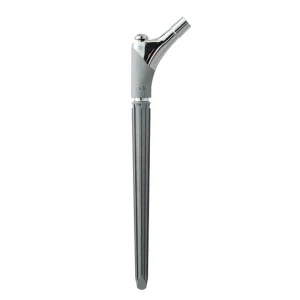
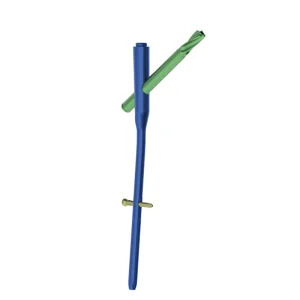
Orthopedic treatments vary significantly across regions due to local healthcare access, differences in patient anatomy, and regulatory frameworks. For example, in Western countries with aging demographics, there is high demand for joint arthroplasty sets (e.g., hip and knee replacements) designed to address osteoporotic bone structures. In contrast, emerging markets often require robust trauma fixation sets (such as external fixators and intramedullary nails) to treat high-velocity injuries from motor vehicle accidents.
Furthermore, local surgeons show distinct preferences for instrumentation design. In Europe, modular, lightweight, color-coded silicone-handled instrument sets are preferred to reduce surgeon fatigue and simplify sterilization. In the United States, there is a strong focus on high-efficiency, multi-functional instruments that combine steps (such as drilling and tapping) to minimize operating room time. Medev adapts to these regional variations by providing customized instrument kits that align with local surgical styles and meet regulatory standards, including CE marking and FDA compliance protocols.
The next decade will see a convergence of physical implants, advanced materials, and digital planning. At Medev, our long-term technical development focuses on three primary areas:
Faced with rising healthcare costs, hospitals and clinics need comprehensive partners rather than just transaction-based suppliers. Medev addresses this by offering complete surgical solutions that include the implant, specialized insertion instruments, clear sterilizable cases, and educational guides for clinical staff. This approach simplifies procurement, helps hospitals reduce inventory holding costs, and ensures that surgical teams always have everything they need for a procedure. By standardizing manufacturing tolerances across both implants and tools, we minimize the risk of mechanical mismatch during surgery, enhancing patient safety and operational efficiency.
Find answers to common questions about sourcing, quality verification, and clinical regulatory standards for orthopedic surgical instruments.
1. What grades of titanium alloy are used in your orthopedic implant manufacturing?
We use high-grade Medical Titanium Alloy (specifically Ti-6Al-4V ELI conforming to ASTM F136 standards). This grade offers excellent biocompatibility, mechanical strength, and fatigue resistance, making it ideal for permanent implants like pedicle screws and intramedullary nails.
2. How does Chengdu Medev ensure the sterility and cleanliness of implants before export?
Implants undergo a multi-stage ultrasonic cleaning process to remove chemical residues. They are then packaged in our certified cleanroom environment using high-barrier medical packaging material. This ensures they remain clean and protected until sterilized at the hospital.
3. Can you customize surgical instrument sets for OEM/ODM clients?
Yes. We offer comprehensive OEM/ODM services, including customized instrument configurations, color-coding, laser marking, and custom trays. This allows distributors to offer complete, branded solutions tailored to their local surgeons' preferences.
4. What mechanical testing do your orthopedic implants undergo?
Every production batch undergoes strict quality control, including tensile testing, yield strength verification, elongation measurements, and hardness testing. These tests ensure the implants can withstand the cyclic loads they will experience in the human body.
5. Are your implants and surgical instruments CE certified?
Yes, our systems are certified under relevant international standards, including ISO 13485 quality systems and CE certification for various implant lines. This allows us to export to countries in Europe, Asia, Latin America, and Africa with confidence.
Explore our targeted surgical instrument sets and implants for complex reconstruction, fracture management, and joint arthroplasty.
 Medev Medical