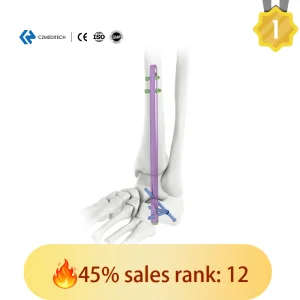
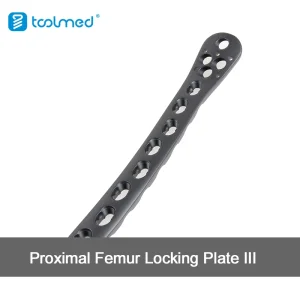
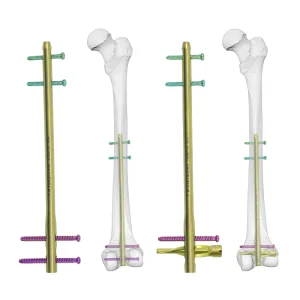
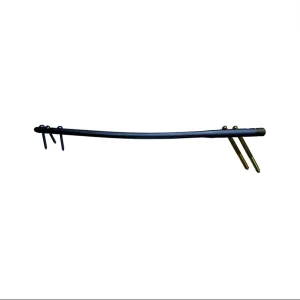
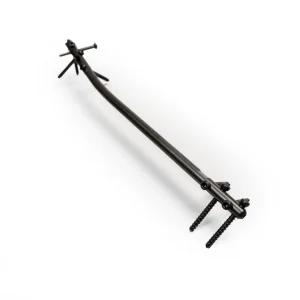
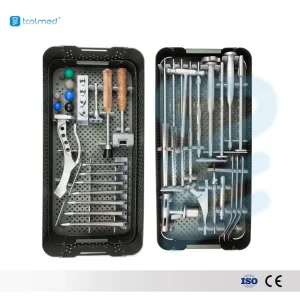
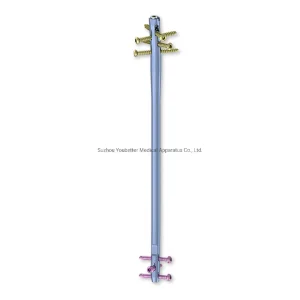
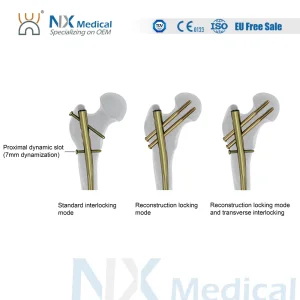
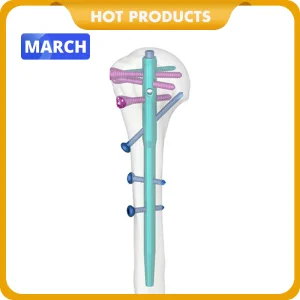
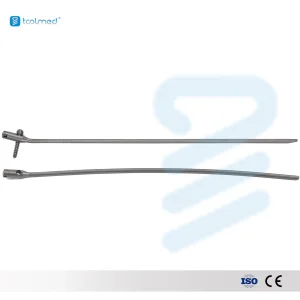
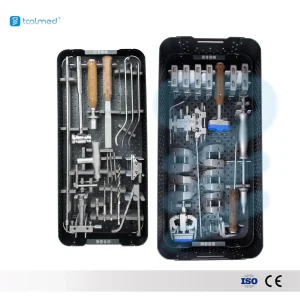
Featured PFNA Solutions
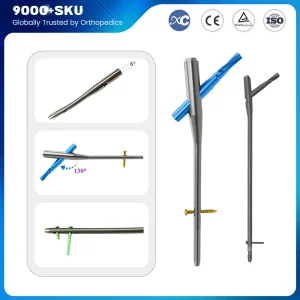
The global orthopedic trauma market is witnessing an unprecedented surge in demand for Proximal Femoral Nail Antirotation (PFNA) systems. As the worldwide population ages, the incidence of hip fractures—particularly trochanteric and subtrochanteric fractures—has reached critical levels. PFNA has emerged as the "gold standard" for internal fixation due to its biomechanical superiority.
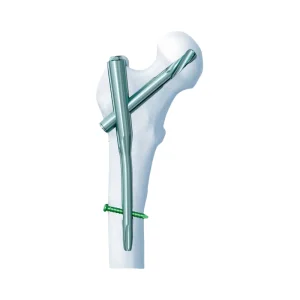
Unlike traditional nailing systems, the PFNA utilizes a helical blade rather than a traditional screw, providing enhanced compaction of the cancellous bone. This is vital for geriatric patients with osteoporotic bone structures, significantly reducing the risk of "cut-out" and rotation failure.
From the bustling surgical theaters in North America to the emerging medical centers in Southeast Asia and Latin America, hospitals are shifting toward PFNA for its efficiency in minimally invasive procedures, allowing for shorter hospital stays and faster patient rehabilitation.
 Future Trends in PFNA Manufacturing
Using advanced AI algorithms to simulate load-bearing scenarios, ensuring every PFNA nail provides optimal stress distribution and prevents periprosthetic fractures.

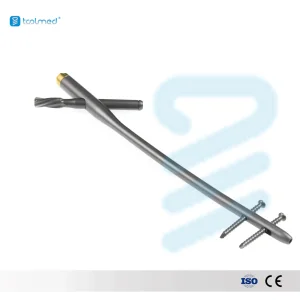
Modern manufacturing utilizes high-precision CNC machining to create anatomically curved nails that fit the natural bow of the femur, reducing insertion resistance.

Advanced Type II Anodization creates a hard, biocompatible surface that reduces friction and prevents cold welding between the nail and the interlocking components.
As a premier Proximal Femoral Nail Antirotation Factory, we leverage China's robust industrial ecosystem to provide high-end medical devices at competitive prices. Our facility in Chengdu is equipped with the latest Swiss-made longitudinal lathes and 5-axis machining centers.
Why choose us as your supplier?
 Global Procurement & Local Scenarios
Global procurement for PFNA systems is no longer just about the unit price. Today’s international distributors and hospital groups prioritize Regulatory Compliance and Clinical Support. Our PFNA systems are designed to meet ISO 13485 standards, making them suitable for registration in various regions across the EU, Middle East, and Africa.
In Local Application Scenarios, the PFNA is indispensable. In Level 1 Trauma Centers, speed is of the essence. The PFNA’s streamlined instrumentation—including one-step insertion of the helical blade—significantly reduces "time-under-anesthesia" for the patient. In Geriatric Wards, the anti-rotation feature is a lifesaver for patients with severe bone loss, ensuring the implant stays secure even during early weight-bearing exercises.
Furthermore, for Distributors, we provide comprehensive OEM/ODM services, allowing you to build your brand identity while relying on our proven manufacturing technology. We provide training videos, surgical technique guides, and localized marketing materials to help our partners succeed in their respective territories.
 About Chengdu Medev Medical Instruments Co., Ltd.
Chengdu Medev Medical Instruments Co., Ltd. was founded in 2001, covers an area of 18,000 ㎡, including a floor area of over 15,000 ㎡. Its registered capital reaches 20 million Yuan. which is specialized in product research, design and manufacturing of orthopedic implant instruments. As the leader in orthopedic implants and instruments manufacturing, We have been successfully supplying to 1000+ clients in 120+ countries for over 20 years thanks to extensive know-how and expertise. We adhere to the ‘people-oriented, integrity first, continuous innovation, the pursuit of excellence,’ the concept of guarding human health!
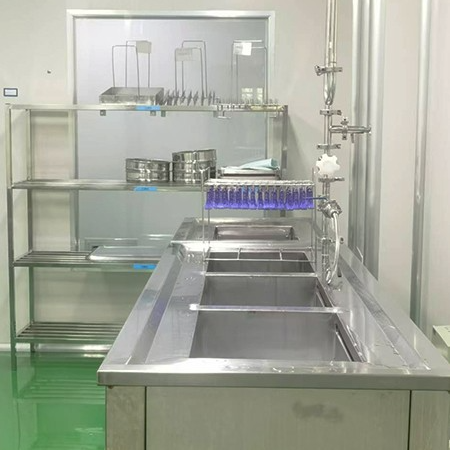
Cleaned implants have a cleaner surface, helping to reduce the risk of post-operative infection. Ensures that the implant is safer to apply to the patient during surgery.
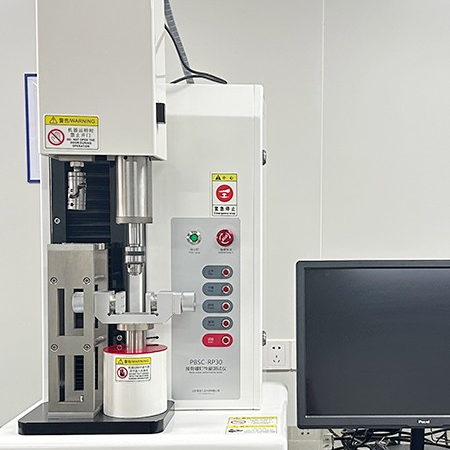
Tests the tensile strength, yield strength and elongation of materials. Simulates the tensile forces to which the implant is subjected in the body.
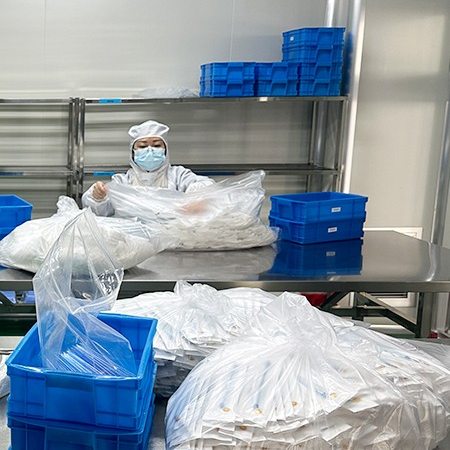
Packaging should ensure a good seal to prevent the entry of external contaminants. Use heat sealing, pressing or gluing to ensure the integrity of the package.
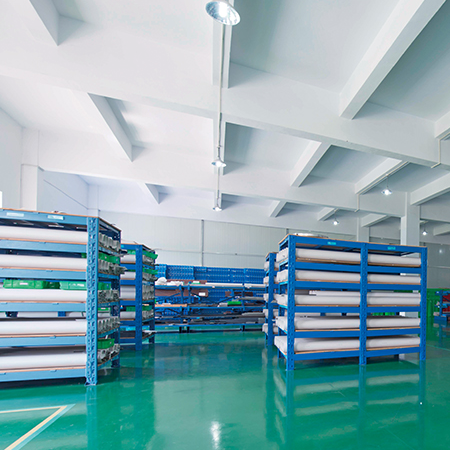
 More Orthopedic Trauma Solutions
Choosing the right China PFNA Factory involves understanding the technical nuances that separate a premium implant from a standard one. PFNA is designed primarily for the treatment of proximal femur fractures, which occur at the top of the thigh bone near the hip joint. These fractures are notoriously difficult to treat due to the high mechanical stress on the area.
One of the core features of the PFNA (Proximal Femoral Nail Antirotation) is the helical blade. Unlike a lag screw that removes bone material during insertion, the helical blade compresses the surrounding bone. This compaction creates a more stable interface, which is critical for patients with osteoporosis. The "antirotation" aspect refers to the blade's ability to prevent the femoral head from rotating around the axis of the implant, a common cause of surgery failure in older designs.
While stainless steel was once the standard, modern PFNA suppliers primarily offer Titanium Alloy (Ti6Al4V). Titanium has a lower modulus of elasticity, which is closer to that of human bone. This reduces the "stress shielding" effect, where the implant takes too much of the load and causes the bone to weaken over time. Additionally, titanium is highly biocompatible and offers superior MRI compatibility.
When sourcing from a China Top Proximal Femoral Nail Antirotation Supplier, it is vital to audit their quality control systems. A top-tier factory like Chengdu Medev utilizes multi-stage inspections, including coordinate measuring machines (CMM) to ensure every nail matches the CAD design within microns. Every batch of PFNA nails must undergo rigorous testing, including fatigue testing that simulates millions of walking cycles to ensure the implant will not fail inside the patient.
The industry is currently moving towards Digital Orthopedics. This includes 3D surgical planning where the PFNA size and angle are determined before the first incision is made. As a forward-thinking factory, we are integrating these digital requirements into our manufacturing protocols, ensuring our instruments are compatible with the latest surgical navigation systems used in world-class hospitals.
In conclusion, whether you are a trauma surgeon seeking reliable implants for your patients or a medical device distributor looking for a long-term manufacturing partner in China, understanding the deep technological roots and the industrial advantages of modern PFNA production is key. We are committed to maintaining our position as a leader in this field through continuous innovation and an unwavering focus on quality.
 Medev Medical