🛠️
Product Description
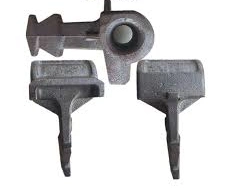
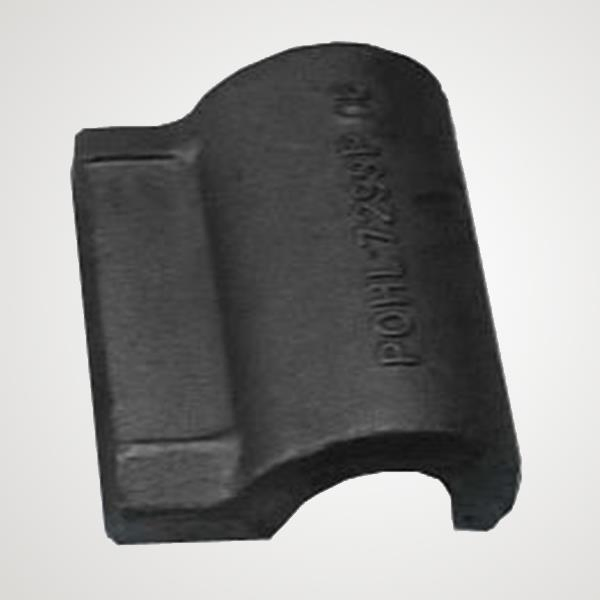
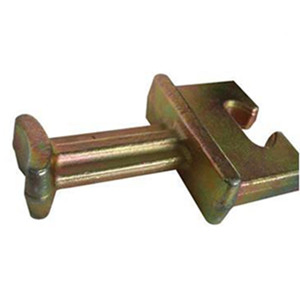
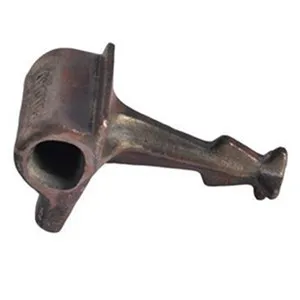
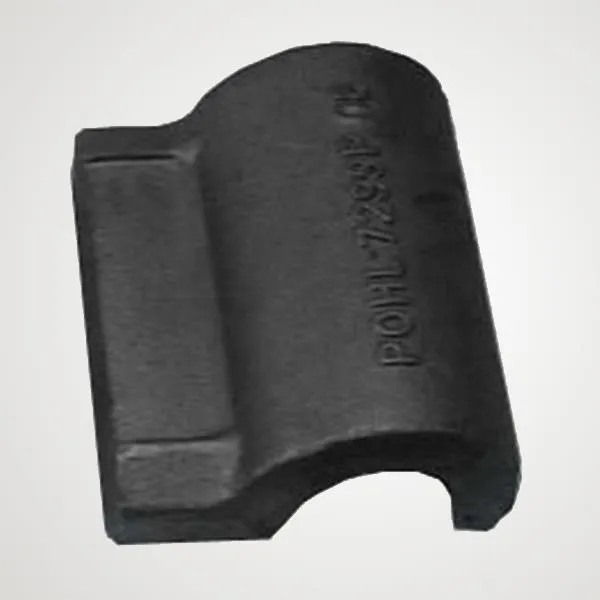
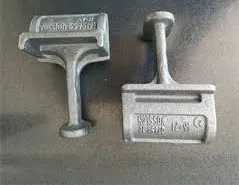
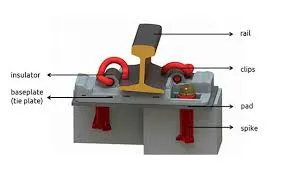
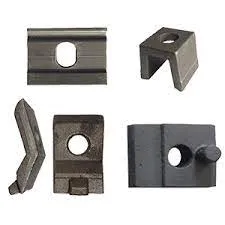
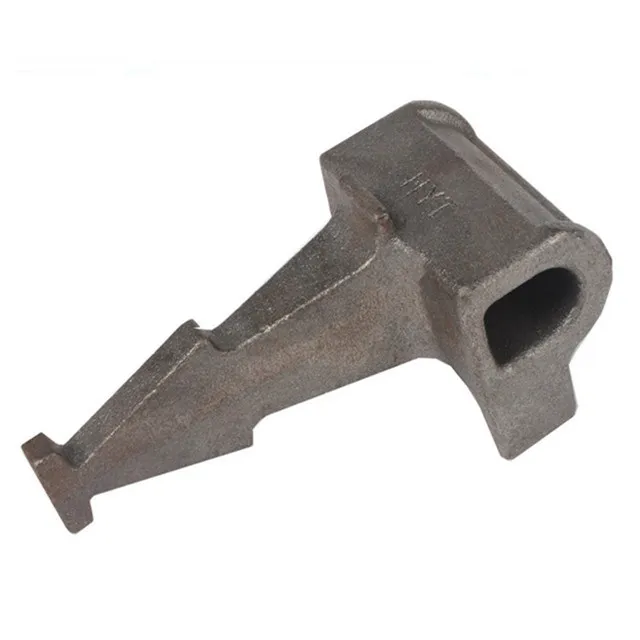
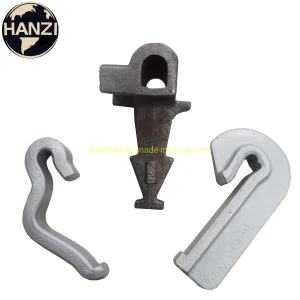
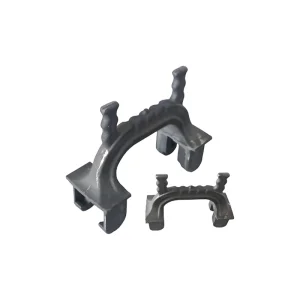
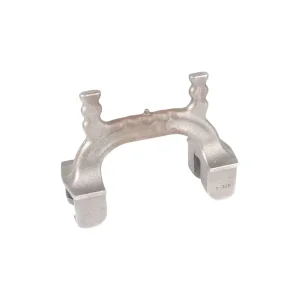
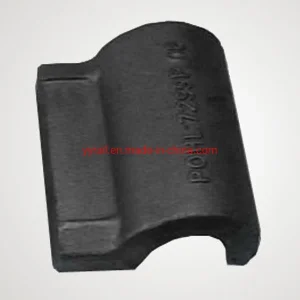
Rail shoulder is cast in the concrete rail ties to fix the elastic rail clips. There are two types of rail shoulders available, the cast-in shoulder and the weld-on shoulder, both of which are used for the fixing of elastic rail clips.
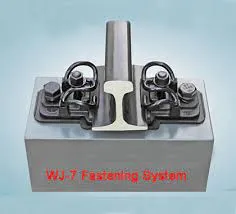
The casting shoulders as the embedded part of the railway fastening system are pressed in concrete sleeper and work together with the E clip to fasten the rail. The cast-in shoulder is made by casting from iron, such as GB/T 1348-1988, NF EN 1563(1997), ISO1038, DIN 1693, JIS G5502 (2001), KS D 4302, GOST 7293(1985) or BS EN 1563(1997).
| Material Specs |
Standard |
Tensile Strength |
Yield Strength |
Hardness |
| QT500-7 |
GB 1348-88 |
≥500 Mpa |
≥320 Mpa |
170~230HB |
| QT450-10 |
GB 1348-88 |
≥450 Mpa |
≥310 Mpa |
160~210HB |
| QT400-15 |
GB 1348-89 |
≥400 Mpa |
≥250 Mpa |
130~180HB |
Available Types of Rail Shoulder
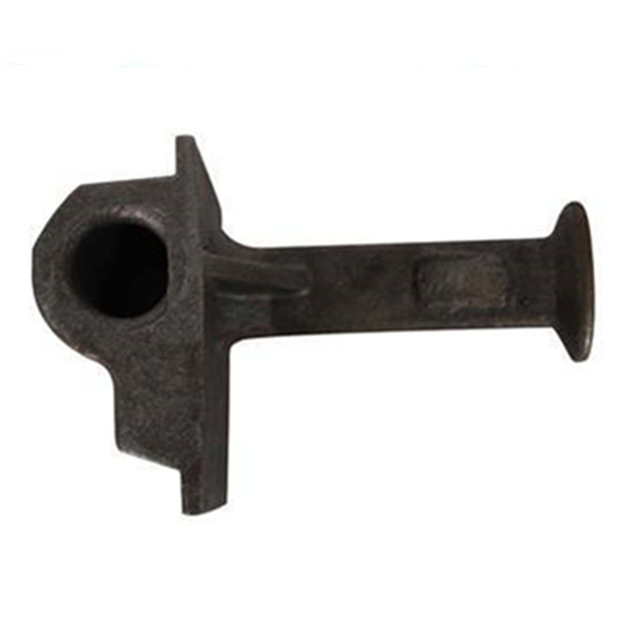
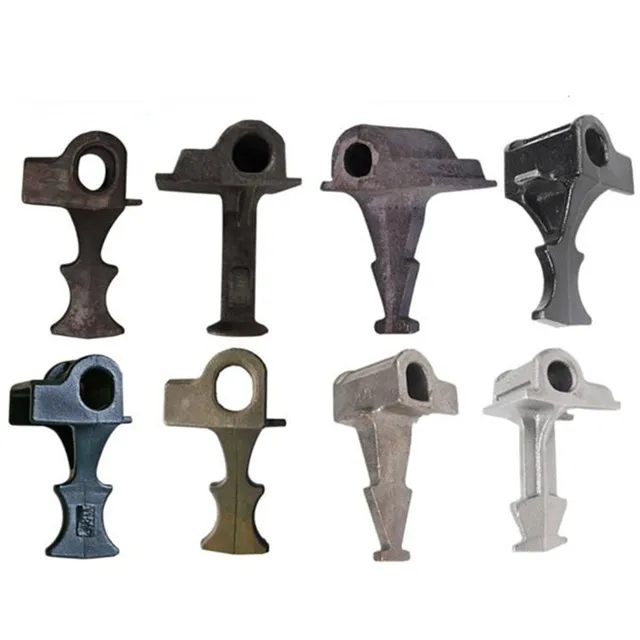
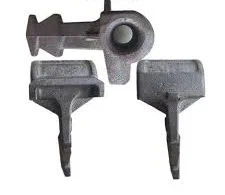
The Rail shoulder is a semi-embedded part cast in the concrete rail ties to fix the elastic rail clip to the base plate. There are two common types of rail shoulders available: Cast-in Shoulder and Weld-on Shoulder. One is the Single Stem Iron Shoulder used in pre-stressed concrete ties, and the other is the Twin Stem Iron Shoulder used in Bi-Block or Twin Block concrete ties.
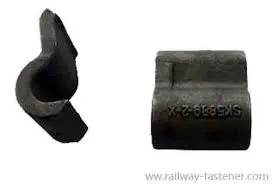
Cast-in Rail Shoulder: Pressed in concrete sleepers and works together with E clips. Made from high-quality cast iron standards.
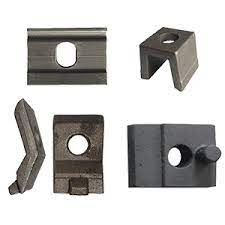
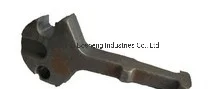
Weld-on Rail Shoulder: Used at typical positions where the shoulder is welded on a flat steel plate. Production method involves hot forging using low or medium carbon steel.
Mechanical Properties & Chemical Composition
| Material |
C (%) |
Si (%) |
Mn (%) |
P (%) |
S (%) |
| QT400-15 |
3.6-3.8 |
3.0-3.2 |
0.5 |
0.07 |
0.02 |
| QT450-10 |
3.4-3.9 |
2.7-3.0 |
0.5 |
0.07 |
0.03 |
| QT500-7 |
3.4-3.8 |
2.5-2.9 |
0.6 |
0.08 |
0.025 |
Applications
| Material |
Application Details |
| QT400-15 |
115RE, 50kg rail, 60kg rail, BS80lbs, BS100lbs, etc. |
| QT450-10 |
UIC60 rail systems |
| QT500-7 |
UIC54 rail systems |
Frequently Asked Questions
What are the primary functions of a rail shoulder?
The rail shoulder is used to fix elastic rail clips to the base plate or concrete ties, ensuring the stability and alignment of the railway tracks.
What is the difference between cast-in and weld-on shoulders?
Cast-in shoulders are embedded directly into concrete sleepers during manufacturing, while weld-on shoulders are typically welded onto flat steel plates for specific rail geometry requirements.
What materials are used for QT500-7 rail shoulders?
They are made of high-quality ductile cast iron (spheroidal graphite iron) meeting standards such as GB/T 1348, DIN 1693, or ISO1038.
Can these rail shoulders be customized?
Yes, rail shoulders can be customized in terms of dimensions and material grades to meet specific railway project requirements and international standards.
What rail types are compatible with these shoulders?
They are compatible with various rail types including UIC54, UIC60, 115RE, 50kg rail, 60kg rail, and several BS standards.
What is the daily production capacity for these components?
The current production capacity is approximately 20,000 pieces per day, ensuring stable supply for large-scale infrastructure projects.
 Medev Medical