Medev Medical
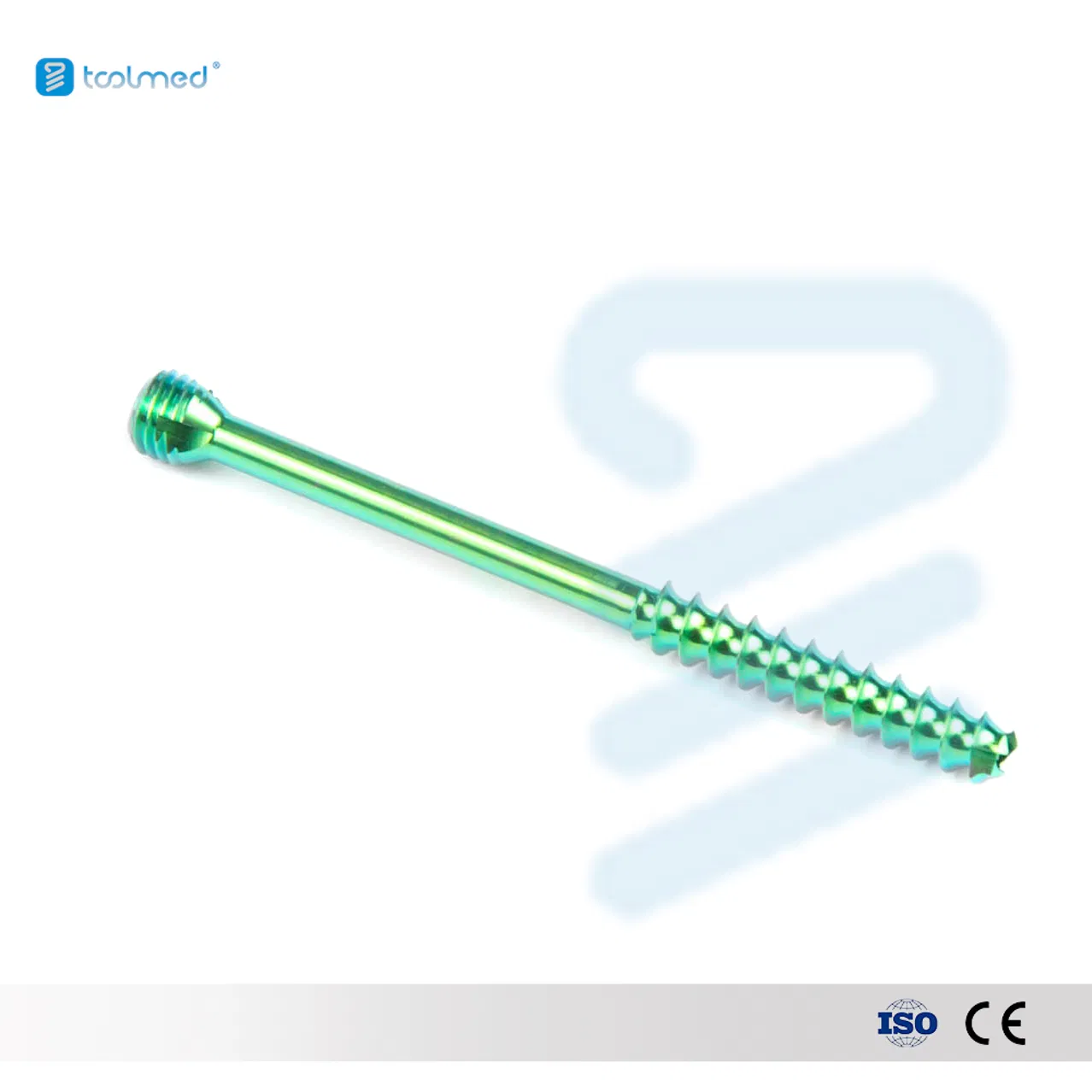
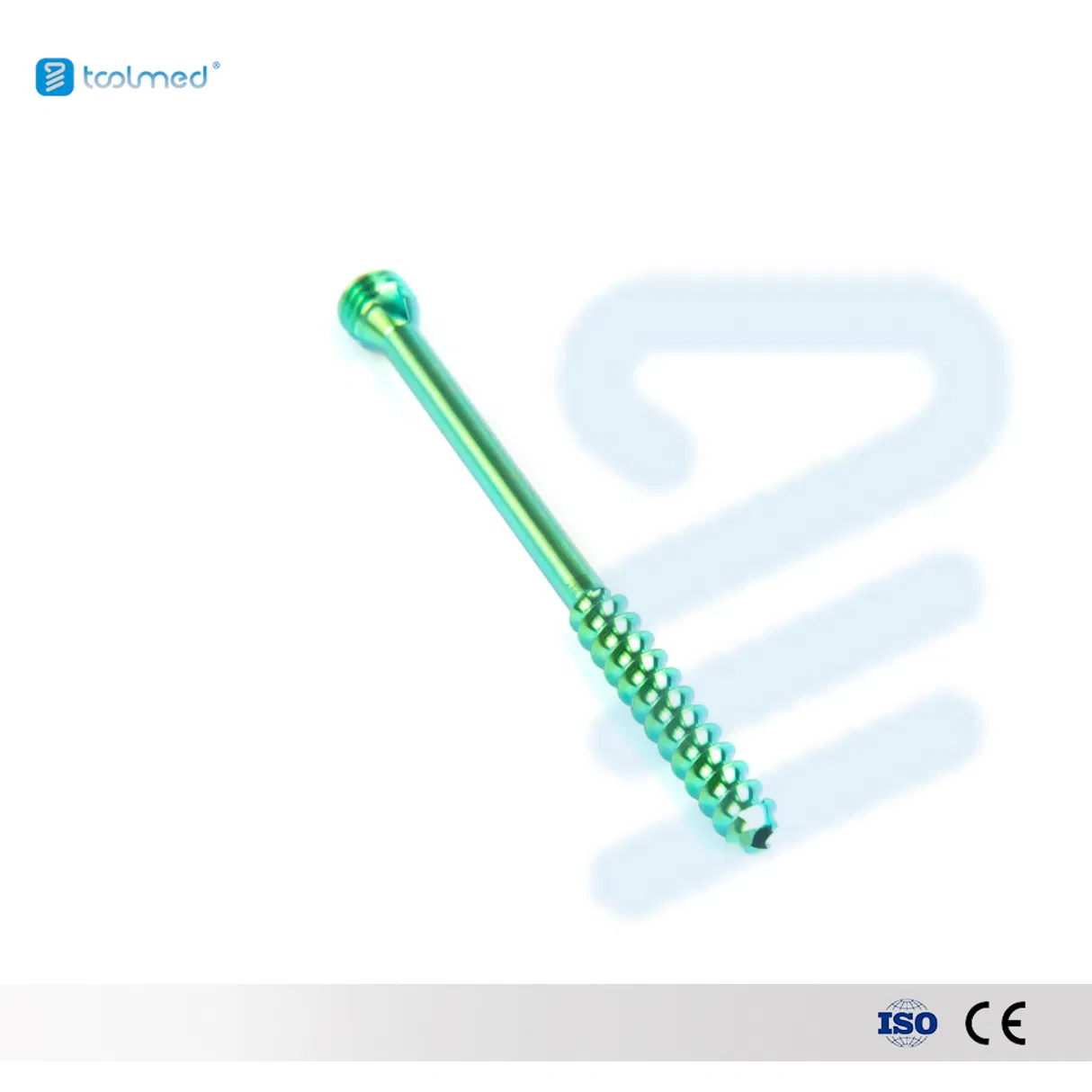
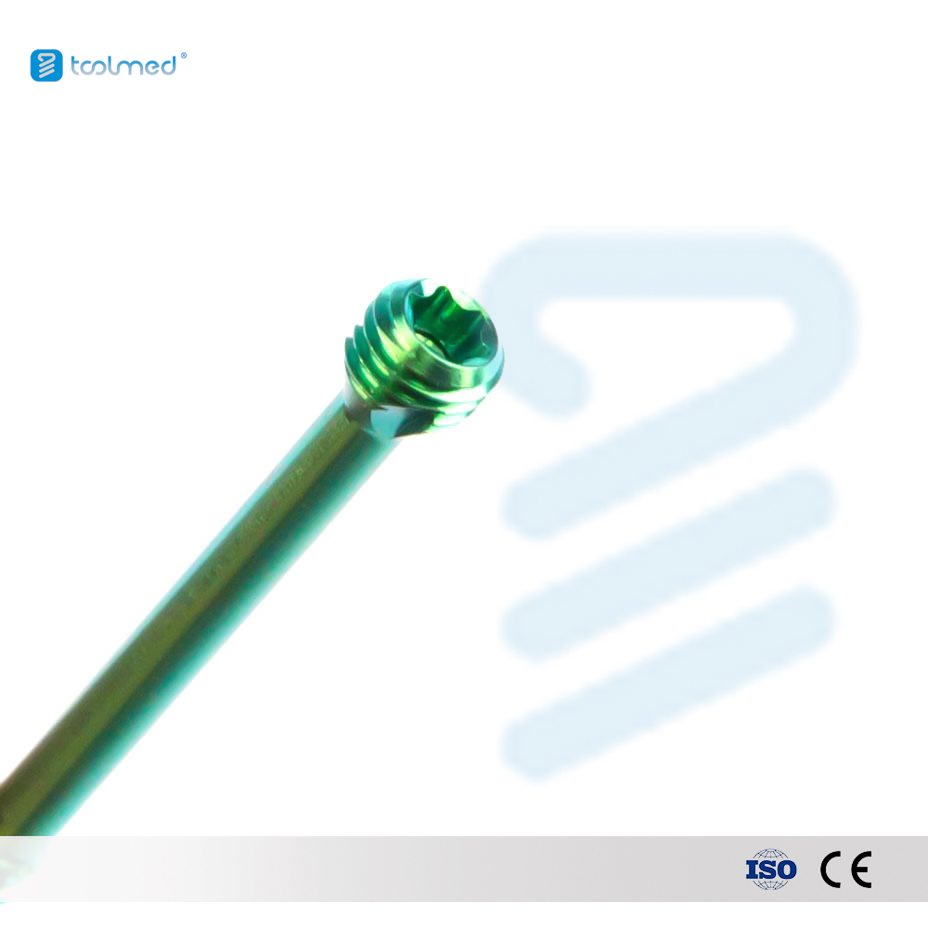
1 / 5
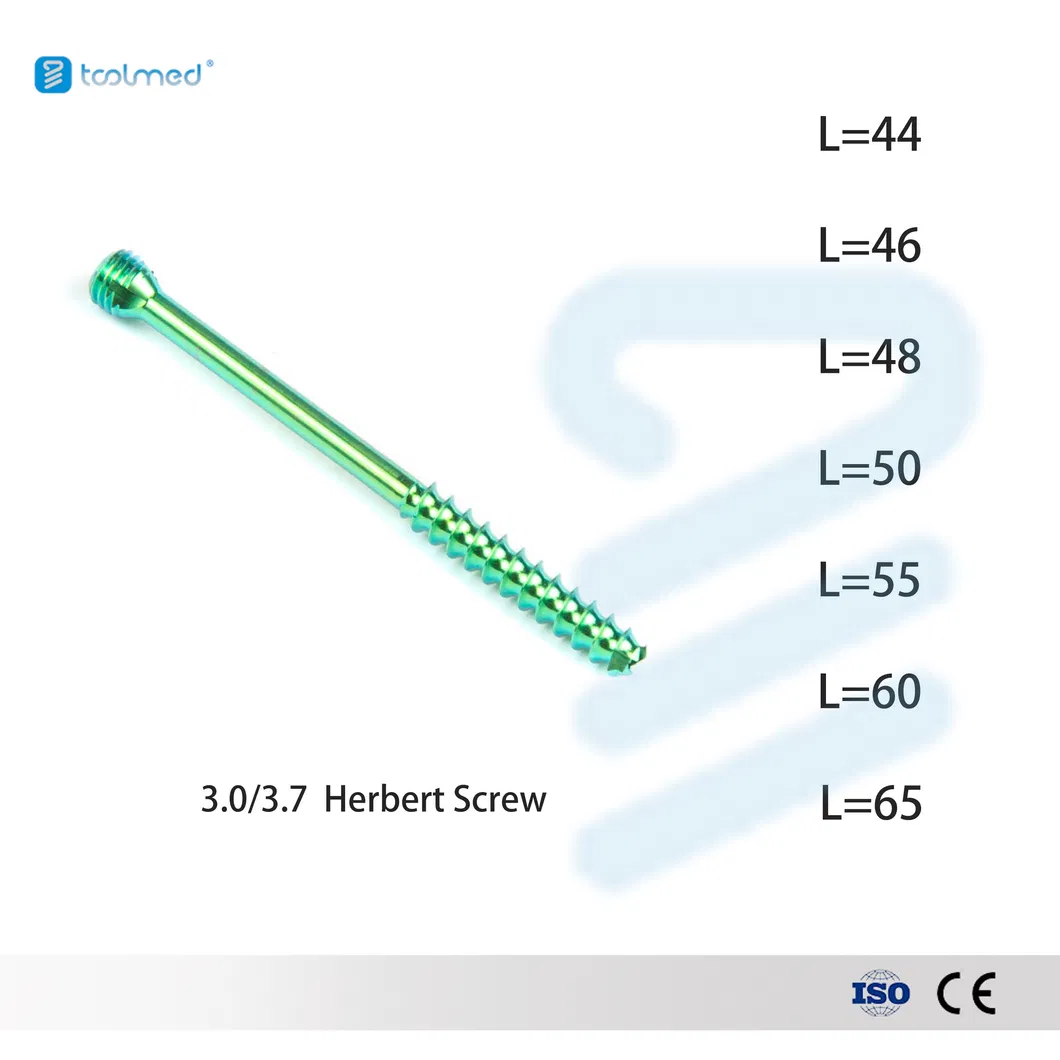
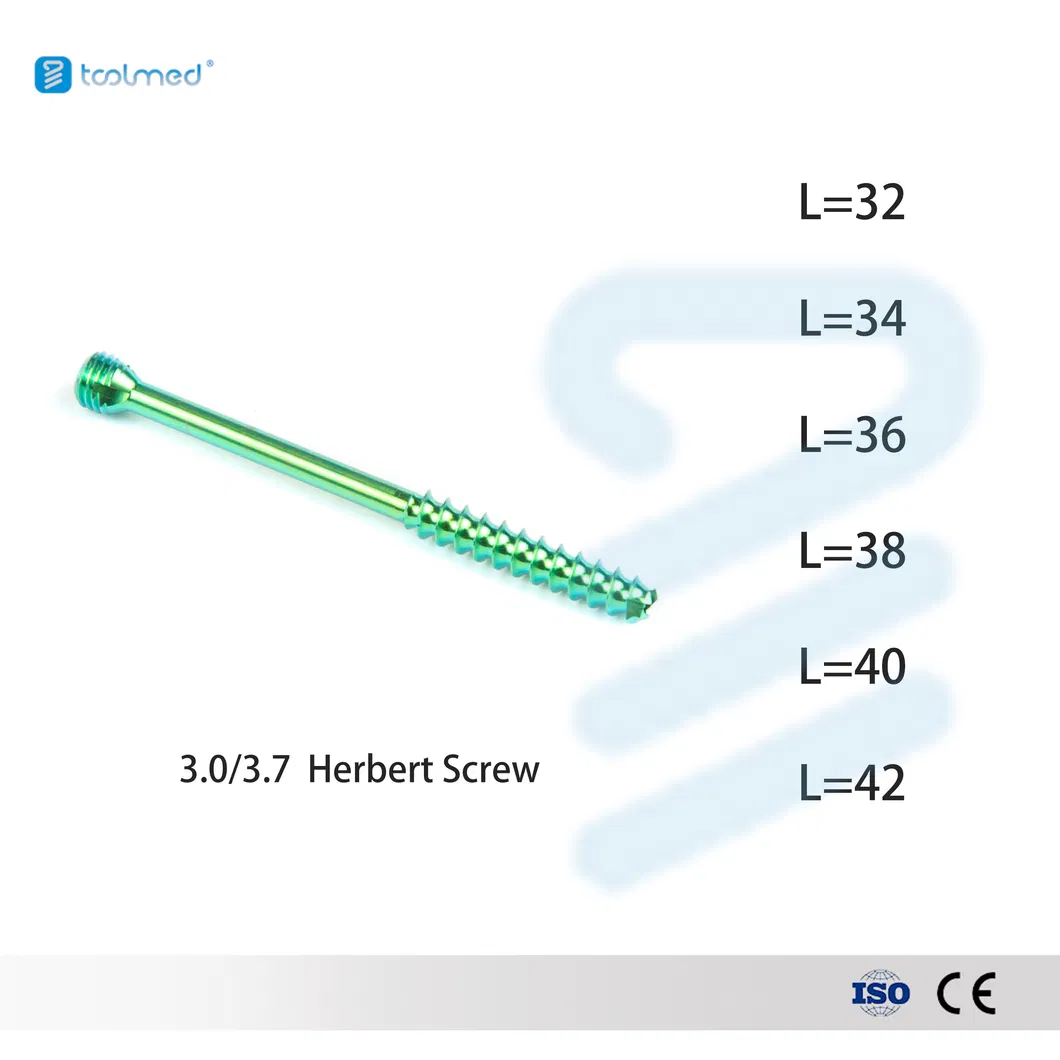
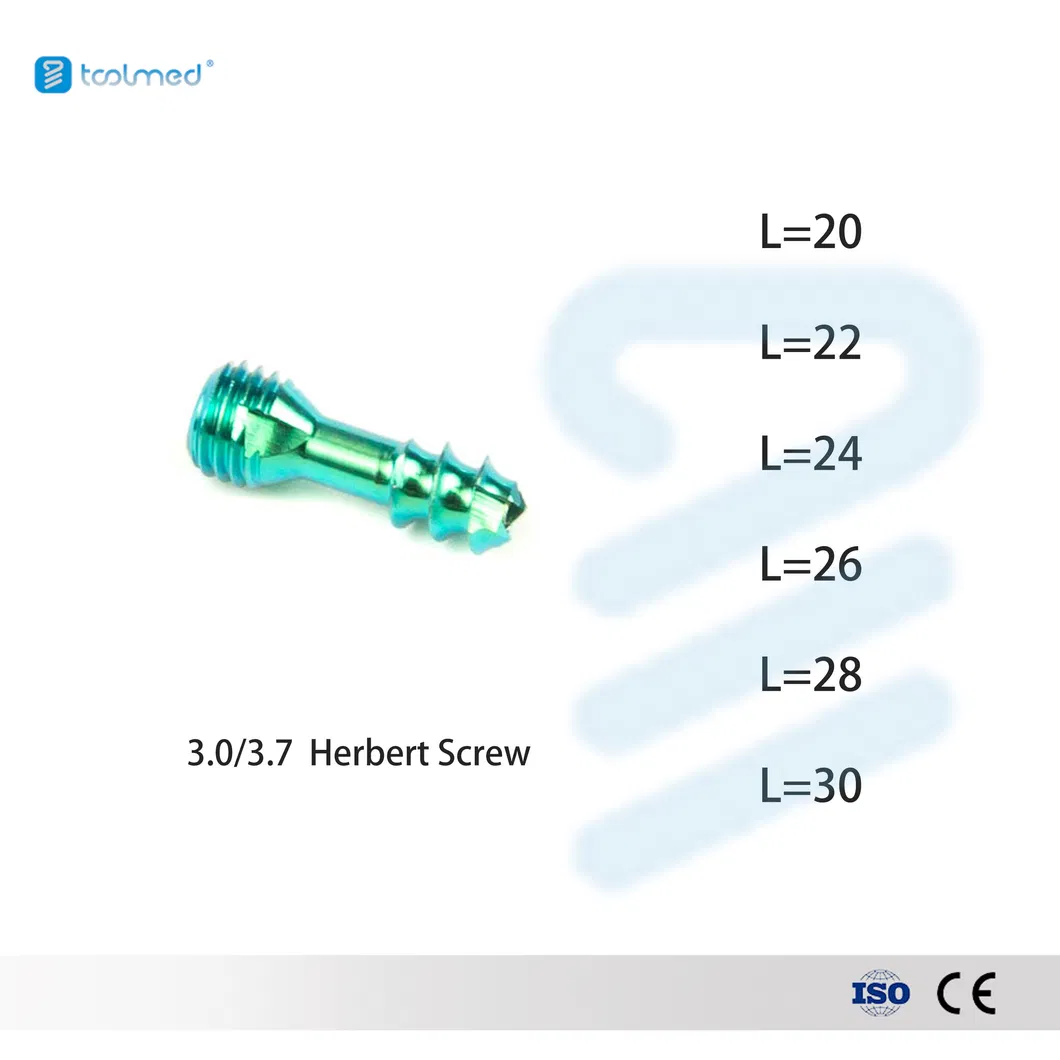
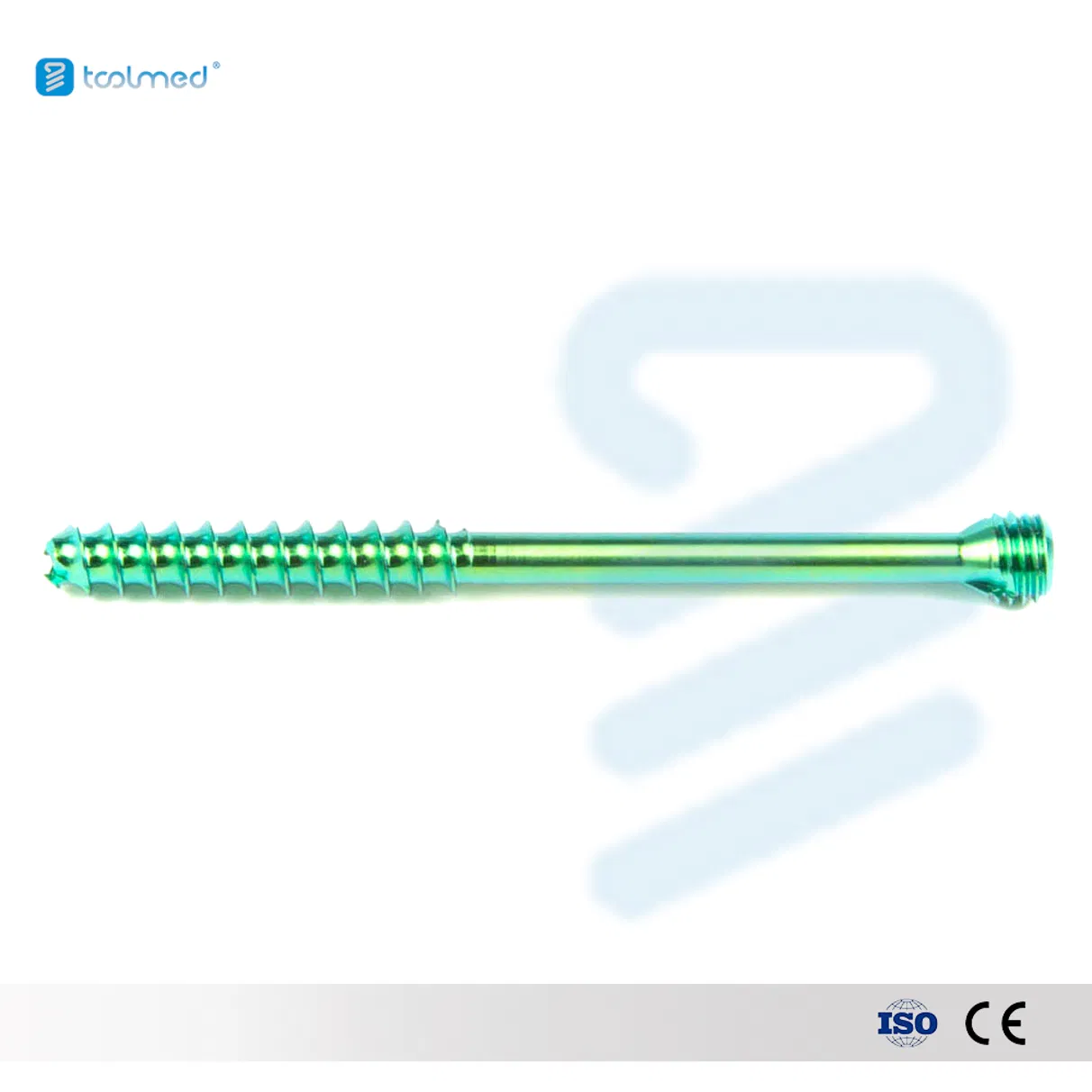
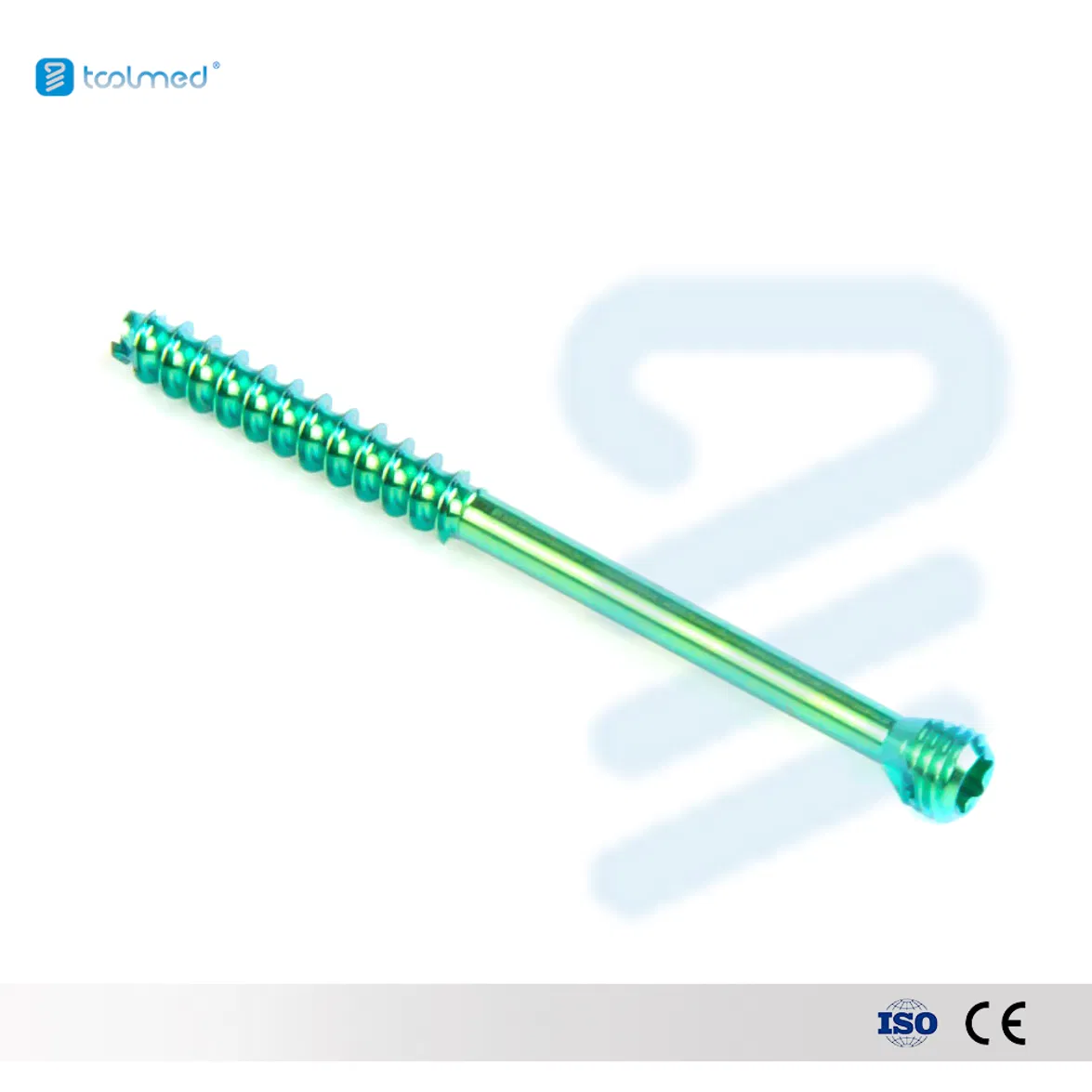
| Product Code | Description | Dimension (D*L) | Material |
|---|---|---|---|
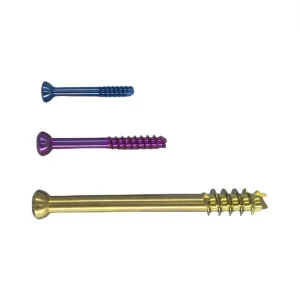
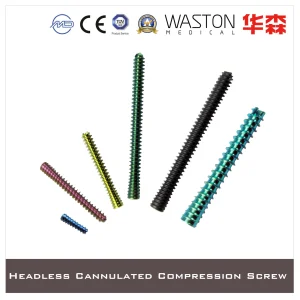
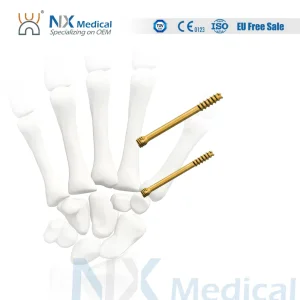
| T3601-0101 to 0111 | Herbert Cannulated Compression Screw (Hex) | 2.5mm * (10-30mm) | TC4 |
| T3601-0201 to 0209 | 3.0mm * (14-30mm) | TC4 | |
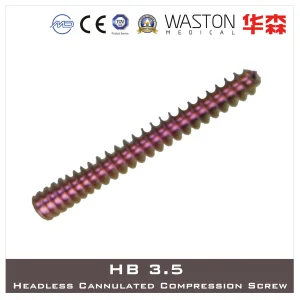
| T3601-0301 to 0314 | 3.5mm * (14-40mm) | TC4 | |
| T3601-0401 to 0413 | 4.0mm * (26-50mm) | TC4 |
Make a small 1-3 cm incision near the fracture site, avoiding important nerves and blood vessels. Gently separate soft tissues layer by layer to fully expose the fracture end.
Use manual traction and rotation to restore the fracture to its normal anatomical position. Monitor continuously under C-arm fluoroscopy for accuracy.
Determine the entry point based on fracture direction. Under fluoroscopic guidance, insert the guide wire until it reaches the appropriate position at the far end.
Measure the required length using dedicated tools. Select a cannulated drill bit and drill along the guide wire using irrigation solution to prevent thermal injury.
Mount the screw manually over the guide wire. Turning the sleeve will close and compress the fracture. Advance the screw until the head is flush with the bone.
Irrigate the wound with normal saline. Suture in layers (muscles, fascia, then skin) and apply appropriate dressing or splints for healing assistant.
What is a Cannulated Headless Compression Screw (CHCS)?
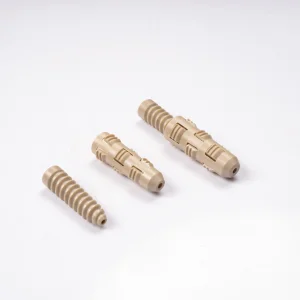
The Headless Compression Screw is a specialized orthopedic implant used for scaphoid and long bone fracture fixation. Unlike traditional screws with protruding heads, CHCS is designed to be countersunk below the articular surface, generating significant compression across the fracture site to promote faster healing.
Key Advantages: