Medev Medical
1 / 5
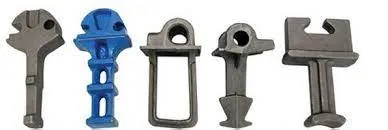
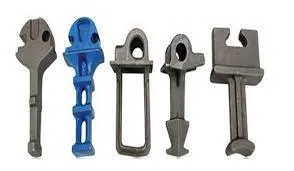
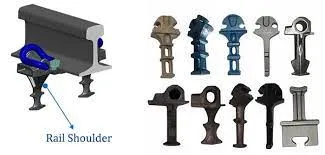
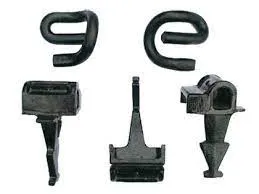
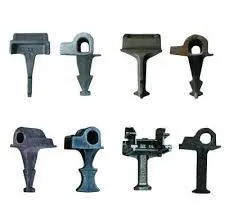
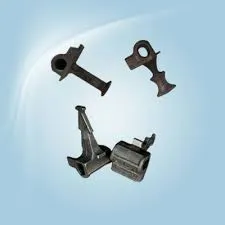
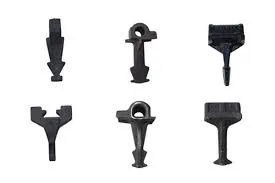
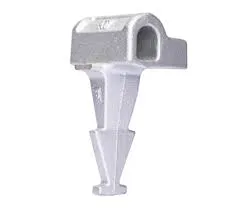
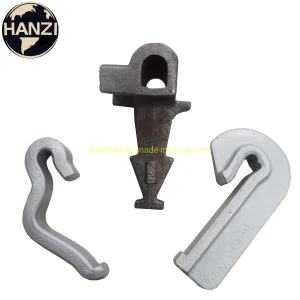
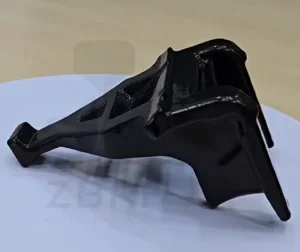
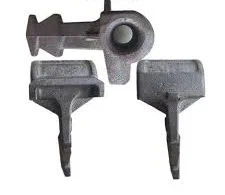
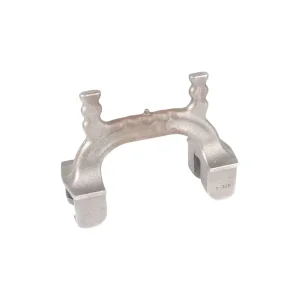
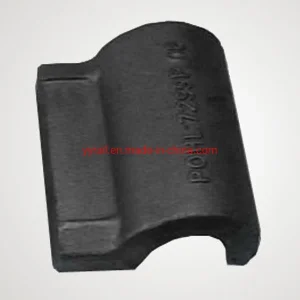
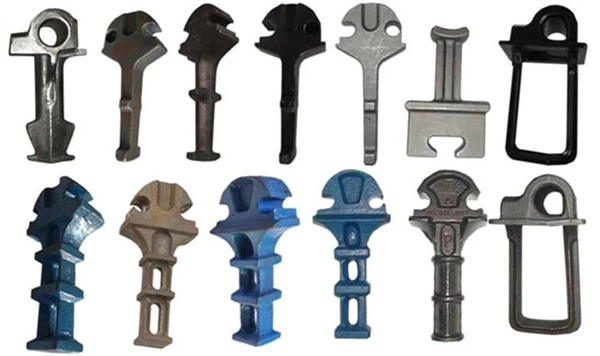
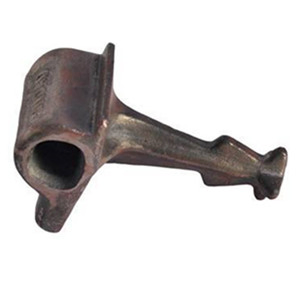
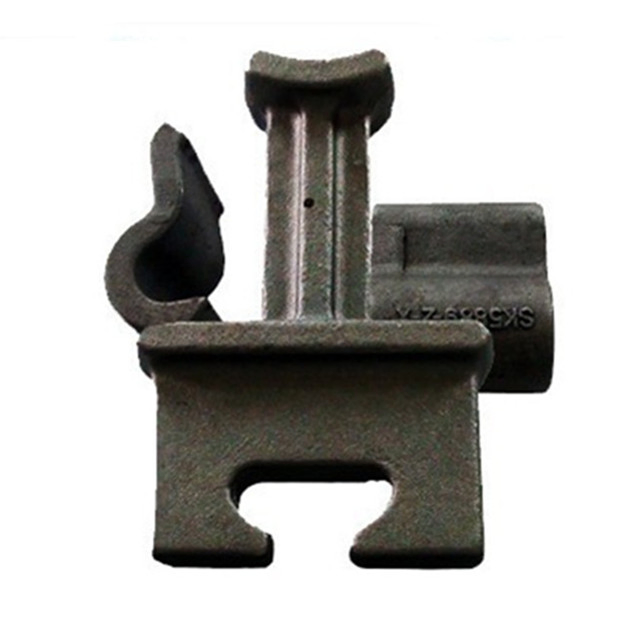
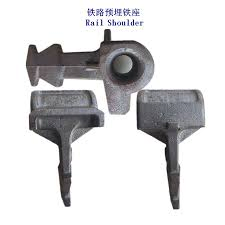
Rail shoulder is cast in the concrete rail ties to fix the elastic rail clips. There are two types of rail shoulders available, the cast-in shoulder and the weld-on shoulder, both of which are used for the fixing of elastic rail clips.
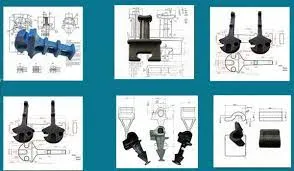
The casting shoulders as the embedded part of the rail way fastening system are pressed in concrete sleeper and work together with the E clip to fasten the rail. The cast in shoulder is made by casting from iron, such as, GB/T 1348-1988, NF EN 1563(1997), ISO1038, DIN 1693, JIS G5502 (2001), KS D 4302, GOST 7293(1985) or BS EN 1563(1997).
| Specification | UIC54 | UIC60 | Standard Rails |
|---|---|---|---|
| Material Name | QT500-7 | QT450-10 | QT400-15 (115RE, 50kg, 60kg, BS80lbs, BS100lbs) |
| Standard | GB 1348-88 | GB 1348-88 | GB 1348-89 |
| Hardness | 170~230HB | 160~210HB | 130~180HB |
| Organization | Ferrite & Pearlite | Graphite & Ferrite & Pearlite | Ferrite |
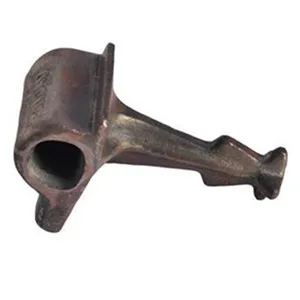
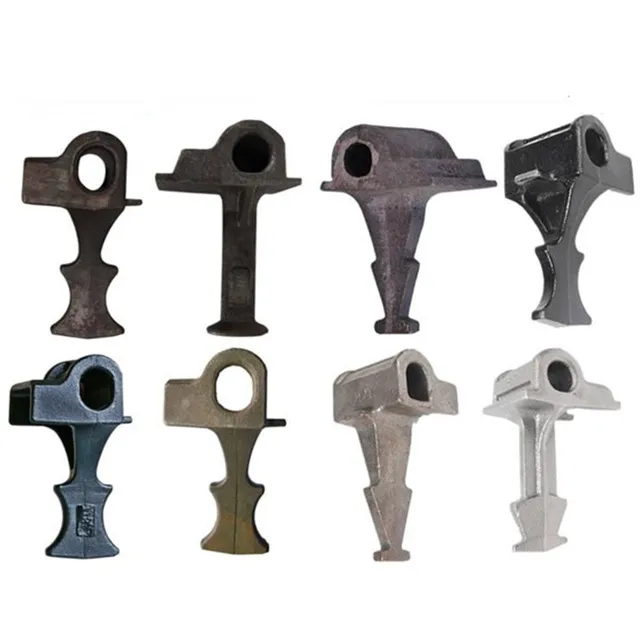
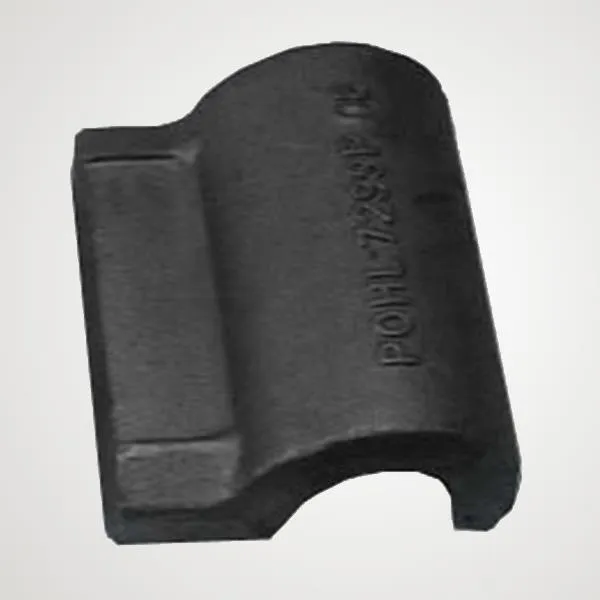
The Rail shoulder is a semi-embedded part cast in the concrete rail ties to fix the elastic rail clip to the base plate. There are two common types of rail shoulders available: Cast-in Shoulder and Weld-on Shoulder.
The casting shoulders are pressed into concrete sleepers and work together with E-clips to fasten the rail. They are made from high-grade casting iron according to international standards like ISO1038 and DIN 1693.
| Material | Tensile Strength (Mpa) | Yield Strength (Mpa) | Elongation (%) |
|---|---|---|---|
| QT400-15 (GGG40) | 400 | 250 | 15 |
| QT450-10 (GGG45) | 450 | 310 | 10 |
| QT500-7 (GGG50) | 500 | 320 | 7 |
The weld-on shoulder is used where the shoulder is welded onto a flat steel plate rather than the standard tie plate. Fabricated using hot forging and low or medium carbon steel, these are highly cost-effective for switch and crossing layouts.
| Material | C (%) | Si (%) | Mn (%) | P (%) | S (%) |
|---|---|---|---|---|---|
| QT400-15 | 3.50-3.60 | 3.0-3.2 | ≤0.5 | ≤0.07 | ≤0.02 |
| QT450-10 | 3.40-3.90 | 2.7-3.0 | 0.2-0.5 | ≤0.07 | ≤0.03 |
| QT500-7 | 3.60-3.80 | 2.5-2.9 | 0.6 | ≤0.08 | ≤0.025 |