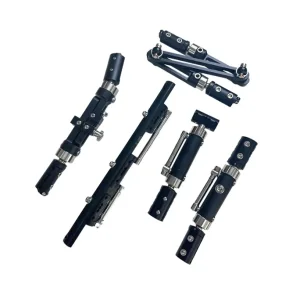
The global orthopedic market is witnessing a significant shift toward minimally invasive surgeries (MIS), particularly for distal extremities. Mini External Fixators have become the gold standard for treating complex phalangeal, metacarpal, and metatarsal fractures. As of 2024, the market is driven by an increase in sports-related injuries and a growing geriatric population prone to fragile bone fractures.
Technological integration, such as AI-assisted preoperative planning and 3D-printed custom components, is revolutionizing how factories design these instruments. Leading exporters are now focusing on radiolucent materials like carbon fiber to ensure unobstructed X-ray monitoring during the healing process. Our facility in Chengdu stands at the forefront of this industrial evolution, merging traditional manufacturing excellence with modern medical tech.
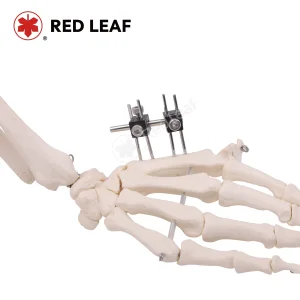
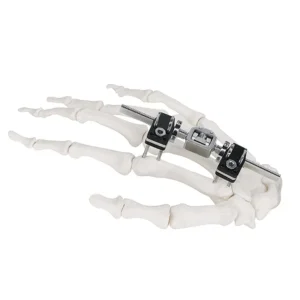
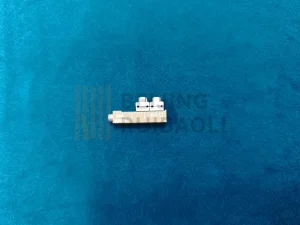
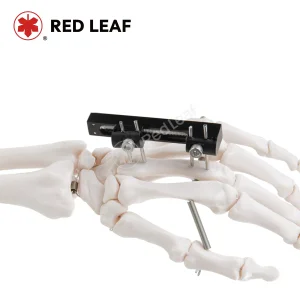
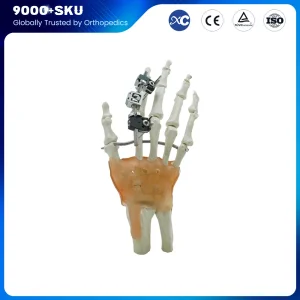
Featured: Universal Mini Palm Fixator
Transition from standard stainless steel to high-grade Titanium alloys and Carbon Fiber, offering better weight-to-strength ratios and reduced allergic reactions for sensitive patients.
Dynamic fixators that allow for early joint mobilization (Joint Motion Type) are gaining popularity, significantly reducing post-operative stiffness in finger and ankle joints.
Global procurement is moving toward direct factory-to-hospital models. Procurement officers in the EU and NA are increasingly seeking "One-Stop" trauma systems that include fixators, pins, and surgical tools.
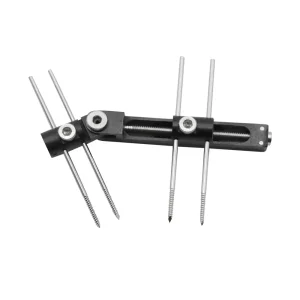
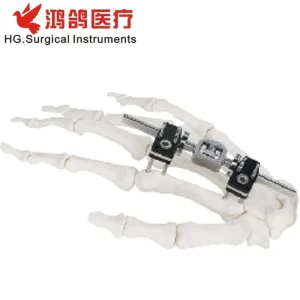
The Universal Mini Fixator is engineered for maximum flexibility. Whether it's a multi-fragmentary fracture of the proximal phalanx or a complex open injury, our systems provide the stability required for primary bone healing. As a leading exporter, we ensure that every kit is ready for immediate surgical intervention, featuring ergonomic designs that reduce operating time.
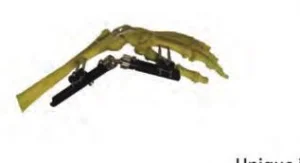
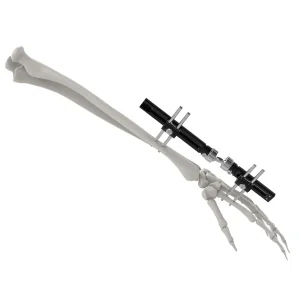
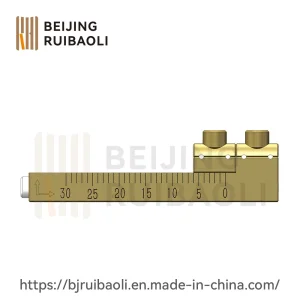
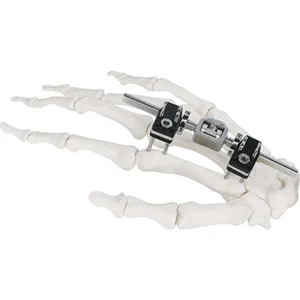
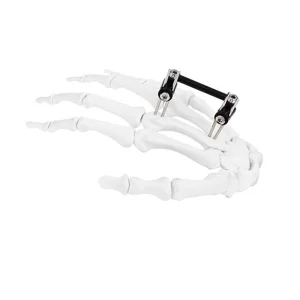
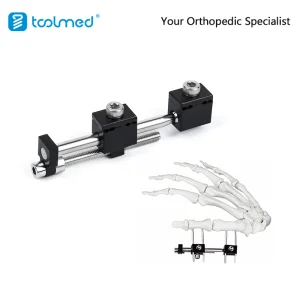
Precision Engineered: Mini Universal Fixator
Mini external fixators are utilized across diverse medical environments, each requiring specific technical adaptations.
In rapidly developing regions, external fixators are preferred due to lower infection risks compared to internal plates in non-sterile environments or complex open fractures common in industrial accidents.
One of our unique growth sectors is the Veterinary Market. Our mini fixators are perfectly scaled for exotic pets, birds, and small mammals, providing the same precision as human medical devices.
High-end clinics in Europe and the US utilize our "Joint Motion" types to treat professional athletes, allowing for controlled movement during the bone union process to prevent muscle atrophy.
Chengdu Medev Medical Instruments Co., Ltd. was founded in 2001, covering an area of 18,000 ㎡, including a floor area of over 15,000 ㎡. Our registered capital reaches 20 million Yuan, specializing in research, design, and manufacturing of orthopedic implant instruments. As a leader in the industry, we have successfully supplied to 1,000+ clients in 120+ countries for over 20 years.
We adhere to the "people-oriented, integrity first, continuous innovation, and pursuit of excellence" philosophy. Our facility integrates state-of-the-art CNC machining with rigorous clinical testing to ensure every mini fixator meets the highest global standards.
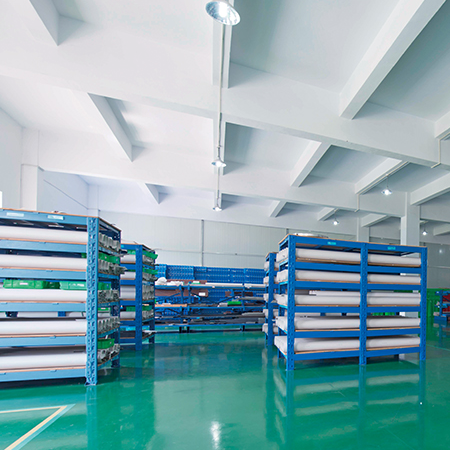
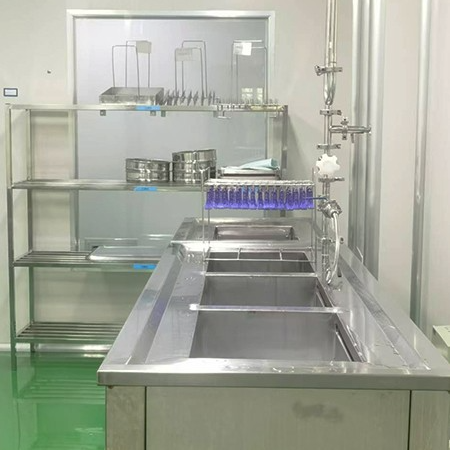
Cleaned implants have a cleaner surface, helping to reduce the risk of post-operative infection. Ensures that the implant is safer to apply to the patient during surgery by removing all microscopic manufacturing residues.
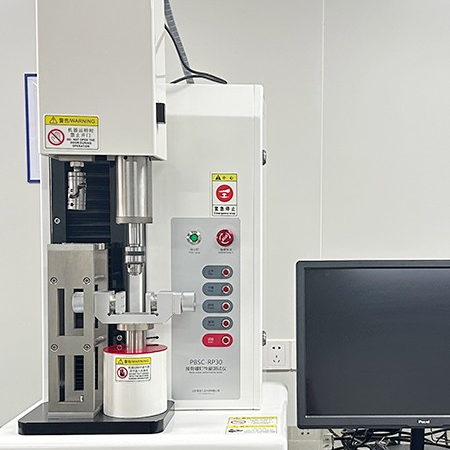
Our Hardness Testers evaluate the tensile strength, yield strength, and elongation of every material batch. We simulate the actual mechanical forces the fixator will endure inside the human body to prevent fatigue failure.
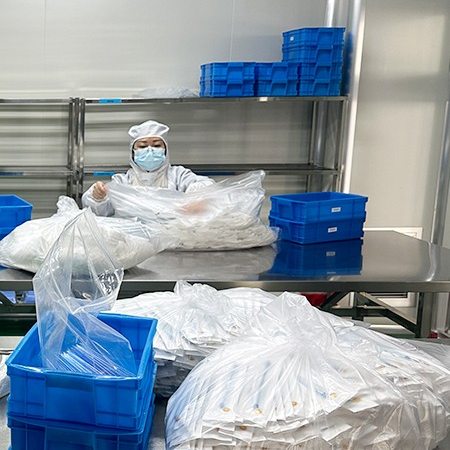
Our packaging protocol ensures a perfect seal to prevent contaminants. Utilizing heat-sealing and aseptic techniques, we guarantee the integrity of the medical package from our factory to the operating theater.
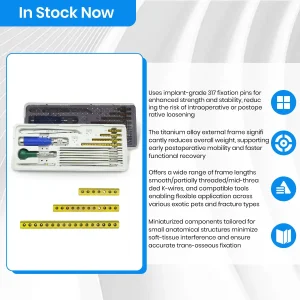
Specialized Market: Veterinary Mini Fixator Solution
As a China-based manufacturer, we offer a unique combination of cost-efficiency and technical precision. Many European and American distributors white-label our products because we maintain a strict ISO 13485 quality management system. Our large-scale production allows us to maintain a constant stock of standard mini rail fixators, ensuring rapid turnaround for international tenders and emergency trauma supply chains.
The biomechanics of hand and foot fixation require a delicate balance between rigidity and flexibility. Unlike large bone fractures (like the femur), small bones in the hand (phalanges) have limited soft tissue coverage. This makes Mini External Fixators an ideal choice, as they provide stable fixation without further disrupting the periosteal blood supply, which is critical for preventing non-union.
Our Mini Rail Systems are designed with a low-profile architecture. This minimizes the "bulk" on the patient's hand or foot, improving comfort and reducing the risk of the hardware catching on clothing or environment. The unilateral design allows for easy pin insertion, often under local anesthesia in emergency rooms, which is a major advantage for global trauma exporters serving regions with limited surgical theater access.
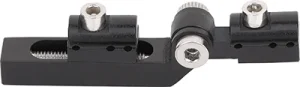
Furthermore, the Combined Type Fixators we produce offer modularity. Surgeons can connect multiple rods and clamps to bridge complex intra-articular fractures. This versatility is why our export volume to Southeast Asia, the Middle East, and Latin America has grown by 30% annually. Hospitals in these regions look for "Workhorse" instruments—tools that are reliable, reusable (after proper sterilization), and intuitive for surgical teams.
In the context of the Global Supply Chain, being a manufacturer in Chengdu, China, provides us with a logistical edge. Chengdu is a hub for high-tech medical manufacturing, supported by a robust infrastructure for international shipping via the China-Europe Railway and global air freight. This means shorter lead times for our distributors in Germany, Brazil, and the United Arab Emirates.
Quality control is not just a department at Medev; it is the core of our brand. Our Hardness Testers and Ultrasonic Cleaning lines are part of a multi-stage validation process. Every Mini External Fixator undergoes visual inspection under magnification to ensure no burrs or sharp edges exist that could irritate the patient's skin or the surgeon's gloves. This attention to detail is what separates a world-class factory from a standard supplier.
Looking toward the 2030s, we are investing in Smart Fixators. Research is currently underway to integrate micro-sensors into the rails to monitor the load-bearing status of the bone during recovery. This data can be transmitted to a surgeon's smartphone, allowing for personalized rehabilitation schedules. While this technology is in its infancy, our factory is already preparing the machining capabilities to integrate such electronics into our miniature systems.
For procurement officers, the decision to choose a Chinese factory often comes down to the Value-to-Quality Ratio. We offer surgical-grade instruments that compete with top-tier Swiss and American brands but at a price point that allows hospitals to treat more patients. This democratizes high-end orthopedic care, ensuring that even in developing economies, patients have access to the best fracture fixation technology.
 Medev Medical