Direct Factory Integration, Clinical-Grade Biomechanics, and Resilient Medical Supply Chains for Northwestern Bangladesh
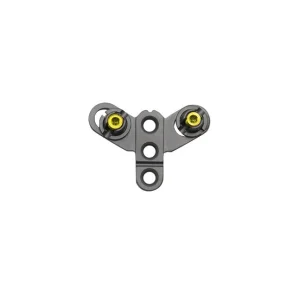
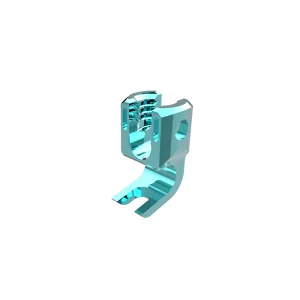
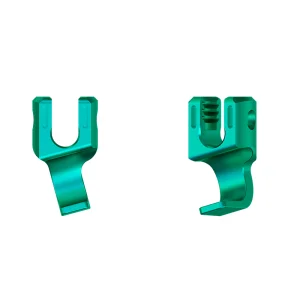
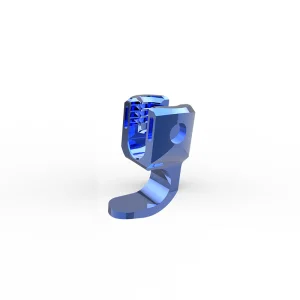
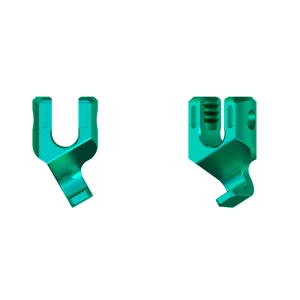
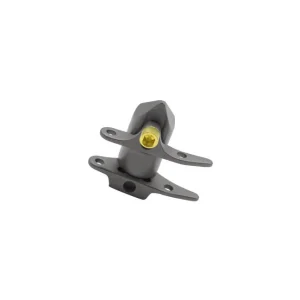
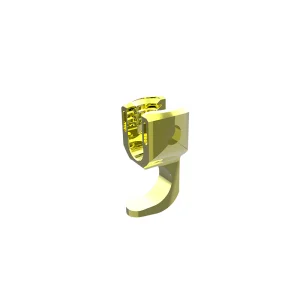
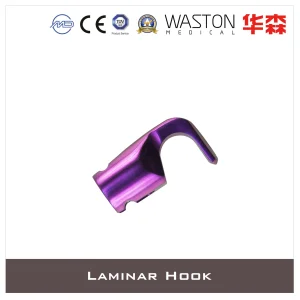
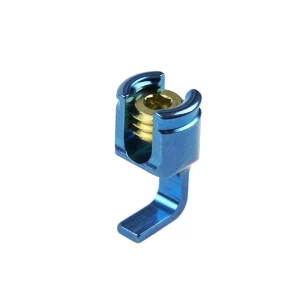
Clinical-grade orthopedic spine hooks engineered for high-stability posterior spinal reconstruction and fixation.
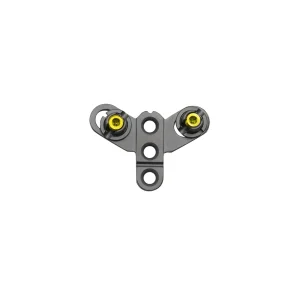
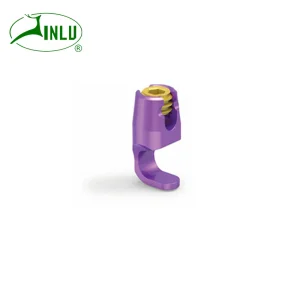
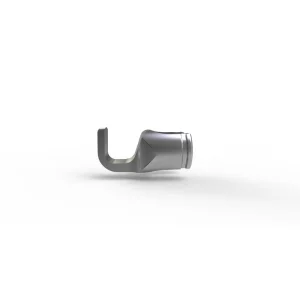
As the medical epicenter of Northwestern Bangladesh, Rajshahi Division—anchored by major clinical centers like Rajshahi Medical College Hospital (RMCH) and private neurological facilities—is witnessing a significant rise in complex spinal surgeries. The demographic profile reveals a high prevalence of spine trauma resulting from agricultural work, vehicle accidents, and industrial construction. Concurrently, congenital spinal deformities such as early-onset scoliosis and age-related degenerative spine conditions require dependable instrumentation.
Historically, procurement departments in Rajshahi have faced structural supply challenges. Dependence on intermediaries based in Dhaka often leads to inflated costs, unpredictable delivery schedules, and inconsistent product traceability. By shifting toward direct factory sourcing models with verified medical implant manufacturers, healthcare providers in the Rajshahi division can secure cost-efficient access to titanium spinal hook and rod systems. This transition ensures clinical consistency and helps optimize patient outcomes.
Exploring the technological transitions shaping spinal fixation instruments, from advanced metallurgical treatments to custom anatomical geometries.
Modern spinal hooks and rods rely on advanced Type II anodization of titanium alloys, which increases surface wear resistance, minimizes metallic ion release in vivo, and optimizes osseointegration properties.
Strict mechanical testing protocol configurations (ASTM F1717 and ASTM F2706) simulate millions of structural load-bearing cycles, protecting spinal implant devices against stress fractures during long-term physiological use.
The industry is transitioning away from rigid monoaxial frameworks toward variable-angle pedicle hooks and offset lamina clamps, allowing surgeons to match the natural curvatures of diverse patient populations.
Engineered for complex pathologies requiring high tensile support, rotational control, and multi-segment structural alignment.
Founded in 2001, Chengdu Medev Medical Instruments Co., Ltd. has established itself as an industry-leading designer and manufacturer of orthopedic implants and precision surgical instruments. Covering an expansive production footprint of over 18,000 ㎡, with more than 15,000 ㎡ of dedicated industrial floor area, our facility operates with a registered capital of 20 million Yuan.
With over two decades of manufacturing expertise, we have supplied premium orthopedic solutions to more than 1,000 clients across 120+ countries. Guided by our core commitment—"people-oriented, integrity first, continuous innovation, and the pursuit of medical excellence"—we implement rigorous manufacturing controls to protect human health and support clinical success worldwide.
We utilize specialized evaluation and verification workflows to ensure that all implant sets delivered to international markets, including Rajshahi, meet strict biomechanical and safety standards.
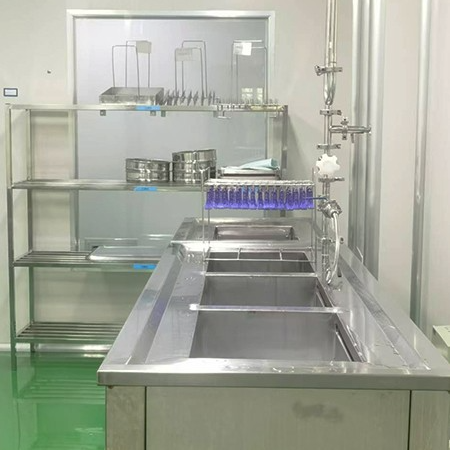
Cleaned implants have a cleaner surface, helping to reduce the risk of post-operative infection. Ensures that the implant is safer to apply to the patient during surgery.
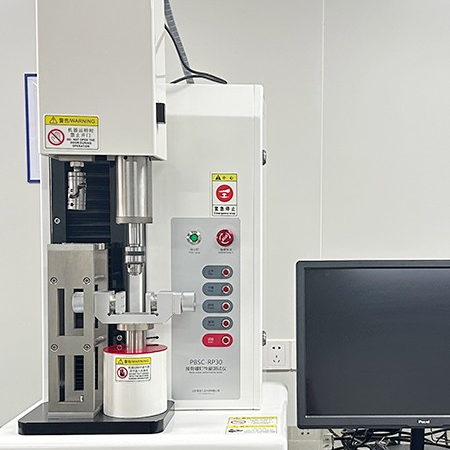
Tests the tensile strength, yield strength and elongation of materials. Simulates the tensile forces to which the implant is subjected in the body.
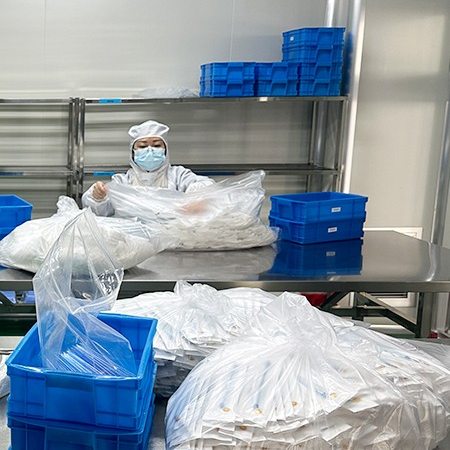
Packaging should ensure a good seal to prevent the entry of external contaminants. Use heat sealing, pressing or gluing to ensure the integrity of the package.
A look inside our manufacturing stages, ensuring raw materials are processed into high-precision, clinical-grade medical implants.
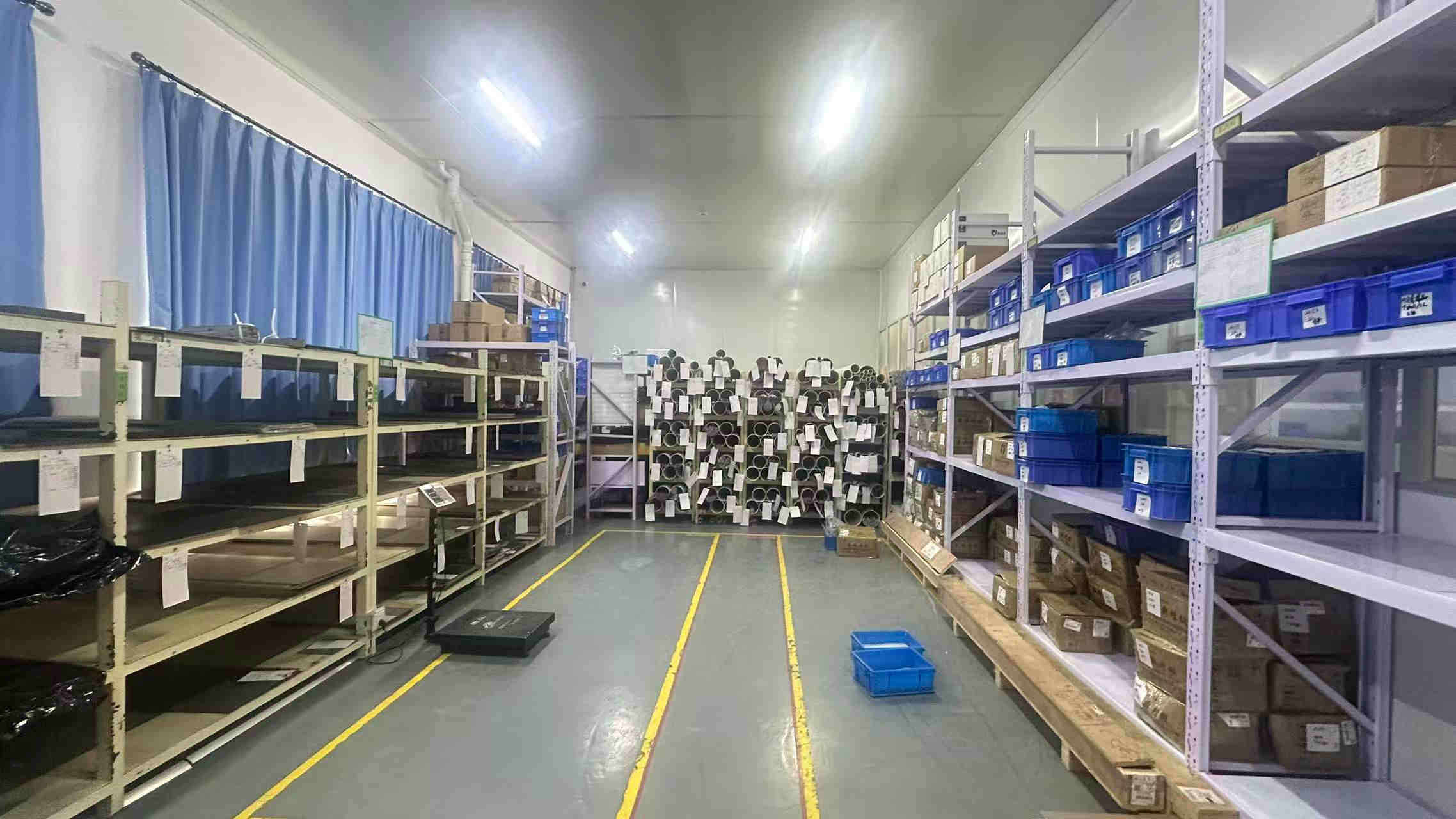
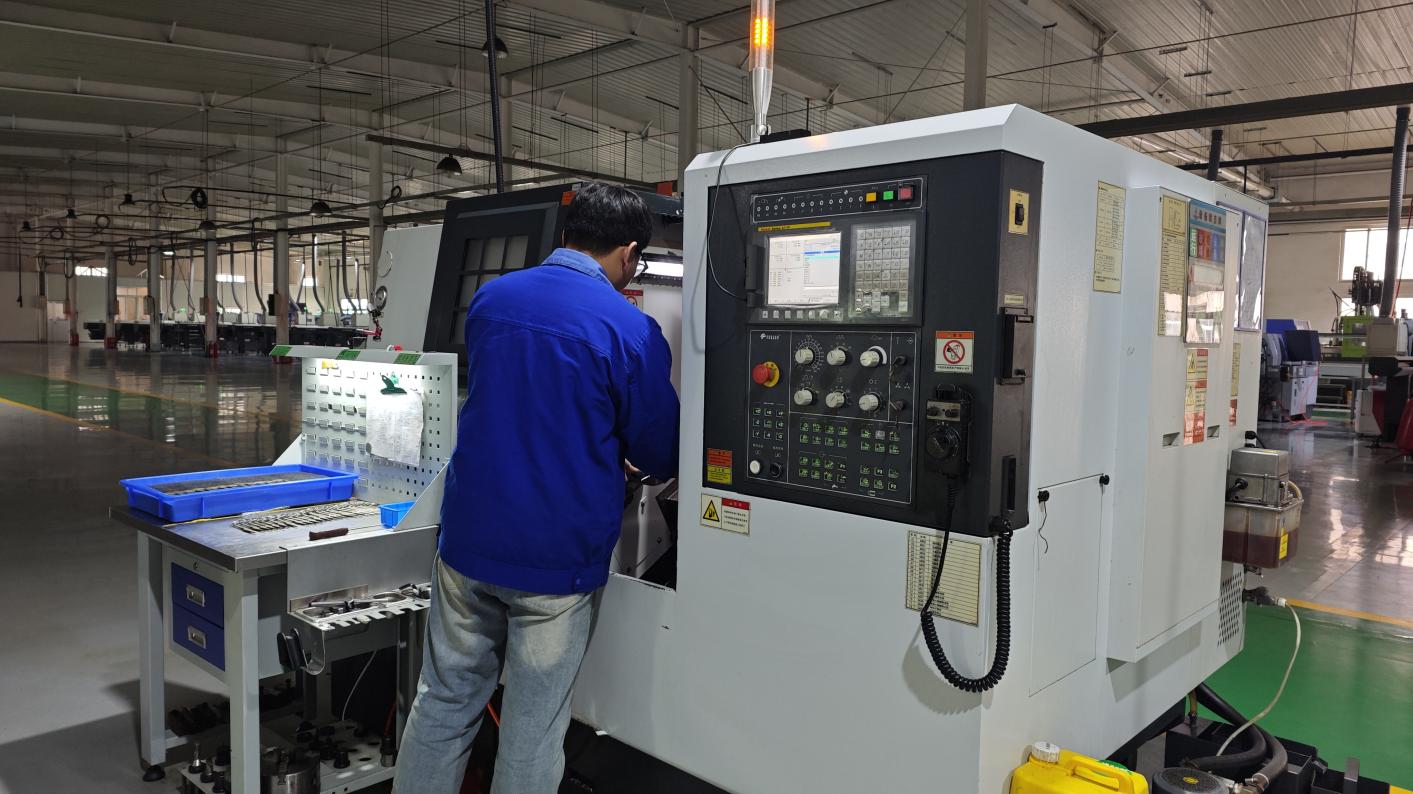
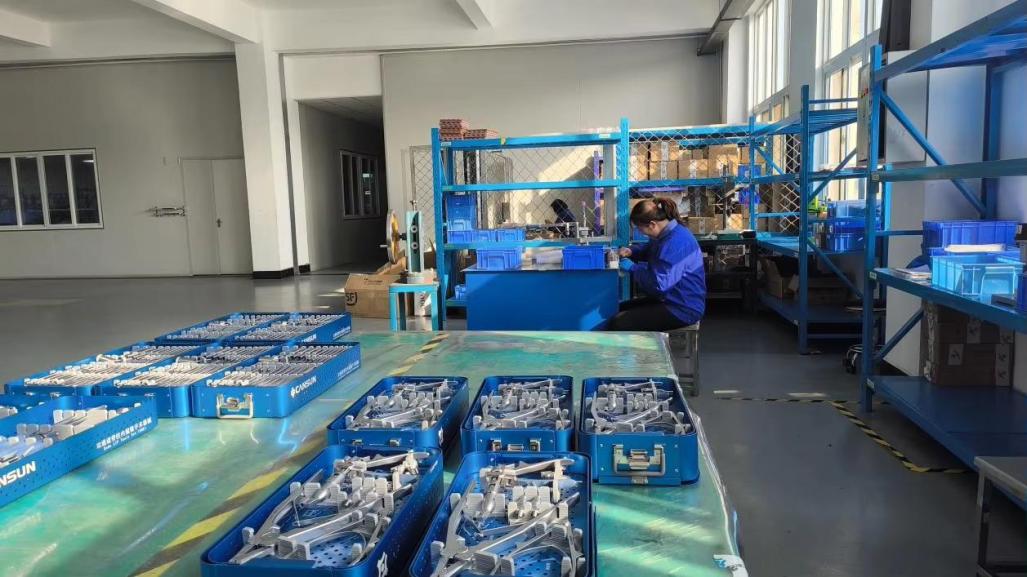
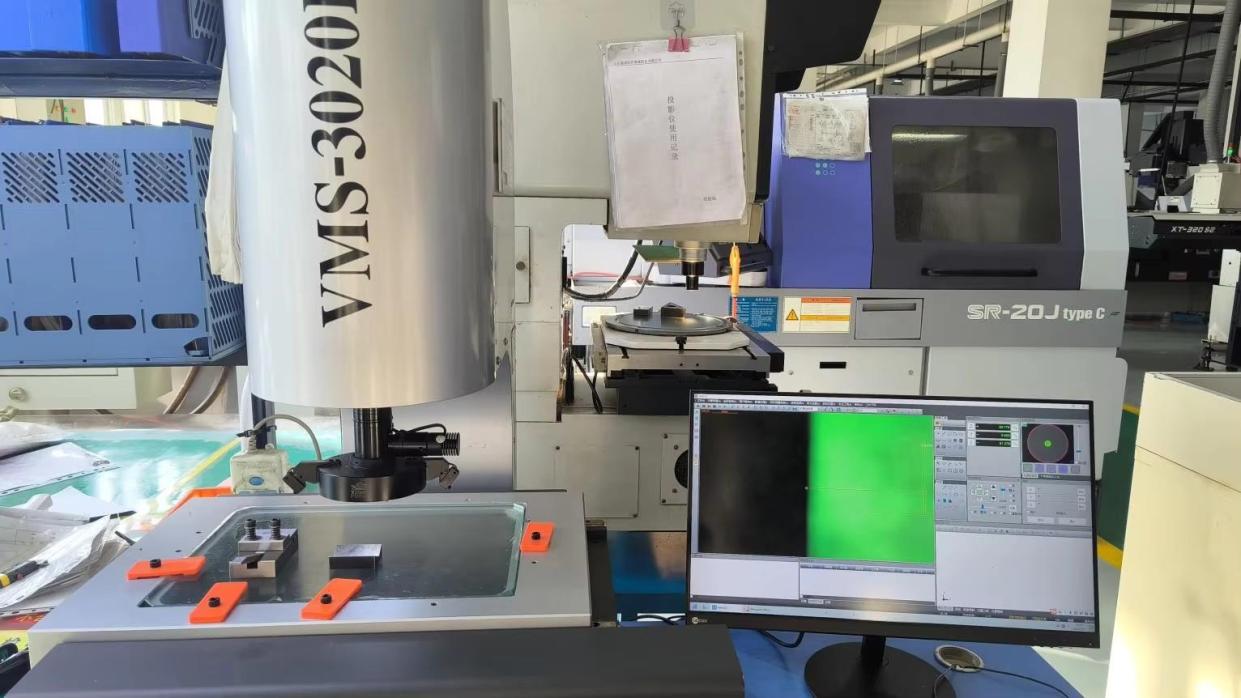
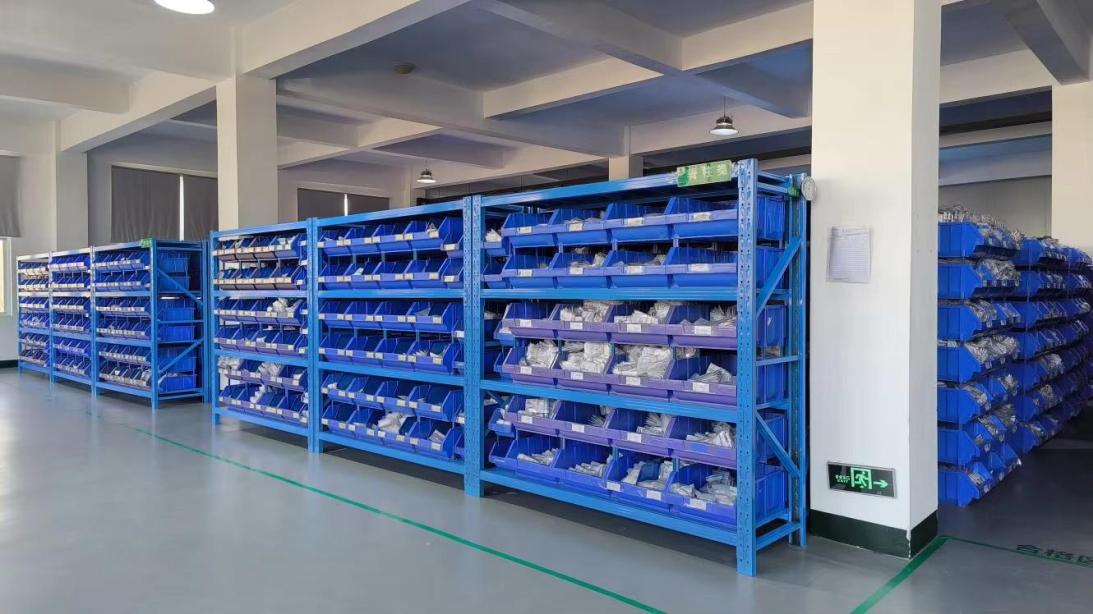
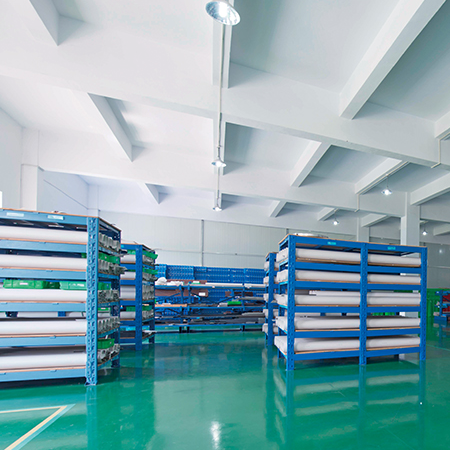
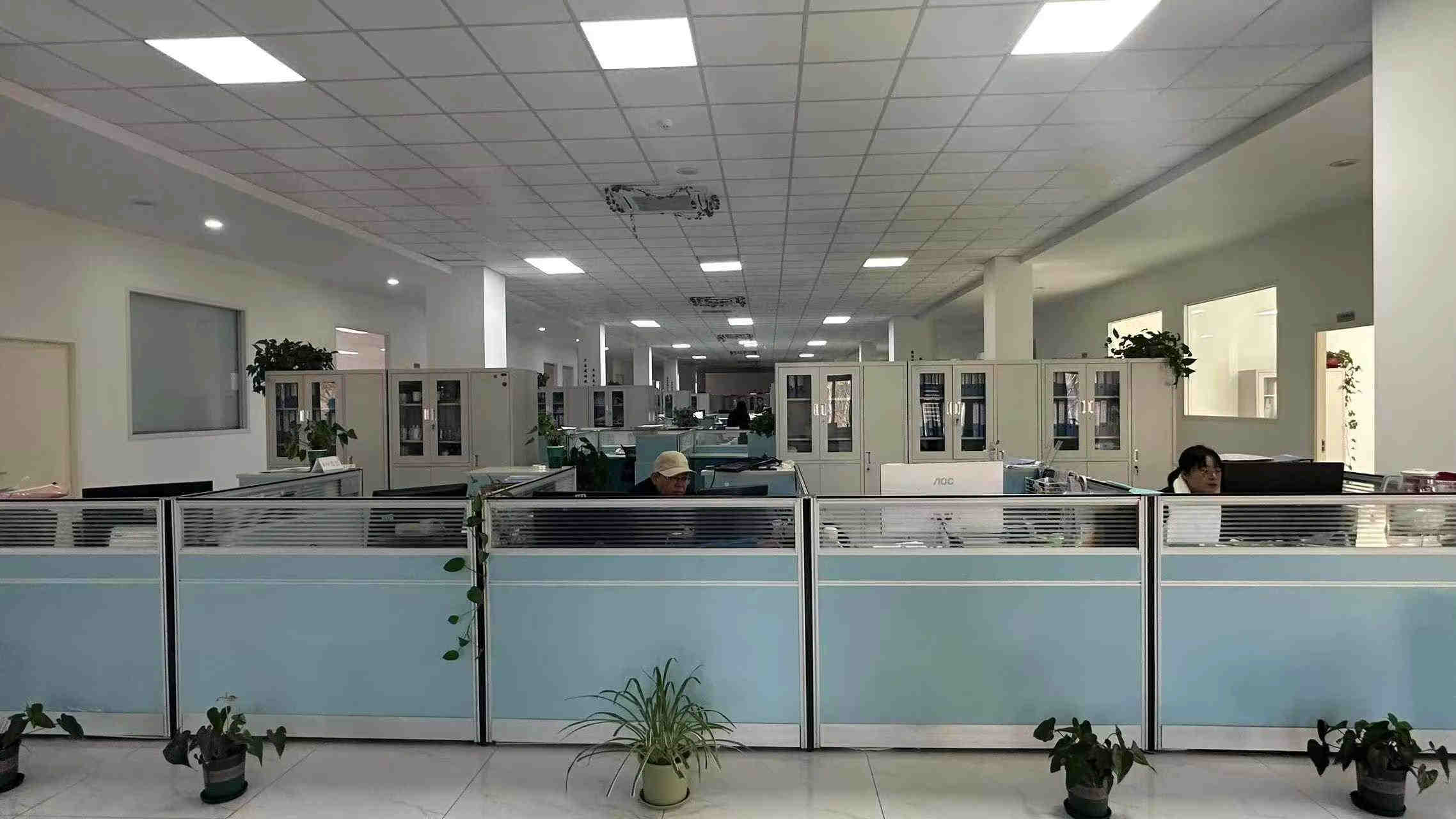
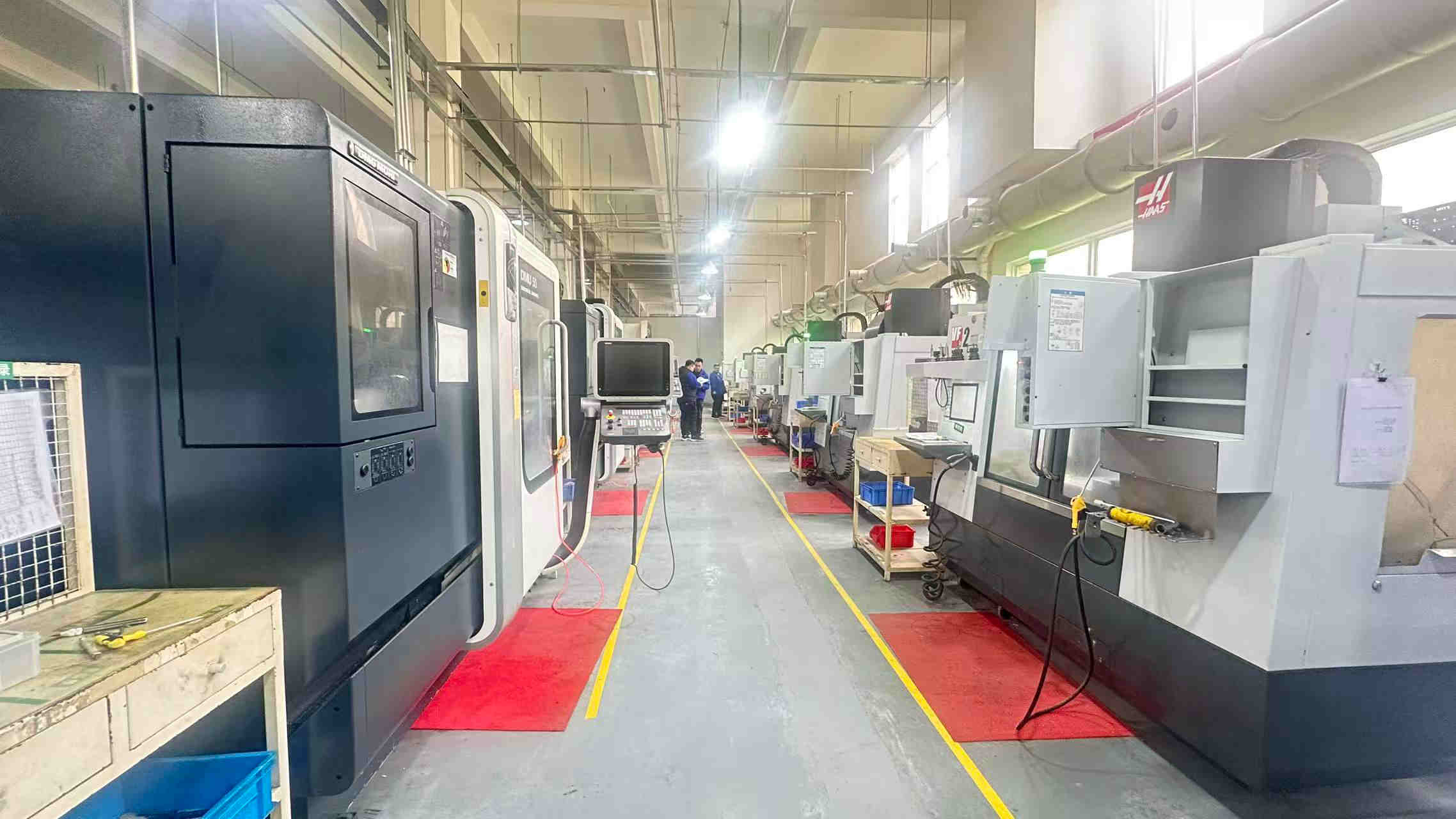
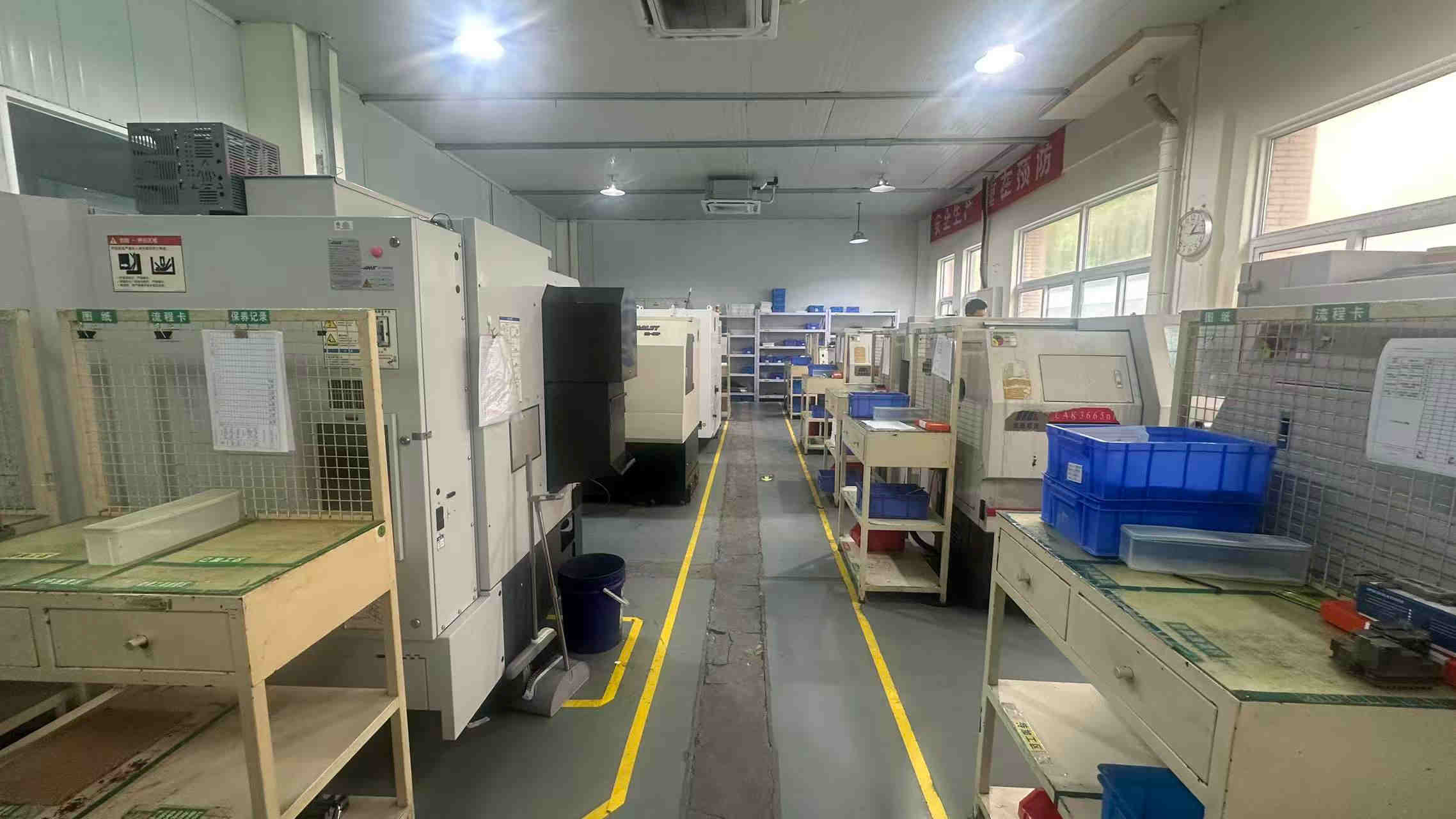
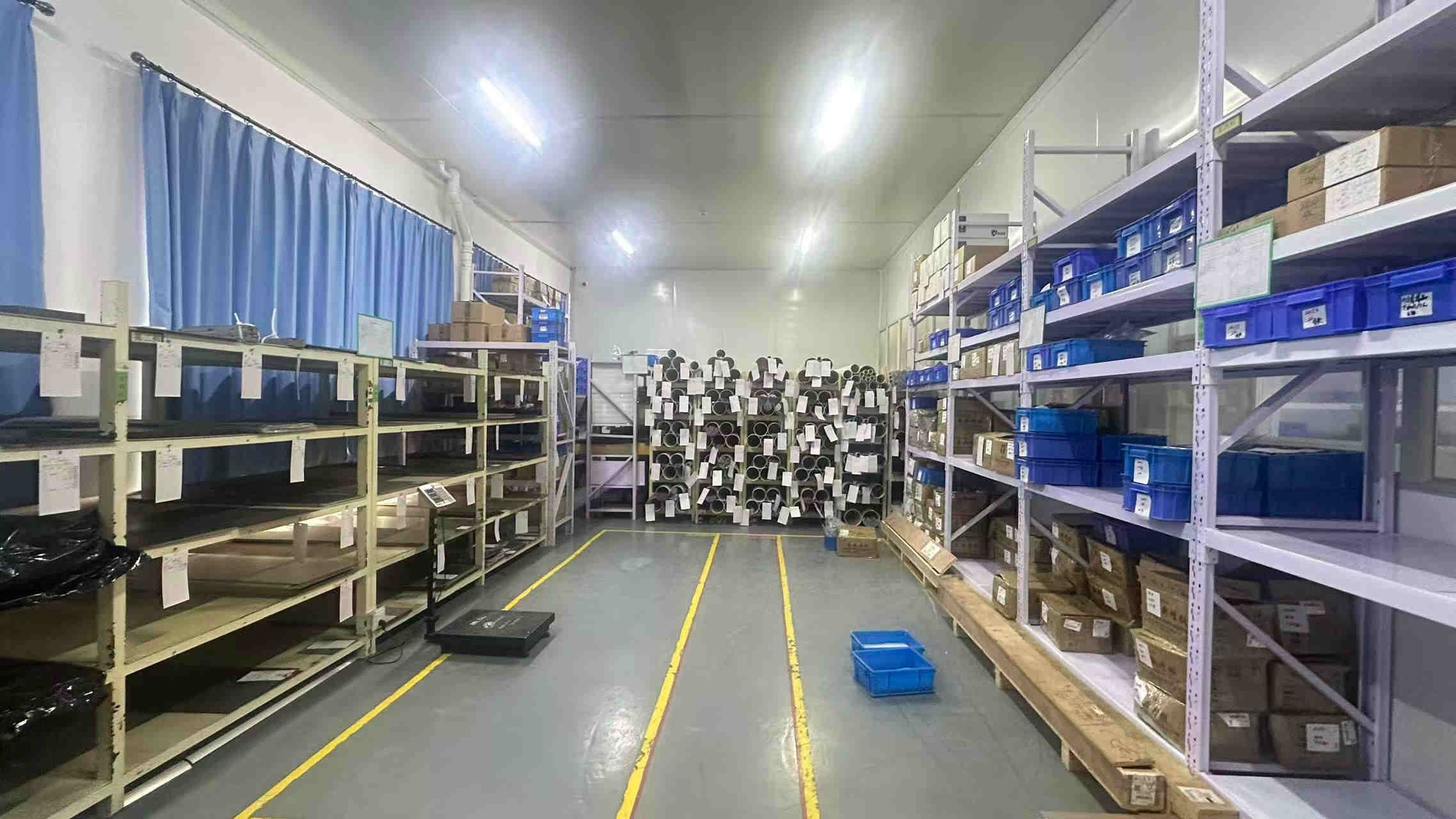
Analyzing specific surgical requirements across regional clinics and tertiary care hospitals in Northwestern Bangladesh.
High-energy trauma cases, such as falls from height in agrarian settings, often result in unstable burst fractures. Our pedicle screw and hook systems establish reliable mechanical bridges, protecting neural elements and restoring sagittal alignment during emergency posterior stabilization.
Pediatric and adolescent scoliosis correction requires implants that accommodate complex mechanical forces. Utilizing variable-size lamina and pedicle hooks, surgeons can apply controlled distraction, compression, and derotational forces to safely guide structural correction.
In elderly populations presenting with severe osteoporosis, standard pedicle screws face higher pull-out risks. Combining pedicle hooks with laminar clamps provides supplemental fixation points, distributing load across wider surface areas to stabilize osteoporotic bone.
Answers to common clinical, mechanical, and logistical questions from hospital procurement teams and orthopedic surgeons in Rajshahi.
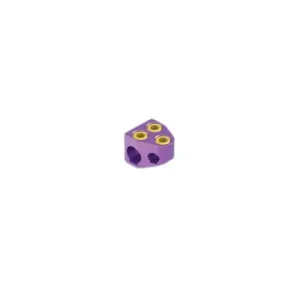
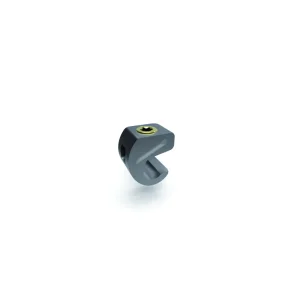
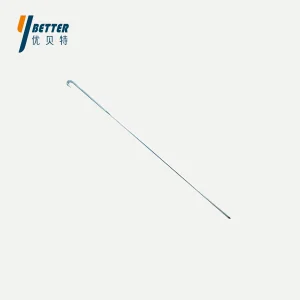
A complete selection of posterior cervical and thoracolumbar system implants, including specialized laminar hooks and anatomical connector bars.
 Medev Medical