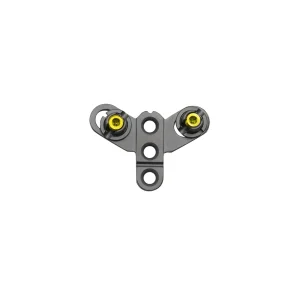
 Orthopedic Spinal Fixation Medical Instrument Vertebral Hook
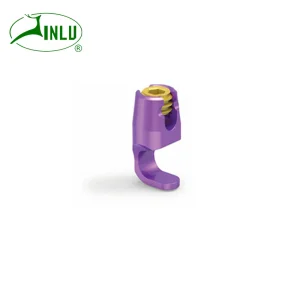 Jinlu Medical Orthopedic Spinal Implant Kco3.2 Posterior Cervicle System- Laminar Hook 736
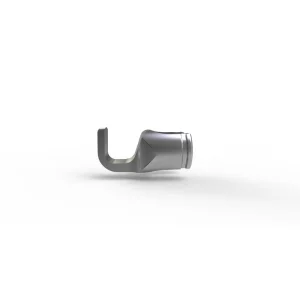 Orthopedic Implant Internal Fixation Spinal Pedicle Screw Crosslink Hook Laminar Hook
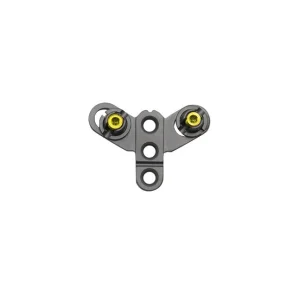 Orthopedic Spinal Fixation Medical Instrument Spine Vertebral Hook
The Russian Federation has witnessed a significant transformation in its healthcare sector, particularly within the field of spinal orthopedics. As Moscow, St. Petersburg, and Novosibirsk emerge as major medical hubs, the demand for high-quality Spinal Hooks & Rods has surged. The Russian market for spinal implants is driven by a combination of an aging population, an increase in sports-related injuries, and a heightened focus on advanced neurosurgical techniques.
Russia's national health projects have prioritized the modernization of surgical departments across the country. This has led to a strategic shift where hospitals are seeking reliable factories and exporters that can provide Grade 5 Titanium alloy implants compatible with international standards such as ISO 13485 and CE certifications. While local production is growing, the expertise of global exporters remains vital in supplying the Russian medical community with precision-engineered laminar hooks, pedicle screws, and rods used in the treatment of scoliosis, degenerative disc diseases, and traumatic vertebral fractures.
The global trend towards Smart Manufacturing and Artificial Intelligence has deeply influenced the production of spinal hardware. Leading factories exporting to Russia are now utilizing AI-optimized design algorithms to create hooks and rods that offer better anatomical fit and bio-mechanical stability. In Russia, the adoption of robotic-assisted spinal surgery is increasing, requiring implants with extremely tight tolerances.
Key technological advancements include:
Utilizing CNC multi-axis machining to ensure every spinal hook meets the exact curvature required for Russian clinical protocols.
Focus on biocompatible Titanium (Ti-6Al-4V ELI) which is MRI-compatible, a crucial requirement for post-operative monitoring in Russia.
Optimized supply chains ensuring that exports reach major Russian cities like Yekaterinburg and Kazan within minimal lead times.
Chengdu Medev Medical Instruments Co., Ltd., Ltd was founded in 2001, covers an area of 18,000 ㎡, including a floor area of over 15,000 ㎡. Its registered capital reaches 20 million Yuan. specialized in product research, design and manufacturing of orthopedic implant instruments. As the leader in orthopedic implants and instruments manufacturing, We have been successfully supplying to 1000+ clients in 120+ countries for over 20 years thanks to extensive know-how and expertise. We adhere to the ‘people-oriented, integrity first, continuous innovation, the pursuit of excellence,’ the concept of guarding human health!
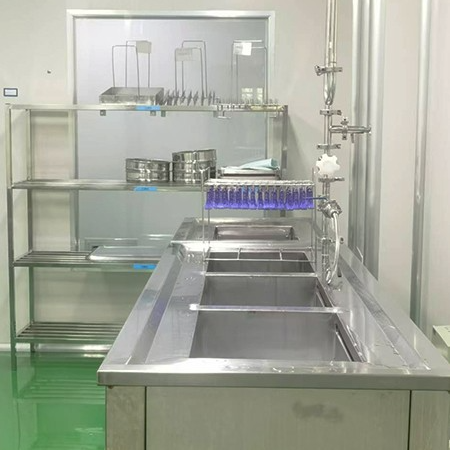
Cleaned implants have a cleaner surface, helping to reduce the risk of post-operative infection. Ensures that the implant is safer for the patient.
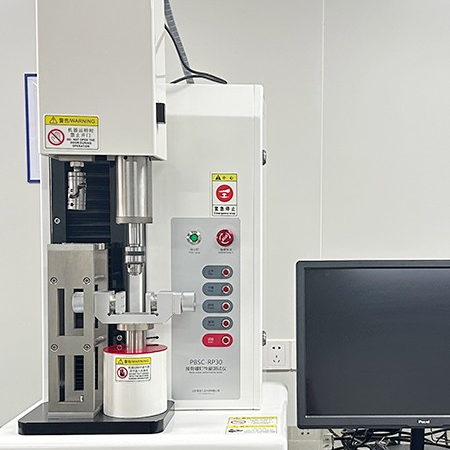
Tests the tensile strength, yield strength and elongation. Simulates the forces to which the implant is subjected in the body.
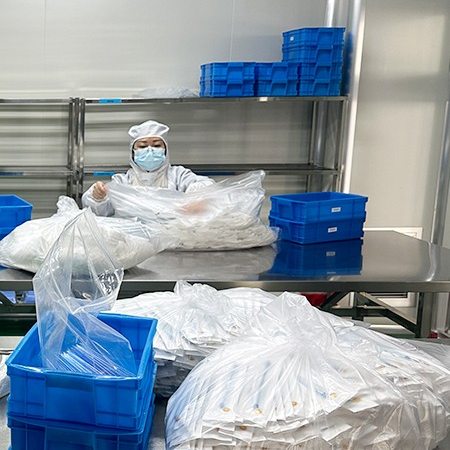
Packaging ensures a good seal to prevent external contaminants using heat sealing to ensure the integrity of the medical package.
The application of Spinal Hooks and Rods varies across the different regions of Russia due to specialized medical centers. For instance, the *Ilizarov Center* in Kurgan is world-renowned for orthopedic breakthroughs. Our implants are designed to integrate seamlessly with the rigorous surgical demands of such institutions.
In the harsh climatic conditions of Northern Russia, bone density issues can be more prevalent. Our Pediatric Spinal Hooks and Ultra-Resilient Fixation systems are engineered to provide extra grip in osteoporotic or developing bone structures. Furthermore, the high incidence of industrial and transport accidents in major transit hubs necessitates robust trauma systems—our Crosslink Hooks and Vertebral Hooks are the primary choice for emergency spinal reconstruction.
Exporting medical devices to Russia requires strict adherence to Roszdravnadzor regulations. Successful factories must ensure that all documentation, clinical trial data, and technical files are translated and compliant with the EAEU (Eurasian Economic Union) standards. Our export team is well-versed in these requirements, providing Russian distributors with all the necessary certifications to ensure smooth customs clearance and hospital procurement cycles.
Logistics solutions for Russia include rail transport via the "Belt and Road" initiative, which offers a cost-effective and timely alternative to sea freight, ensuring that hospitals in the Urals or Siberia receive their orthopedic supplies without delay.
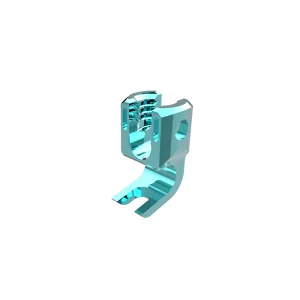 Ultra-Resilient Internal Fixation Hook for Spinal Surgery Solutions
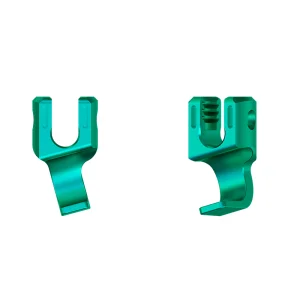 Premium Wide Blade Spinal Hook for Thoracolumbar Surgery
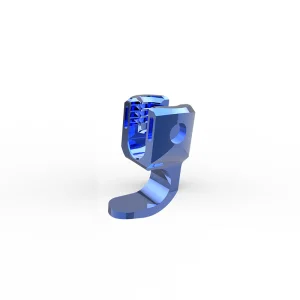 Ultra-Durable Broadband Lamina Hook (4.75 System) -Coccygeal & Spinal Internal Fixation
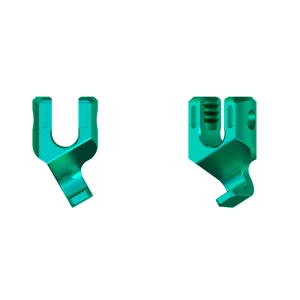 Pediatric Bone Density Fixation System Spinal Hook for Safe Vertebral Support
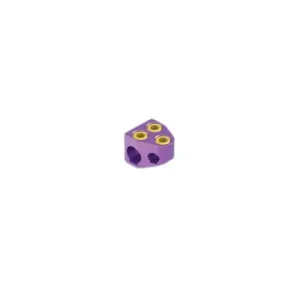 Surgical Medical Device Orthopedic Spinal Implant Kco3.2 Posterior Cervicle System- Laminar Hook 736
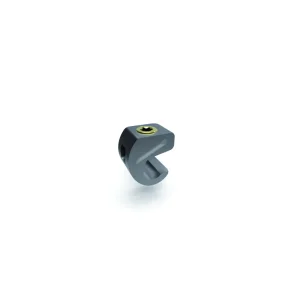 Orthopedic Spinal Pedicle Screw System Sf - I Crosslink Hook Laminar Hook
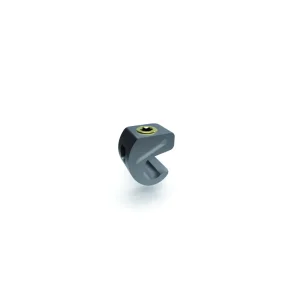 Monoaxial Pedicle Screw Spinal Implants Medical Orthopedic Implant Crosslink Hook
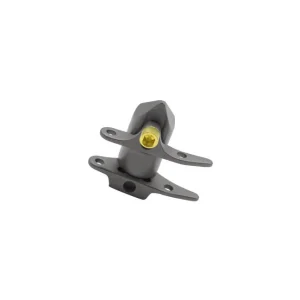 Orthopedic Spinal Fixation Vertebral Hook Medical Instrument
In many Russian surgical protocols, pedicle screws are considered the "gold standard" for three-column fixation. However, spinal hooks remain indispensable, particularly in the thoracic spine where pedicles might be too small or deformed. Russian surgeons often utilize a "hybrid" construct, combining hooks in the upper thoracic region with screws in the lumbar region to maximize stability while minimizing the risk of pedicle wall breach. Our range of laminar and pedicle hooks is specifically designed to work in tandem with universal rod systems, providing the versatility required for these hybrid techniques.
Russia's vast geography means that patients often travel long distances for follow-up care. Therefore, the "implant and forget" reliability is paramount. The use of high-strength Titanium alloys ensures that the rods and hooks can withstand the fatigue of daily activities over decades. Furthermore, the non-magnetic nature of our implants is critical because MRI (Magnetic Resonance Imaging) is the primary diagnostic tool in Russia for monitoring adjacent segment disease or neurological changes post-surgery.
The Kco3.2 system, featuring specialized laminar hooks, is designed for the delicate anatomy of the cervical spine. In Moscow's high-end private medical sector, there is a push for minimally invasive approaches. This system allows for stable fixation with a lower profile, reducing soft tissue irritation and promoting faster post-operative recovery, which is a major selling point for patients in metropolitan areas.
For Russian exporters, providing rods of varying diameters (e.g., 5.5mm and 6.0mm systems) is essential. A 6.0mm rod system is often preferred for trauma cases in Russian emergency hospitals to provide rigid stabilization, whereas a 5.5mm system might be used in degenerative cases to allow for a slight degree of physiological load sharing. Our factories ensure that all rods undergo rigorous stress-testing to meet these diverse biomechanical demands.
By choosing a dedicated factory and exporter focused on the Russian market, medical institutions can ensure they are not just buying a product, but a long-term clinical solution backed by 20 years of engineering excellence and a deep understanding of local surgical needs.
 Medev Medical