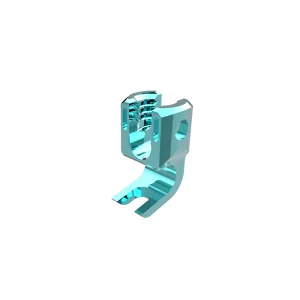
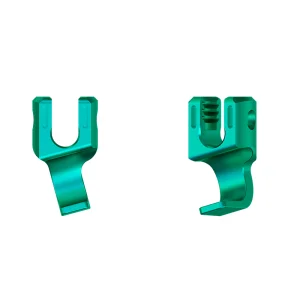
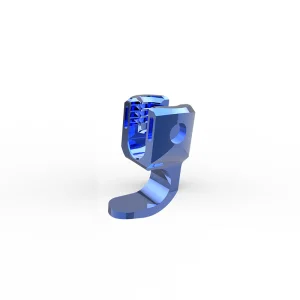
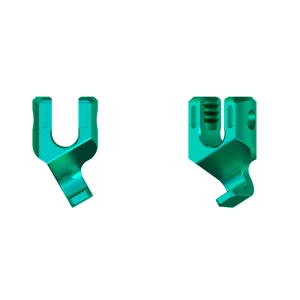
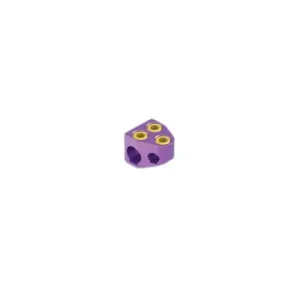
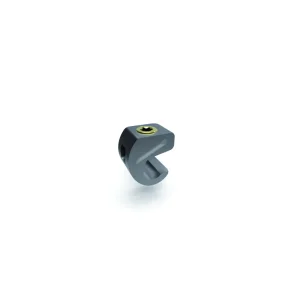
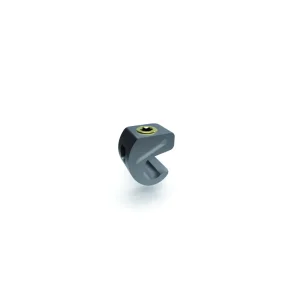
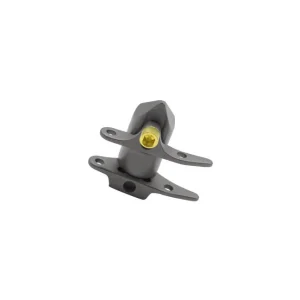
New Zealand's healthcare sector, particularly in the realm of complex orthopedic surgeries, has seen a significant transformation over the last decade. As the population in regions like Auckland, Wellington, and Canterbury ages, the demand for high-quality Spinal Hooks & Rods has surged. In New Zealand, the public health system, now centralized under Te Whatu Ora, alongside a robust private hospital network (including Southern Cross and Evolution Healthcare), prioritizes implants that offer long-term stability and biocompatibility.
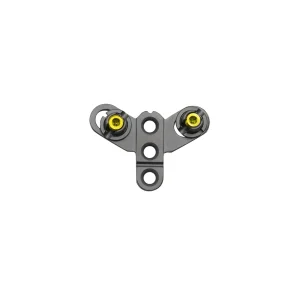
Factories and exporters serving the New Zealand market must adhere to rigorous standards set by Medsafe (New Zealand Medicines and Medical Devices Safety Authority). The integration of spinal fixation systems—comprising anatomical hooks, rods, and pedicle screws—is critical in treating degenerative disc diseases, scoliosis, and trauma cases commonly managed in centers like the Auckland City Hospital or Burwood Hospital in Christchurch.
Customized rod contours and hook designs to match the unique spinal morphology of the Kiwi population.
Utilization of high-grade Titanium Alloys (Ti6Al4V) for optimal osseointegration and MRI compatibility.
Extensively tested systems used in the most challenging posterior spinal fusion procedures across NZ.
Chengdu Medev Medical Instruments Co., Ltd., Ltd was founded in 2001, covers an area of 18,000 ㎡ , including a floor area of over 15,000 ㎡ . Its registered capital reaches 20 million Yuan. which is specialized in product research, design and manufacturing of orthopedic implant instruments. As the leader in orthopedic implants and instruments manufacturing, We have been successfully supplying to 1000+ clients in 120+ countries for over 20 years thanks to extensive know-how and expertise. We adhere to the ‘people-oriented, integrity first, continuous innovation, the pursuit of excellence,’ the concept of guarding human health!
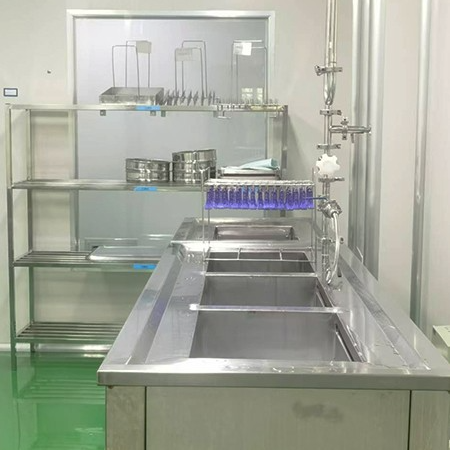
Cleaned implants have a cleaner surface, helping to reduce the risk of post-operative infection. Ensures that the implant is safer to apply to the patient during surgery.
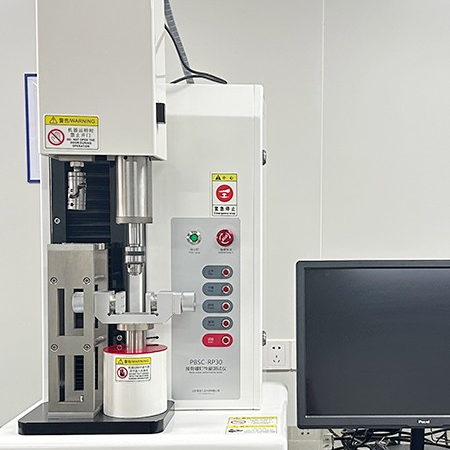
Tests the tensile strength, yield strength and elongation of materials. Simulates the tensile forces to which the implant is subjected in the body.
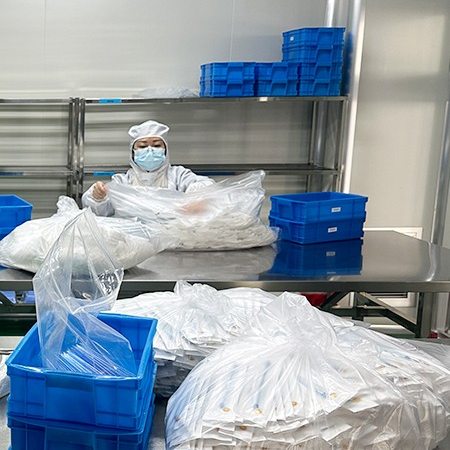
Packaging should ensure a good seal to prevent the entry of external contaminants. Use heat sealing, pressing or gluing to ensure the integrity of the package.
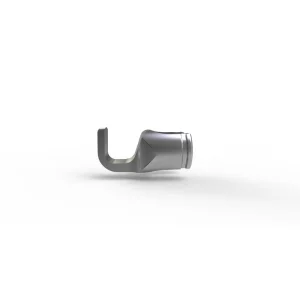
New Zealand orthopedic surgeons are increasingly adopting MIS techniques to reduce hospital stay durations and recovery times. This shift requires spinal hooks and rods that are low-profile and compatible with percutaneous delivery systems. Our range of laminar hooks and pediatric spinal systems is specifically designed to meet these evolving requirements, ensuring minimal soft-tissue disruption during posterior cervical and thoracolumbar surgeries.
There is a growing trend in NZ clinics to move away from "rigid" fusion towards more dynamic stabilization. While traditional stainless steel rods offered unmatched strength, the New Zealand market now favors titanium alloy rods that offer a modulus of elasticity closer to human bone, reducing the risk of adjacent segment disease—a key concern for Kiwi patients seeking long-term mobility.
The industrial landscape in cities like Dunedin and Auckland is seeing a convergence of AI and MedTech. Surgeons now utilize 3D imaging to pre-contour rods before entering the operating room. Our spinal products are designed to be compatible with advanced navigation systems (like StealthStation), providing precision that was previously unattainable.
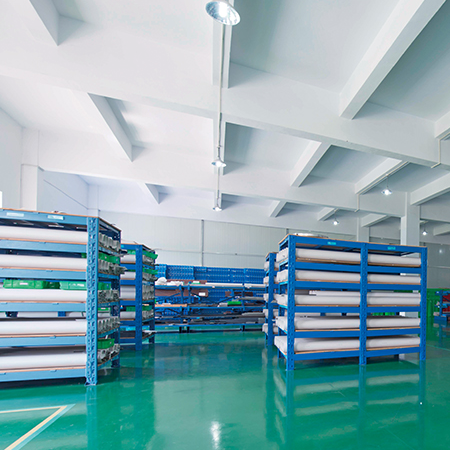
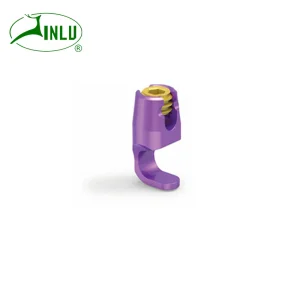
When exporting spinal instrumentation to New Zealand, understanding the biomechanical requirements is paramount. The rods used in spinal fixation typically range from 3.5mm for cervical systems to 6.0mm for heavy-duty thoracolumbar stabilization. The "Hook" component, often overlooked but critical, provides anchor points where pedicle screws might fail due to poor bone quality—a common scenario in New Zealand's aging osteoporotic patient demographic.
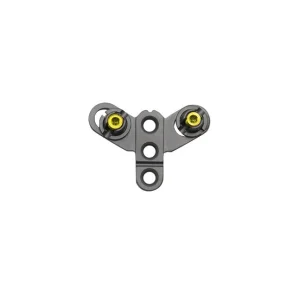
Our manufacturing process employs Swiss-made CNC machining to ensure tolerances within microns. This precision is vital for the "Crosslink" mechanisms, which prevent rod rotation and migration under the dynamic loads of daily Kiwi life—whether it's gardening in Tauranga or hiking in the Southern Alps. Furthermore, the finishing of these hooks involves a proprietary anodization process that not only color-codes components for surgical ease but also enhances the fatigue life of the metal.
Contact our New Zealand export specialists today for a comprehensive catalog and clinical data sheets.
Send Inquiry Now Medev Medical