In modern spinal surgery, the requirement for robust posterior fixation is absolute. In Namibia, medical institutions from Windhoek to Walvis Bay face a growing demand for high-strength spinal implants to address trauma, degenerative disc diseases, and complex spinal deformities. As a premier global manufacturer, Chengdu Medev Medical Instruments Co., Ltd. bridge this clinical gap by supplying advanced Pedicle Screw Systems designed for long-term physiological stability, ensuring Namibian surgeons have access to CE-marked, ISO 13485-certified implants.
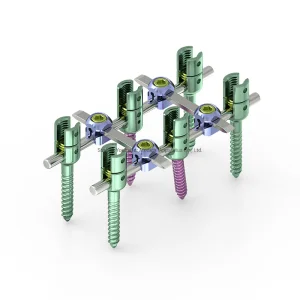
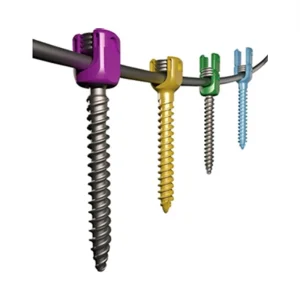
Whether catering to public healthcare divisions overseen by the Ministry of Health and Social Services (MoHSS) or premium private healthcare systems, we ensure complete supply continuity. Our medical-grade titanium constructs utilize optimized thread profiles and polyaxial head engineering to maximize bone purchase in both dense cortical and osteopenic bone structures.
All our screws are crafted from premium Ti-6Al-4V ELI (Grade 5) titanium alloy, providing optimal fatigue strength, corrosion resistance, and superb osseointegration properties.
Engineered to endure over 5 million cycles of dynamic loading testing, ensuring performance under cyclic physiological stress following complex reconstructive spinal surgeries.
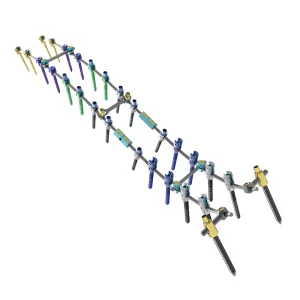
Select spinal instrumentation configurations engineered for high stability and minimal surgical footprint.
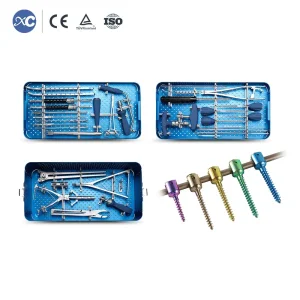
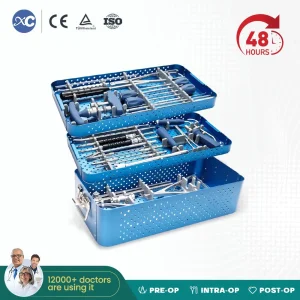
Southern Africa, particularly Namibia, experiences unique clinical challenges in orthopedics. Due to long highway distances, high-speed travel, and industrial mining operations in regions like Erongo and Karas, motor vehicle accidents and work-related traumas are major contributors to acute spinal instability cases. Immediate surgical stabilization is critical to prevent permanent neurological deficits.
Spinal constructs must balance rigidity with load-sharing profiles. An overly rigid system risks adjacent segment disease (ASD), whereas a weak construct leads to hardware failure and non-union. Our designs address this using:
As members of the Southern African Development Community (SADC), Namibian procurement agencies rely on stringent global validation metrics. Chengdu Medev is fully aligned with global medical standards. With a registered capital of 20 million Yuan, we have designed a state-of-the-art facility featuring 15,000㎡ of advanced manufacturing space to control every production step.
From raw bar stock inspection to micro-machining, cleanroom packing, and validation, we guarantee that all implants arriving at Namibian private healthcare providers and public clinics conform precisely to regulatory parameters.
Every pedicle screw undergoes rigorous physical, mechanical, and biological testing to exceed clinical requirements.
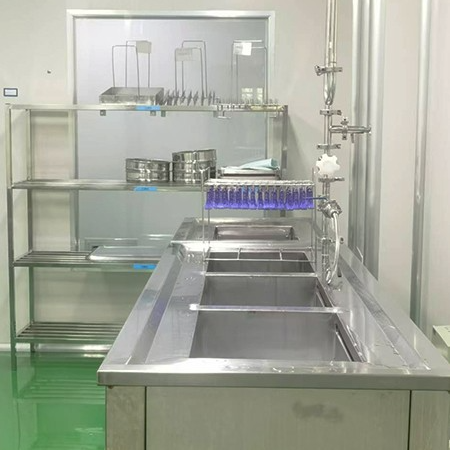
Cleaned implants feature an ultra-pure surface profile, minimizing biological particulate risk and surgical infection. Safe application is confirmed through micro-cleanliness evaluations.
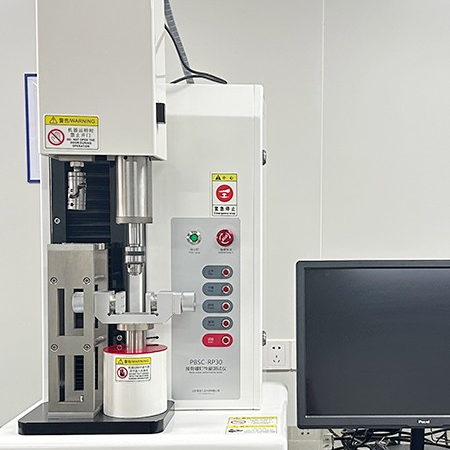
Material testing certifies tensile, yield, and elongation parameters, ensuring that the implants reliably support physiological loads within the human spine.
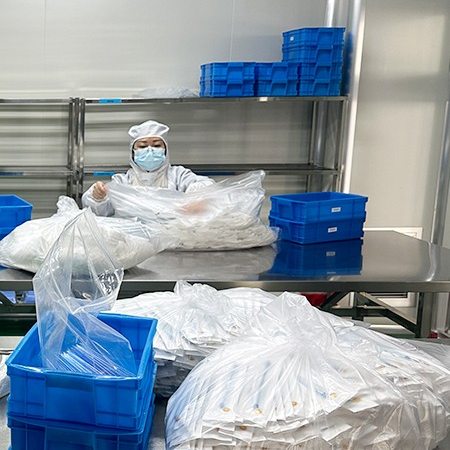
Implant containment occurs in Class 10,000/100 sterile environments. Double-barrier heat sealing processes preserve sterile integrity during international shipping and handling.
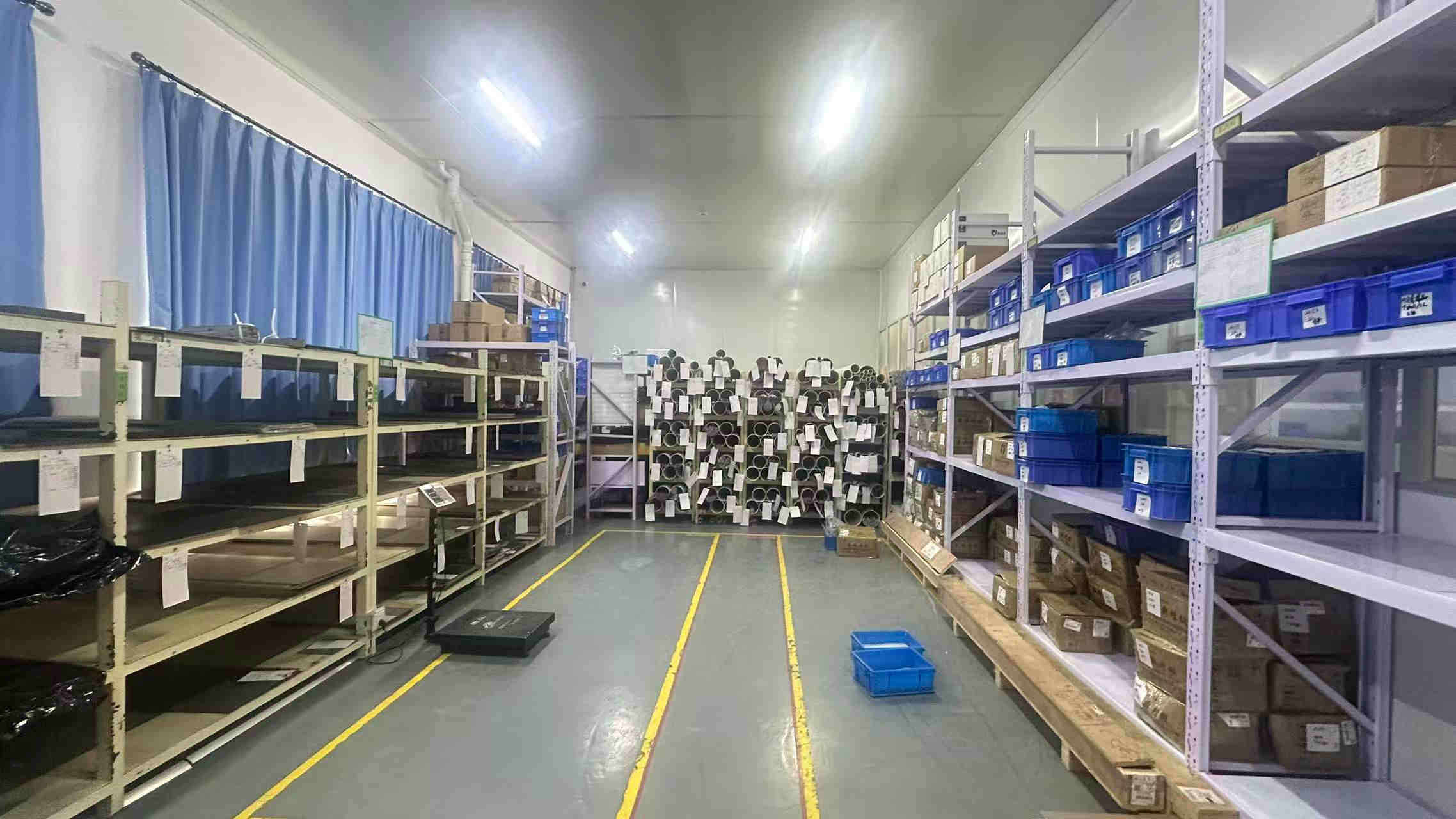
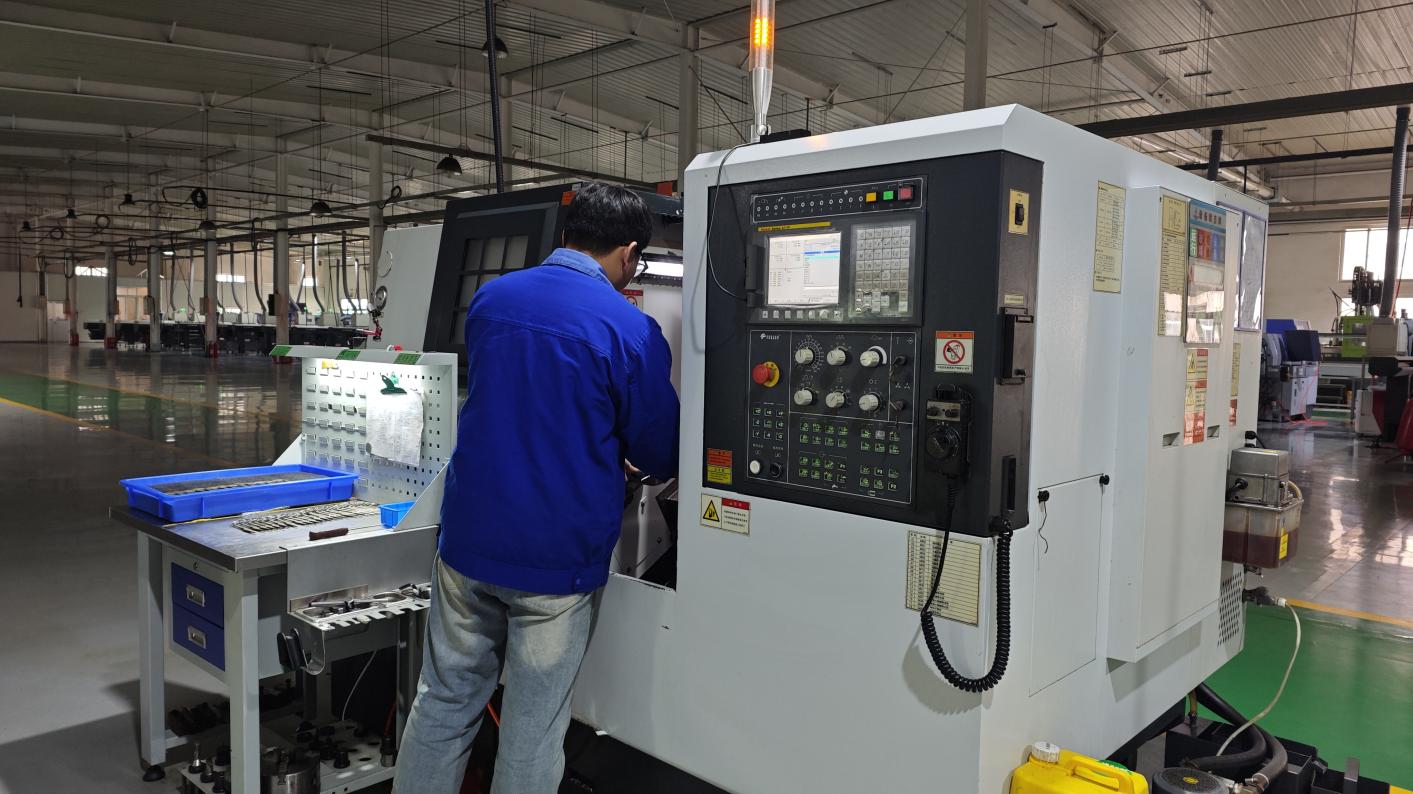
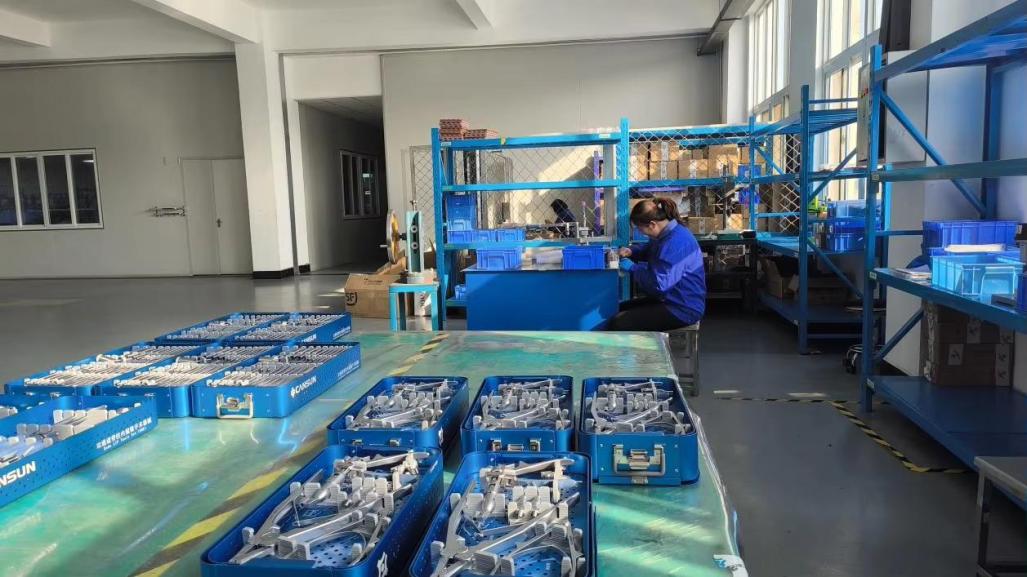
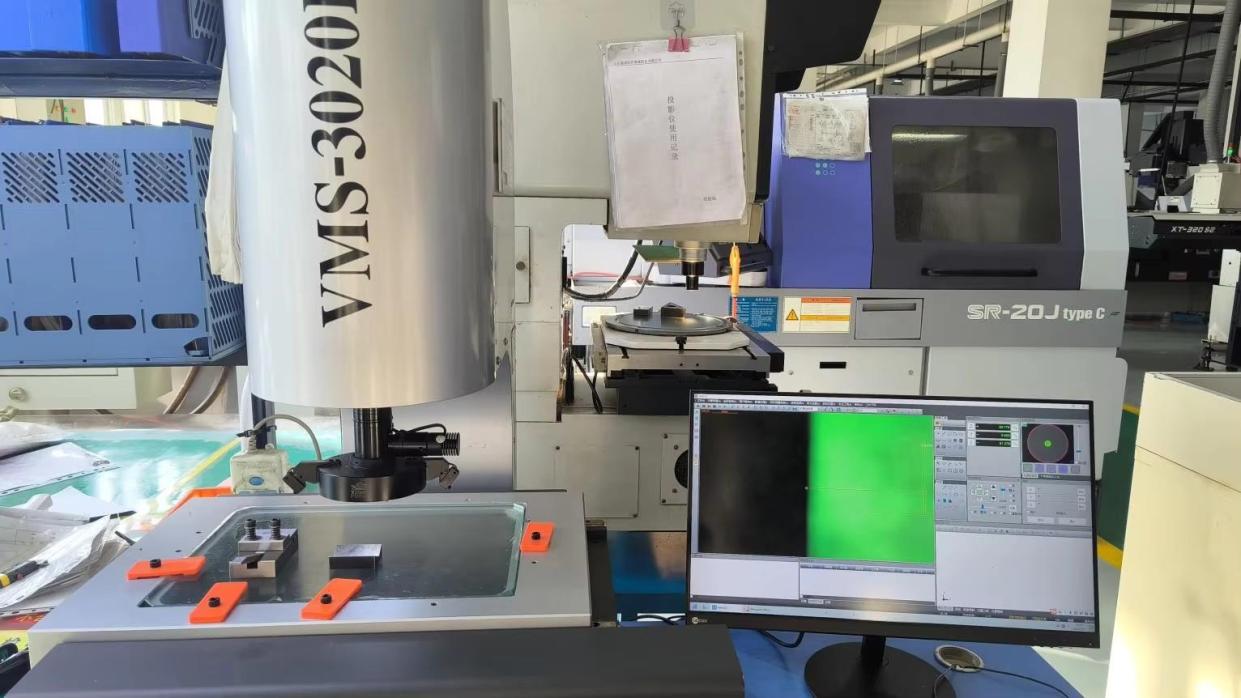
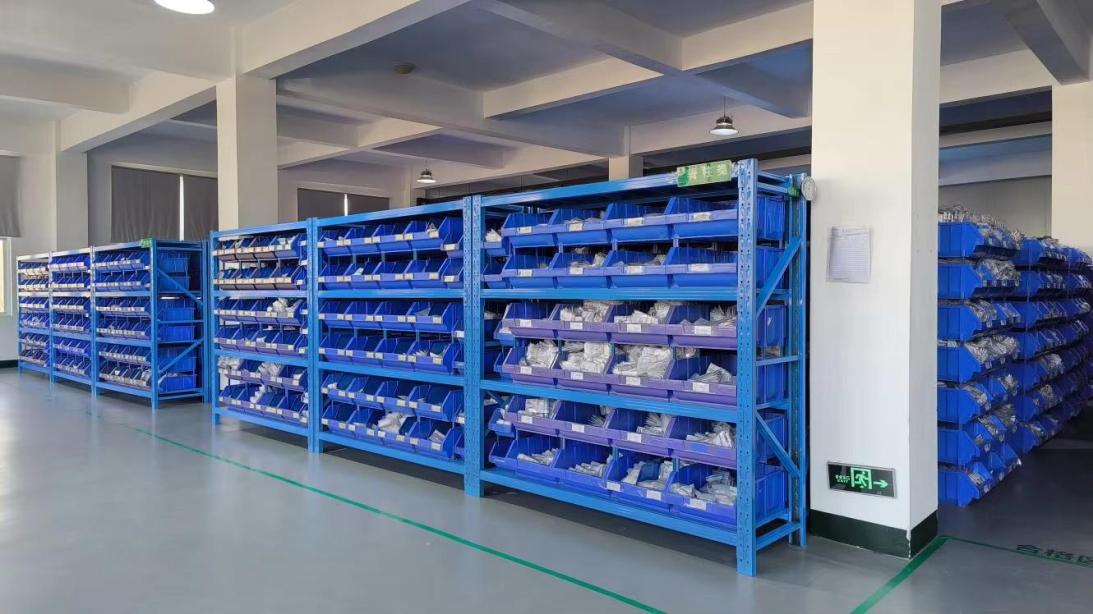
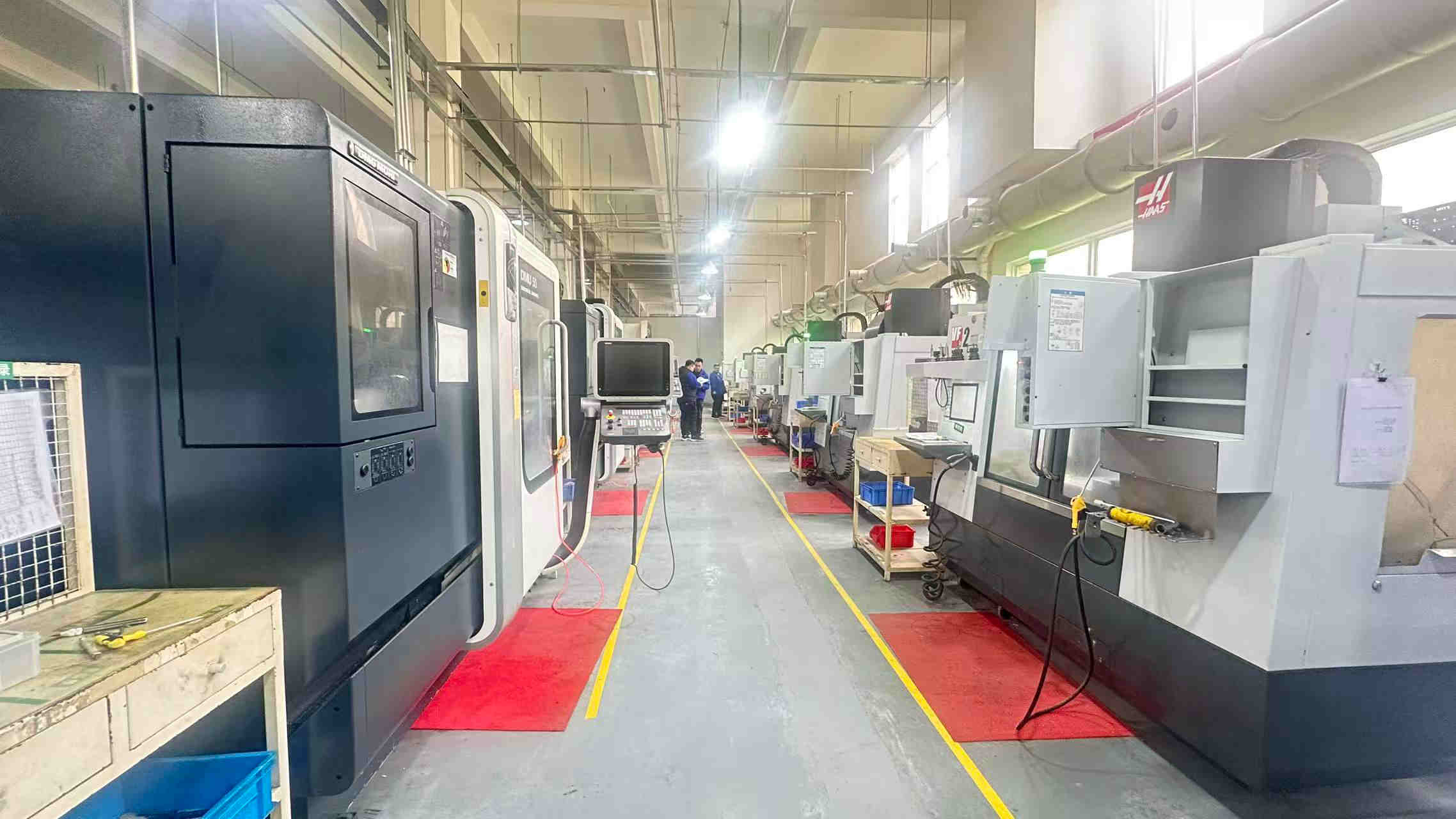
A look inside our modern facility, displaying our high-precision production machinery and technical infrastructure.
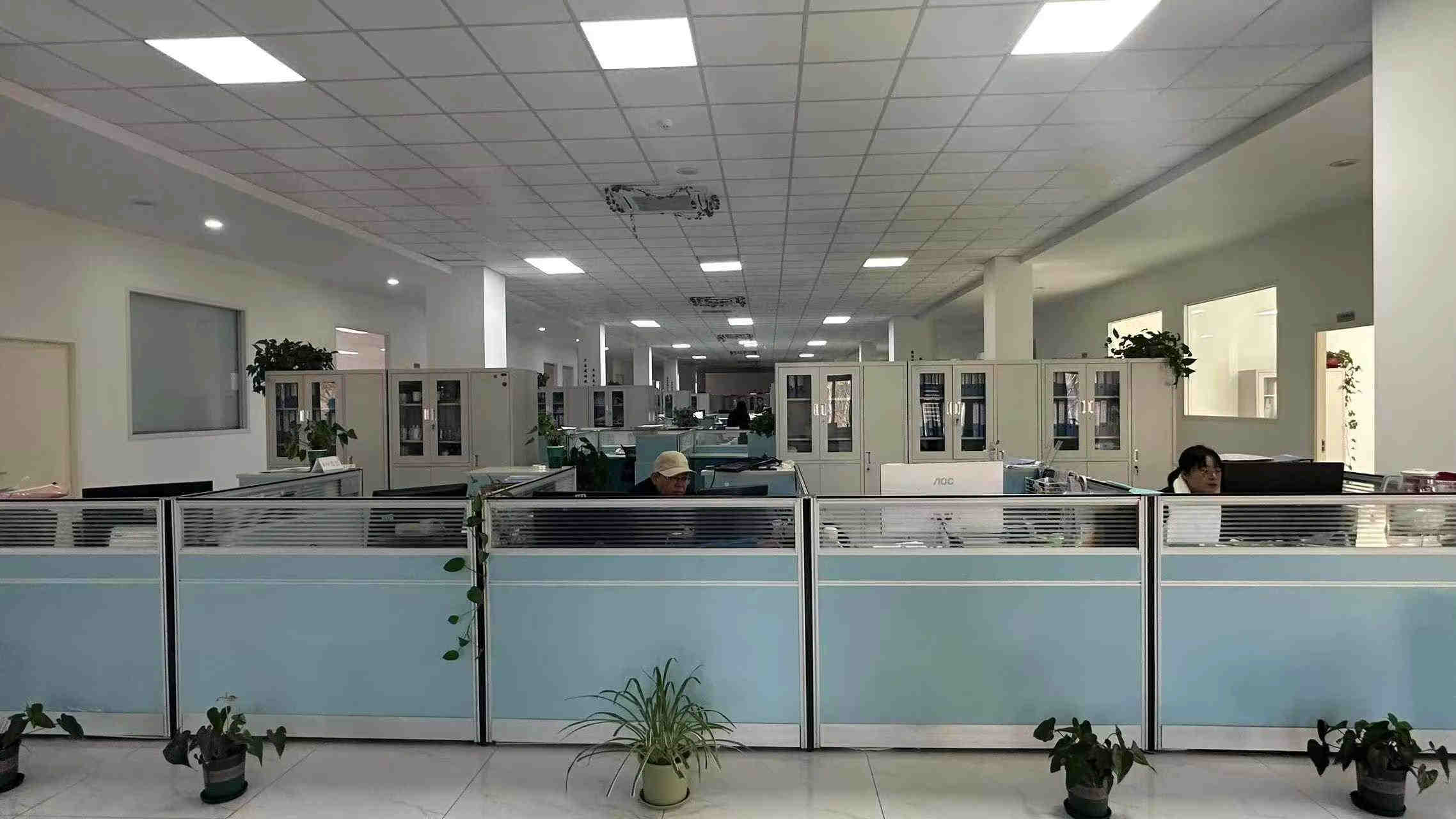
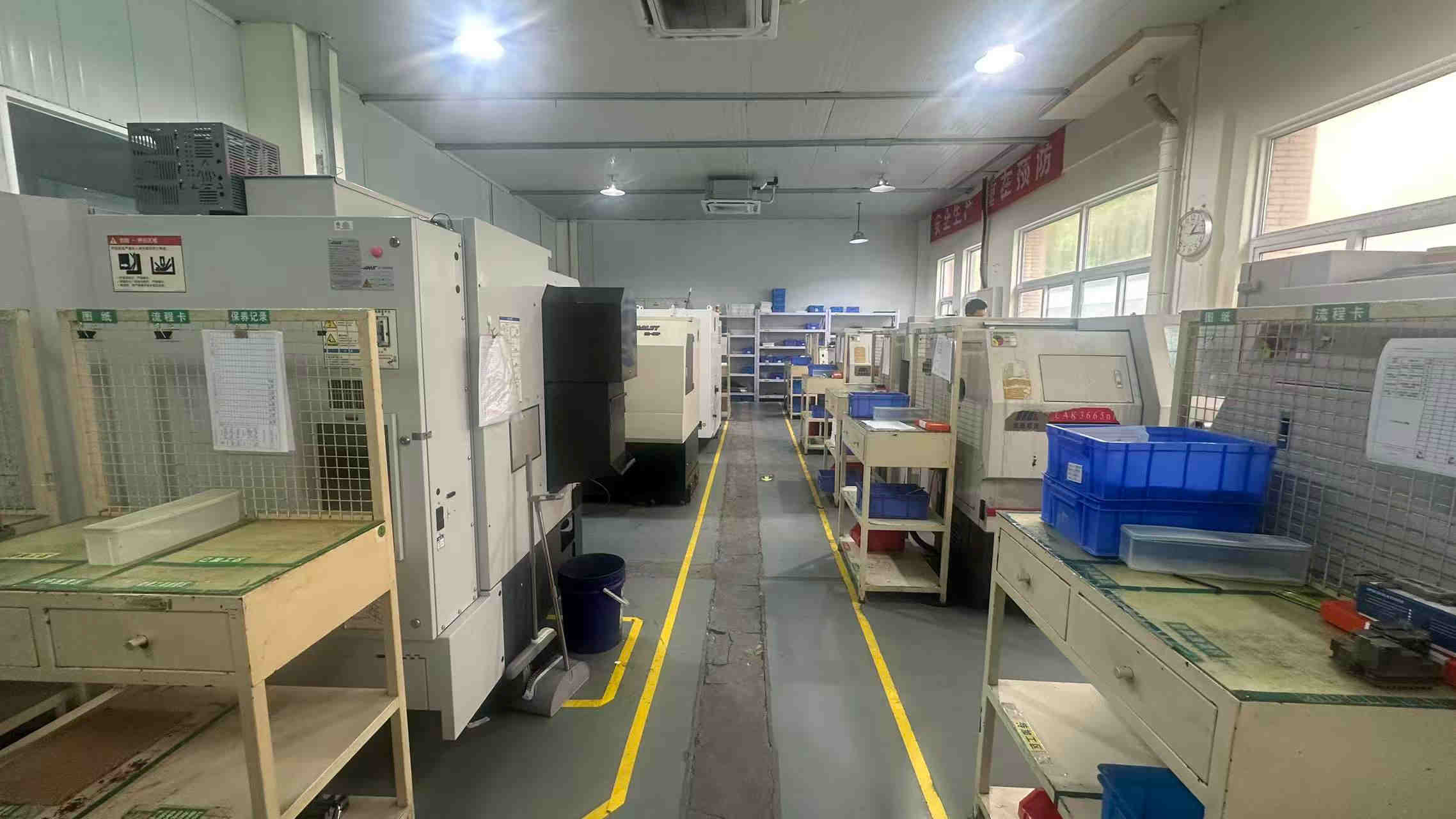
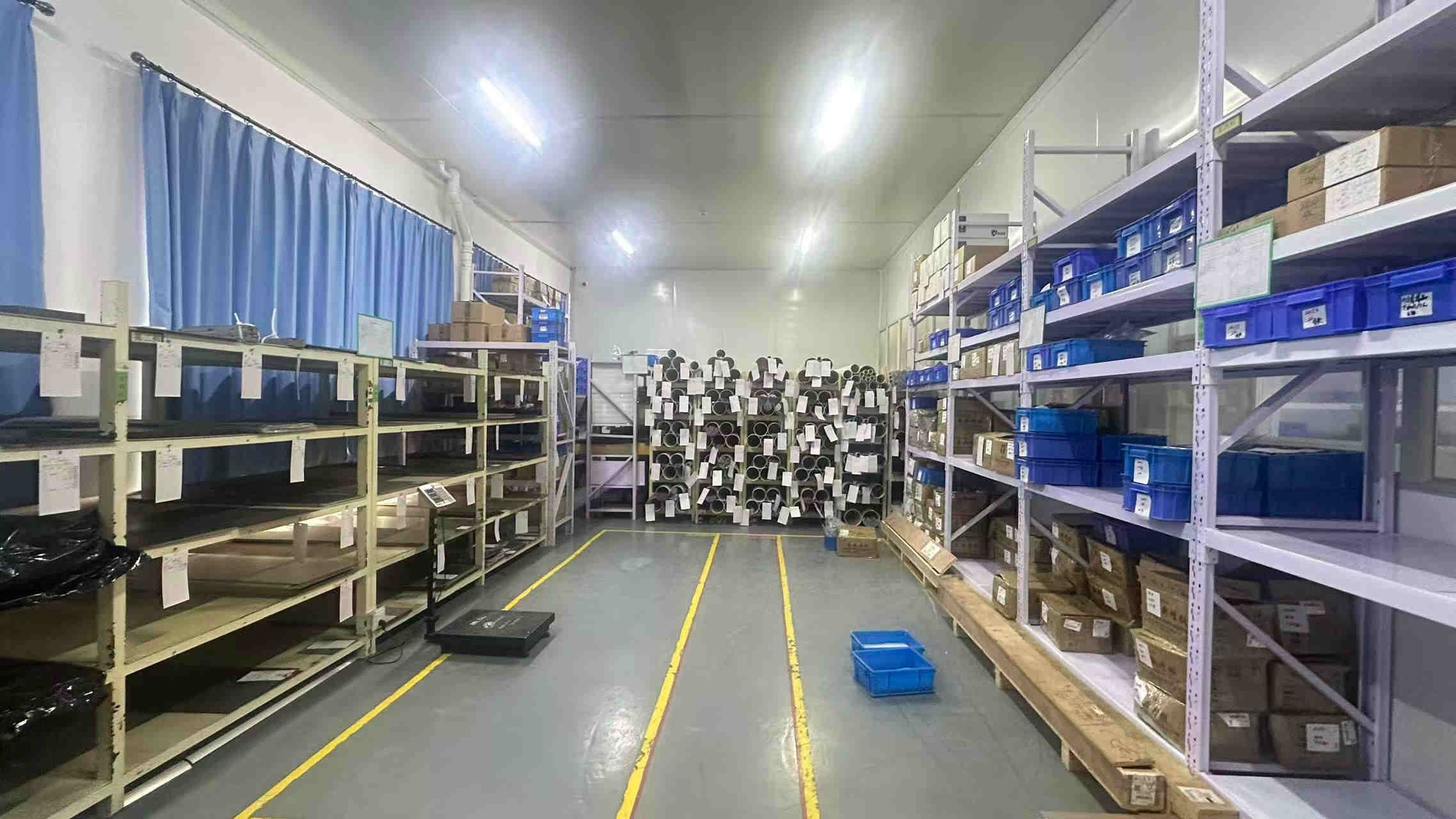
Recognizing the importance of supply-chain reliability in spinal surgery, we have optimized our distribution channels for Namibia. Our logistical network handles complex import requirements, customs clearance, and ensures prompt delivery to medical hubs.
We provide full spinal surgical instrument sets for polyaxial screws, reducing capital investment costs for hospitals. Every tray is organized for clean setup and efficient reprocessing within hospital autoclave systems.
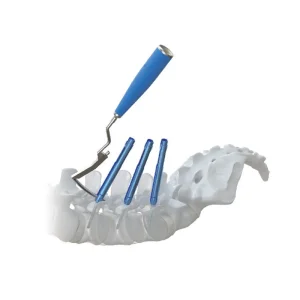
Leading technology trends in implant coatings, navigation compatibility, and minimally invasive protocols.
Our research and development division focuses on micro-rough and nano-textured titanium surfaces. Using advanced acid-etching and anodic oxidation, we create an optimized surface topography that promotes rapid bone apposition. This accelerates osseointegration, stabilizing the construct during the critical post-operative recovery phase.
As navigation-guided surgeries gain traction in Southern Africa, our implants are designed to seamlessly integrate with computerized surgical guidance and robotic platforms. Standardizing screw dimensions and geometry helps ensure compatibility with 3D intraoperative imaging, improving screw placement accuracy and reducing surgical revision rates.
Browse our full range of pedicle systems, laminate plates, and cannulated solutions available for export to Namibia.
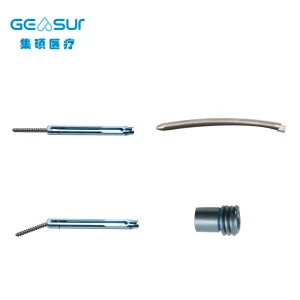
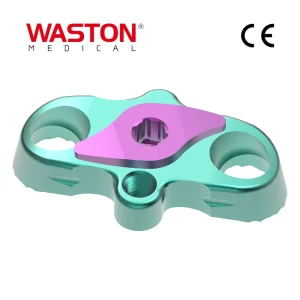
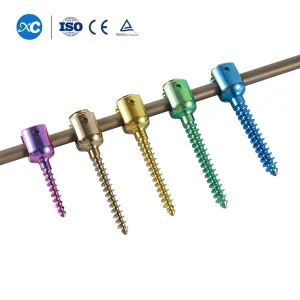
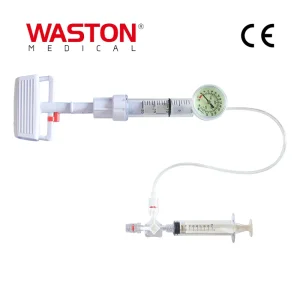
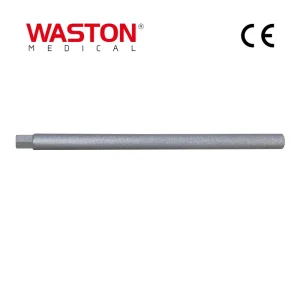
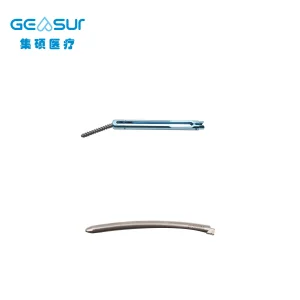
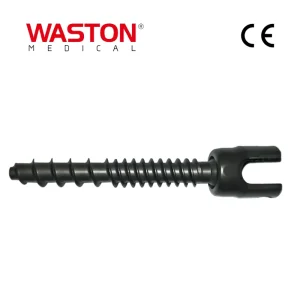
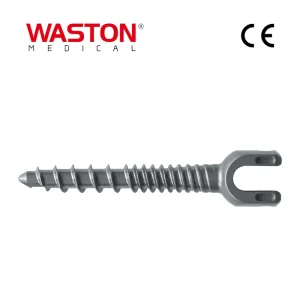
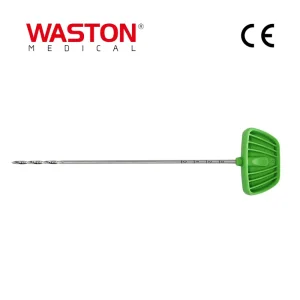
Detailed answers about importing, sterile processing, and biomechanical specifications for Namibian spinal surgical products.
Get in touch with our international sales and regulatory teams to discuss technical specifications, verify local certifications, and receive a customized quote for Namibian delivery.
Send Inquiry Now Medev Medical