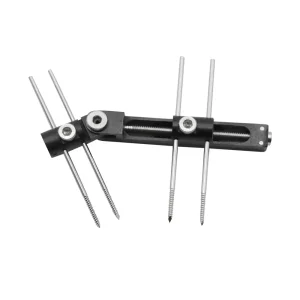
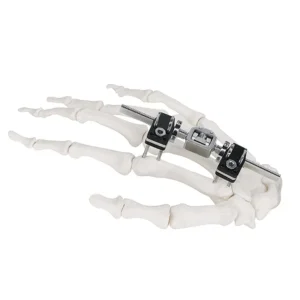
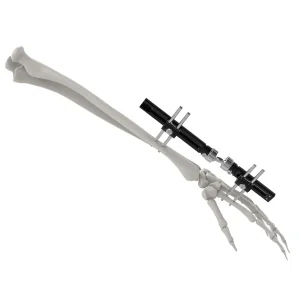
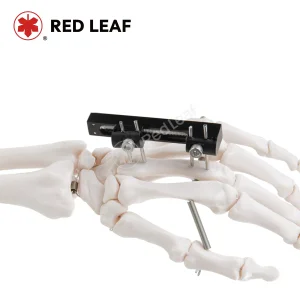
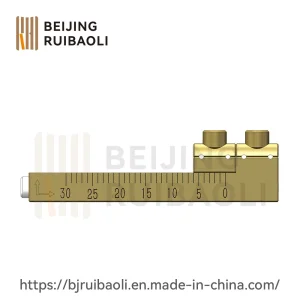
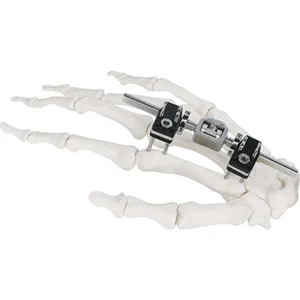
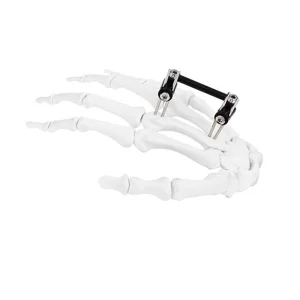
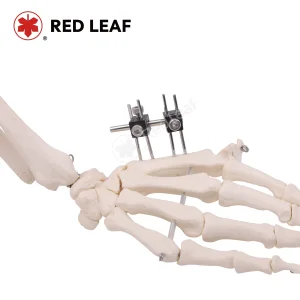
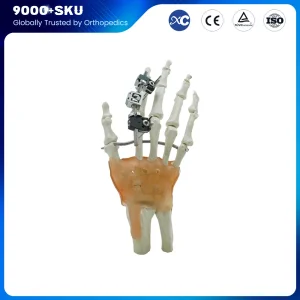
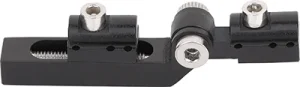
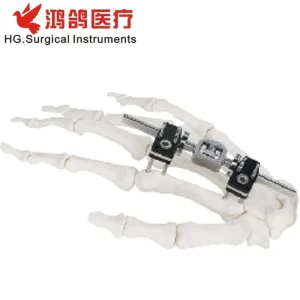
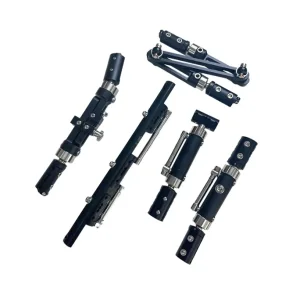
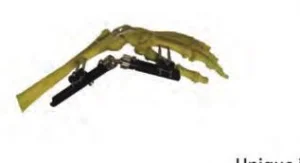
Engineered for instant rigidity, simple adjustment, and absolute stability during immediate emergency surgeries across clinical infrastructure in the DRC.
The Democratic Republic of the Congo (DR Congo) represents one of Africa's most complex healthcare and surgical environments. As urban centers like Kinshasa experience rapid demographic expansion, and the southeastern provinces (particularly around the Lualaba and Haut-Katanga mining belts, including Kolwezi and Lubumbashi) scale up industrial and artisanal mining operations, the incidence of severe extremity trauma has escalated exponentially. Road traffic accidents (predominantly involving motorcycles and light transport vehicles) combined with heavy machinery manual labor incidents result in high-energy fractures of the hands, fingers, wrists, feet, and ankles.
In these environments, traditional open reduction internal fixation (ORIF) carries an elevated risk of infection due to environmental exposure, high rates of open wounds, and varying levels of post-operative sterile care resources in remote clinics. Mini External Fixators (Hand/Foot) serve as the frontline clinical defense. By offering percutaneous skeletal stabilization without disrupting the compromised soft-tissue envelope surrounding delicate metacarpals, metatarsals, and phalanges, they significantly reduce the incidence of chronic osteomyelitis and structural limb loss.
Surgical intervention within the hand and foot demands absolute precision. The bones of the hand (phalanges, metacarpals) and the foot (metatarsals, calcaneus, and phalanges) require stabilization that respects delicate joint mechanics and preserve range of motion. Chengdu Medev’s mini external fixation systems are structured around several core clinical pathways:
1. Closed and Open Fractures of the Metacarpals & Phalanges: Complex crush injuries from mining machinery or high-impact collisions are stabilized using our Mini Rails or Combined systems. The percutaneous placement of 1.5mm to 2.5mm bone pins guarantees structural alignment without extensive surgical exposure.
2. Articular Distraction for Joint Stiffness Prevention: Using joint-motion and dynamic external fixators allows early controlled mobilization. This is critical in hand surgery, where prolonged immobilization inevitably leads to irreversible tendon adhesion and joint contracture.
3. Osteotaxis and Soft Tissue Management: In cases of severe open blast wounds or machinery mangles, mini fixators bridge the defect, allowing surgeons to perform serial debridements, negative pressure wound therapy (NPWT), or skin grafting without sacrificing skeletal alignment.
Our current research and production pipelines emphasize key technological upgrades aimed at increasing biomechanical performance in tropical, high-humidity, and resource-restricted environments:
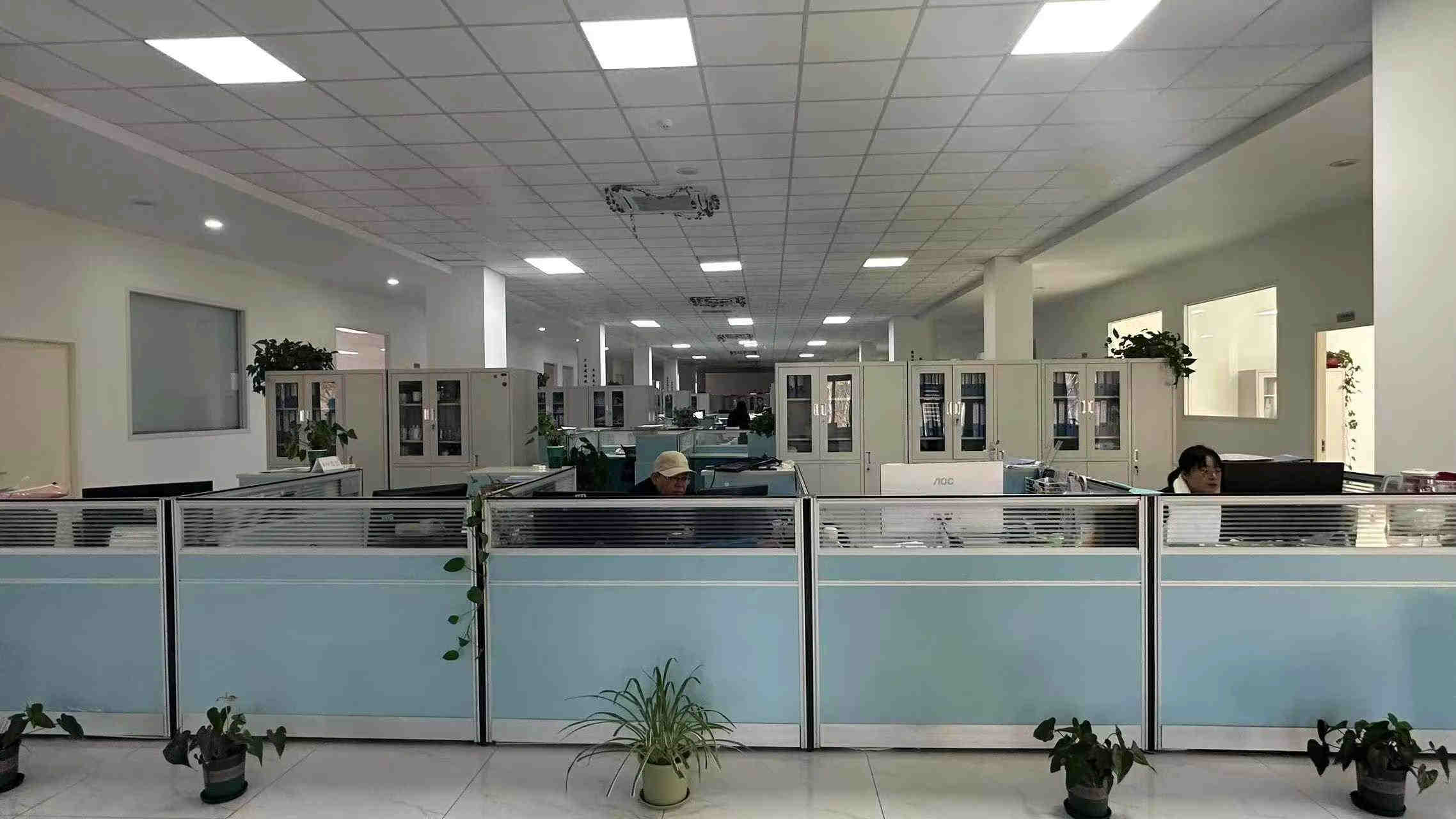
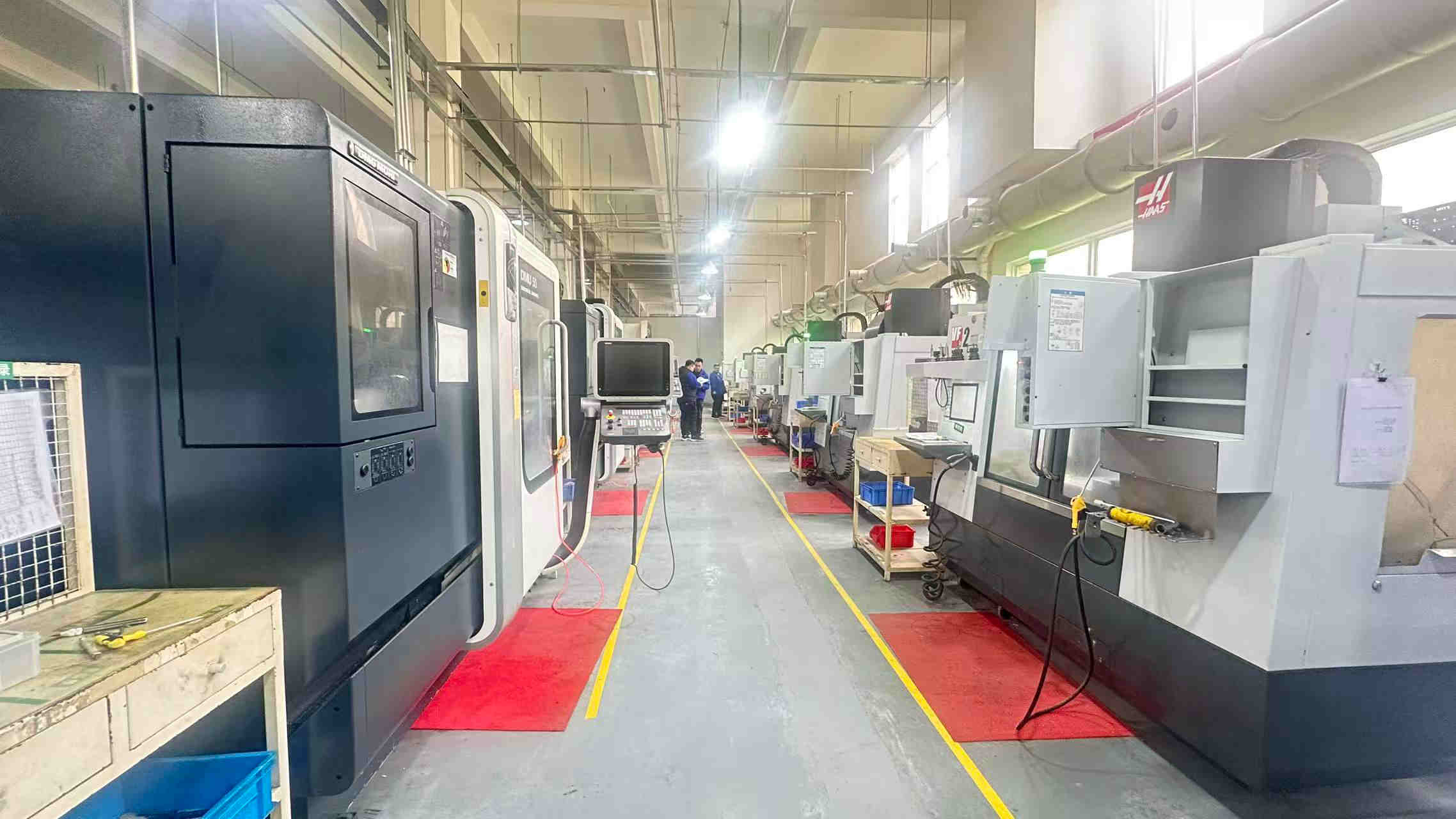
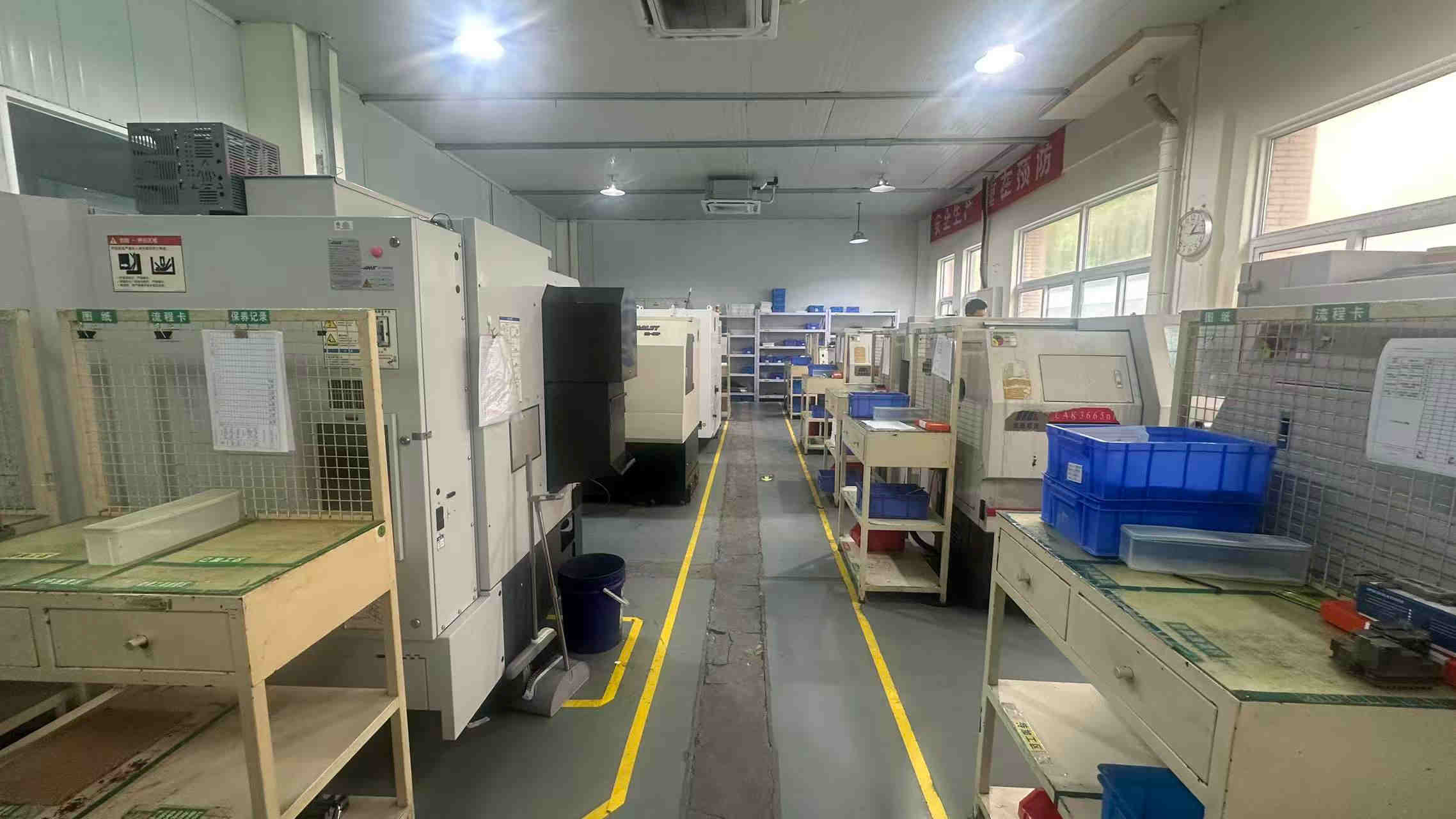
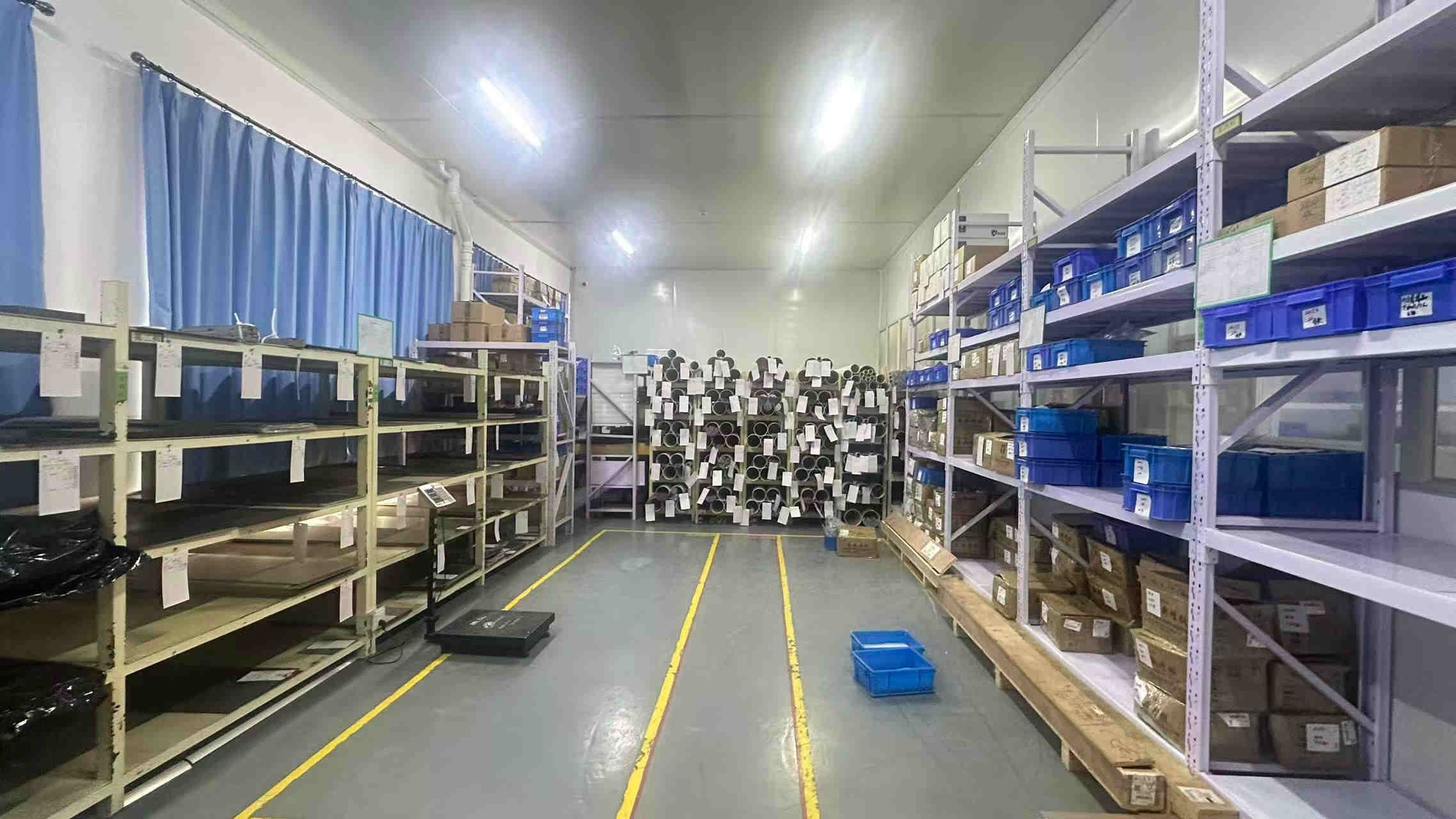
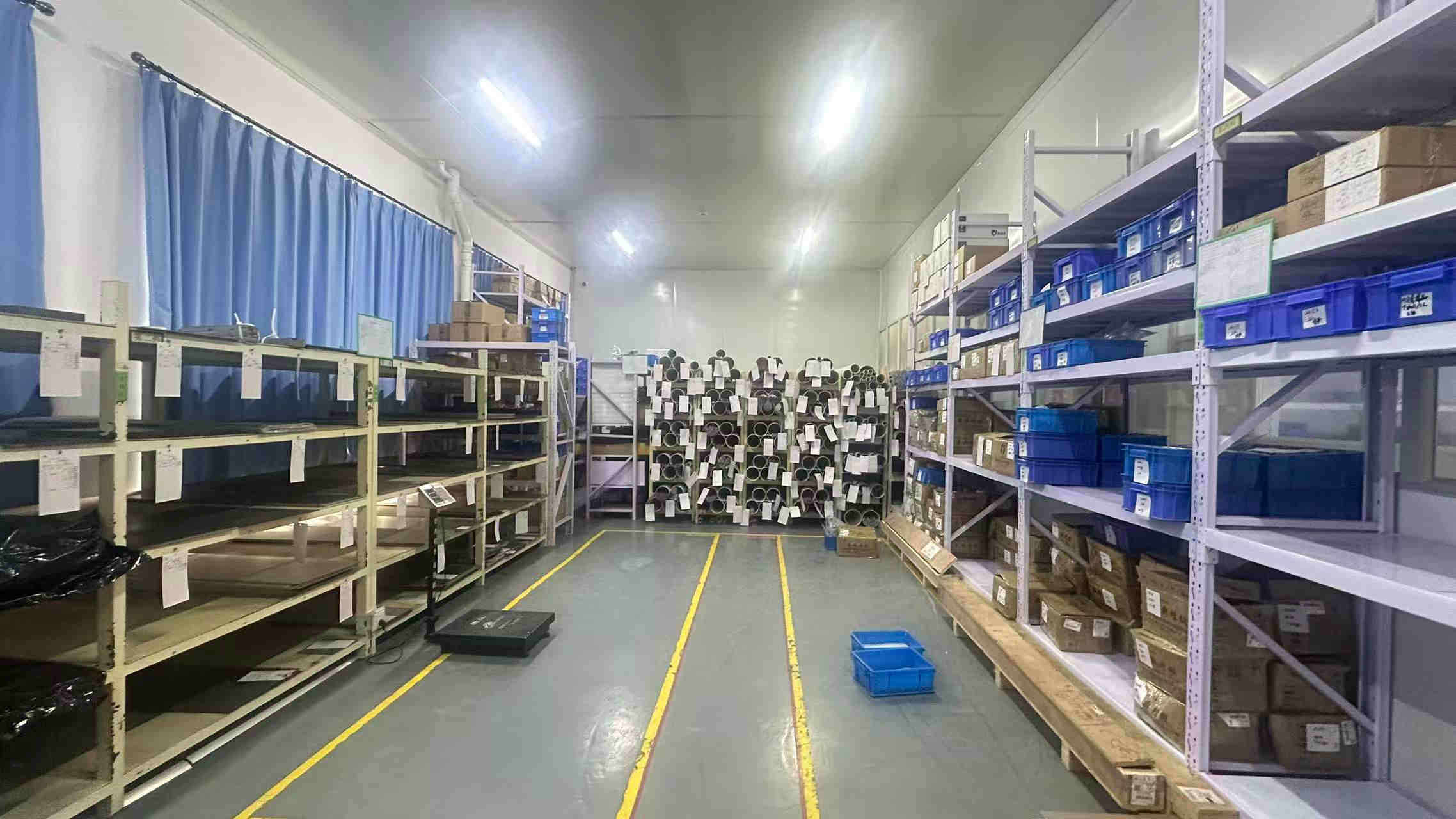
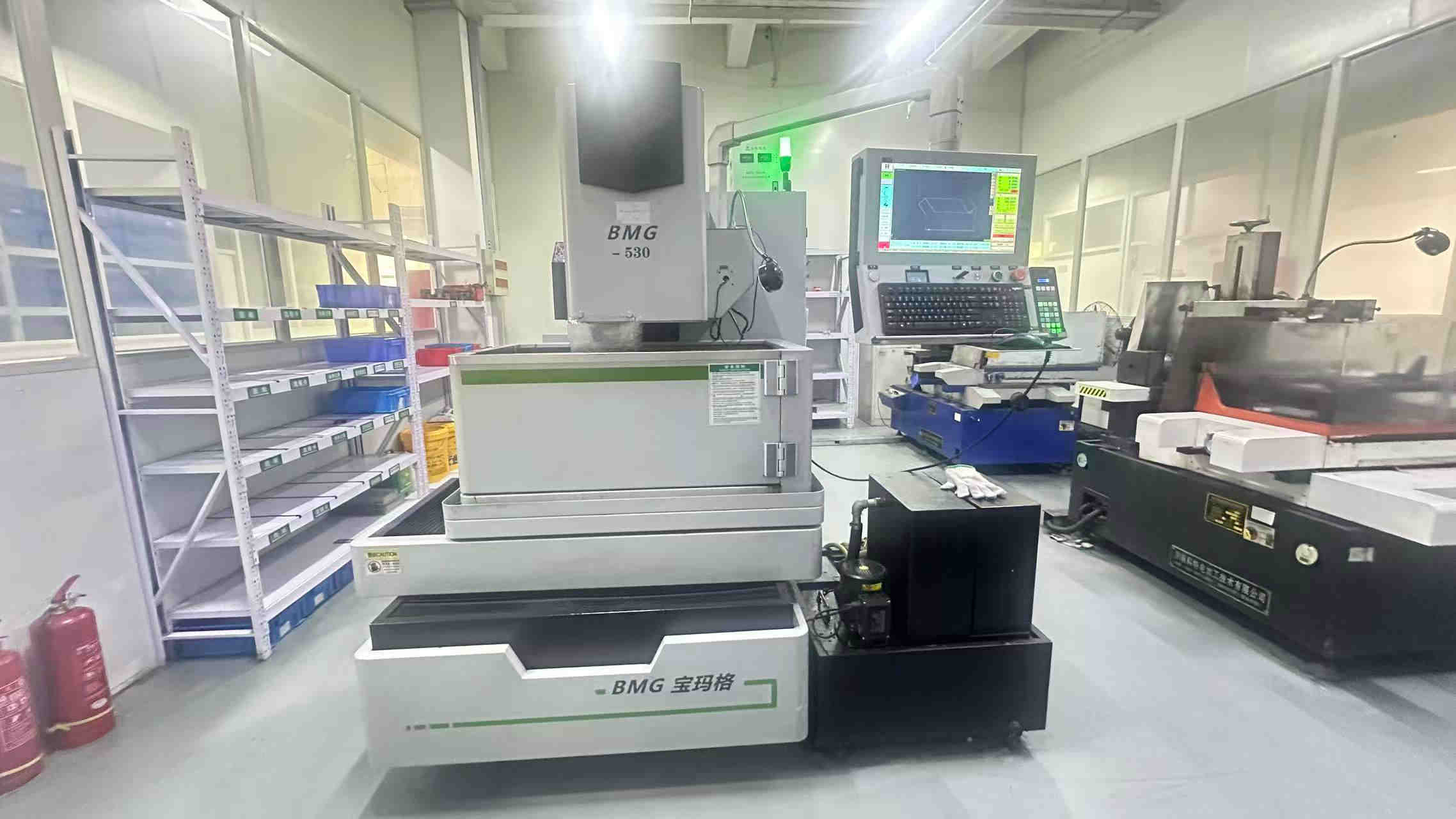
Chengdu Medev Medical Instruments Co., Ltd., Ltd was founded in 2001, covers an area of 18,000 ㎡ , including a floor area of over 15,000 ㎡ . Its registered capital reaches 20 million Yuan. which is specialized in product research, design and manufacturing of orthopedic implant instruments. As the leader in orthopedic implants and instruments manufacturing, We have been successfully supplying to 1000+ clients in 120+ countries for over 20 years thanks to extensive know-how and expertise. We adhere to the ‘people-oriented, integrity first, continuous innovation, the pursuit of excellence,’ the concept of guarding human health!
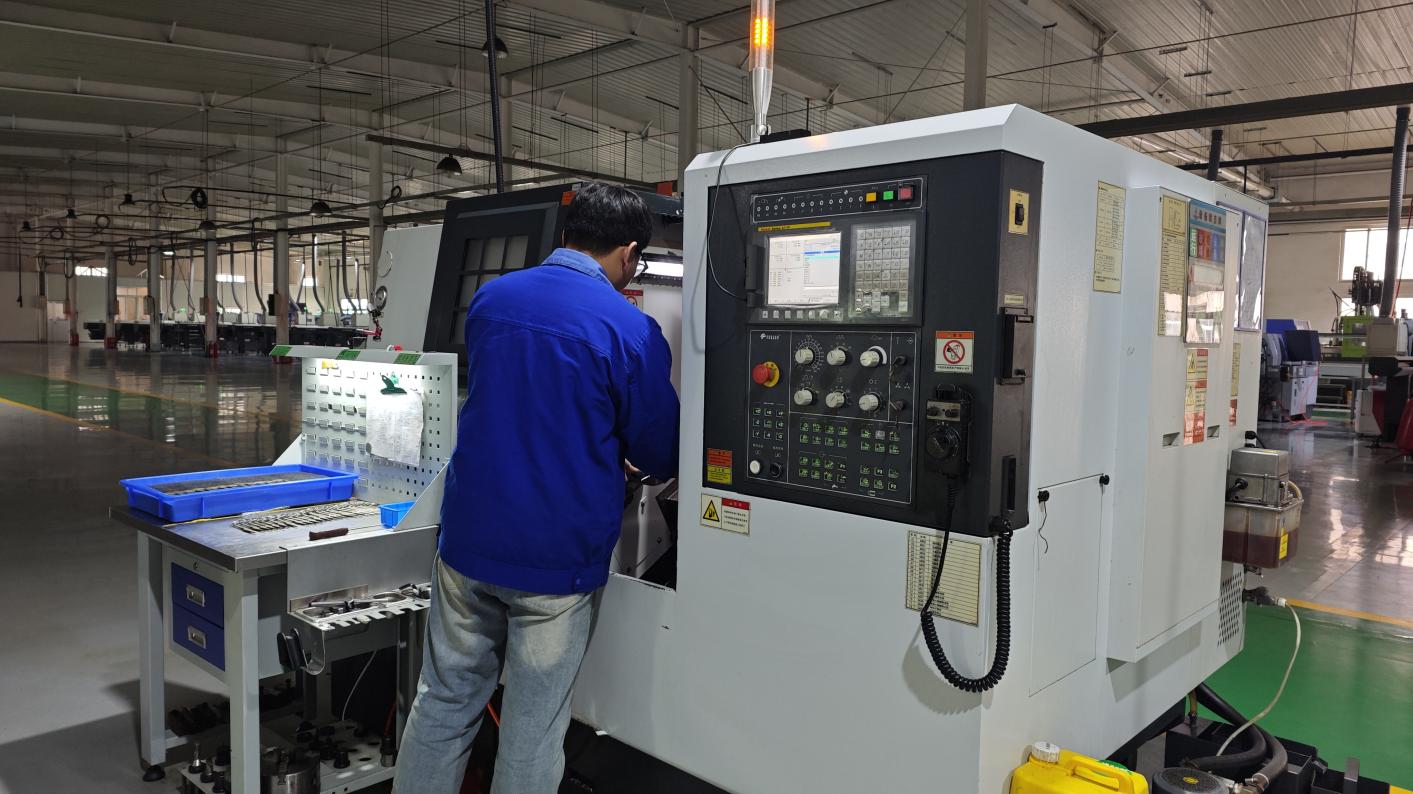
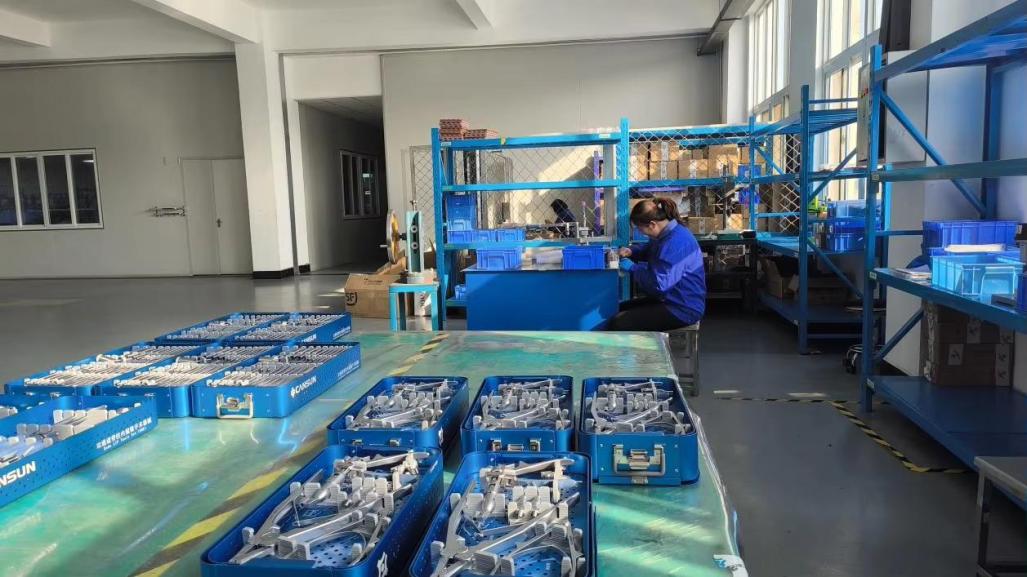
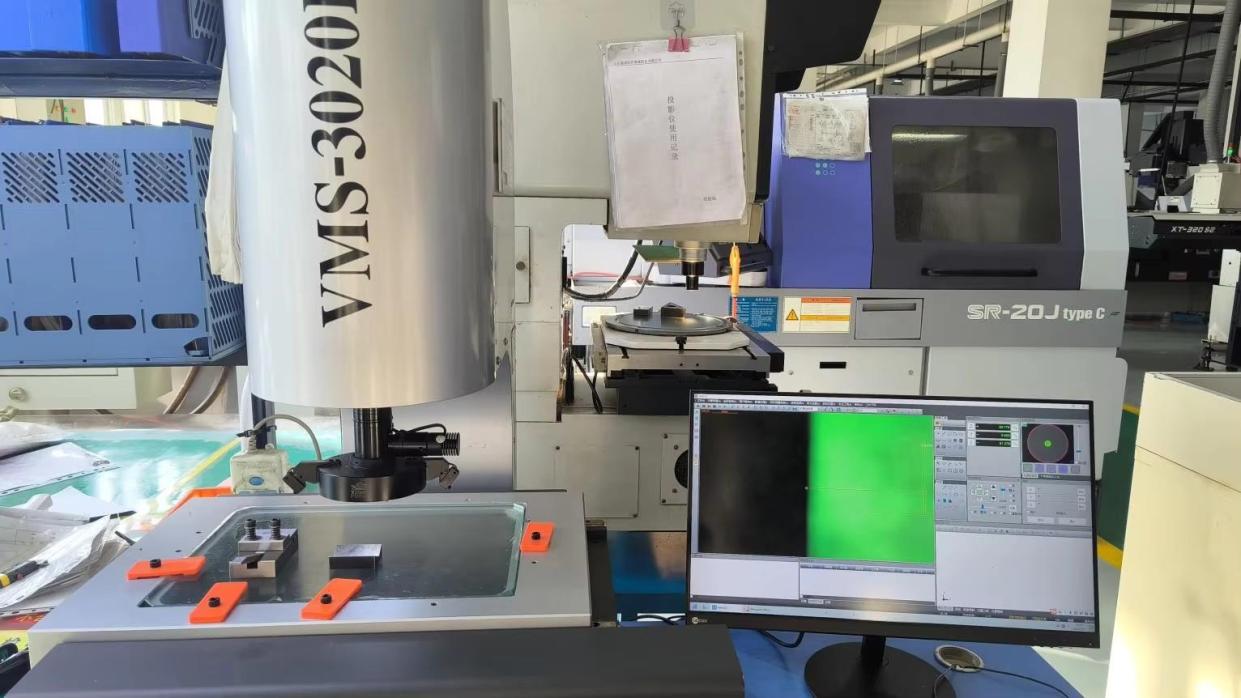
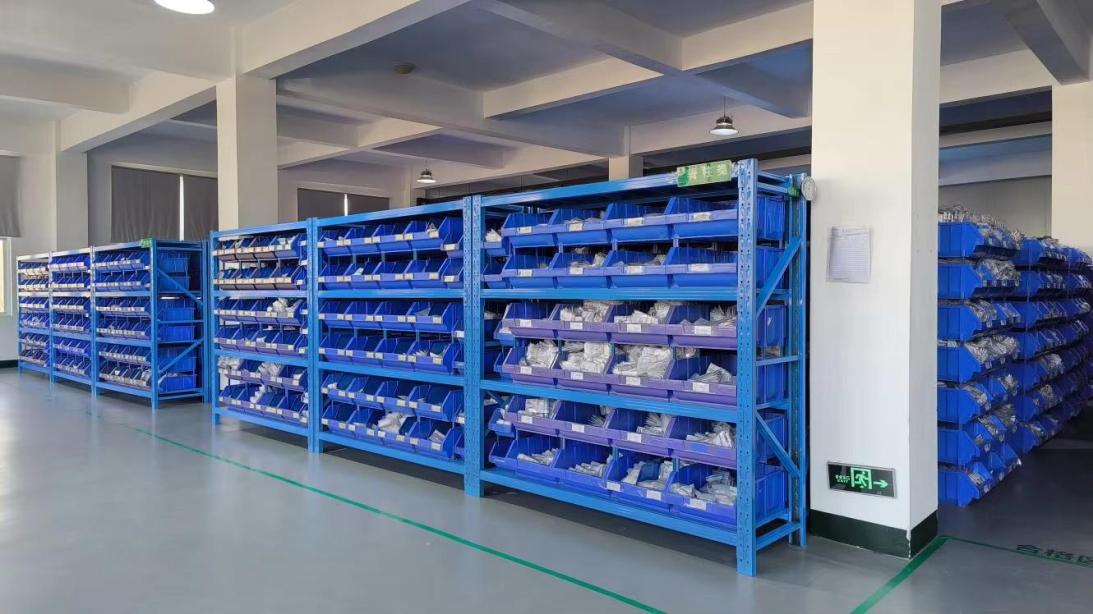
Our intelligent smart facility coordinates precise raw material metallurgy, state-of-the-art robotic milling, and microscopic diagnostic validation protocols.
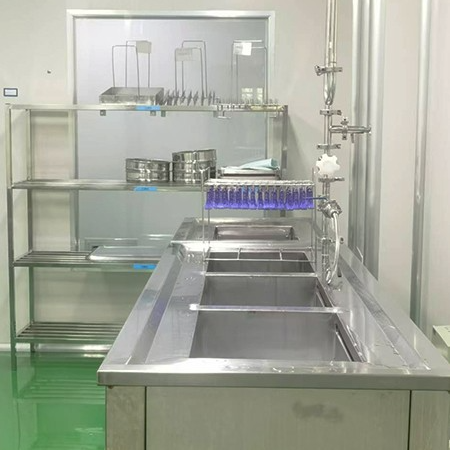
Cleaned implants have a cleaner surface, helping to reduce the risk of post-operative infection. Ensures that the implant is safer to apply to the patient during surgery.
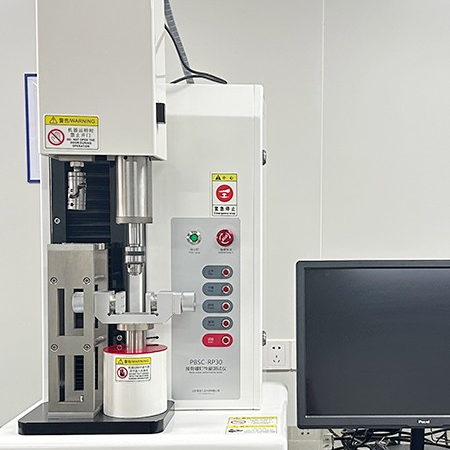
Tests the tensile strength, yield strength and elongation of materials. Simulates the tensile forces to which the implant is subjected in the body.
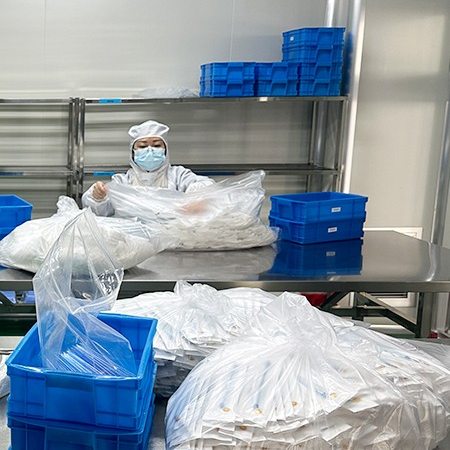
Packaging should ensure a good seal to prevent the entry of external contaminants. Use heat sealing, pressing or gluing to ensure the integrity of the package.
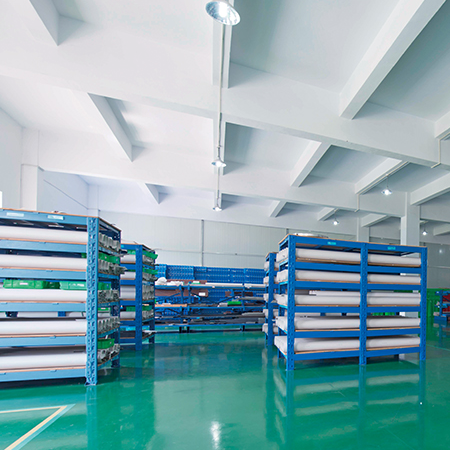
Every batch undergoes non-destructive testing and visual micrometer scanning to ensure conformance to CE standards before bulk container sealing.
Operating as an orthopedic supplier in the DRC requires a thorough understanding of import regulations, sanitary certifications, and transport infrastructure realities. Chengdu Medev provides structural solutions designed to mitigate typical supply chain challenges in Central Africa:
We organize shipping via ocean routes directly to Matadi Port with multimodal transport forwarding to Kinshasa, and air cargo routes landing directly at N'djili International Airport for urgent trauma emergencies. We also structure land transit via Dar es Salaam or Durban ports for the mining complexes in Lubumbashi and Kolwezi.
All mini external fixation implants meet ISO 13485 quality standards, hold CE marks, and are supplied with matching Certificates of Analysis and Free Sale Certificates. We collaborate with DRC local distributors to facilitate smooth documentation clearance with the Ministry of Health.
Every shipment is accompanied by comprehensive mechanical templates, color-coded sterilization manuals, and interactive training materials to ensure local clinical technicians and surgeons can easily assemble and apply the fixator configurations under sterile field conditions.
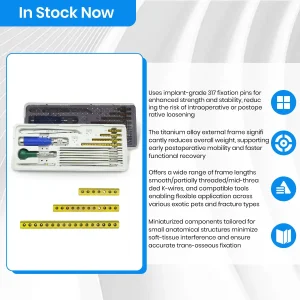
A comprehensive array of specialized rails, articulating joint systems, and veterinary-specific skeletal stabilization solutions designed for demanding environments.
Medical device procurement within Central Africa requires strict attention to material reliability, system versatility, and cost efficiency. The following protocol provides a structural framework for procurement directors evaluating mini external fixation solutions for bulk purchasing:
Ensure all structural implants are made from Ti-6Al-4V ELI (Grade 5 ASTM F136) titanium alloy or surgical-grade 316LVM stainless steel. The mechanical stress profile of the hand/foot requires high elasticity combined with structural rigidity to withstand physiological forces.
Standardize on setups that use identical pin diameter slots (typically 1.5mm to 2.5mm pins) and uniform compression/distraction instruments. Minimizing the number of surgical wrenches reduces tray weight, saves sterilizer chamber space, and decreases intraoperative assembly errors.
Implant packaging must be double-sterile barrier compliant (heat-sealed Tyvek/Pet-G blisters). This prevents humidity and physical dust ingress during transport through varying African climates and prolonged customs storage.
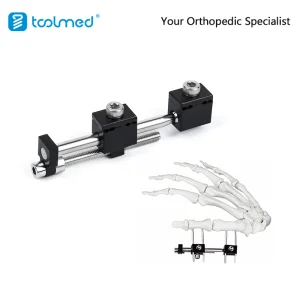
Providing high-precision joint restoration options and universal pin-clamping modules for complex reconstructive hand and foot orthopedics.
Essential technical, logistical, and clinical information for healthcare providers and procurement professionals seeking orthopedic external fixators in DR Congo.
 Medev Medical