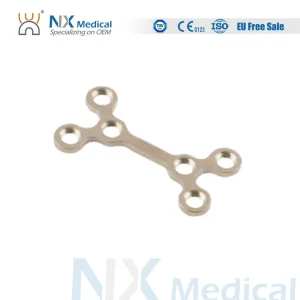
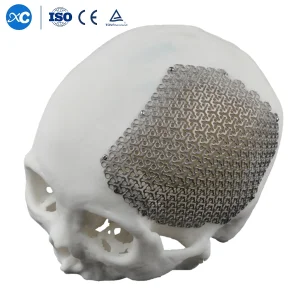
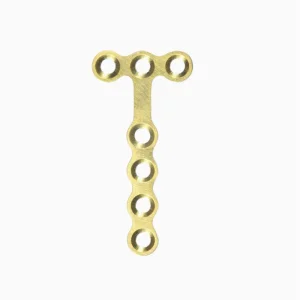
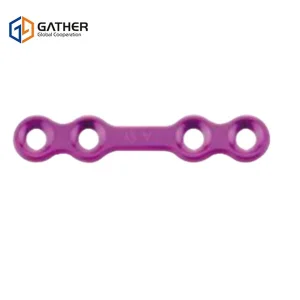
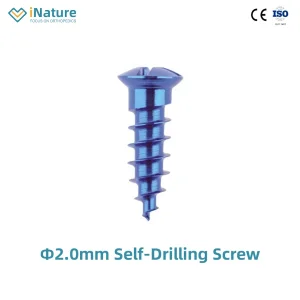
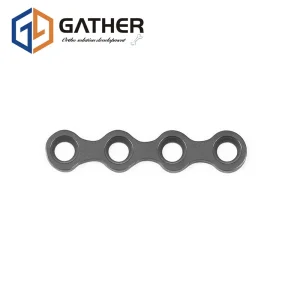
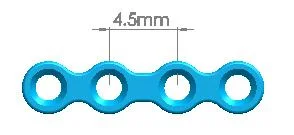
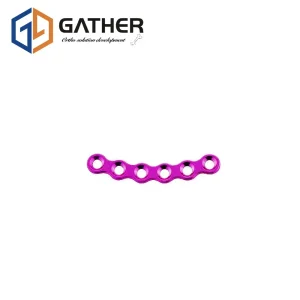
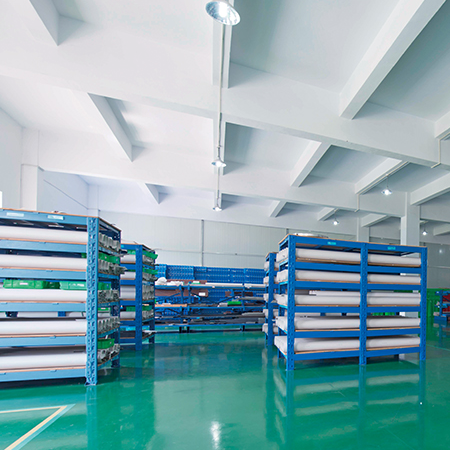
Premium CMF Fixation Plates, 3D Custom Titanium Meshes, and Patient-Specific PEEK Reconstruction Systems Engineered for Surgeons in Malabo, Bata, and Central Africa.
Equatorial Guinea, with its strategic position in the Gulf of Guinea, is undergoing an ambitious modernization of its public and private healthcare systems. Led by initiatives from the Ministry of Health and Social Welfare (MINSABS), hospitals in Malabo (Bioko Island) and Bata (Continental Litoral Province) are expanding their tertiary care units, specifically targeting complex surgical disciplines such as orthopedics, neurosurgery, and cranio-maxillofacial (CMF) surgery. Historically, surgical teams at major institutions—including the Hospital Regional de Bata, Hospital Regional de Malabo, and the modern La Paz Medical Centers—have faced challenges due to long shipping pipelines, high unit costs, and limited customization options for implants.
The rise in vehicular traffic and heavy industrial projects across the oil-and-gas sectors has increased high-energy trauma incidents. These injuries frequently lead to severe facial fractures, complex mandibular dislocations, and cranial structural losses that require immediate, reliable internal osteosynthesis. Consequently, the Equatorial Guinean healthcare market is shifting away from non-standardized plating systems toward high-precision, variable-angle locking plate systems (LCP) and patient-specific implants (PSIs) that reduce surgical times and decrease long-term patient recovery burdens.
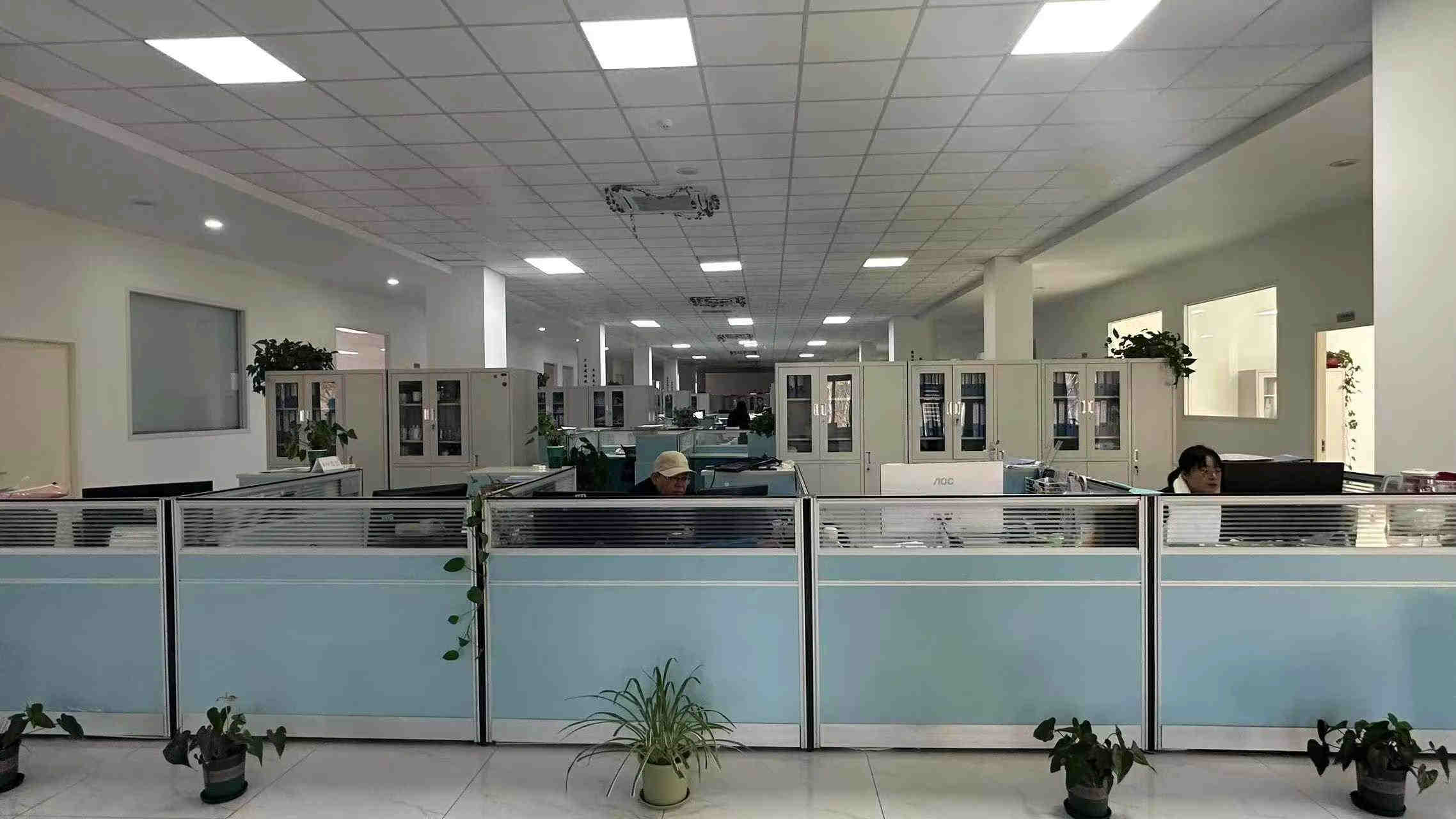
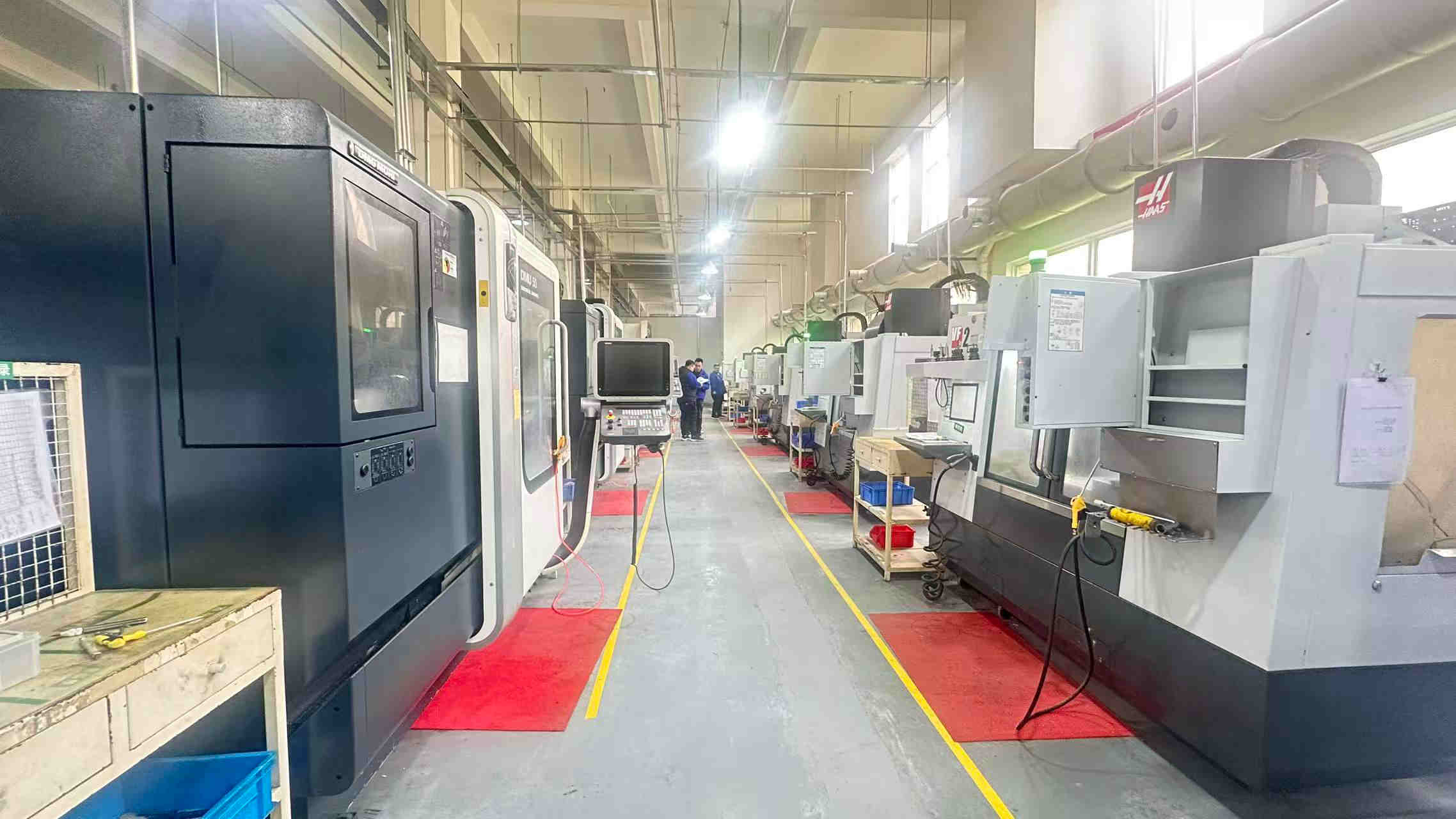
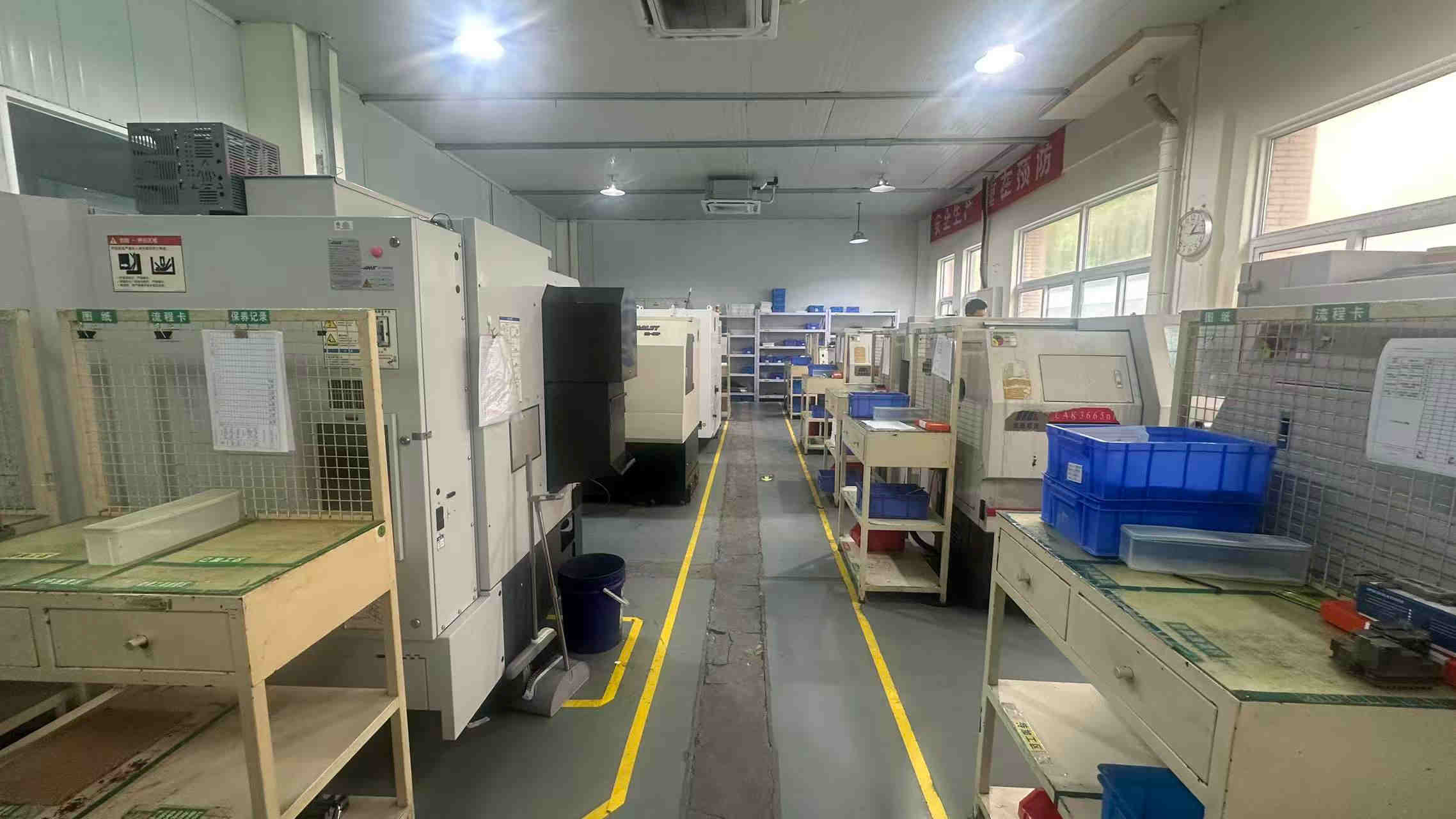
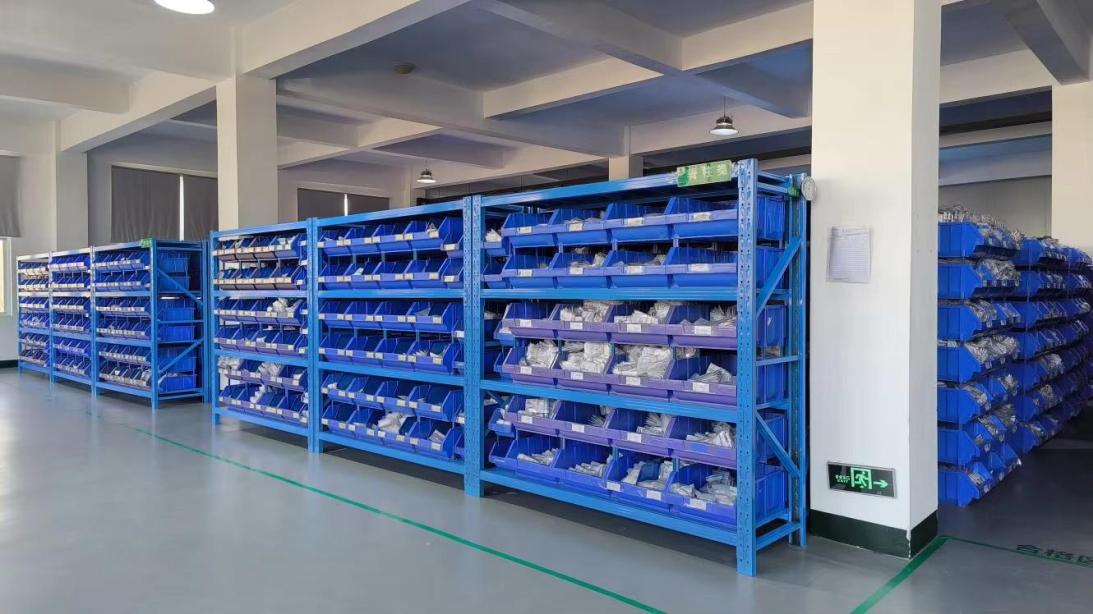
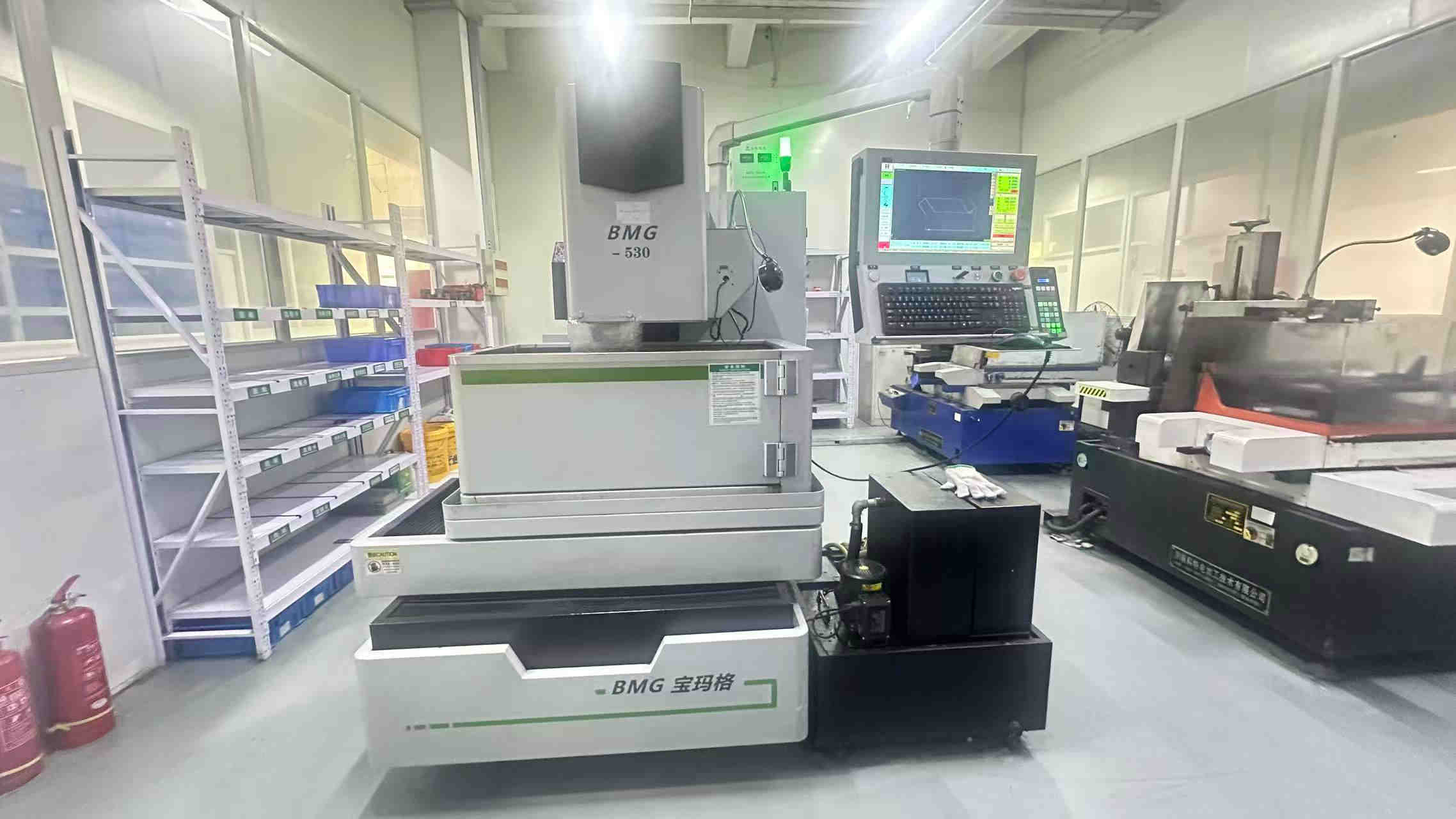
Sourcing orthopedic implants directly from a proven manufacturer like Chengdu Medev Medical Instruments Co., Ltd. offers Equatorial Guinean surgical buyers a clear advantage. Founded in 2001 with a registered capital of 20 million Yuan, Chengdu Medev has established itself as an industry leader, maintaining an 18,000 m² state-of-the-art facility (including a floor area of over 15,000 m²). By eliminating middle-tier distributors, we supply clinical products directly, ensuring that surgeons in Bata and Malabo have cost-effective, high-grade implants that meet CE and ISO certifications.
The global maxillofacial implant industry is experiencing a rapid technological transition toward biocompatible polymers and customized 3D metal modeling. Traditional titanium plates, while remaining the gold standard for high mechanical load areas like the mandibular symphysis and angle, are increasingly complemented by advanced polymers like Polyetheretherketone (PEEK) for non-load-bearing regions, such as the cranial vault, zygomatic arch, and orbital floors. PEEK offers a Young's modulus highly comparable to cortical bone, significantly reducing stress shielding and the risk of implant extrusion or discomfort in patients living in humid, equatorial climates.
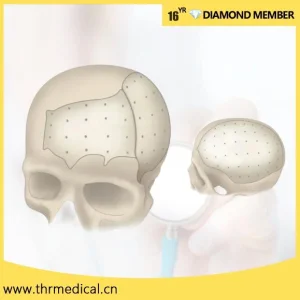
Furthermore, the integration of Computed Tomography (CT) data with CAD/CAM technology allows for the fabrication of 3D Anatomical Cloud Shape Cranial Meshes and Custom PEEK Repair Systems. These Patient-Specific Implants (PSIs) match the patient's exact anatomical contour, eliminating the manual intraoperative bending of titanium plates. This reduces operating room (OR) times by up to 40%, directly lowering the risk of post-operative surgical site infections—a key concern in clinical environments worldwide.
Unlike conventional locking plates, variable-angle technology allows surgeons to angulate locking screws up to 15 degrees in any direction. This flexibility is vital when navigating delicate structures like dental roots, nerves, and thin sinus walls, enabling stable fixation in highly compromised cranial and mandibular anatomy.
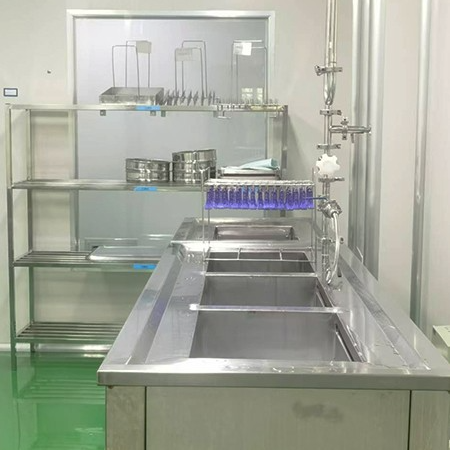
Cleaned implants feature an ultra-pure surface, minimizing chemical and biological residues to reduce post-operative inflammation and ensure long-term biocompatibility.
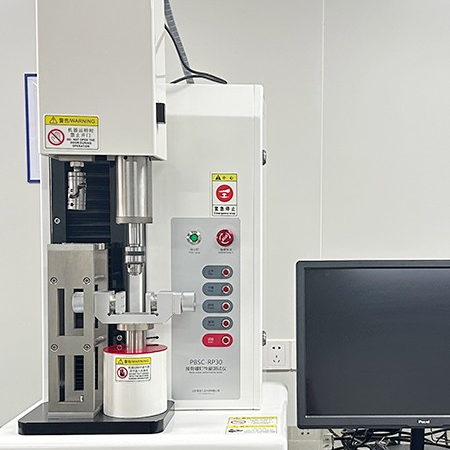
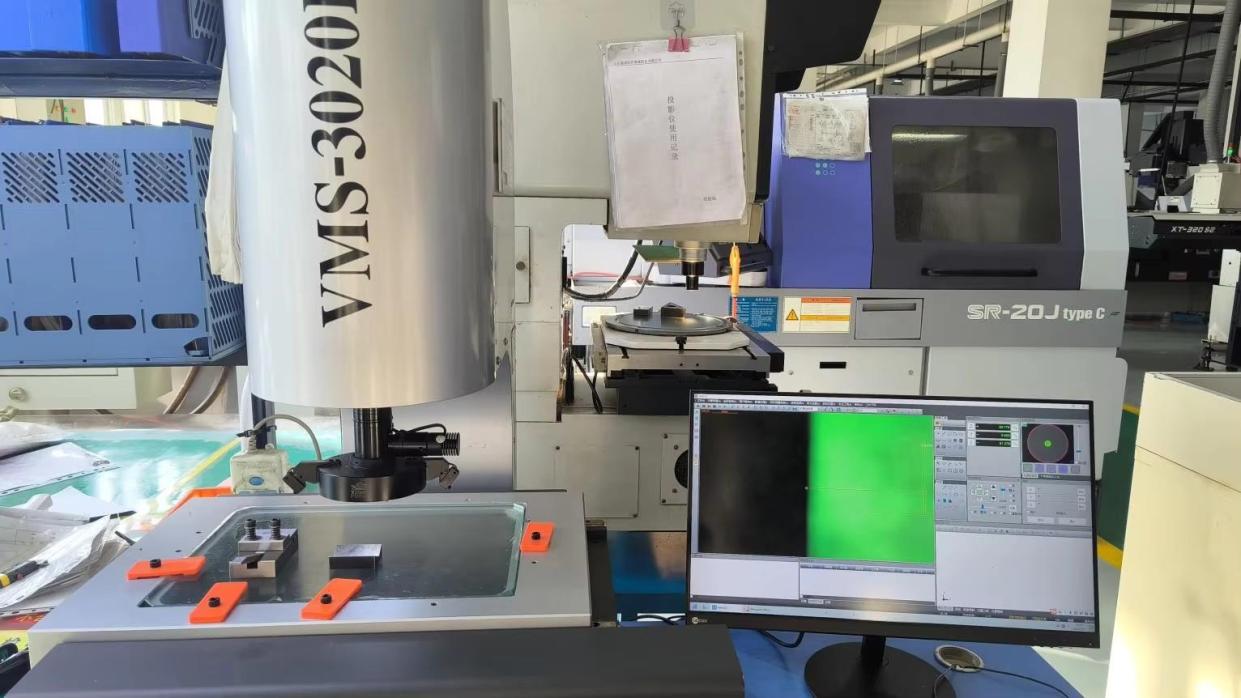
Rigorous verification of tensile strength, yield strength, and elongation limits ensures that titanium plates withstand high biomechanical loads in vivo.
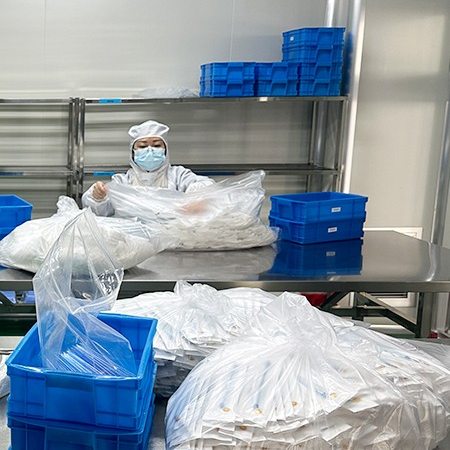
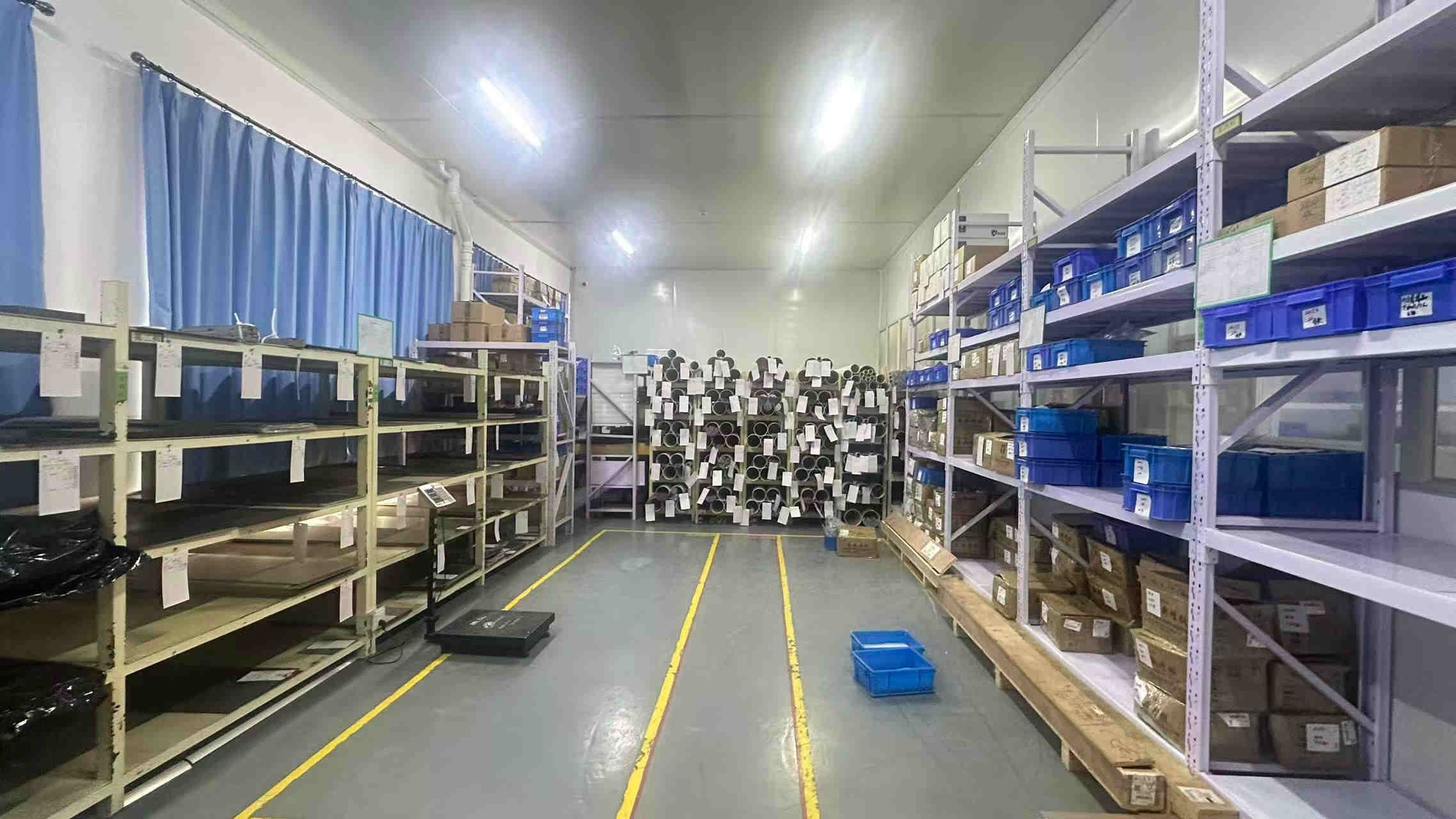
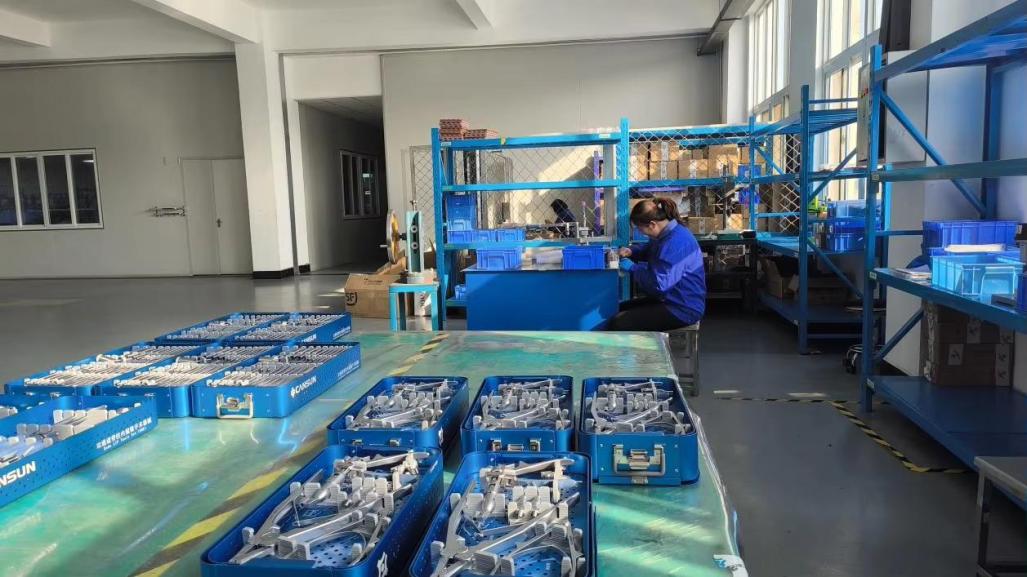
Sealed in a controlled cleanroom environment using certified thermal and mechanical barrier packaging to maintain sterile integrity during shipment and storage.
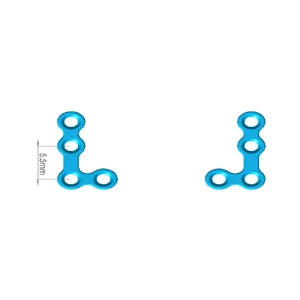
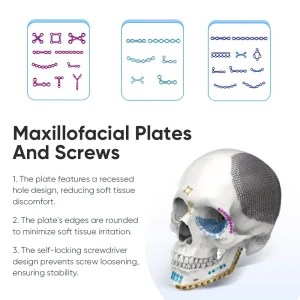
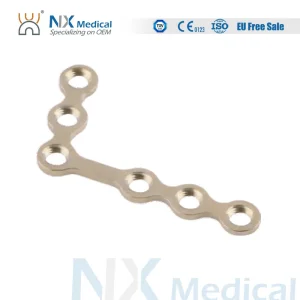
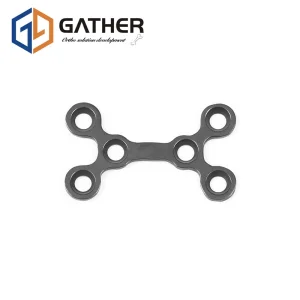
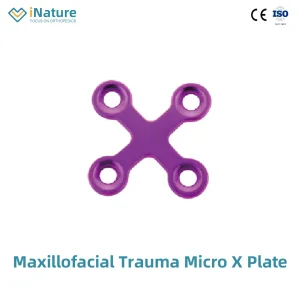
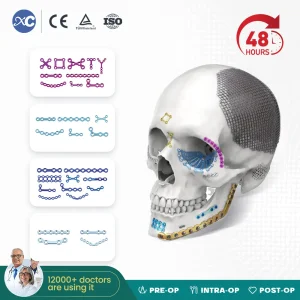
Our maxillofacial trauma implants are designed to cover a wide spectrum of surgical scenarios encountered by surgeons in Central Africa:
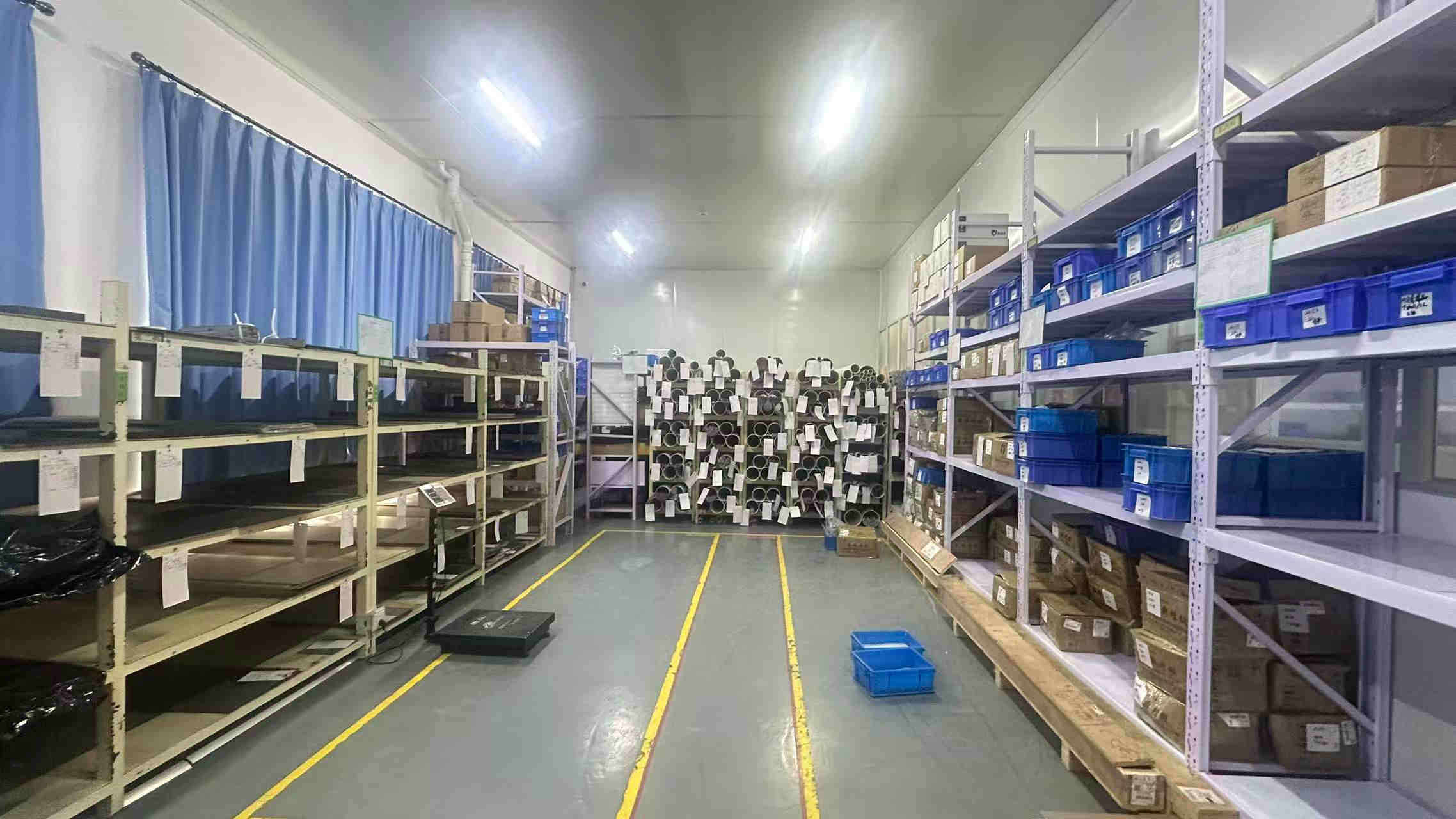
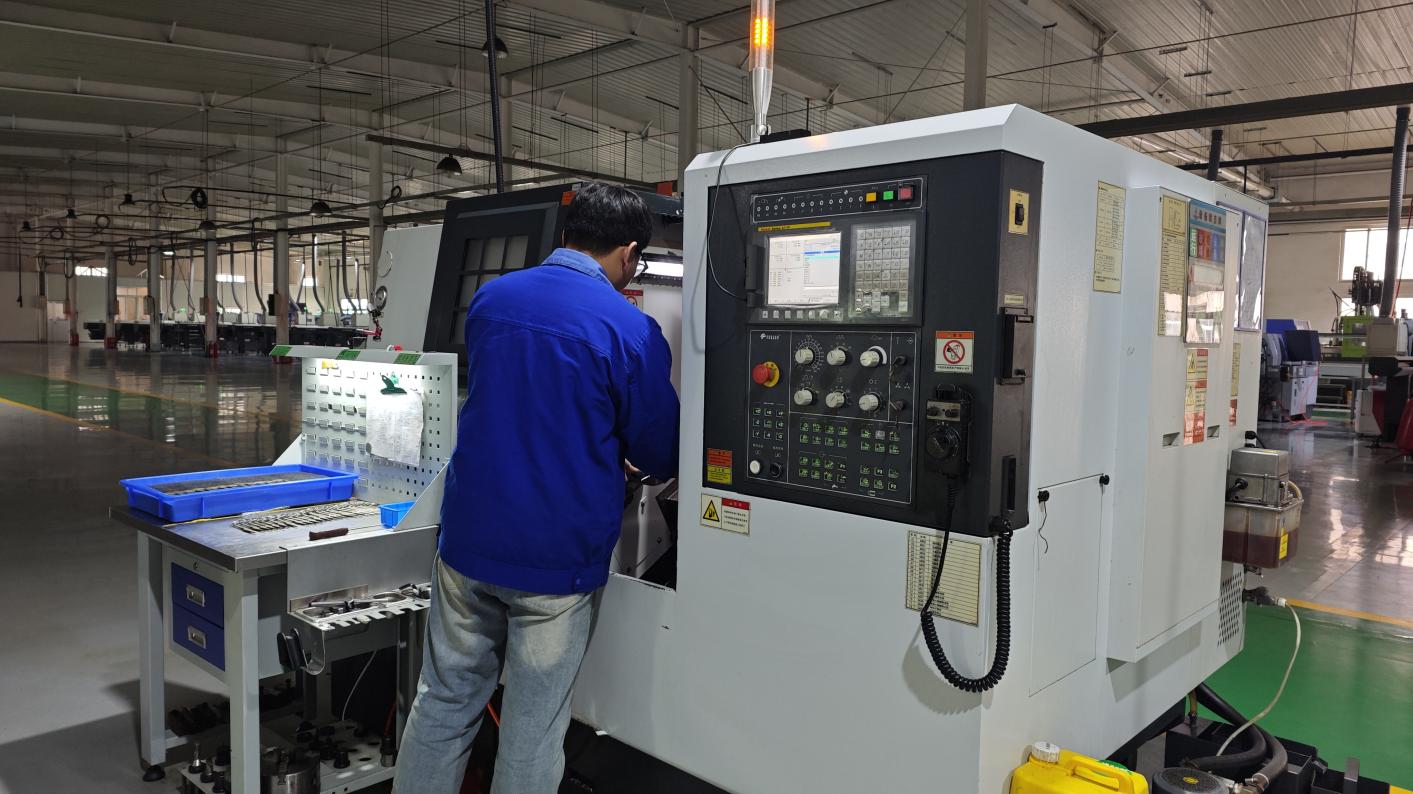
We manage the entire lifecycle of our implants, from selected raw materials to the finished, sterilized product. This structured pipeline ensures high repeatability and clinical performance.
Sourcing medical devices in Central Africa requires a supplier capable of handling strict regulatory landscapes and logistical hurdles. Chengdu Medev provides dedicated export services tailored for the Equatorial Guinean market. We supply all shipments with complete certification—including CE certificates, ISO 13485 quality credentials, and Certificates of Analysis (COA)—facilitating customs clearance through the ports of Malabo and Bata.
Furthermore, our sales and technical support teams work closely with clinical procurement officers. We offer custom manufacturing services based on imported DICOM data from CT scans. Within days of receiving patient scans from clinic locations, our engineering team designs and fabricates custom cranial or mandibular implants, shipping them via express air freight to minimize waiting times for elective surgeries.
Our products are manufactured under strict ISO 13485 standards and hold CE certifications. Every batch undergoes comprehensive raw material verification, mechanical testing, ultrasonic cleaning, and cleanroom packaging before dispatch to assure clinical safety and biocompatibility.
We utilize medical-grade Titanium Alloy (Ti-6Al-4V ELI) and commercially pure Titanium (CP Ti Grade 2 / Grade 4), which provide high strength-to-weight ratios, excellent corrosion resistance, and high osseointegration potential. For select customized reconstructions, we utilize high-performance PEEK (Polyetheretherketone).
1. The hospital in Equatorial Guinea performs a high-resolution CT scan of the patient and exports the data in DICOM format.
2. The DICOM files are sent to our engineering team.
3. Our engineers generate a 3D digital model and plan the surgical implant geometry.
4. Once the surgeon approves the digital design, we initiate CNC milling (for PEEK) or 3D printing (for titanium mesh) and ship the sterile-ready implant to the clinic.
Standard orthopedic catalog items are shipped immediately from stock via global express carriers (such as DHL or FedEx), typically arriving in Equatorial Guinea within 7-10 business days. Custom patient-specific implants require an additional 5-7 days for design verification and fabrication prior to shipment.
Yes, our VA-LCP (Variable Angle Locking Compression Plate) series is designed to allow screw angulations up to 15 degrees. This enables surgeons to angle screws away from critical anatomical features like nerves, dentition, and sinus cavities while maintaining rigid internal fixation.
Ensure direct access to high-precision cranio-maxillofacial systems. Contact our clinical solutions team to receive material samples, catalogs, or custom product quotes for the Equatorial Guinea healthcare market.
 Medev Medical