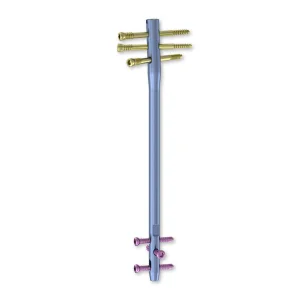
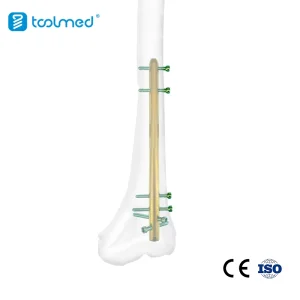
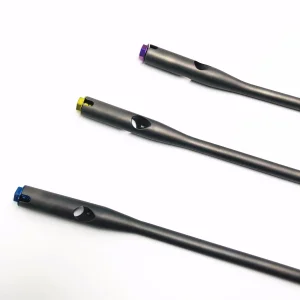
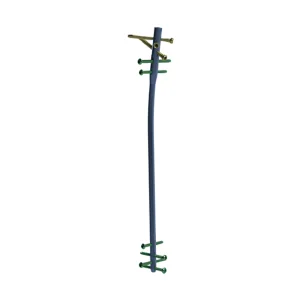
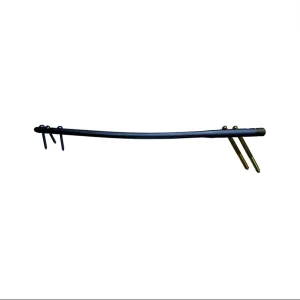
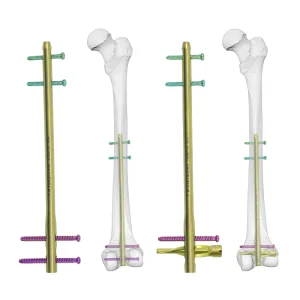
Kenya's medical sector is undergoing a rapid transformation. With the expansion of specialized hospitals like Kenyatta National Hospital and private healthcare networks across Nairobi and Kisumu, the demand for intramedullary nails has surged. High rates of road traffic accidents (notably involving Boda Bodas) necessitate advanced surgical solutions for long bone fractures, moving away from traditional plating to more biological internal fixation methods.
In the past decade, Kenyan surgeons have increasingly adopted minimally invasive techniques. Modern Intramedullary (IM) nails allow for smaller incisions, reduced blood loss, and earlier patient mobilization. Suppliers are now focusing on providing Titanium (Grade 5) alloys rather than just stainless steel to cater to high-end private medical centers seeking the best biocompatibility and long-term stability.
Supply chain reliability is critical for Kenyan hospitals. As a leading manufacturer, Chengdu Medev Medical bridges the gap by providing streamlined logistics to Mombasa port and air freight directly to Nairobi. We understand the local regulatory requirements of the Pharmacy and Poisons Board (PPB), ensuring that every implant meets international CE and ISO standards for immediate clinical use.
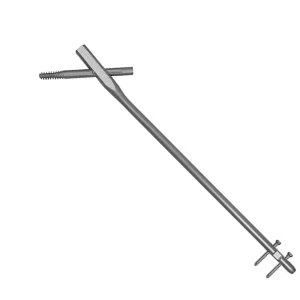
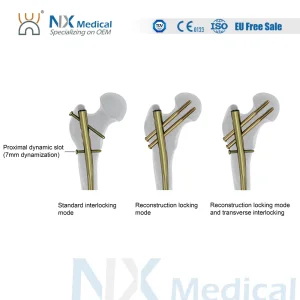
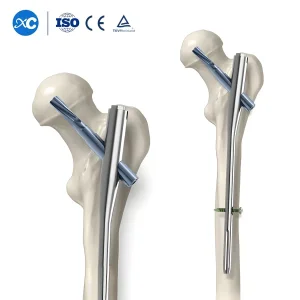
The orthopedic industry in Kenya is no longer just a recipient of old technology; it is becoming a hub for advanced clinical outcomes in East Africa. One major trend is the use of Proximal Femoral Nail Antirotation (PFNA) systems. In Kenya’s aging population, geriatric hip fractures are becoming more common. PFNA nails provide superior rotational stability, which is vital for patients with osteoporotic bone quality.
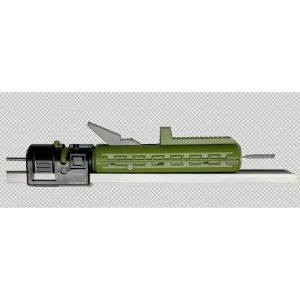
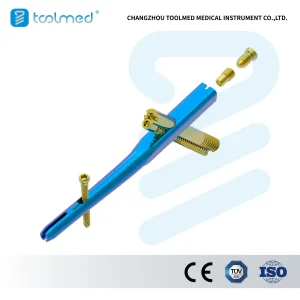
Furthermore, the "Intertan" philosophy—using interlocking mechanisms that simulate natural compression—is gaining traction in teaching hospitals. This technical evolution requires suppliers who can provide not just the hardware, but also the specialized instrumentation kits. Our systems are designed for ease of use, reducing "the learning curve" for surgical residents and senior consultants alike.
Localization is also key. We recognize that cost-effectiveness is a primary driver in the Kenyan public healthcare sector. By manufacturing at scale, Chengdu Medev Medical provides factory-direct pricing to Kenyan distributors, making high-quality titanium nails accessible to a wider range of the population through the Universal Health Coverage (UHC) initiatives.
In addition to hardware, the trend is moving towards digital surgical planning. Surgeons in Nairobi are increasingly using pre-operative imaging to select the precise nail diameter and length. Our varied catalog, offering multiple diameters and anatomical curves (especially for the femoral and tibial shafts), ensures a perfect fit for the diverse Kenyan patient demographic.
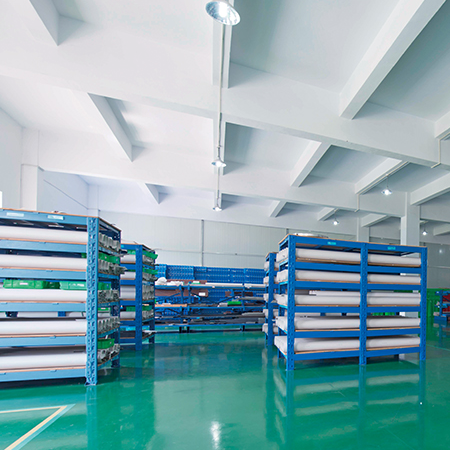
Chengdu Medev Medical Instruments Co., Ltd. was founded in 2001, covers an area of 18,000 ㎡, including a floor area of over 15,000 ㎡. Its registered capital reaches 20 million Yuan. which is specialized in product research, design and manufacturing of orthopedic implant instruments. As the leader in orthopedic implants and instruments manufacturing, We have been successfully supplying to 1000+ clients in 120+ countries for over 20 years thanks to extensive know-how and expertise. We adhere to the ‘people-oriented, integrity first, continuous innovation, the pursuit of excellence,’ the concept of guarding human health!
Founded Year
Global Clients
Countries Served
Capital (Yuan)
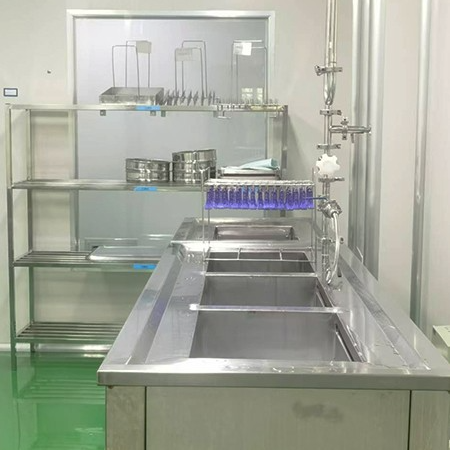
Cleaned implants have a cleaner surface, helping to reduce the risk of post-operative infection. Ensures that the implant is safer to apply to the patient during surgery.
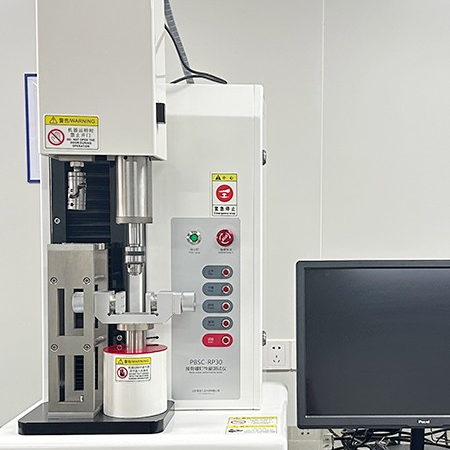
Tests the tensile strength, yield strength and elongation of materials. Simulates the tensile forces to which the implant is subjected in the body.
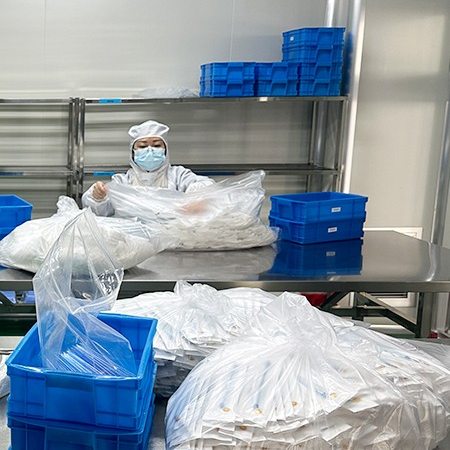
Packaging should ensure a good seal to prevent the entry of external contaminants. Use heat sealing, pressing or gluing to ensure the integrity of the package.
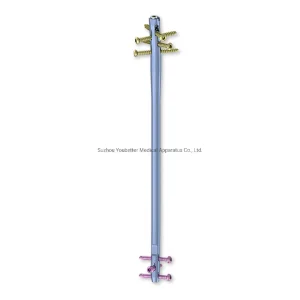
In regions like the Great North Road (Nairobi-Nakuru highway), hospitals deal with complex femoral shaft fractures. Our Interlocking Intramedullary Nails provide the load-sharing stability required for these "high-energy" injuries, allowing patients to begin early weight-bearing, which is crucial for rural Kenyan workers who need to return to their livelihoods quickly.
In upscale Nairobi clinics, there is a growing focus on "orthogeriatrics." The PFNA (GAMA) systems are the gold standard for treating peritrochanteric fractures in elderly patients with low bone density. The helical blade design minimizes the risk of "cut-out," ensuring better surgical success rates in older demographics.
1. Unmatched Precision: Our nails are manufactured using high-end CNC technology, ensuring that tolerances for screw holes and cannulation are perfect, reducing surgical frustration in the OT.
2. Material Excellence: We exclusively use medical-grade titanium and stainless steel that meet stringent biocompatibility requirements, vital for the long-term health of Kenyan patients.
3. Comprehensive Support: We don’t just sell nails; we provide the instrumentation. For Kenyan clinics, we offer complete sets including reamers, guides, and locking drivers.
4. Rapid Fulfillment: We understand the urgency of trauma care. Our logistics team is experienced in handling customs clearance for East African ports to ensure no stock-outs.
5. Competitive Edge: By choosing a direct manufacturer, Kenyan suppliers can offer competitive pricing to both public tenders and private hospital groups.
6. Clinical Training: We offer remote technical support and documentation to help surgical teams in Kenya master the use of our advanced interlocking systems.
Contact our specialized export team today to discuss bulk supply, local distribution partnerships, or customized trauma solutions for your hospital facility.
 Medev Medical