The United States stands as the global epicentre for orthopedic innovation, particularly in the realm of sports medicine and arthroscopic surgery. As major Interference Screws Factories and Exporters in the United States continue to evolve, the demand for high-precision fixation devices has skyrocketed. From the orthopedic manufacturing hubs in Warsaw, Indiana, to the biotech clusters in Massachusetts, the US market dictates the global standards for material biocompatibility and mechanical reliability.
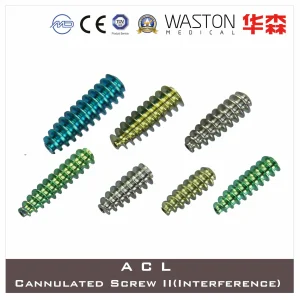
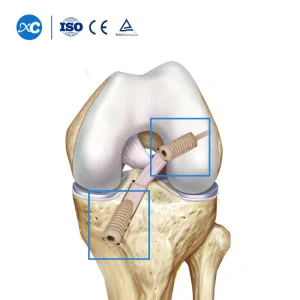
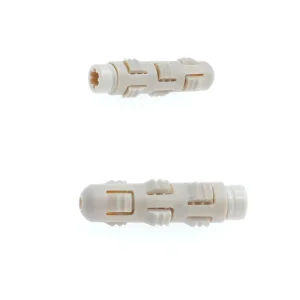
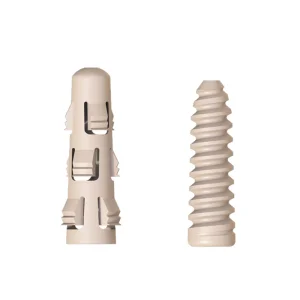
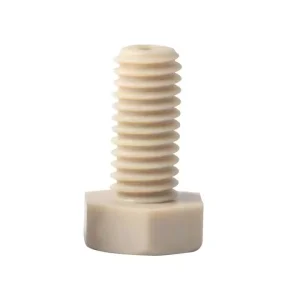
Interference screws are critical components in Anterior Cruciate Ligament (ACL) and Posterior Cruciate Ligament (PCL) reconstructions. In the United States, approximately 200,000 ACL reconstructions are performed annually, driving a massive domestic and export market. Factories are increasingly shifting from traditional titanium to advanced bioabsorbable polymers like PLLA (Poly-L-Lactic Acid) and high-performance thermoplastics like PEEK (Polyether ether ketone), which allow for better post-operative MRI imaging and more natural bone integration.
Chengdu Medev Medical Instruments Co., Ltd. was founded in 2001, covering an area of 18,000 ㎡, including a floor area of over 15,000 ㎡. Its registered capital reaches 20 million Yuan. We are specialized in product research, design, and manufacturing of orthopedic implant instruments. As a leader in the industry, we have successfully supplied to 1000+ clients in 120+ countries for over 20 years. We adhere to the 'people-oriented, integrity first, continuous innovation' philosophy to guard human health.
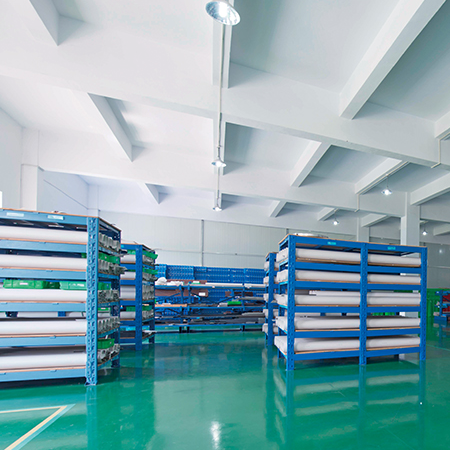
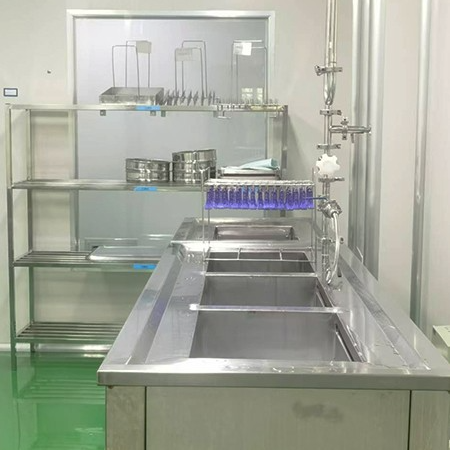
Cleaned implants have a cleaner surface, helping to reduce the risk of post-operative infection. Ensures safety for clinical applications.
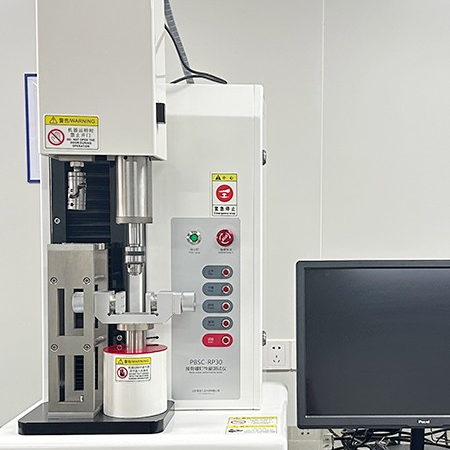
Tests tensile strength and elongation. Simulates the tensile forces to which the implant is subjected in the body.
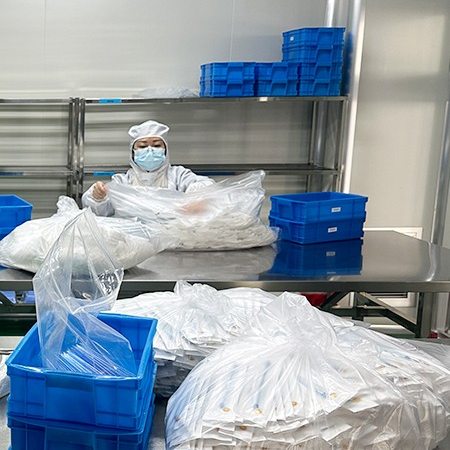
Packaging ensures a medical-grade seal to prevent contaminants using advanced heat sealing and pressing techniques.
The transition toward minimally invasive surgery (MIS) in the United States has redefined the design of interference screws. Modern exporters now focus on cannulated designs that allow for guide-wire placement, ensuring extreme precision during arthroscopic procedures. Furthermore, the rise of Ambulatory Surgery Centers (ASCs) across the US has increased the demand for cost-effective, high-quality implants that do not compromise on patient outcomes.
One major trend observed in 2024 is the integration of osteoconductive materials. US-based surgeons are increasingly preferring biocomposite screws that contain Calcium Phosphate or Hydroxyapatite. These components stimulate bone growth around the screw site, eventually replacing the screw with the patient’s natural bone. For exporters, staying ahead means mastering the fabrication of these complex composite materials while maintaining FDA-cleared manufacturing processes.
The application of interference screws in the United States is deeply tied to the country's vibrant sports culture. High-impact sports such as American Football (NFL/NCAA), Basketball (NBA), and Soccer (MLS) contribute to a high incidence of ligament injuries. Professional sports clinics in cities like Los Angeles, New York, and Chicago require "Gold Standard" fixation devices that allow for aggressive rehabilitation protocols. Interference screws must provide immediate mechanical stability (initial pull-out strength) to allow athletes to begin range-of-motion exercises almost immediately after surgery.
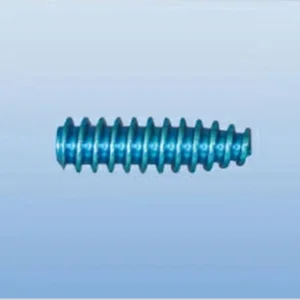
For distributors and hospitals in the United States, selecting an interference screw involves rigorous evaluation of mechanical properties. A screw must possess sufficient "bite" into the bone and the graft (whether it's an autograft or allograft) without causing lacerations to the tissue. US surgeons often utilize "Aitken" or "Soft" thread profiles that provide maximum surface area contact while minimizing stress risers.
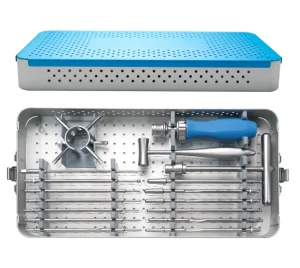
Material science remains the core of competition among Interference Screws Factories. While Titanium screws remain popular for their unmatched strength, PEEK has become the preferred choice for many US centers due to its modulus of elasticity being similar to cortical bone, reducing the "stress shielding" effect. Furthermore, as the US healthcare system emphasizes value-based care, exporters must provide comprehensive surgical sets that include drivers, taps, and guide wires that are compatible with existing US hospital infrastructure.
Exporting orthopedic devices to the United States requires strict adherence to FDA 21 CFR Part 820 Quality System Regulations. Top exporters ensure that every interference screw is traceable from the raw material batch to the final sterile package. This level of quality control is what allows companies like Chengdu Medev Medical to maintain long-term partnerships with US medical distributors. Our commitment to ultrasonic cleaning and aseptic packaging directly addresses the top priority of US hospitals: reducing surgical site infections (SSIs) and improving long-term patient mobility.
 Medev Medical