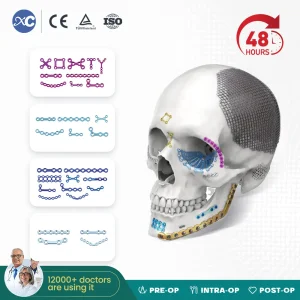
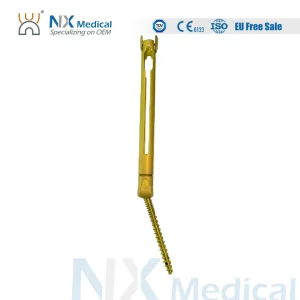
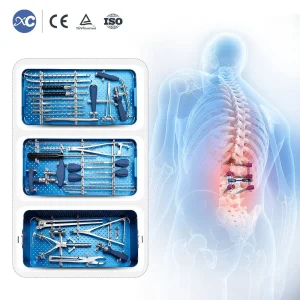
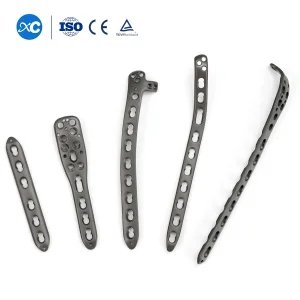
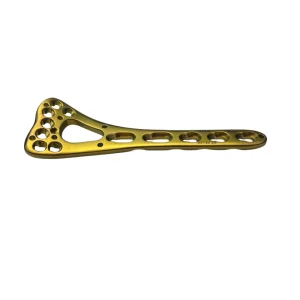
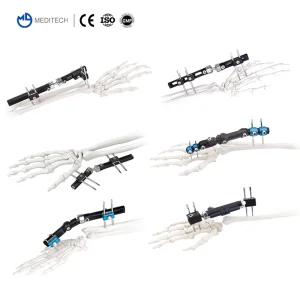
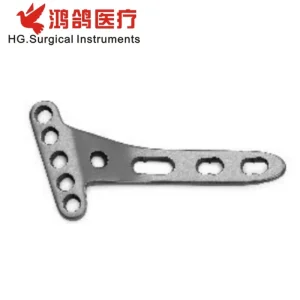
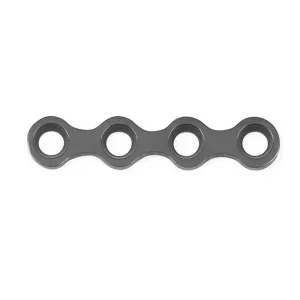
Stainless steel bone plates have long been the gold standard in trauma surgery and orthopedic reconstruction. Composed primarily of 316L or 316LVM medical-grade stainless steel, these implants provide the critical mechanical strength required to stabilize fractures while the natural healing process occurs. Globally, the demand for high-quality stainless steel bone plates is surging, driven by a combination of an aging global population, an increase in road traffic accidents, and advancements in surgical techniques.
Unlike titanium, which is often preferred for long-term biocompatibility in permanent implants, stainless steel remains the preferred choice for temporary trauma fixation due to its superior stiffness, lower cost, and ease of removal. The global industrial landscape for these components has shifted significantly over the last decade, with major production hubs moving towards advanced manufacturing facilities in China that offer a balance of high-tech precision and cost-efficiency.
Modern manufacturing now incorporates CNC 5-axis milling and laser cutting to ensure that every bone plate meets sub-micron tolerances, essential for locking screw compatibility.
The "Top 10" manufacturers prioritize ISO 13485 and CE certification, ensuring that every implant is safe for human clinical application globally.
Research into low-nickel stainless steel and specialized surface coatings is reducing the risk of allergic reactions while maintaining mechanical integrity.
Chengdu Medev Medical Instruments Co., Ltd. was founded in 2001, covers an area of 18,000 ㎡, including a floor area of over 15,000 ㎡. Its registered capital reaches 20 million Yuan. which is specialized in product research, design and manufacturing of orthopedic implant instruments. As the leader in orthopedic implants and instruments manufacturing, We have been successfully supplying to 1000+ clients in 120+ countries for over 20 years thanks to extensive know-how and expertise. We adhere to the ‘people-oriented, integrity first, continuous innovation, the pursuit of excellence,’ the concept of guarding human health!
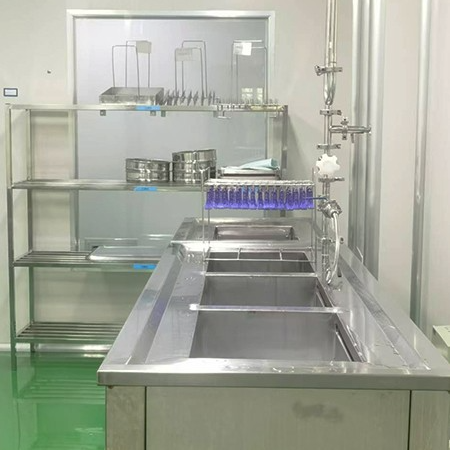
Cleaned implants have a cleaner surface, helping to reduce the risk of post-operative infection. Ensures that the implant is safer to apply to the patient during surgery.
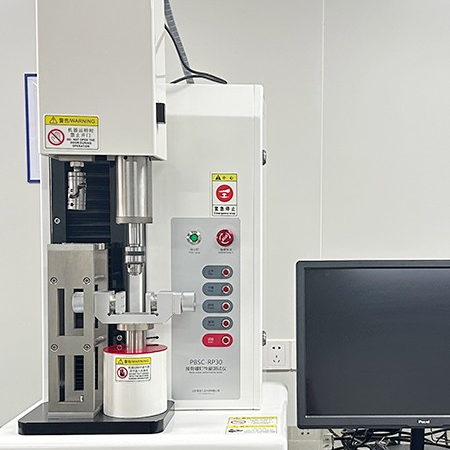
Tests the tensile strength, yield strength and elongation of materials. Simulates the tensile forces to which the implant is subjected in the body.
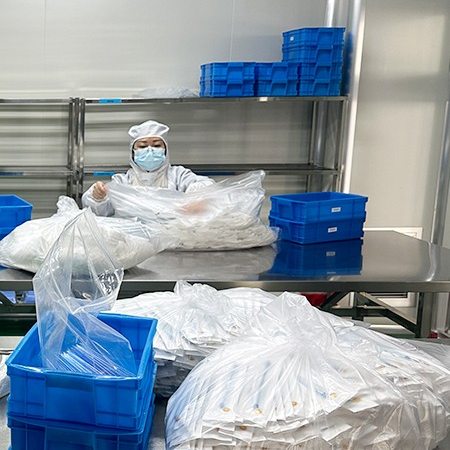
Packaging should ensure a good seal to prevent the entry of external contaminants. Use heat sealing, pressing or gluing to ensure the integrity of the package.
For hospitals and medical distributors, the primary concern when sourcing stainless steel bone plates is material traceability. Top-tier manufacturers provide heat number tracking, ensuring that every plate can be traced back to the original batch of raw steel. This is vital for maintaining the high fatigue strength required for weight-bearing bones like the femur and tibia.
The application of bone plates varies by region. In developing markets, cost-effective stainless steel trauma plates are essential for widespread public health access. In contrast, advanced medical centers in the West utilize these plates in complex reconstructive surgeries, often requiring anatomically pre-contoured designs that reduce the need for intraoperative bending, thereby saving critical time in the OR.
China has emerged as a global powerhouse for orthopedic manufacturing. Why? Because factories like Chengdu Medev integrate the entire lifecycle of the product—from R&D and design to sterile packaging. This vertical integration allows for faster response times to custom OEM/ODM requests and a significantly lower price point without compromising on the stringent requirements of international medical standards.
The industry is moving toward "Smart Implants." Future stainless steel bone plates may feature bioactive coatings that promote faster osseointegration or release antimicrobial agents to prevent post-surgical infections. Additionally, the integration of AI in design allows for the creation of "virtual bone models," enabling manufacturers to produce plates that perfectly match the average bone morphology of specific ethnic populations, further enhancing localized medical care.
Selecting from the top 10 stainless steel bone plate manufacturers requires a deep dive into several critical factors. It is not just about the price; it is about the clinical outcome for the patient. A superior supplier must demonstrate excellence in the following areas:
1. Material Science Mastery: The use of 316LVM (Low Carbon Vacuum Melt) stainless steel is non-negotiable for high-end plates. This specific alloy reduces the risk of inclusion-related failures, which is crucial for plates subjected to the cyclic loading of walking or limb movement.
2. Surface Engineering: The "Top 10" manufacturers often employ proprietary electrolytic polishing or passivation techniques. These processes enhance the chromium oxide layer on the plate's surface, providing maximum resistance to corrosion in the harsh, saline environment of the human body.
3. Anatomical Precision: A leading supplier doesn't just make "flat" plates. They invest in anatomical studies to create pre-shaped plates for specific bones like the olecranon, the distal radius, or the proximal femur. This reduces surgical time and improves the anatomical reduction of fractures.
4. Global Logistics & Support: Managing a supply chain that spans 120+ countries, as Chengdu Medev does, requires robust logistics. Whether it is a small fragment set for a clinic in Europe or a large-scale tender for a government hospital in Southeast Asia, the ability to deliver sterilized, ready-to-use products is a hallmark of an industry leader.
As we look toward the next decade, the convergence of AI-assisted design and advanced metallurgy will continue to push the boundaries of what stainless steel bone plates can achieve. By choosing a manufacturer with a 20-year legacy and a forward-looking R&D approach, procurement professionals can ensure they are providing surgeons with the best tools to restore patient mobility and health.
 Medev Medical