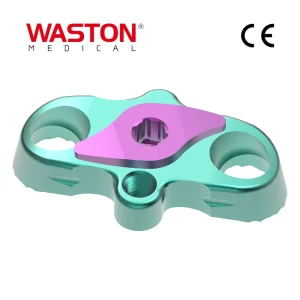
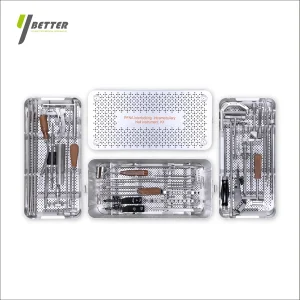
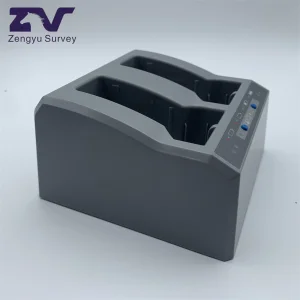
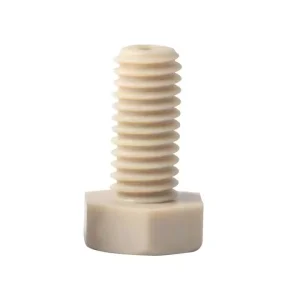
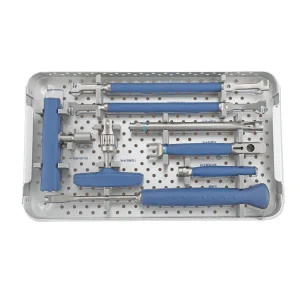
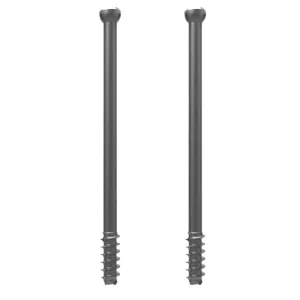
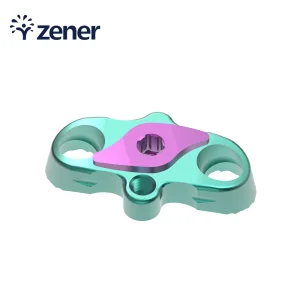
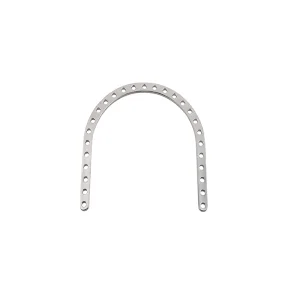
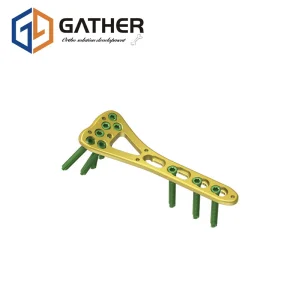
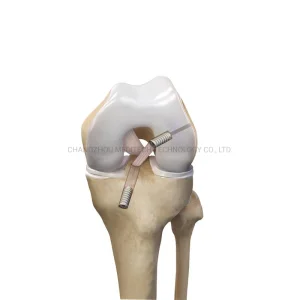
Explore our elite engineering series, certified to meet international surgical standards and clinical requirements.
Tendon injuries present complex clinical challenges due to the hypocellular and hypovascular nature of tendon tissue. Successful tendon repair and reconstruction require fixation devices that can withstand immediate postoperative mobilization and cyclic physiological loading. As a premier exporter, our tendon repair systems and orthopaedic implants are engineered to restore the natural biomechanical parameters of the musculoskeletal system, limiting gap formation, minimizing construct failure, and promoting faster functional recovery.
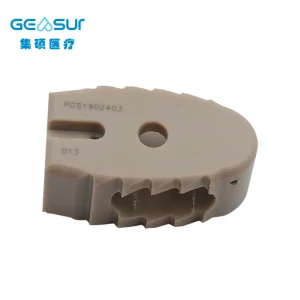
From high-grade PEEK (Polyetheretherketone) materials utilized in ACL reconstructions to medical-grade titanium alloys (Ti-6Al-4V ELI) that afford optimum osseointegration and biocompatibility, our structural designs balance axial stiffness and flexible compliance. Our technological mandate addresses the critical pain points of orthopedic surgeons globally: structural integrity, minimal biological reaction, and absolute precision during instrument deployment.
Historically, tendon repairs were compromised by early post-operative mechanical failures and excessive soft-tissue irritation. Our modern manufacturing methods target these limitations directly. By delivering specialized thread pitches, dual-lead screw geometries, and ultra-smooth surface treatment, we lower insertion torque while increasing pull-out strength.
Founded in 2001, Chengdu Medev Medical Instruments Co., Ltd. has established itself as an authoritative leader in the orthopaedic and surgical instrument manufacturing sector. Operating from an expansive 18,000 m² facility with a dedicated floor area exceeding 15,000 m², the company maintains a registered capital of 20 million Yuan.
For over two decades, we have partnered with clinical specialists to engineer and manufacture state-of-the-art implants and surgical instruments. Guided by the values of "people-oriented, integrity first, continuous innovation, and the pursuit of excellence," we are committed to providing premium surgical devices that preserve and improve patient health globally.
Every implant and instrument undergoes rigorous testing in our state-of-the-art laboratory environment to ensure absolute safety and mechanical compliance.
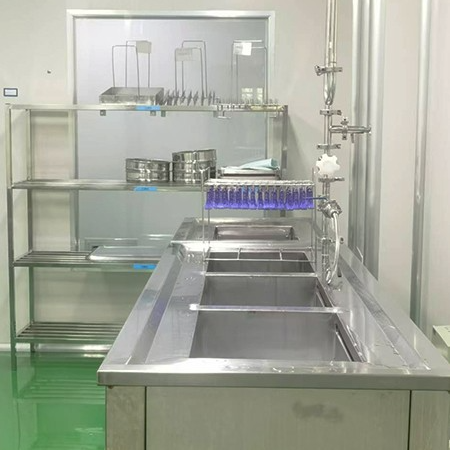
Cleaned implants have a cleaner surface, helping to reduce the risk of post-operative infection. Ensures that the implant is safer to apply to the patient during surgery.
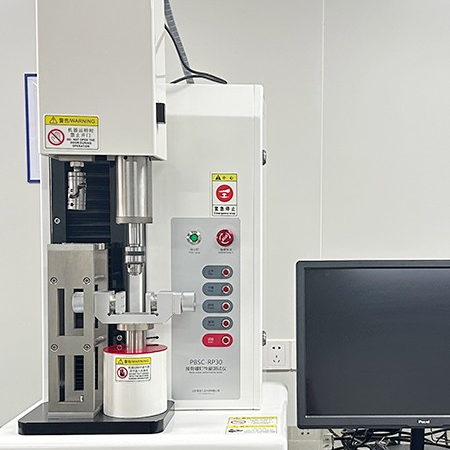
Tests the tensile strength, yield strength, and elongation of materials. Simulates the tensile forces to which the implant is subjected in the human body under heavy physical stress.
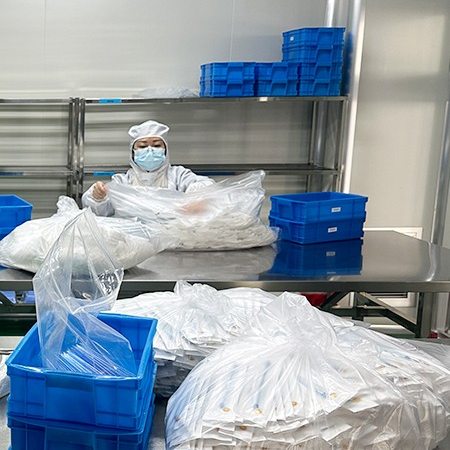
Packaging should ensure a good seal to prevent the entry of external contaminants. Use heat sealing, pressing, or gluing to ensure the absolute sterile integrity of the package.
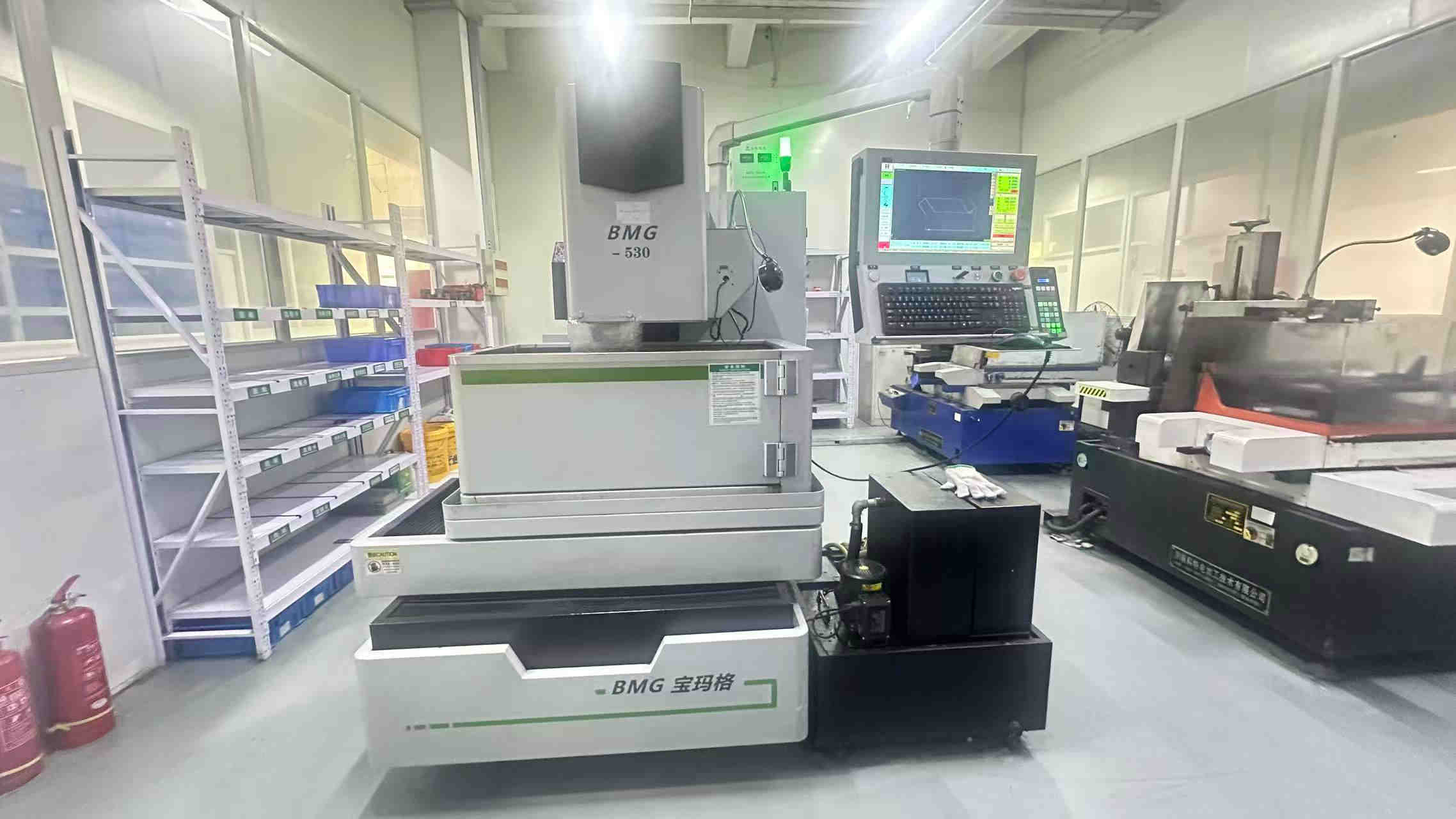
Our manufacturing structure houses cleanroom facilities built according to ISO class standards. By maintaining complete control over environmental variables, we prevent particulate contamination at critical manufacturing steps, ensuring that our implants meet the stringent regulatory requirements of international healthcare bodies.
From the initial raw material selection to automated multi-axis milling, surface finish processing, ultrasonic cleaning, and sterilization verification, we maintain a complete trace-history file for every production batch. This thorough record-keeping ensures absolute accountability for every component shipped to our global clients.
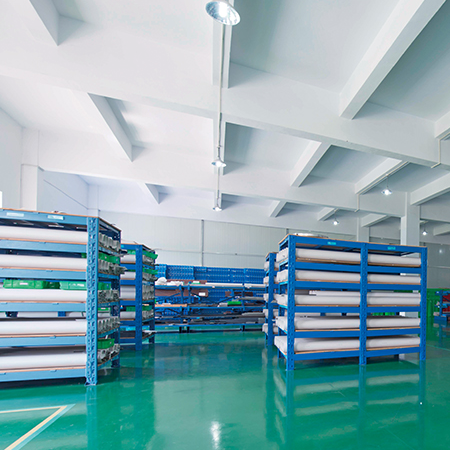
A comprehensive demonstration of our facility's structural steps, tracing orthopedic products from raw components to finished implants.
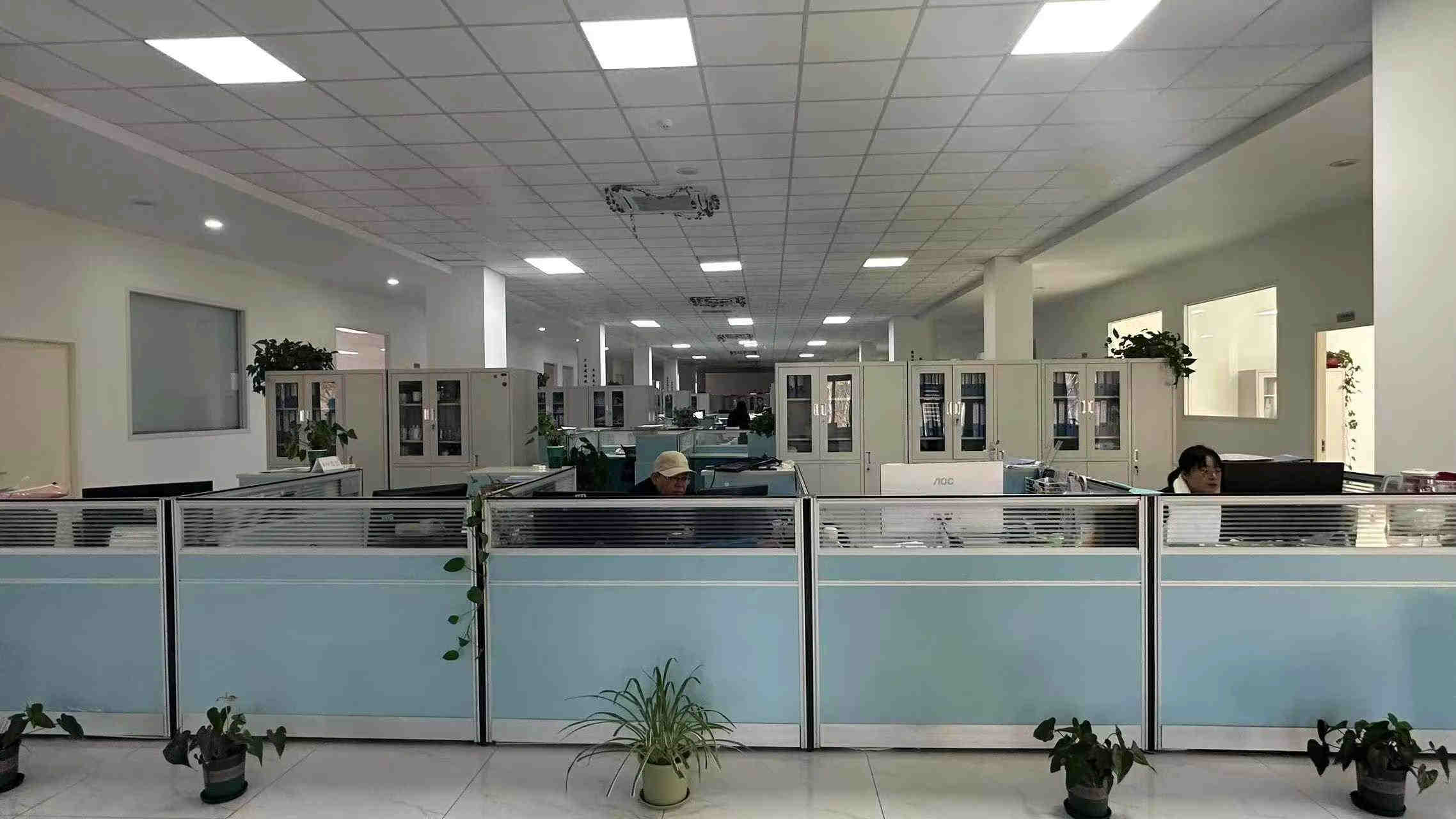
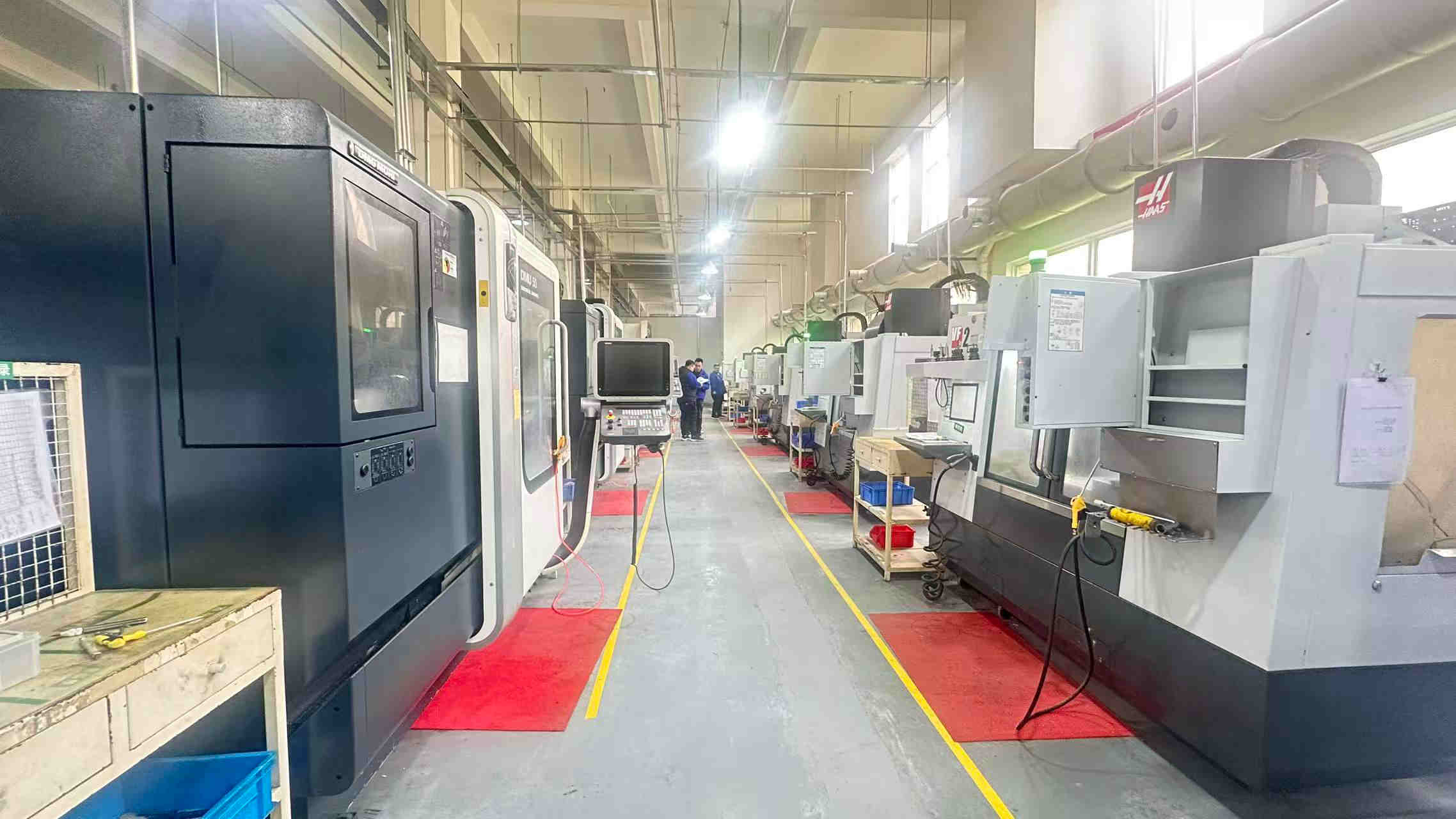
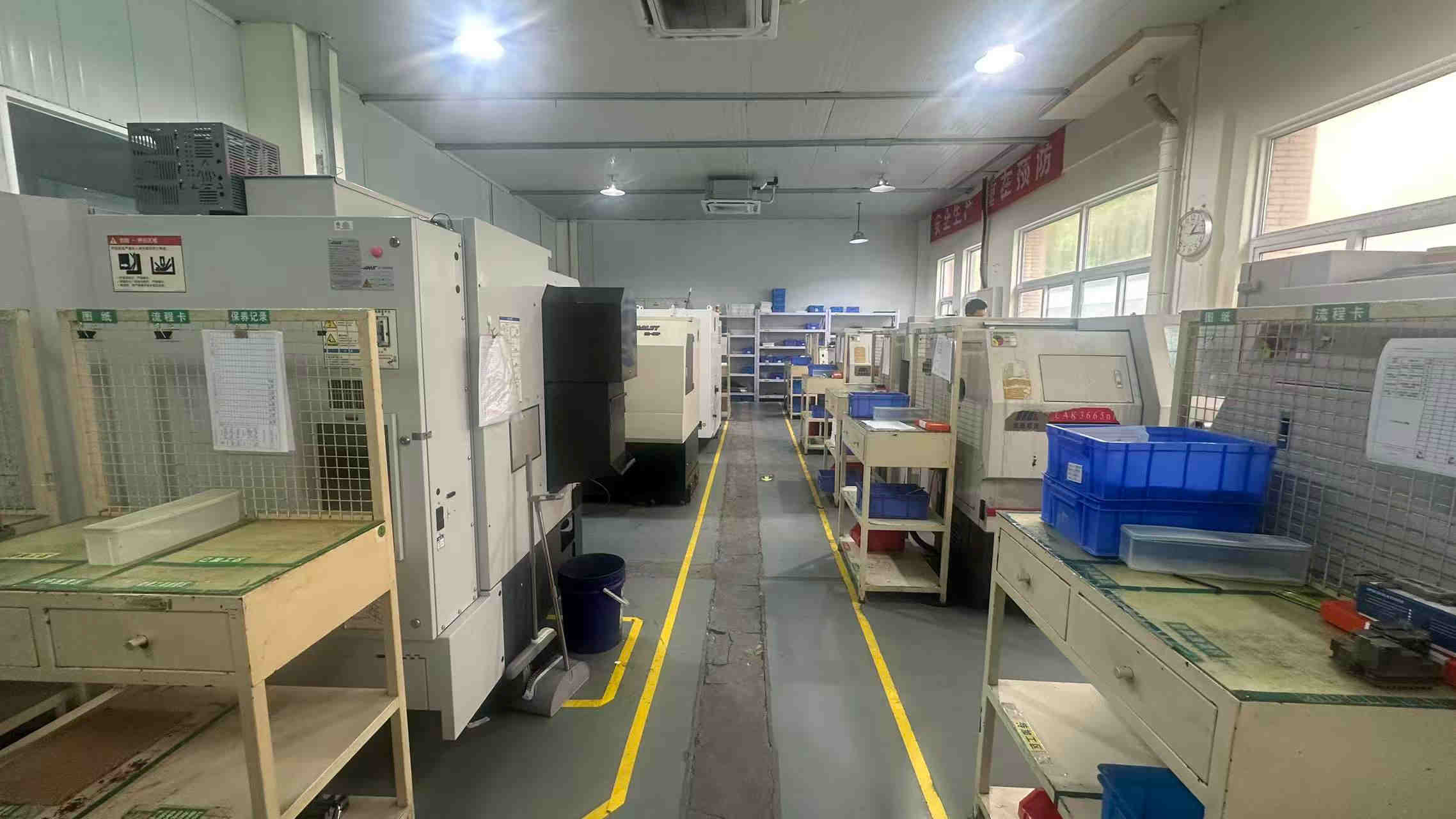
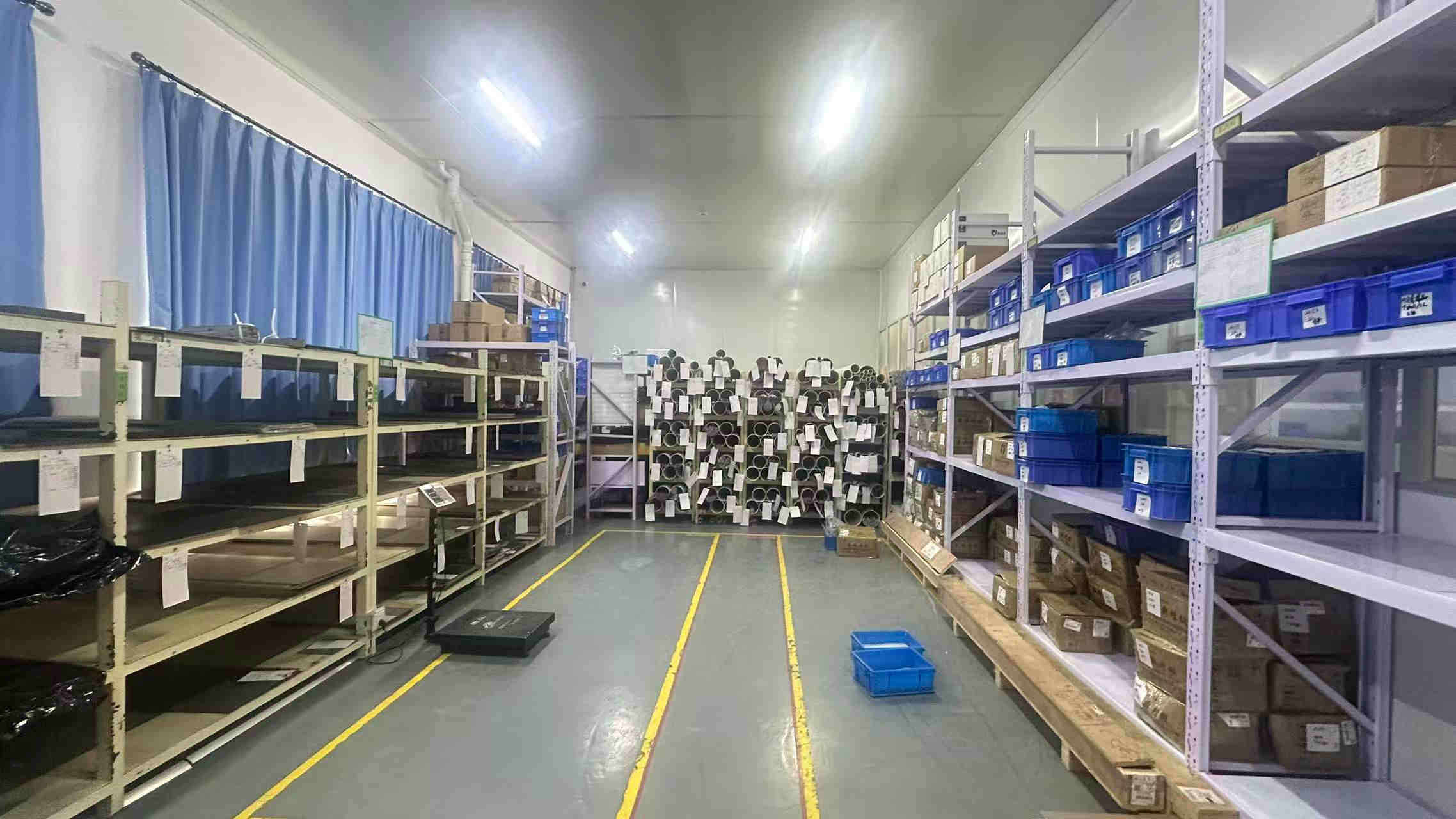
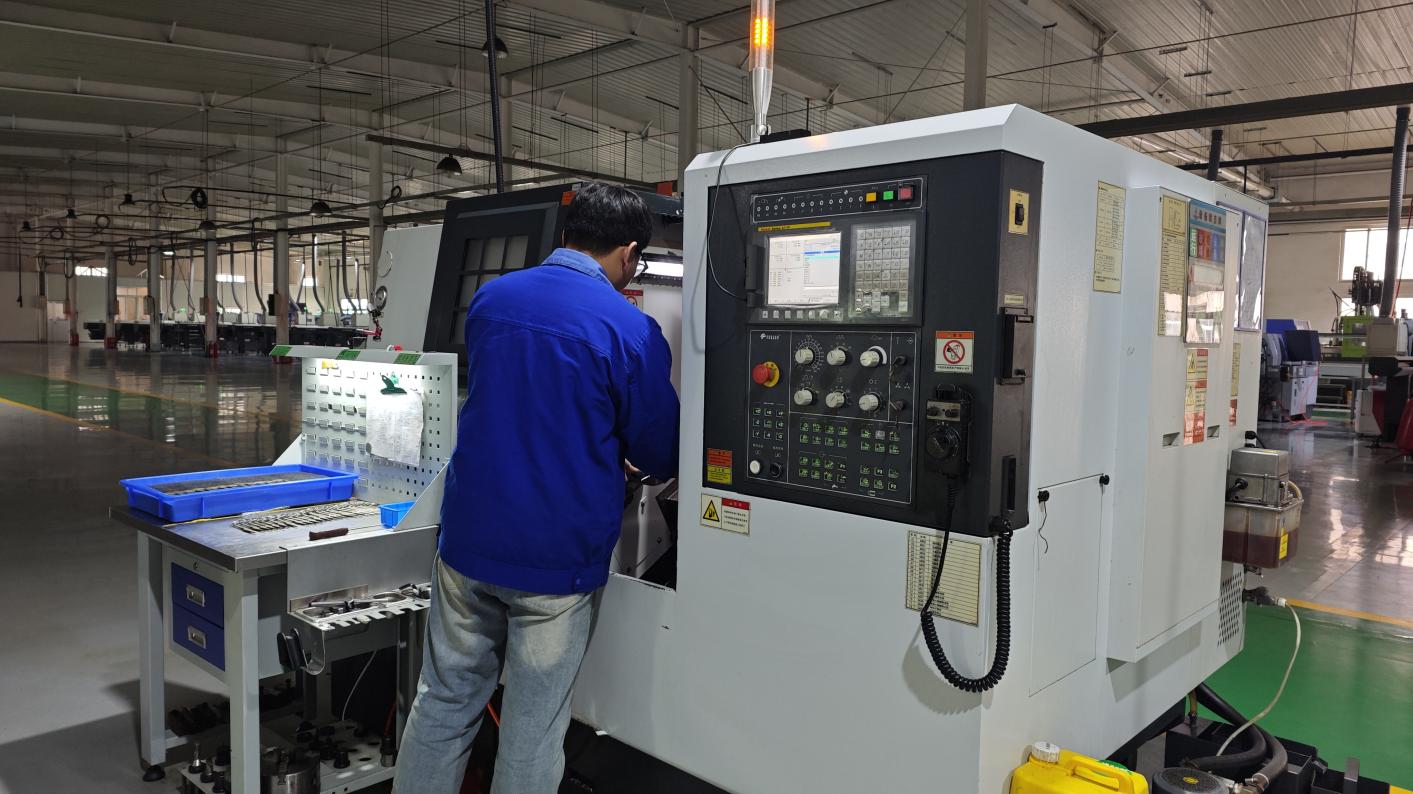
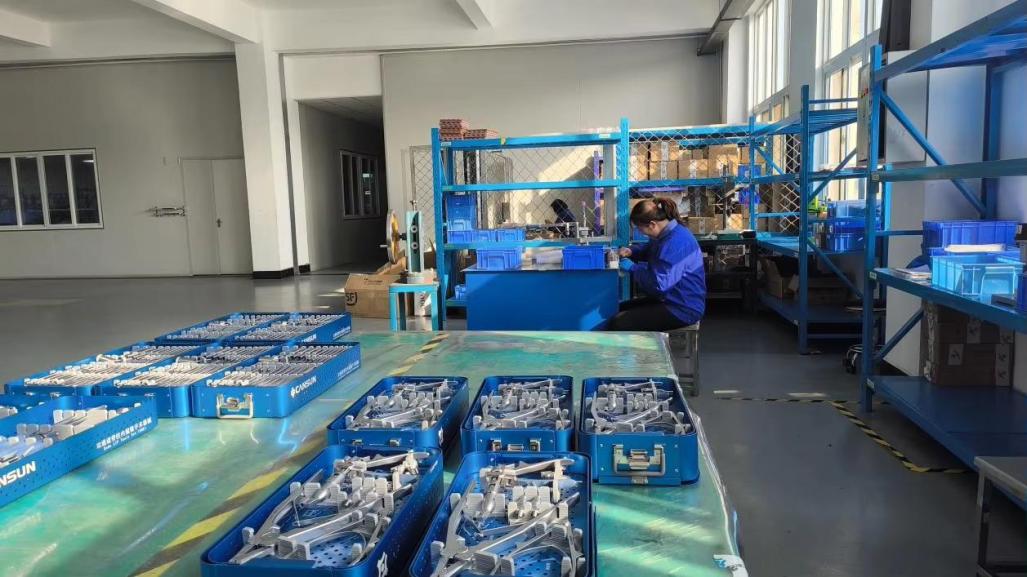
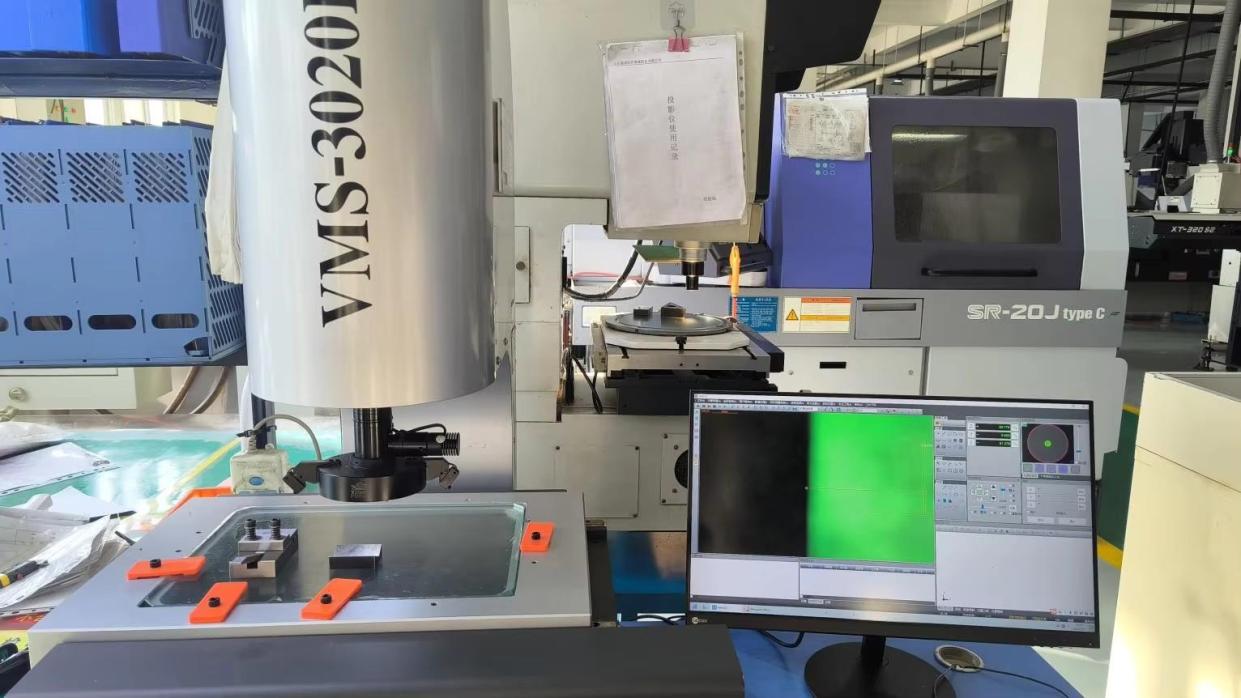
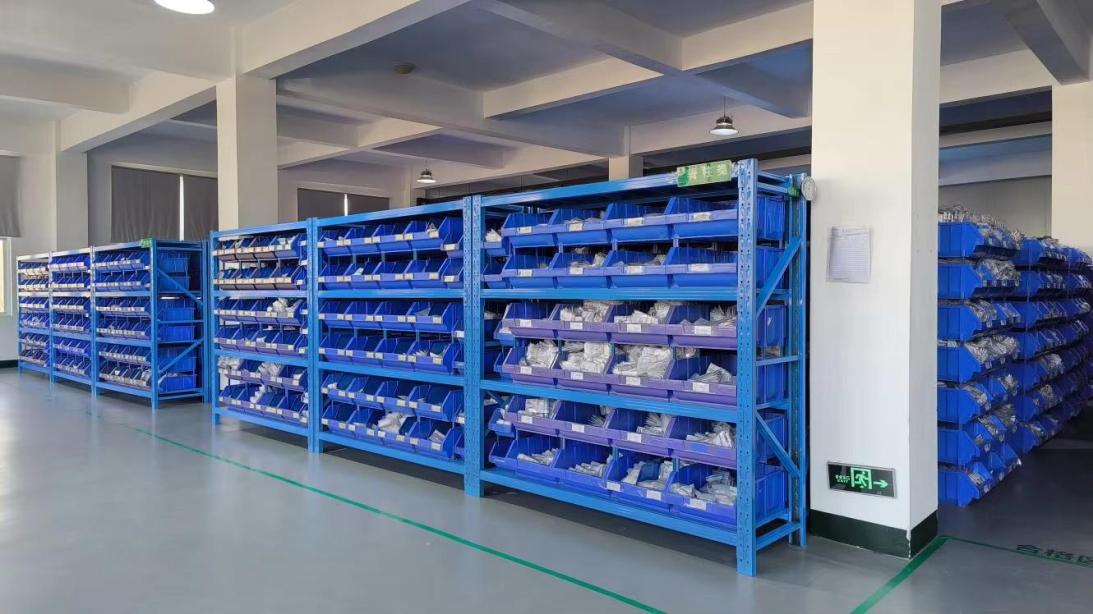
Why international healthcare purchasing groups choose our medical manufacturing and logistics systems.
We partner with certified raw material suppliers to procure premium implant-grade Titanium alloys and medical PEEK. This ensures high structural strength and biocompatibility, reducing the risk of tissue rejection and osteolysis.
Our Chengdu-based production hub utilizes local industrial networks to stabilize procurement costs, maintain large material stocks, and secure priority international shipping routes. This minimizes lead times for global partners.
Our manufacturing processes follow ISO 13485 quality standards, ensuring our implants and surgical instruments comply with regulatory requirements across North America, Europe, Latin America, and the Asia-Pacific region.
The next era of tendon repair and orthopaedic surgery centers on biological integration. While traditional implants act as static mechanical fixation, our ongoing research targets bio-interactive interfaces. This includes surface coating modifications that release growth factors (like TGF-β) and the integration of porous surfaces to encourage direct soft-tissue integration.
Additionally, we are developing smarter, low-profile implant dimensions to reduce soft tissue irritation in the foot, ankle, and wrist. By integrating finite element analysis (FEA) and computational fluid dynamics (CFD) into our product design lifecycle, we simulate stress distribution profiles long before the first prototype is produced.
China's advanced manufacturing infrastructure provides significant advantages for medical device production. By sourcing raw materials and utilizing specialized heat treatment processes within localized industrial zones, we reduce production bottlenecks. As a leading exporter, our logistics system ensures timely deliveries, with secure tracking protocols that safeguard sterile packaging throughout the transit cycle.
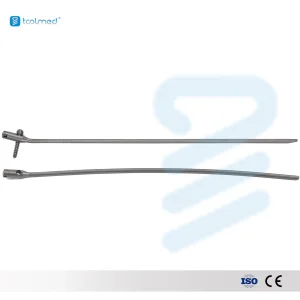
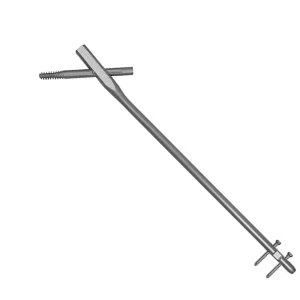
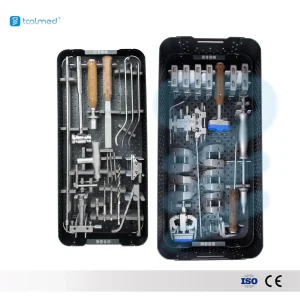
Discover our comprehensive range of specialized fixation rings, interlocking intramedullary nails, and precise arthroscopic instrument sets.
Professional insights on biomechanical selection, material validation, global export compliance, and implant procurement.
For high-load locations like the ACL or Achilles tendon, PEEK (Polyetheretherketone) and titanium alloys (Ti-6Al-4V) are preferred. PEEK provides elastic modulus values close to human bone, which helps reduce stress shielding, while titanium provides high tensile strength and reliable long-term stability.
Sterility is maintained through strict cleanroom protocols (class 100,000 / ISO class 8 cleanrooms). Implants undergo ultrasonic cleaning to eliminate particles, followed by validation testing and packaging in a sterile barrier system using high-grade, heat-sealed Tyvek pouches.
As an experienced exporter shipping to over 120 countries, we prepare detailed documentation dossiers, including ISO 13485 certification, CE compliance declarations, sterilization reports, and material traceability certificates. This ensures smooth regulatory clearance across North America, the EU, Latin America, and Southeast Asia.
Yes, our 18,000 m² facility features advanced multi-axis CNC machines and debugging labs. We collaborate with international distributors, hospital procurement teams, and academic researchers to engineer bespoke orthopedic plates, screws, and instrument sets based on technical CAD models and clinical specifications.
Every batch undergoes rigorous quality assurance testing. This includes hardness tester validation to determine tensile strength and yield stress, micro-structural analysis to verify alloy distribution, and insertion-torque/pull-out force evaluations to simulate extreme postoperative loads in vivo.
 Medev Medical