Explore our foundational range of CE and ISO-certified implants manufactured under strict metallurgical and structural verification protocols.
An executive analysis of current procurement pathways, engineering specifications, and global market drivers.
The sacral region represents the primary anchor point connecting the spine to the lower appendicular skeleton, subjected to high torsional, shearing, and compressive loads. Clinical management of unstable posterior pelvic ring disruptions—such as high-energy Denis Zone I, II, and III sacral fractures, U-shaped sacral fractures, and spinopelvic dissociation—demands highly rigid internal fixation. As global hospital networks and OEM brand owners search for reliable manufacturing partners, selecting an orthopedic implant manufacturer capable of meeting these precise biological and mechanical needs is critical.
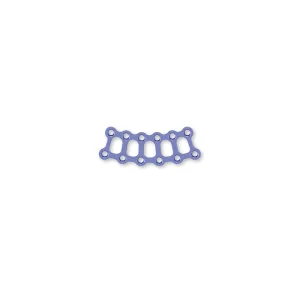
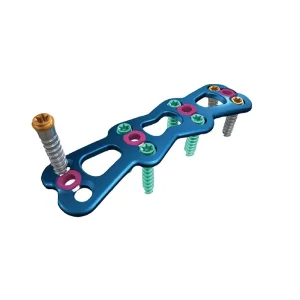
Modern pelvic and sacral reconstruction solutions have evolved from traditional reconstructive plates to anatomical locking plates, which are meticulously contoured to match the complex morphology of the sacral ala and posterior ilium. The integration of polyaxial locking screw mechanisms allows for targeted screw trajectories into the dense bone corridor of the sacral promontory (S1) and the S2 alar-iliac (S2AI) pathway, maximizing pullout resistance and long-term stabilization.
Global procurement teams face challenges such as regulatory shifts (CE MDR transition, FDA 510k audits), volatile lead times, and metallurgical inconsistencies. Choosing an established contract manufacturer with in-house titanium processing capabilities helps minimize supply chain vulnerabilities while maintaining rigorous conformance to ISO 13485 guidelines.
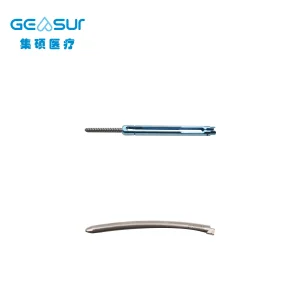
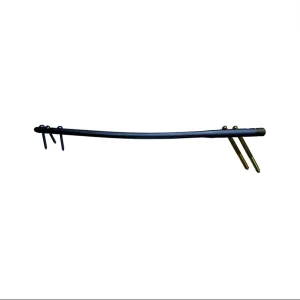
In addition to anatomical plate design, surgical environments demand dynamic instrument sets. A complete sacral plating solution includes bending irons, targeted drill guides, depth gauges, and variable-angle screw insertion tools. These elements work together to reduce intraoperative positioning errors, safeguard adjacent neurological structures (e.g., the L5 nerve root), and shorten patient recovery times.
Founded in 2001, Chengdu Medev Medical Instruments Co., Ltd. occupies a total area of 18,000 m² with a modern facility footprint exceeding 15,000 m². Backed by a registered capital of 20 million Yuan, we have developed a vertically integrated manufacturing ecosystem specialized in the design, engineering, and manufacturing of premium orthopedic implants and instruments.
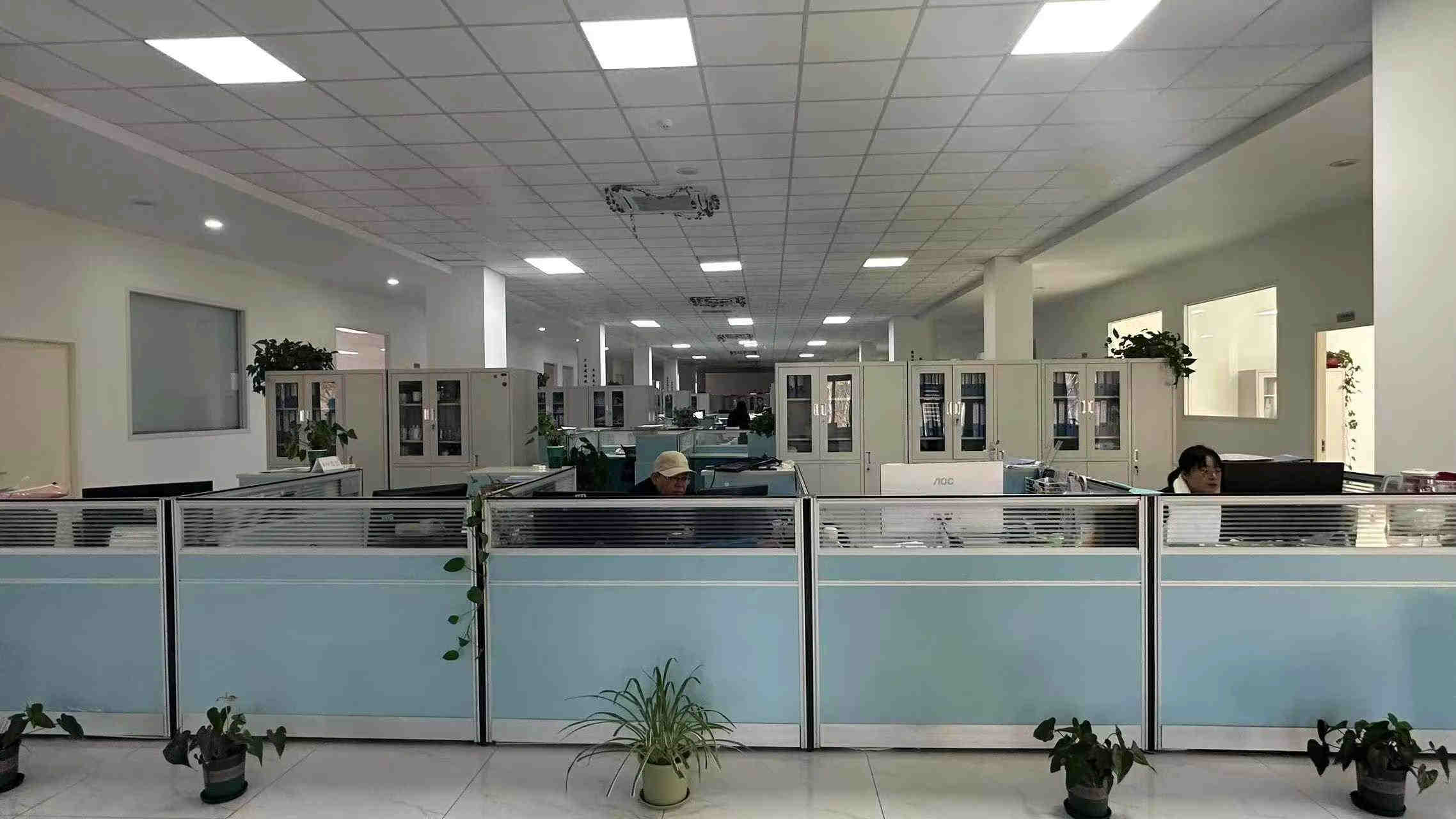
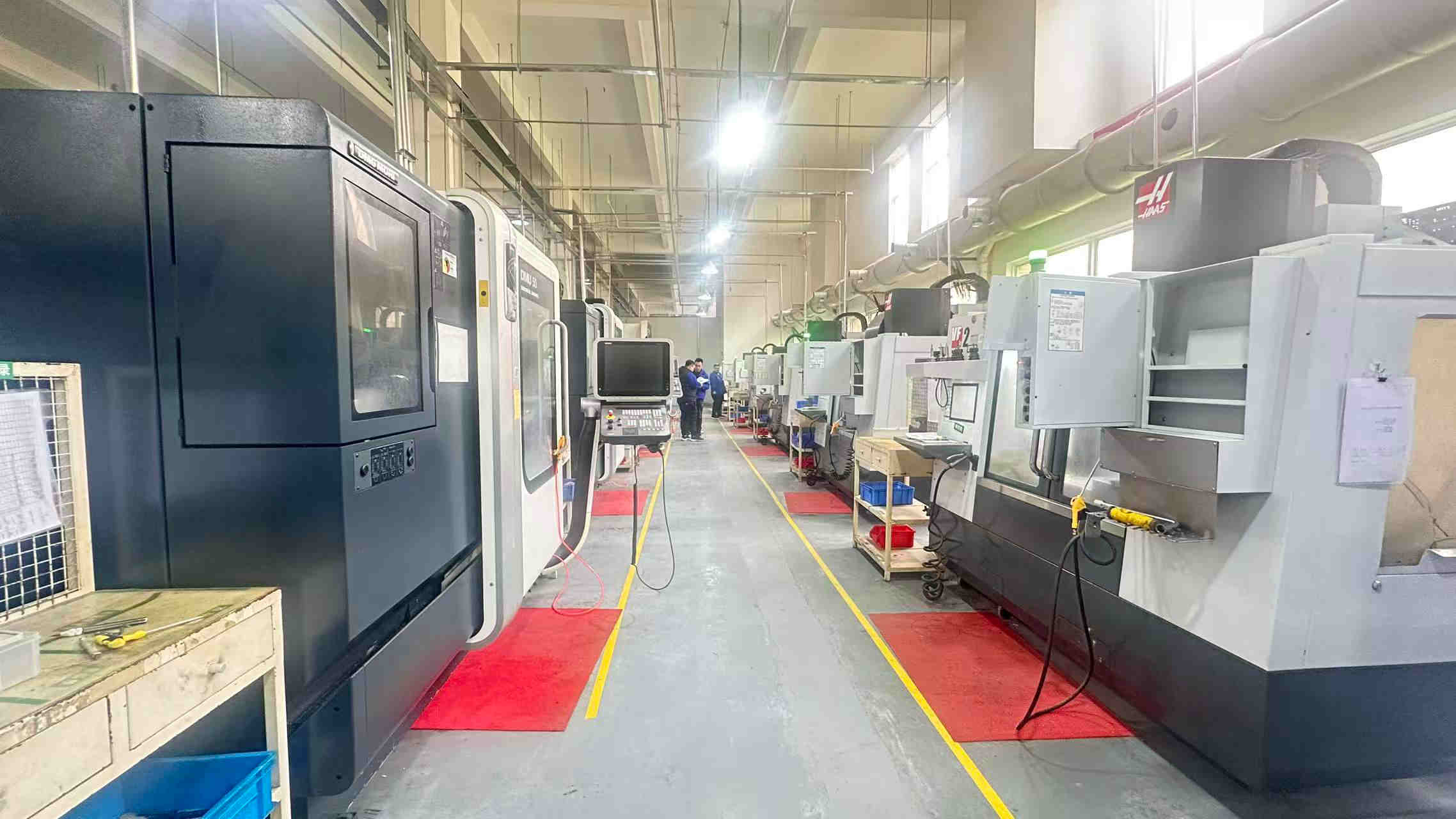
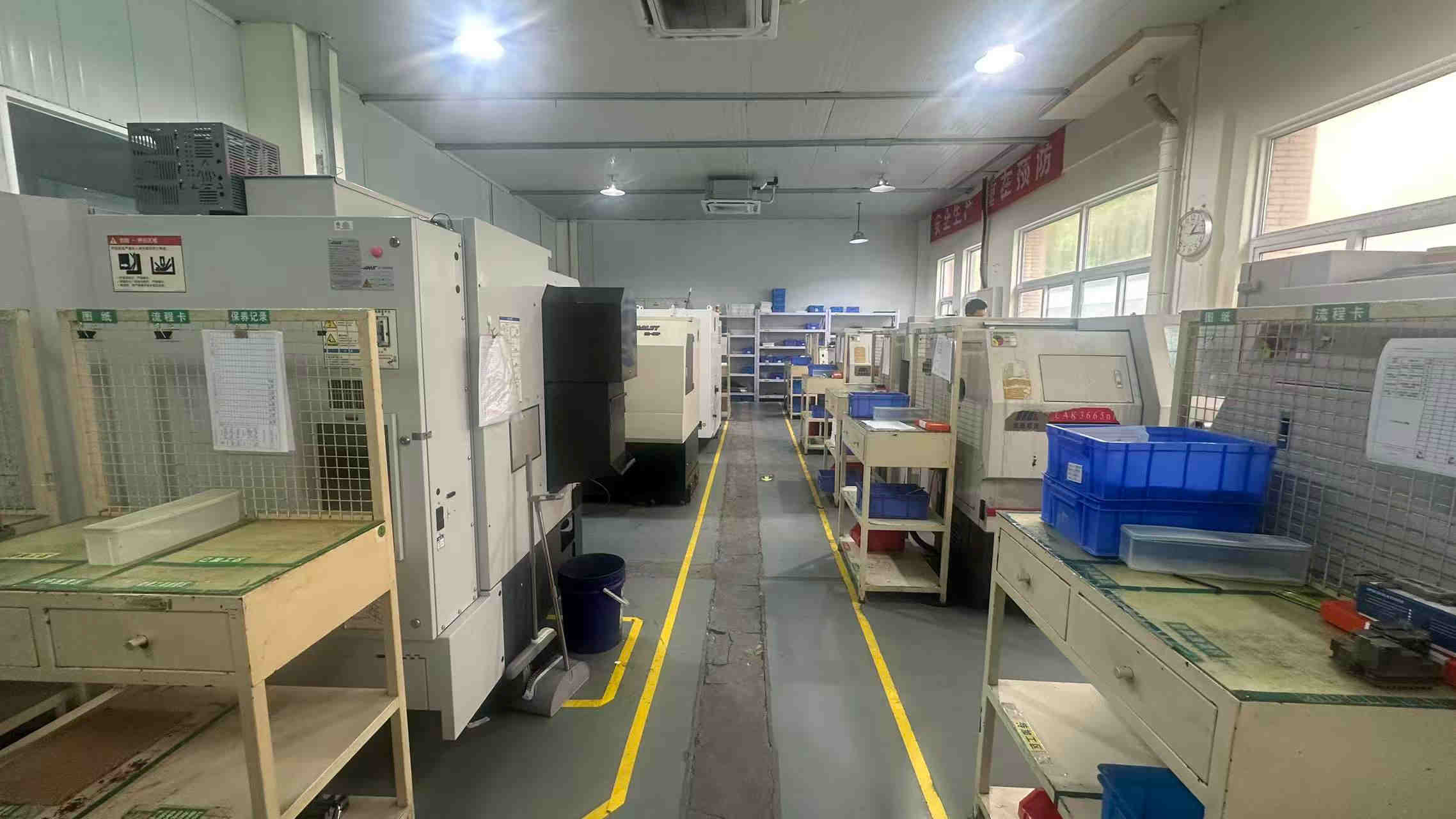
Guided by our founding philosophy—"people-oriented, integrity first, continuous innovation, the pursuit of excellence"—we focus on developing advanced biomechanical solutions. Our facilities are equipped with precision German CNC machining centers, high-tolerance Swiss Swiss-type lathes, and class-100,000 cleanrooms to ensure compliance with strict medical standards.
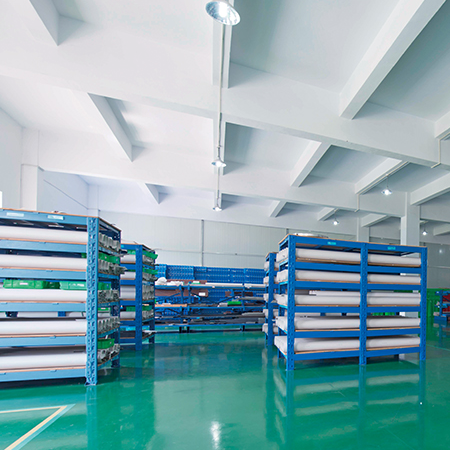
From metallurgical verification to final aseptic packaging, discover how we build safety into every orthopedic implant.
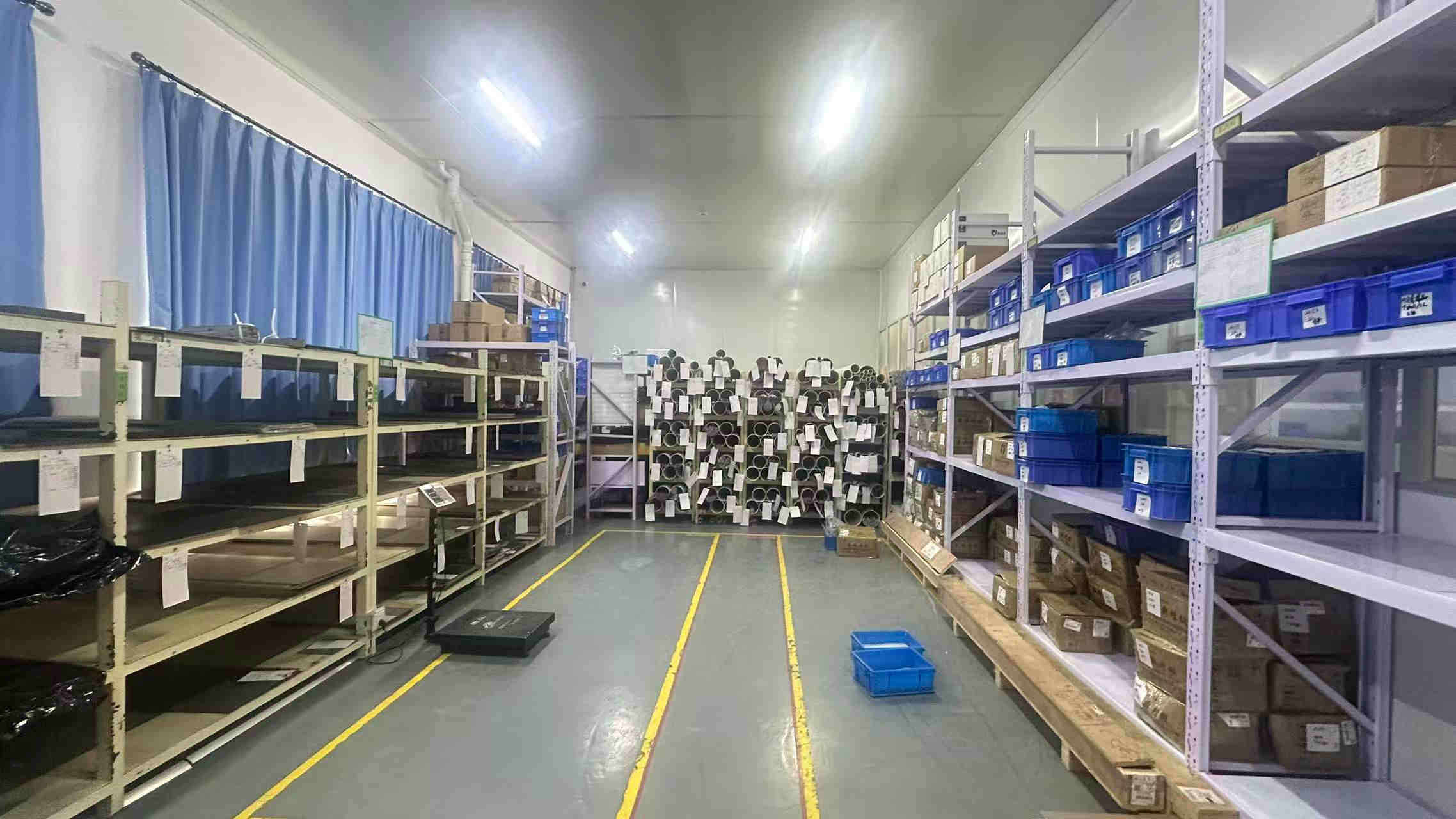
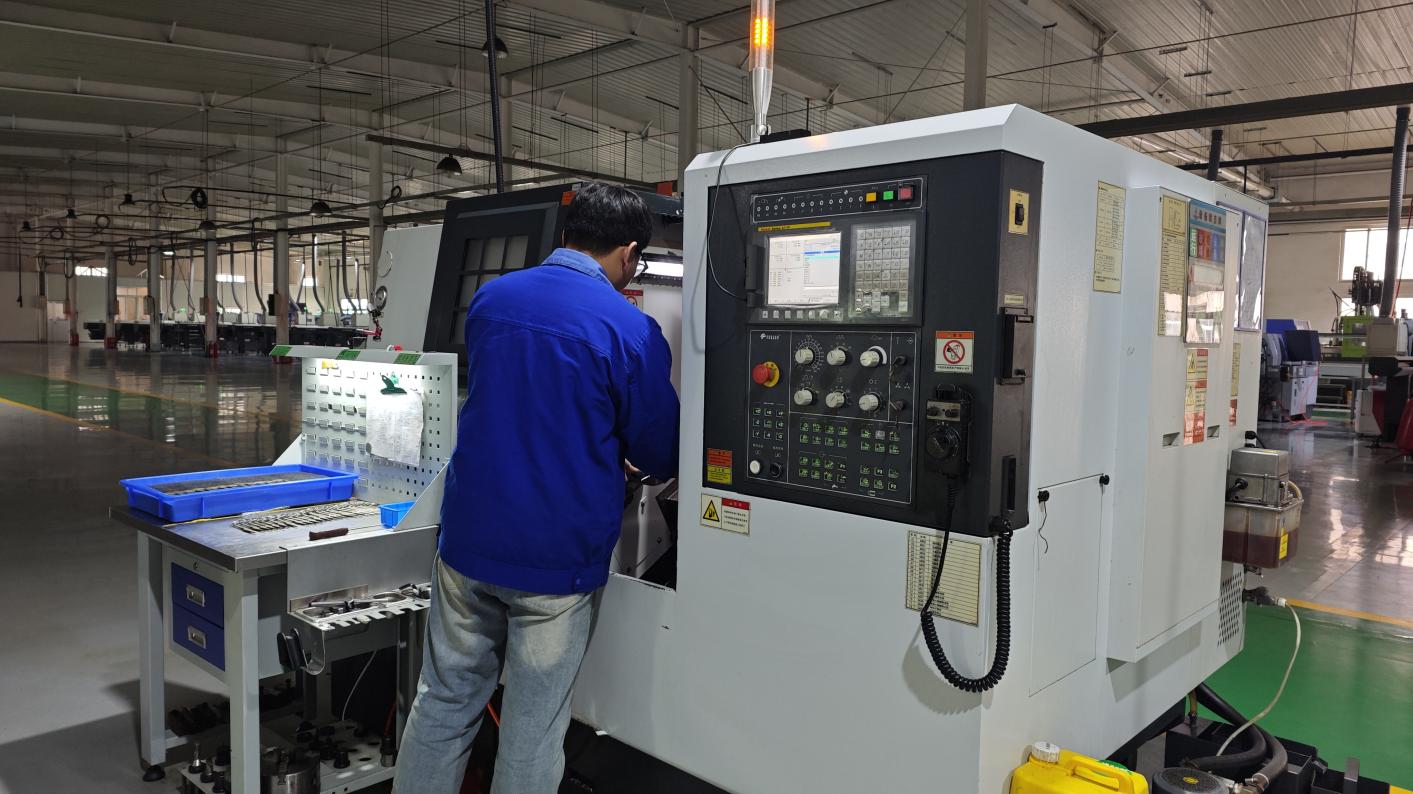
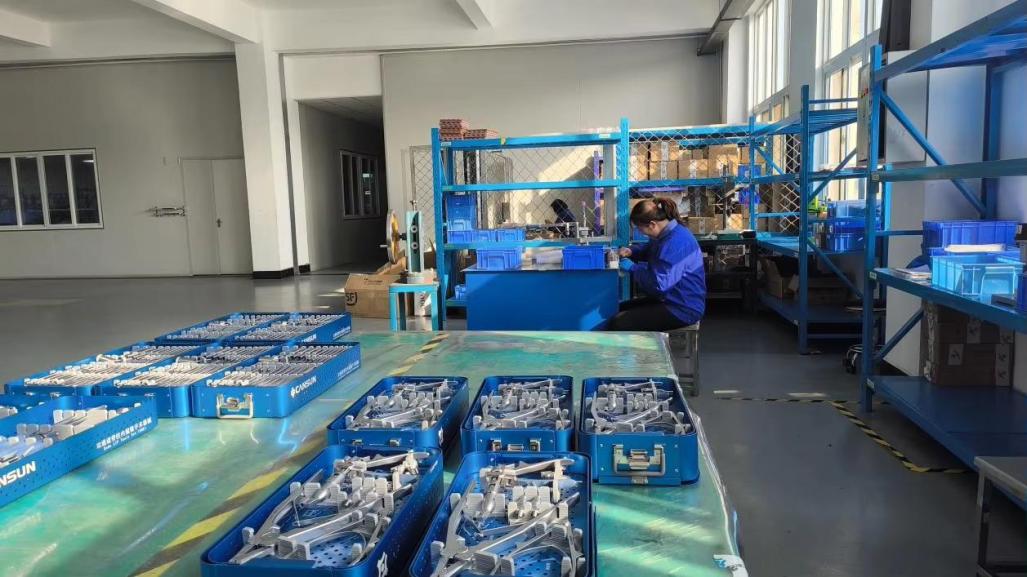
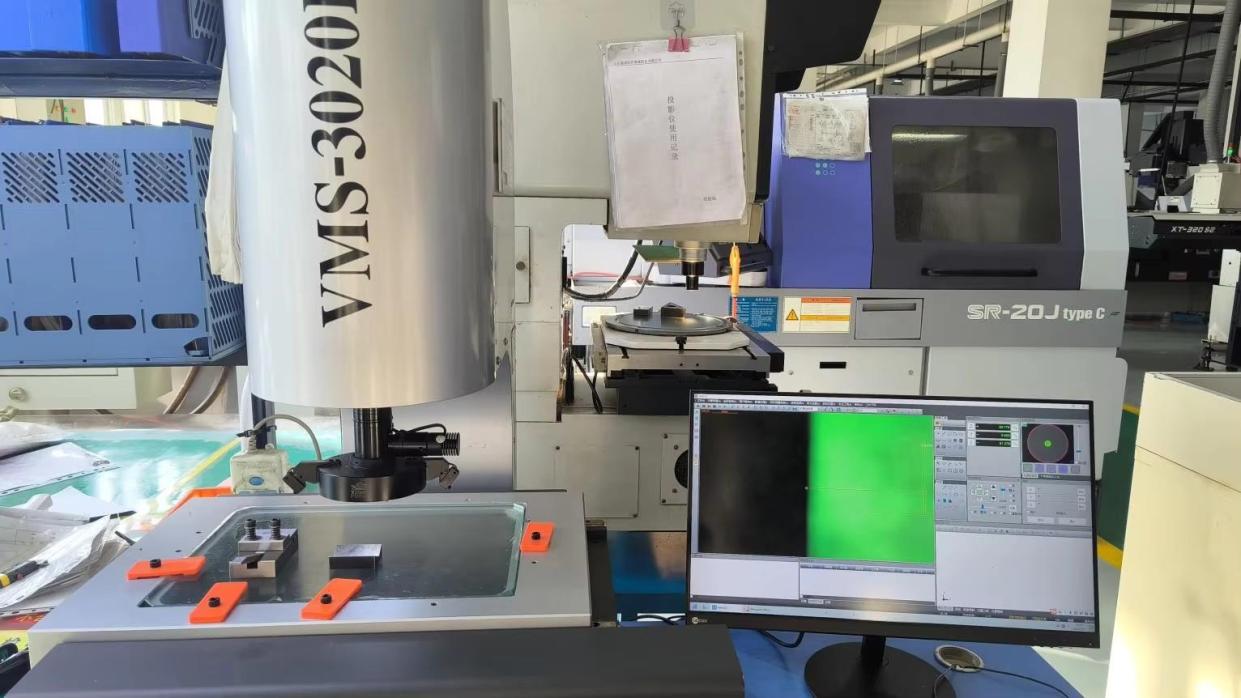
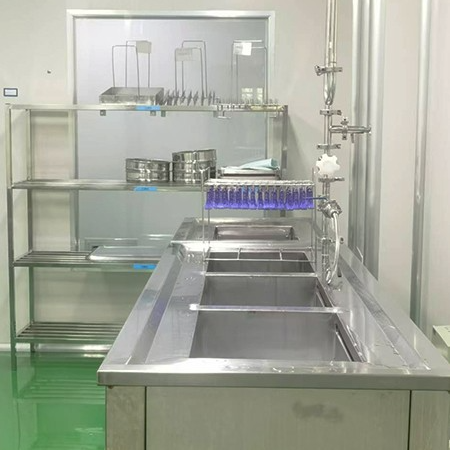
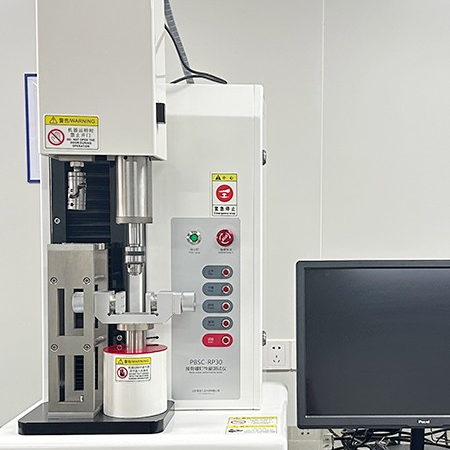
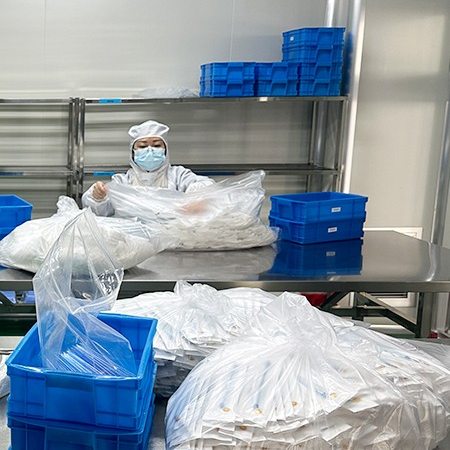
Engineered to withstand physical stress and promote rapid osteointegration.
Sacral plate design relies on advanced metallurgy and geometry. While standard locking plates provide structural stability, next-generation sacral plates use variable-angle locking technology to accommodate complex anatomical shapes. This allows surgical screws to pivot up to 15 degrees in any direction, helping surgeons secure the implant in solid bone structures while avoiding critical nerve paths.
| Performance Metrics | Titanium Alloy (Ti-6Al-4V ELI) | Commercial Pure Titanium (Gr. 4) | Sourcing Benefit |
|---|---|---|---|
| Tensile Strength (MPa) | ≥ 860 | ≥ 550 | Higher fatigue resistance under physiological loads |
| Yield Strength (MPa) | ≥ 795 | ≥ 483 | Reduced risk of deformation under stress |
| Elastic Modulus (GPa) | 110 | 105 | Closer to human bone, minimizing stress shielding |
| Biocompatibility | Excellent (ISO 10993) | Excellent (ISO 10993) | Supports long-term implant survival and safety |
Our plates are modeled using high-resolution CT pelvic databases to match anatomical structures, reducing the need for intraoperative plate bending.
Allows multi-directional screw insertion, giving surgeons the flexibility to target high-density bone structures.
Advanced surface treatment options improve fatigue strength and reduce the risk of cold welding between screws and plates.
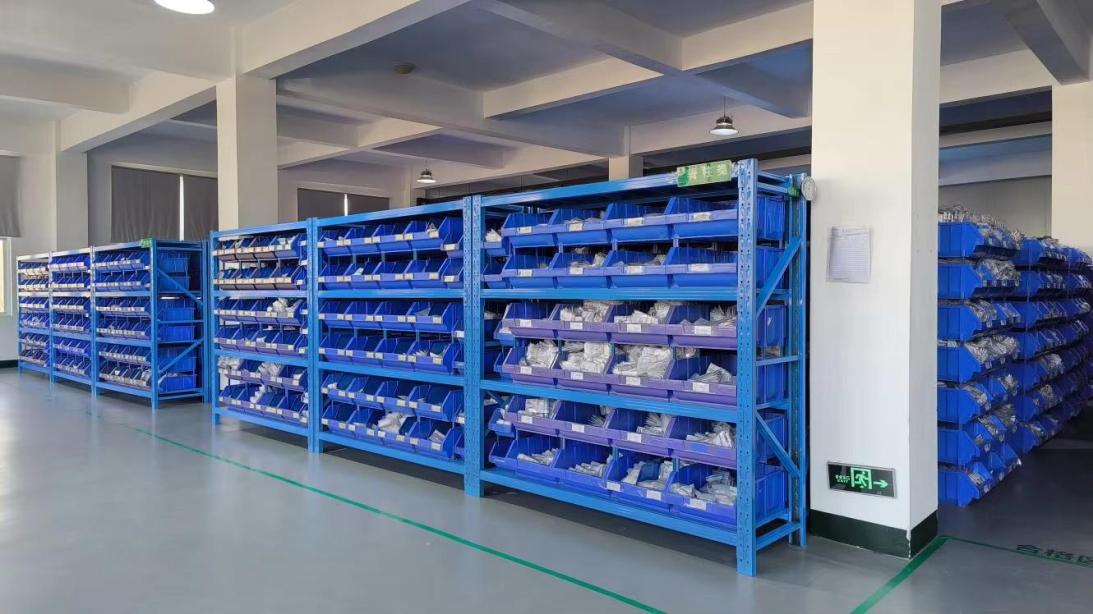
A look inside our ISO-compliant manufacturing areas, showcasing our processing and storage infrastructure.
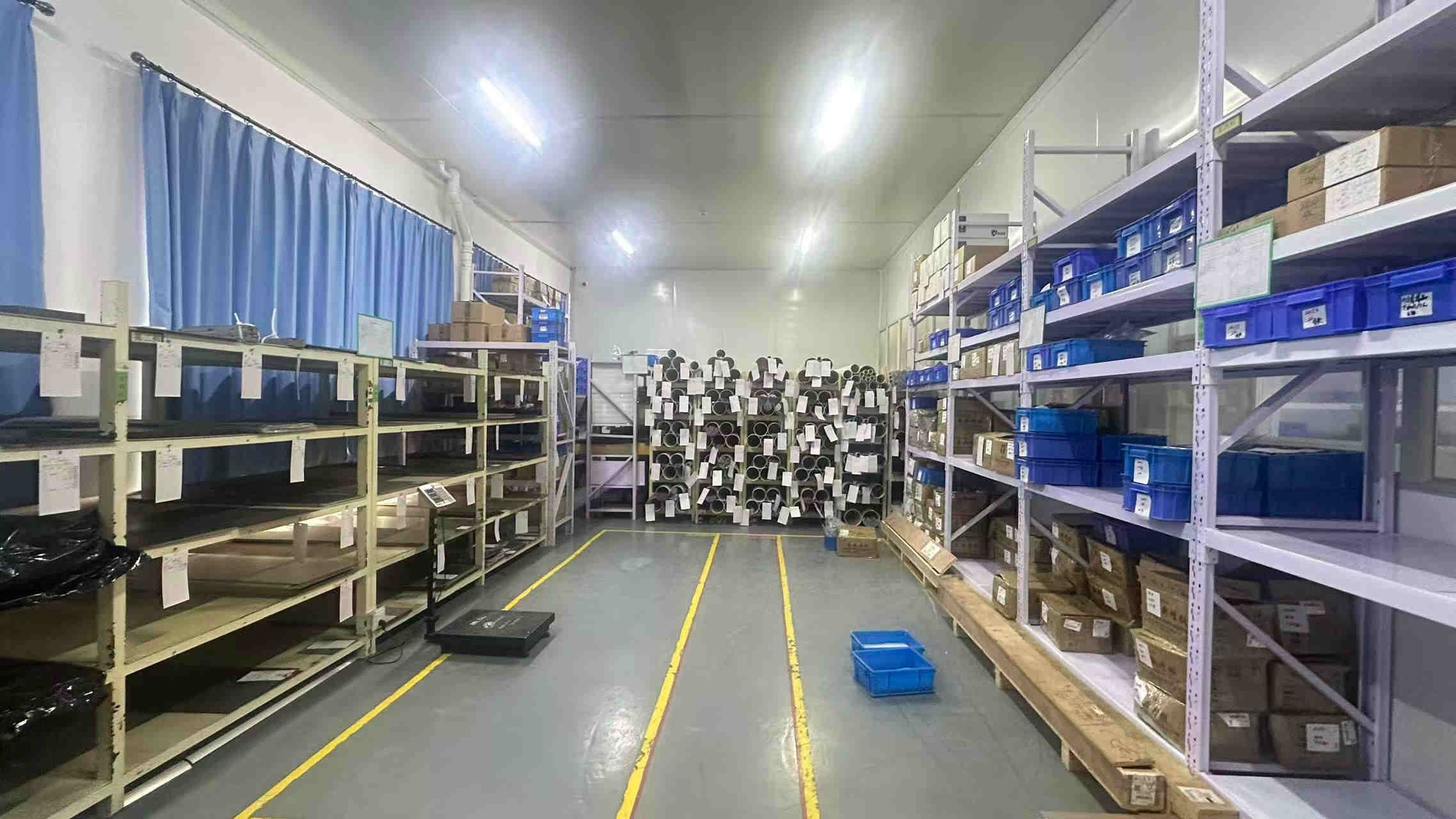
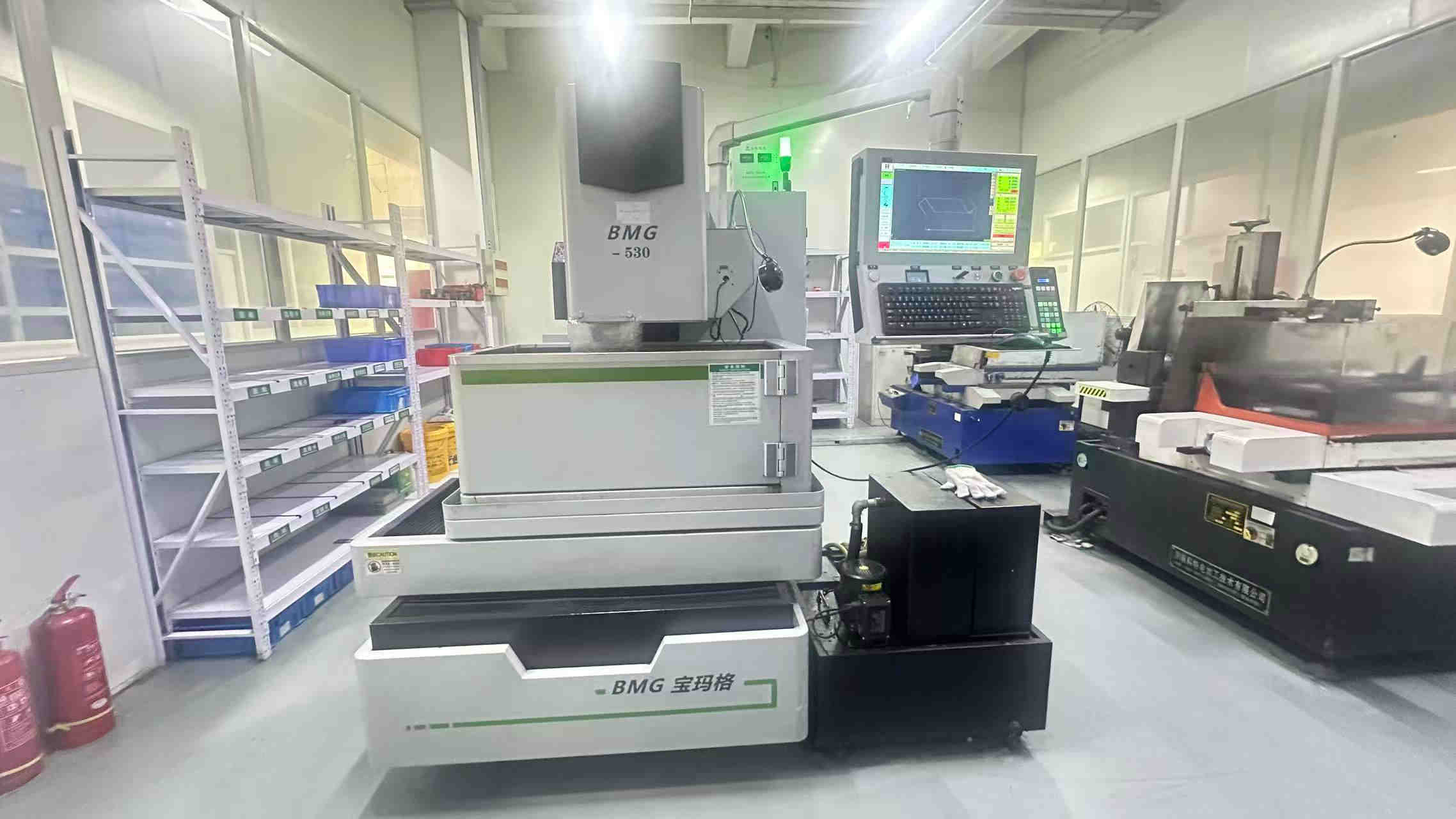
Streamlined regulatory registration and global delivery solutions for international medical device distributors.
Navigating the complex regulatory requirements of markets like Europe (CE MDR) and the United States (FDA) requires high-quality, comprehensive documentation. Chengdu Medev provides complete technical documentation support, including mechanical fatigue test data (ASTM F1717 / F382), biocompatibility evaluations, and sterilization validation dossiers. This documentation helps our OEM partners complete local registrations and market clearance processes efficiently.
Our supply chain accommodates both sterile and non-sterile packaging configurations. We support Class 10,000 cleanroom packaging using medical-grade Tyvek pouches, as well as bulk non-sterile shipments for local sterilization. With over 20 years of export experience, we manage shipping, customs clearance, and logistical workflows to ensure secure, on-time delivery across 120+ countries.
Browse our complete catalog of trauma, spine, and external fixation hardware, manufactured for durability and clinical safety.
Exploring advanced surface treatments and patient-specific implant designs.
The orthopedic trauma industry is moving toward patient-specific implants (PSIs) and functional surface technologies. In pelvi-acetabular reconstruction, where anatomies vary significantly, 3D printing and custom plate geometries can help improve surgical outcomes. Our engineering team is currently researching porous titanium structures and micro-textured surfaces to encourage direct bone growth onto the implant.
Our product roadmap also focuses on active bio-coatings. We are exploring the use of silicon-substituted hydroxyapatite (Si-HA) and electrochemical copper/silver co-deposition. These coatings are designed to promote osteoblast proliferation while providing anti-microbial protection, helping to improve long-term outcomes and protect patient health.
Crucial purchasing and technical information for global distributors, logistics directors, and orthopedic partners.
We support customization from anatomical 3D modeling and variable-angle screw adaptation to surface treatments like Type II anodization. OEM partners can specify length, thickness, screw hole counts, and custom branding via laser etching, backed by our in-house engineering team.
All implantable systems are manufactured under ISO 13485 quality systems and hold CE certifications. We supply comprehensive technical documentation to help our clients complete local regulatory submissions.
Every material batch is sourced from audited suppliers and includes mechanical testing certificates. Our QA lab performs hardness testing, tensile strength testing, and dimensional verification to ensure that every implant meets or exceeds ASTM requirements.
We offer both sterile packaging (completed in our class-100,000 cleanroom using Tyvek materials and sterilized via validated processes) and non-sterile options, allowing you to choose the configuration that best fits your local market requirements.
Standard trauma plates from our existing catalog typically ship within 30 to 45 days. For custom OEM/ODM projects, lead times depend on design complexity and tooling setup, and are confirmed during the initial project review.
 Medev Medical