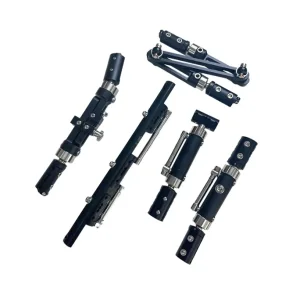

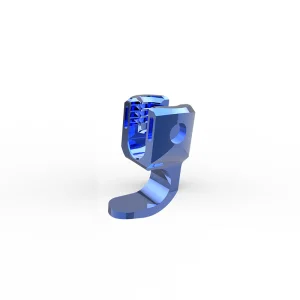
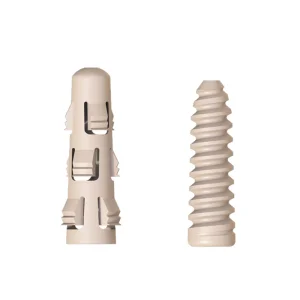
In modern industrial applications, the durability, surface hardness, chemical resistance, and biocompatibility of critical metal parts are defined by the quality of their surface treatment. Plating systems—ranging from electroplating, chemical passivation, and anodization to micro-arc oxidation—form the core methodology for protecting metal components against corrosion, wear, and structural fatigue. Specifically, in industries where failure is not an option, such as aerospace, medical implants, precision infrastructure, and defense engineering, the plating phase is a critical regulatory milestone. Choosing the correct China plating systems manufacturer ensures that products achieve both performance longevity and international compliance standards.
Chengdu Medev Medical Instruments Co., Ltd., founded in 2001, stands as a prime example of high-precision component manufacturing and advanced surface engineering. Spanning over 18,000 square meters of specialized workspace, with a constructed facility footprint exceeding 15,000 square meters and a registered capital of 20 million Yuan, Chengdu Medev has spent more than two decades developing critical medical implant instruments and specialized industrial metal systems. Supplying over 1,000 clients across 120 countries, our facility represents the pinnacle of surface treatment execution, integrating cleanroom assemblies, ultrasonic cleaning validation, and mechanical tensile testing to ensure elite engineering standards.
How our advanced facility ensures zero defects and complete biological and mechanical compatibility through structured verification modules.
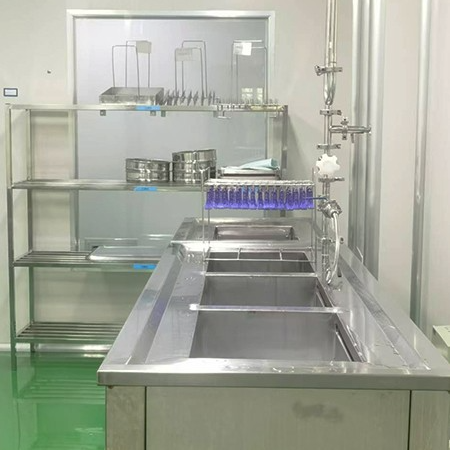
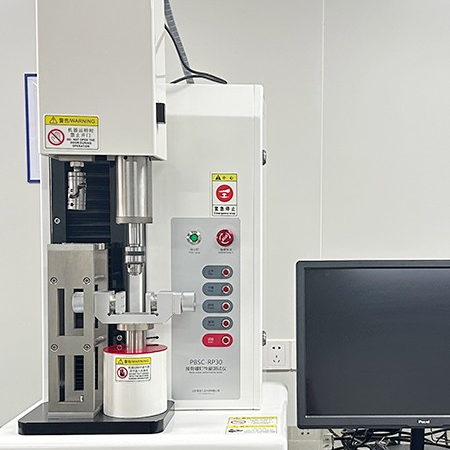
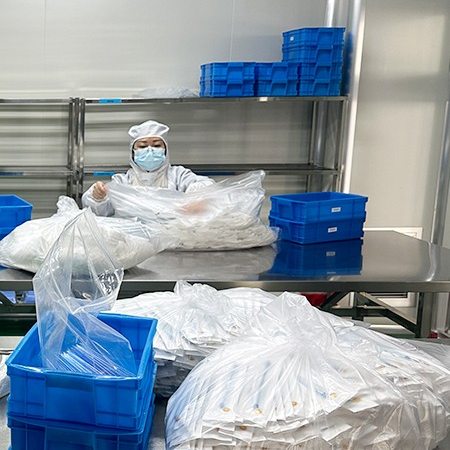
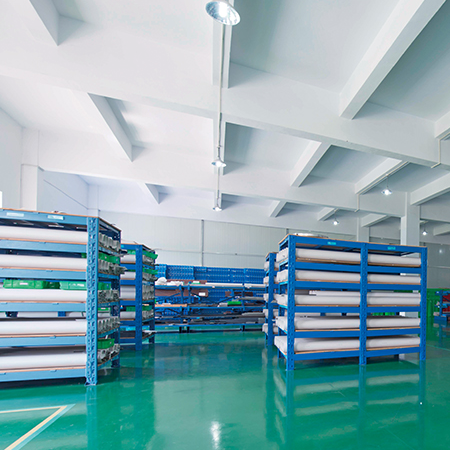
The global dominance of Chinese manufacturers in the plating and surface treatment domain is not merely a matter of scale; it is an optimization of technology, raw materials supply, and rapid adaptation of environmental standards. The primary strengths of China's top-tier plating system providers include:
Unlike regional suppliers, China’s industrial corridors integrate raw metal extraction, forging, machining, chemical preparation, and waste recovery in centralized zones. This reduces transit times, minimizes oxidation opportunities on raw metals, and optimizes cost performance.
Leading factories like Chengdu Medev utilize high-precision CNC stations and automated, multi-stage electroplating and anodizing lines. Real-time computerized monitoring ensures consistent coating thickness (within micron levels), eliminating human error.
By enforcing compliance with FDA, CE Medical Device Regulations (MDR), ISO 13485, and environmental mandates like RoHS and REACH, Chinese manufacturers guarantee that their finishes meet the global safety requirements of Europe, North America, and Japan.
The integration of these factors translates to major efficiency gains for international buyers. Sourcing from a certified manufacturer with integrated processing reduces handling steps, ensuring that products move directly from forging and surface treatment to clean packaging under one roof, maximizing traceability and safety.
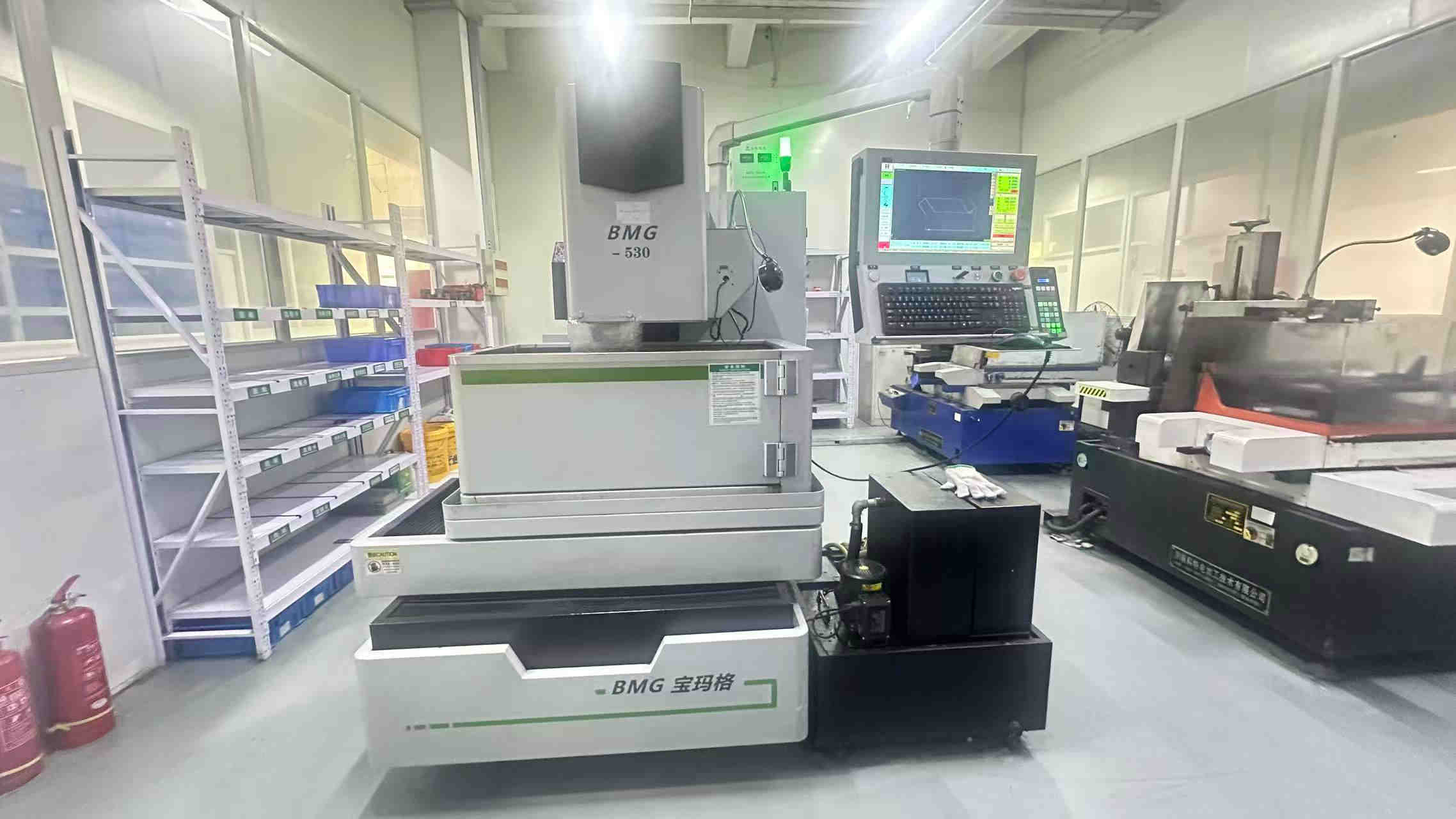
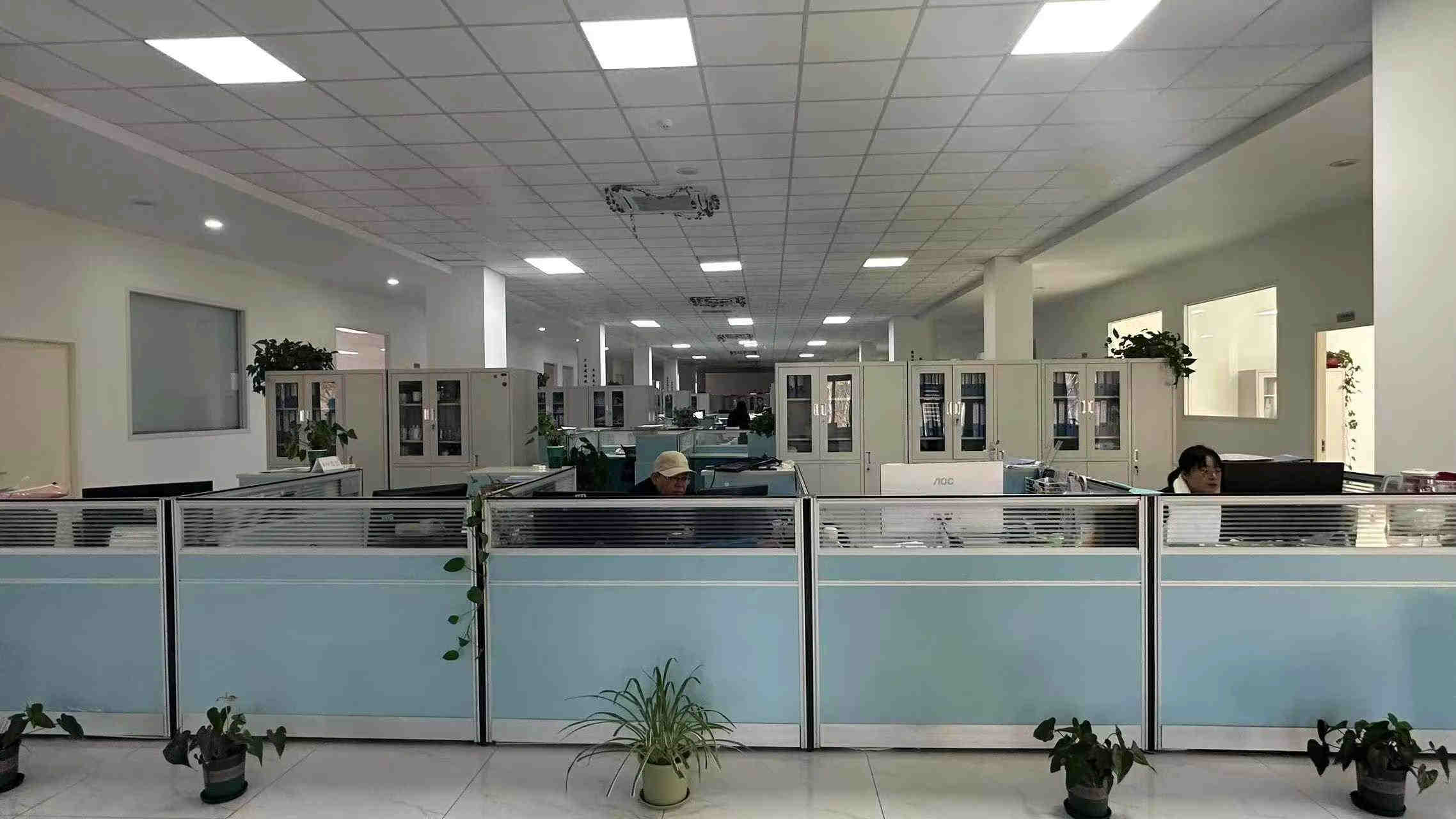
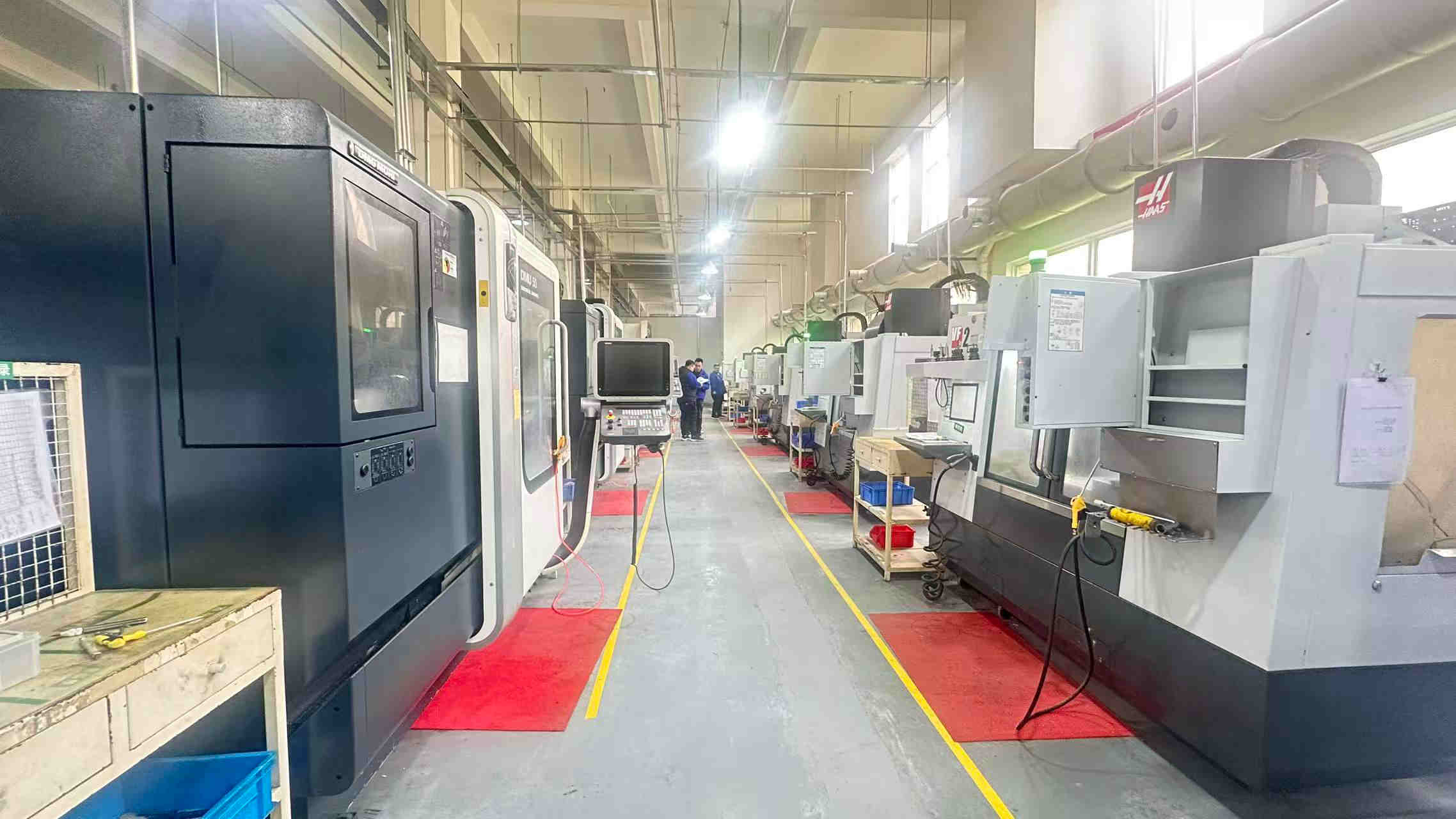
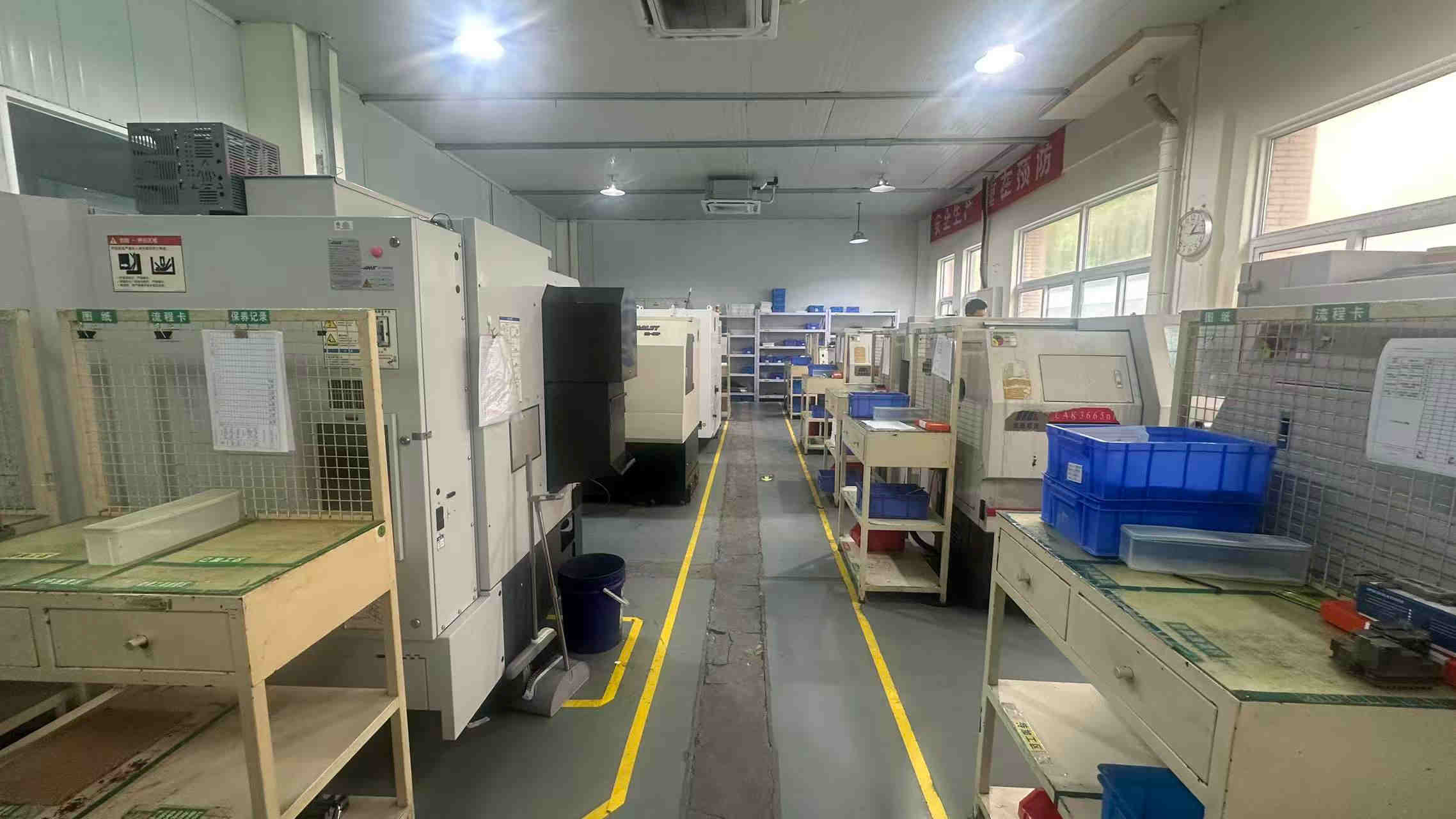
Step-by-step display of our manufacturing and assembly infrastructure, illustrating the path from raw titanium and steel blocks to clean, calibrated, and finalized medical-grade systems.
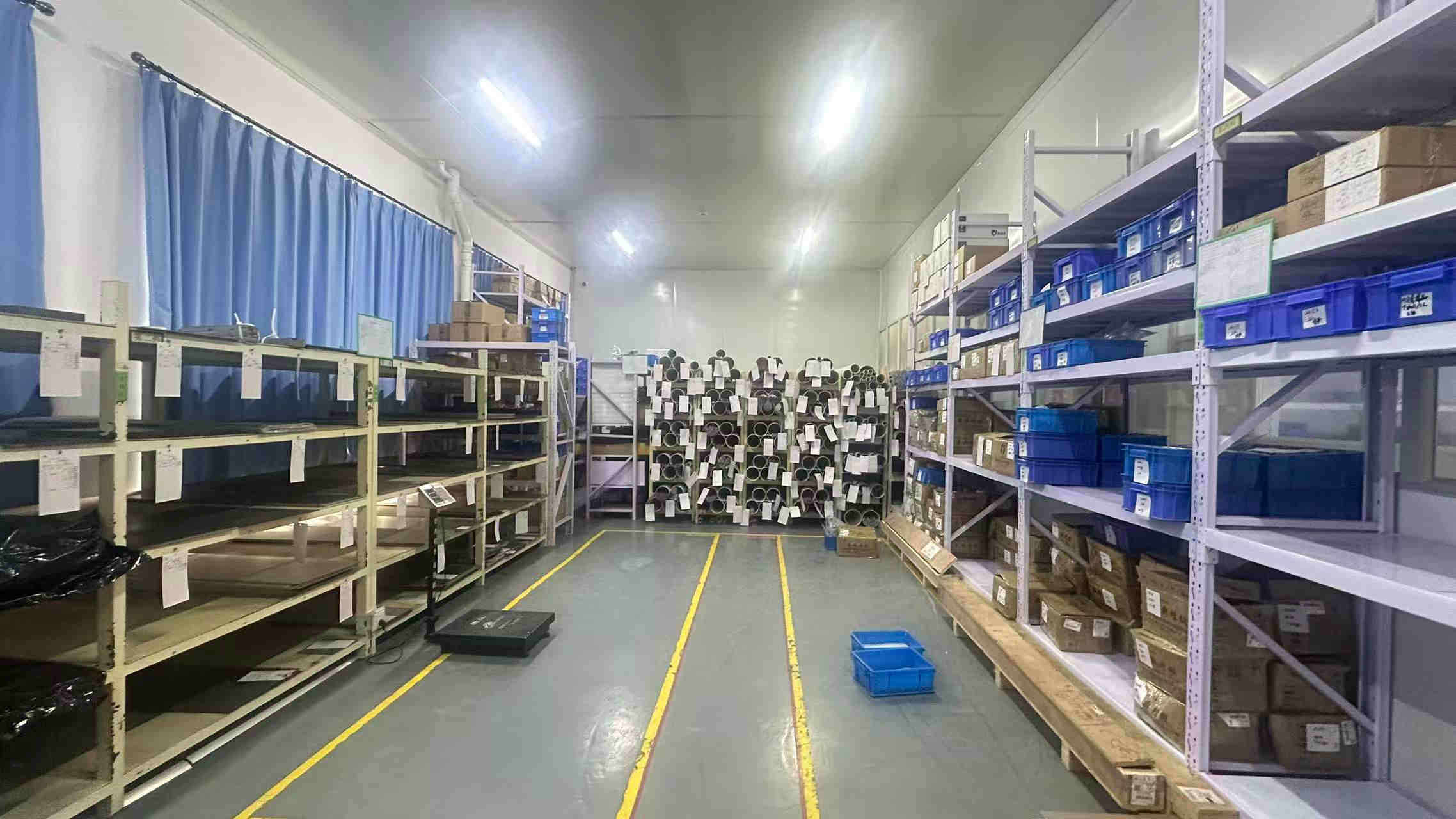
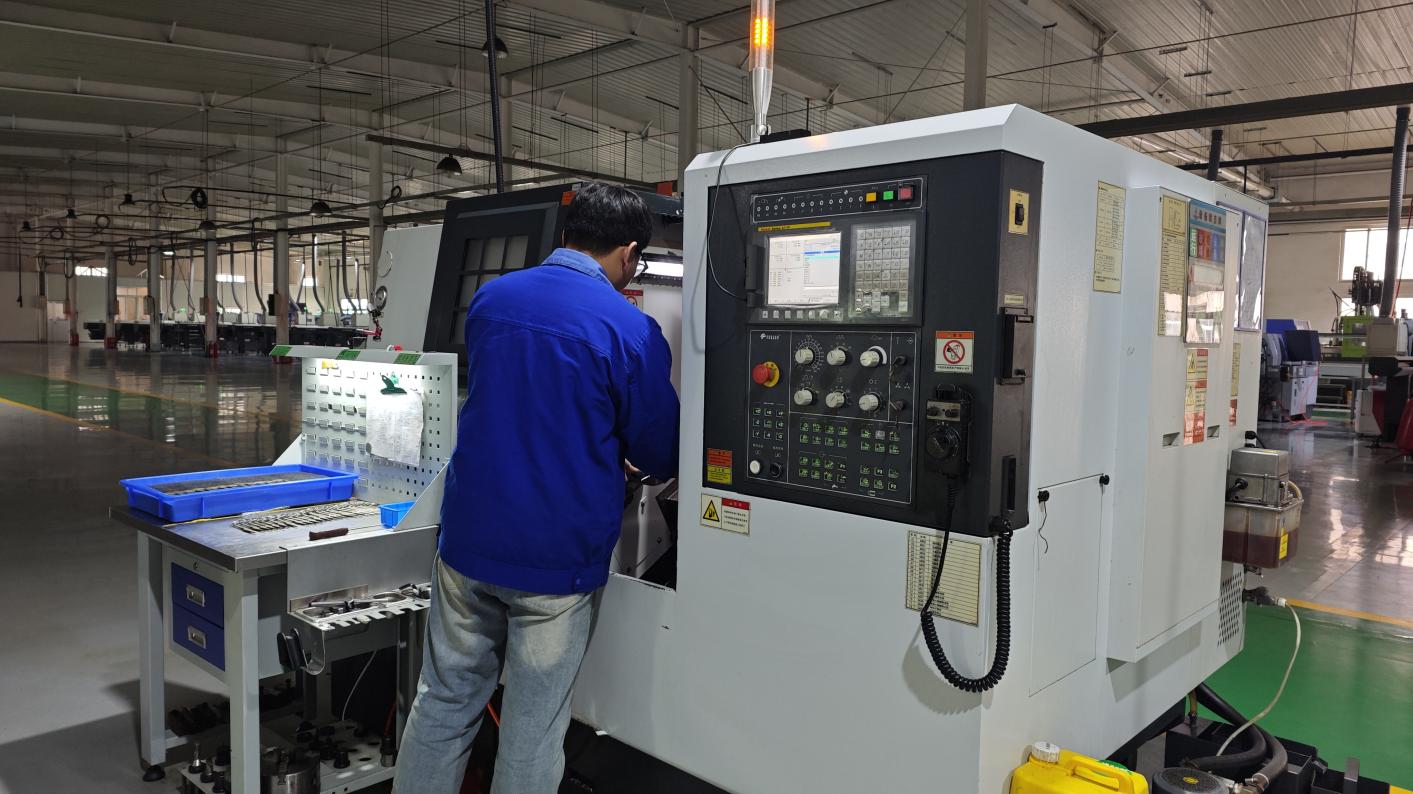
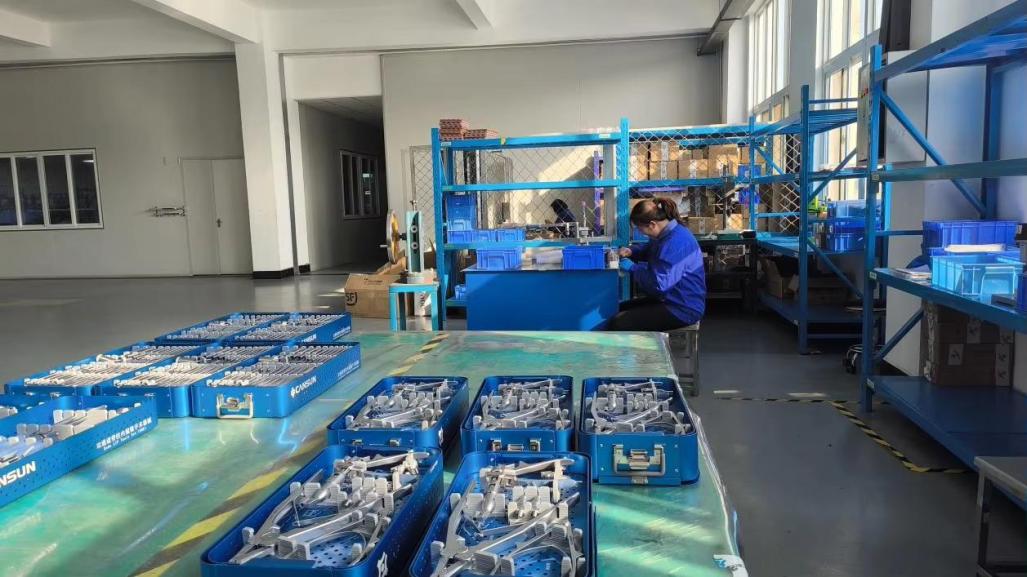
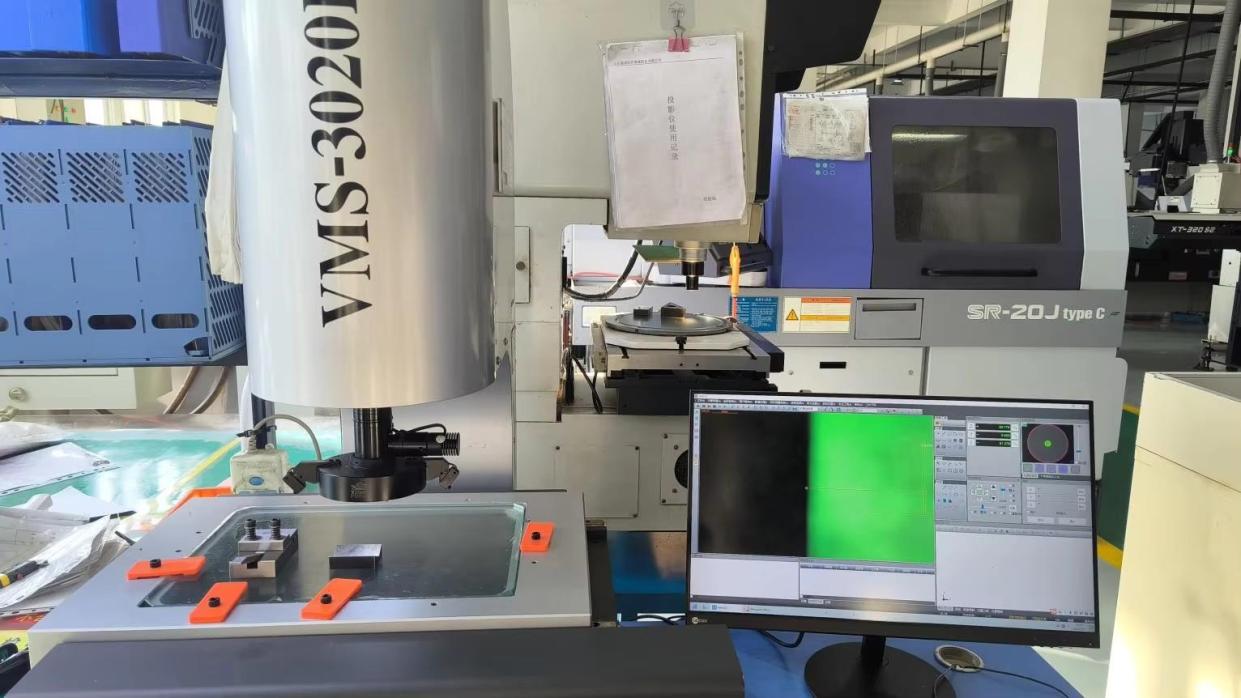
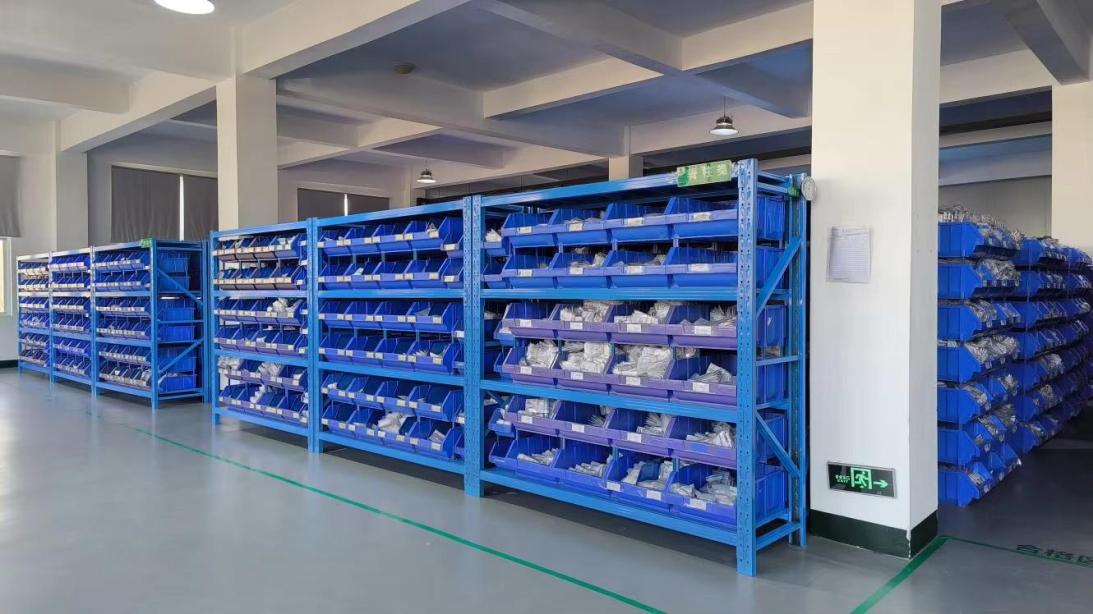
As industrial demands transition toward higher performance and eco-friendliness, the technologies deployed by Chinese factories are evolving. The following trends represent the forefront of development in the plating and anodizing sector:
Traditional hexavalent chromium processes have faced intense scrutiny due to international environmental concerns and strict regulations like Europe's REACH directive. Leading factories have pivoted to trivalent chromium conversion coatings and zinc-nickel (Zn-Ni) alloy plating systems. Zn-Ni systems offer exceptional corrosion resistance, surviving more than 1,000 hours of salt spray exposure (ASTM B117 standards) without white or red rust formation, making them ideal for automotive under-hood components and outdoor heavy machinery.
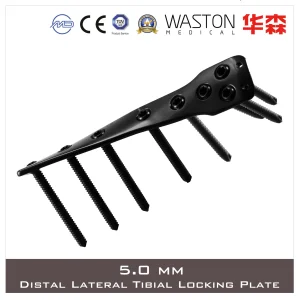
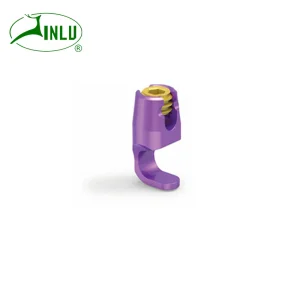
In medical fields, bone plates, screws, and spinal implants must possess excellent biocompatibility, high fatigue strength, and color coding to assist surgeons during operations. Titanium anodization Type II creates a lubricious layer that protects against galling under stress, while Type III (color anodization) relies on interference colors generated by oxide layers without using dyes. This ensures complete bio-safety, zero toxicity, and exceptional long-term integration with bone tissue.
Automation in chemical dosing is a major upgrade in modern factories. Automated spectrophotometric titration units continuously read bath parameters (pH, metal content, temperature, current density) and auto-correct deviations in real-time. This eliminates variances between product batches, ensuring that every batch exhibits exact mechanical and chemical specs.
Plating systems and advanced surface finishes are not standalone components; they serve as critical solutions across multiple industrial sectors. Understanding where and how these materials apply can optimize procurement selection:
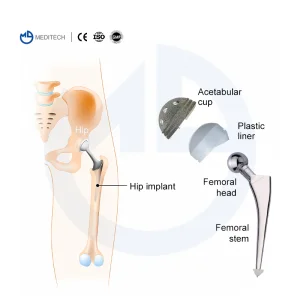
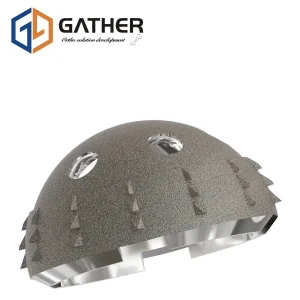
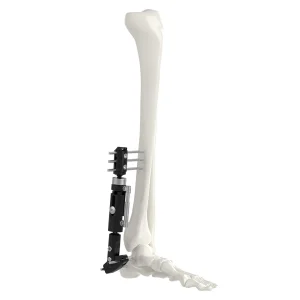
For orthopedic procedures (pedicle screws, trauma plates, knee joint replacements), plating systems must guarantee absolute bio-inertness. Clean, micro-structured titanium surfaces allow for osteointegration, enabling bone cells to anchor directly to the metal. This ensures fast healing times and minimizes risk of rejection.
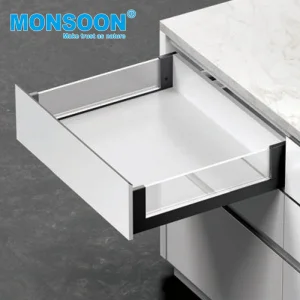
In consumer appliances and kitchen cabinetry, zinc-plated undermount drawer slides demand smooth travel and long wear resistance. Heavy-duty electroplating prevents oxidation caused by humidity and exposure to household chemicals, maintaining high loading capacities over hundreds of thousands of cycles.
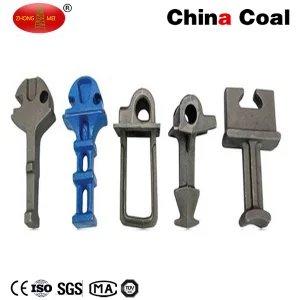
Heavy rail networks require rail shoulders and fasteners to withstand harsh outdoor environments, constant vibrations, and load stresses. Specially designed hot-dip galvanized and cast-iron plating systems prevent rust in coastal or high-humidity regions, keeping rail lines structurally sound and reducing maintenance costs.
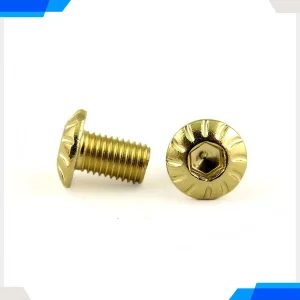
MRI rooms require materials that do not interfere with strong magnetic fields. Utilizing non-magnetic 316L stainless steel screws alongside passivation treatments prevents magnetic interference. This ensures diagnostic clarity for imaging machines and patient safety.
When procurement managers buy plating systems from China, verifying suppliers' quality systems is essential. Best practices for vetting suppliers include:

 Medev Medical