Discover our clinical-grade implants engineered for trauma repair, joint reconstruction, and orthopedic interventions.
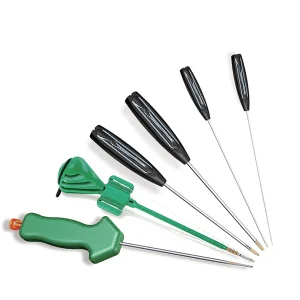
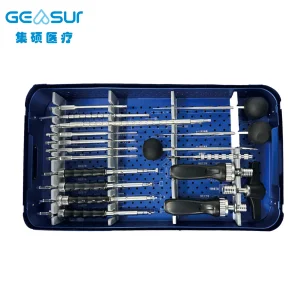
The global market for orthopedic implants is witnessing an unprecedented transition from standard sizing paradigms toward highly personalized surgical constructs. Driven by shifts in patient demographics, surging active aging populations, and requirements for streamlined operating room times, OEMs face growing demands. Hospital groups, purchasing agencies, and global distributors require manufacturers to supply implant systems that optimize osseointegration, minimize surgical complications, and guarantee compliance with rigorous international regulatory matrices.
As a dedicated Custom OEM Orthopedic Devices Exporter, Chengdu Medev Medical Instruments Co., Ltd. serves as an upstream partner bridging material science and surgeon preferences. By applying computational modeling, precise raw material selection, and rigorous physical testing, we manufacture components that restore anatomical alignment and function. From high-stability trauma plates to spinal instrumentation, our hardware meets clinical standards across healthcare systems worldwide.
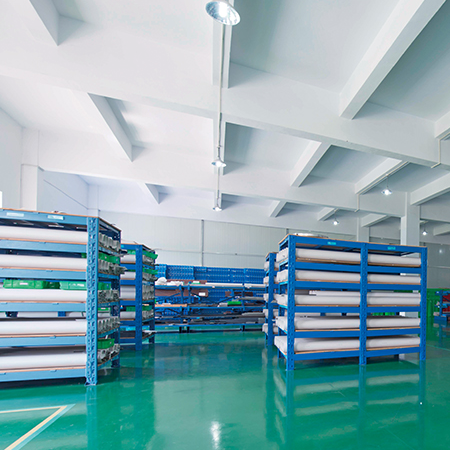
Established in 2001, we deliver design, engineering, and mass-production capabilities for the orthopedic market.
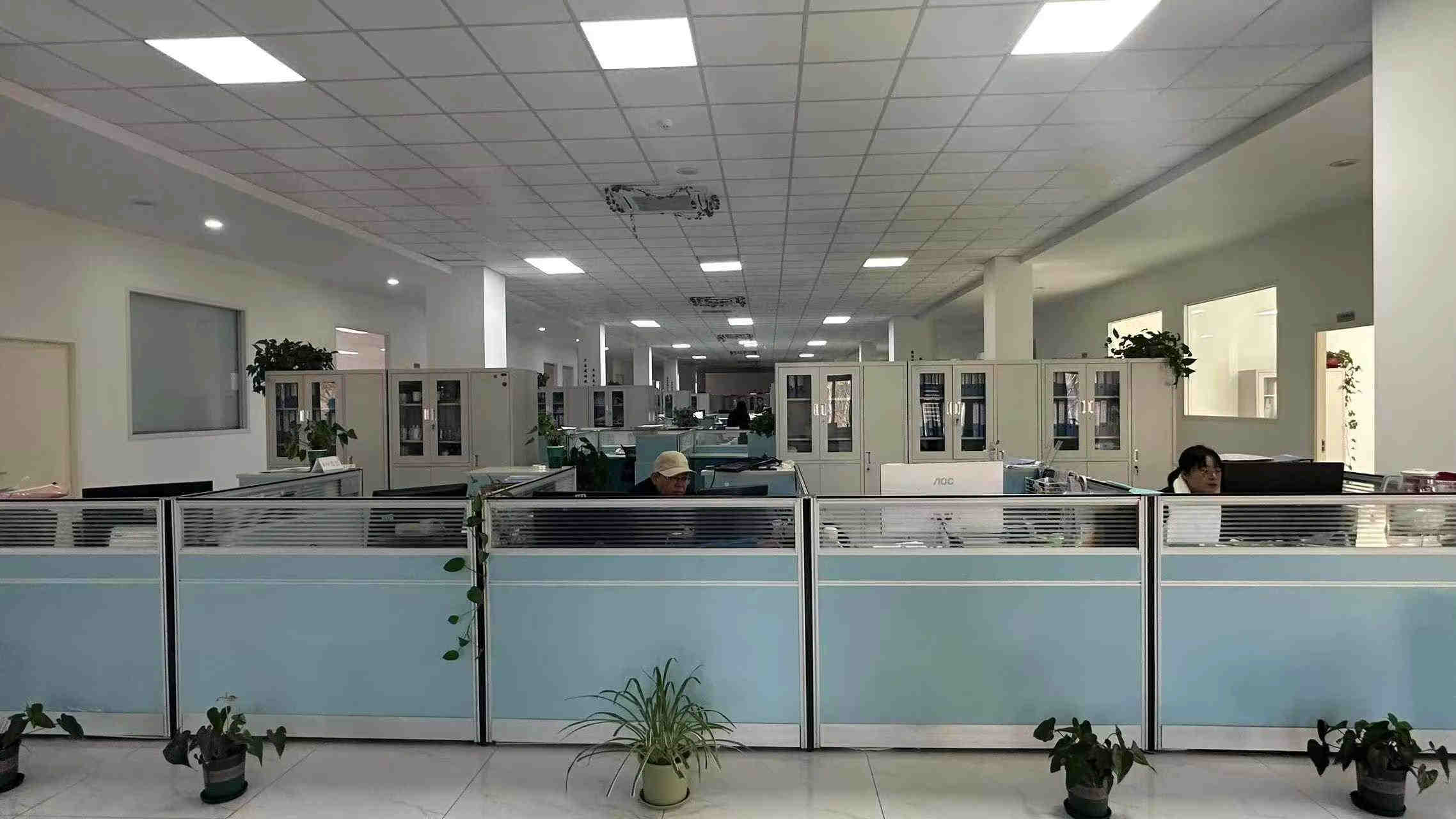
Operates an expansive 18,000 m² modern production facility, incorporating more than 15,000 m² of specialized manufacturing floorspace. Backed by a registered capital of 20 million Yuan, our facilities support high-volume manufacturing without sacrificing dimensional precision.
Over two decades of research and production expertise, supplying medical implants and matching instrument kits to more than 1,000 clients in 120 countries, establishing a reliable global distribution chain.
Rooted in our core principle: "People-oriented, integrity first, continuous innovation, the pursuit of excellence." We combine modern automated fabrication with expert validation to secure patients' long-term clinical safety.
How we eliminate defect risk through standardized cleaning, testing, and sterile-barrier processing.
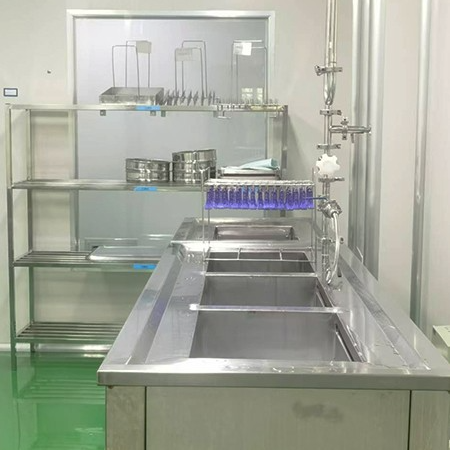
Ultrasonic cleaning helps remove microscopic particulates, cutting fluids, and processing residues from implant surfaces, reducing post-operative infection risks before packaging.
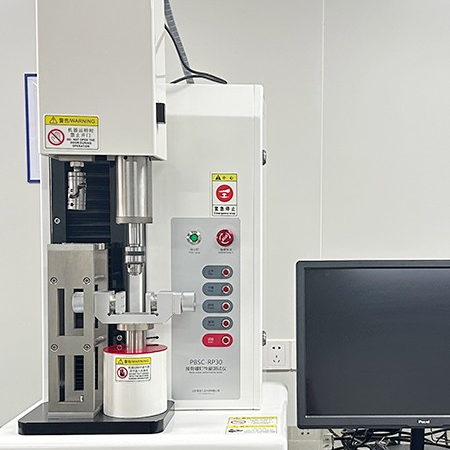
Validates material tensile strength, yield limits, and elongation. Our testing protocols check that each lot withstands physiological loads and fatigue stresses once implanted.
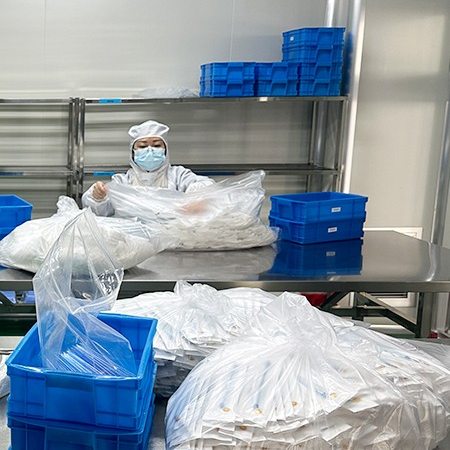
Sealed in ISO-classified environments using validated heat-sealing. This sterile barrier maintains product integrity from transport to the point of care in hospital operating suites.
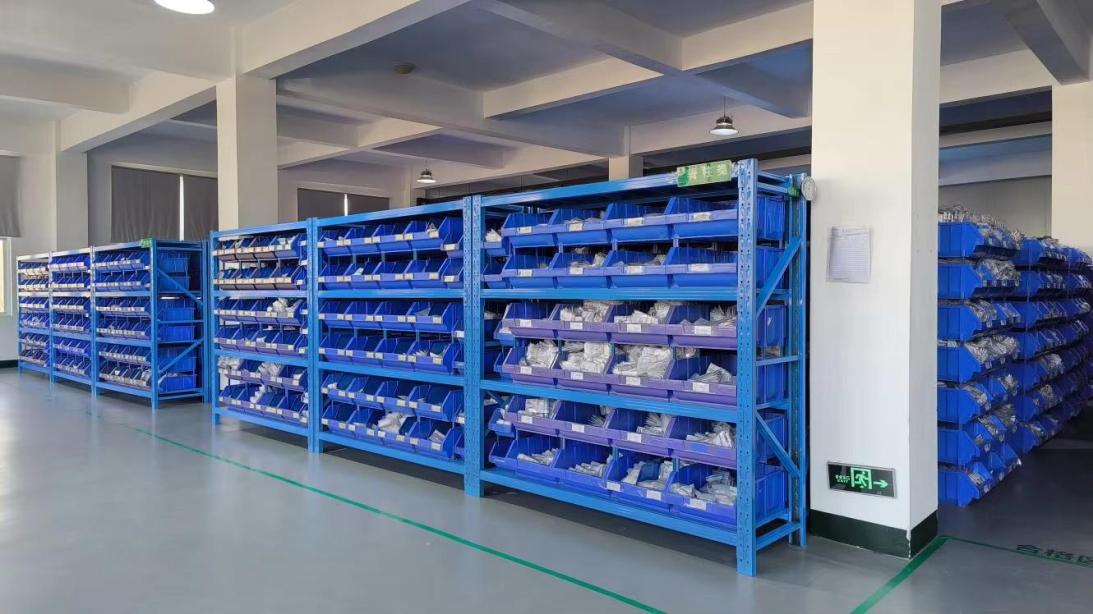
From raw medical-grade stock to complete instrumentation, we maintain traceability at each phase of production.
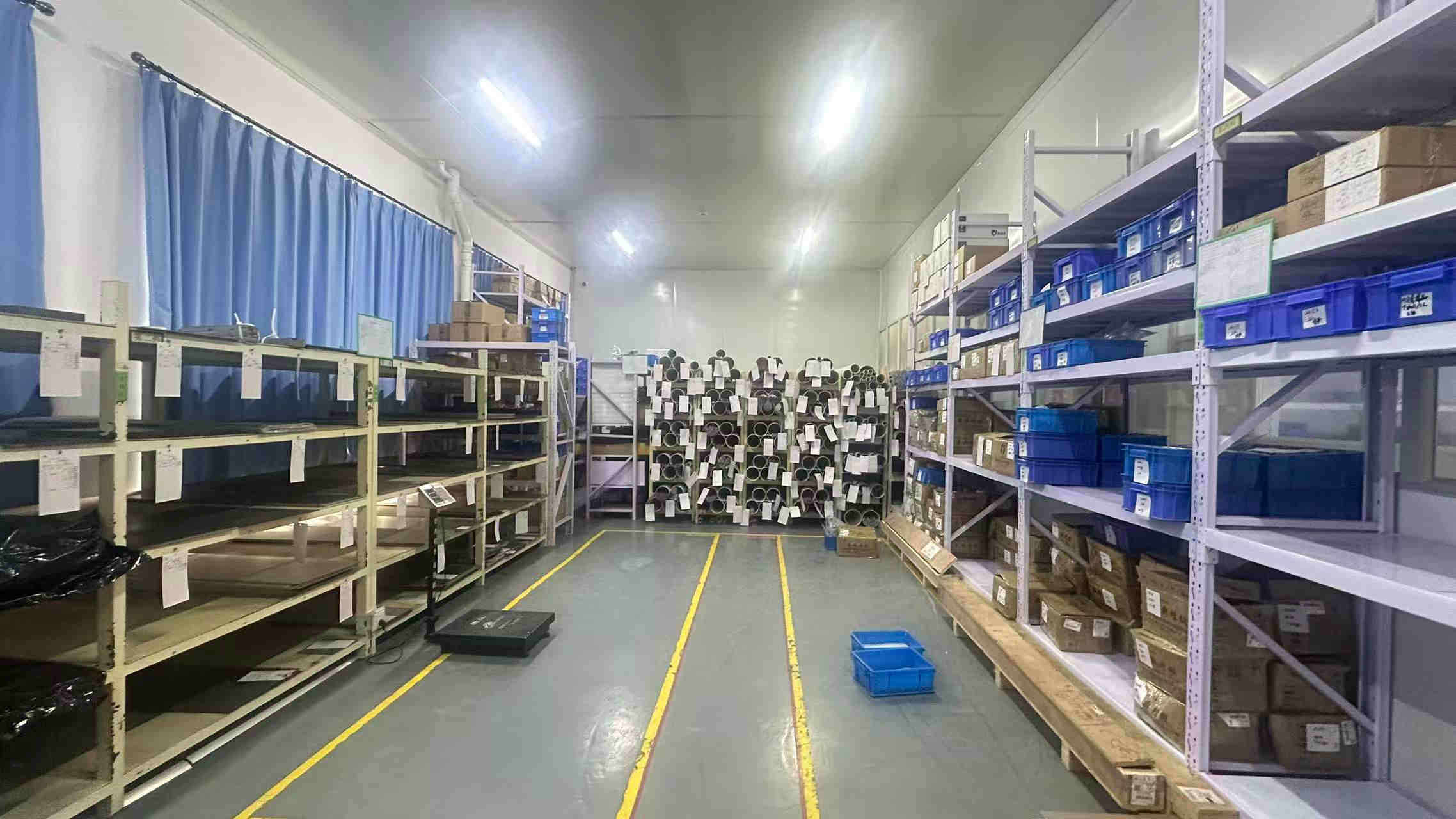
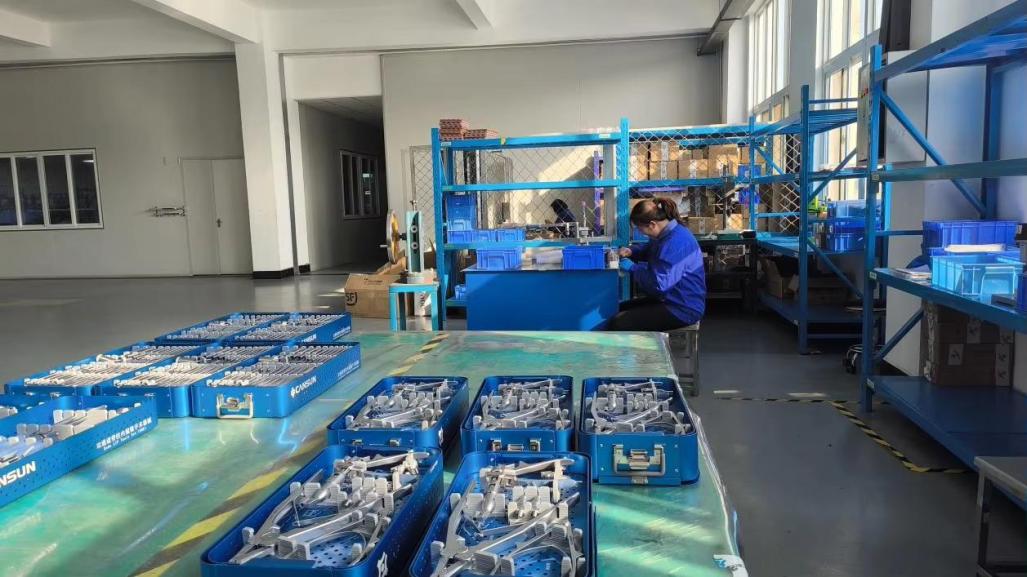
Integrated implant systems designed for specific skeletal trauma, spinal corrections, and soft tissue reconstructions.
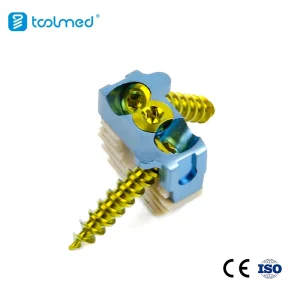
Including low-profile pedicle screw systems, posterior rod configurations, and biological cages (such as PEEK fusion cages). These configurations secure segment stability, reduce adjacent-level stress, and support load sharing to assist interbody fusion.
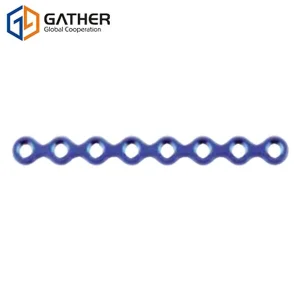
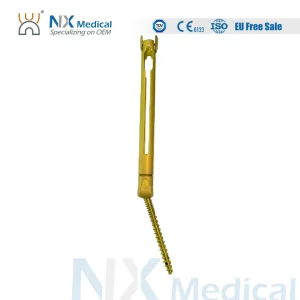
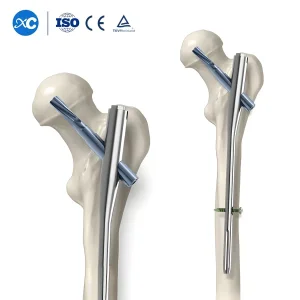
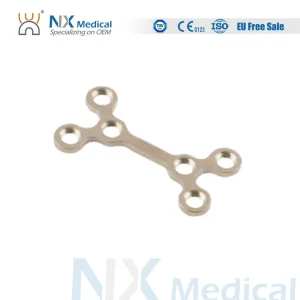
Comprising intramedullary nails, anatomically pre-contoured plates, and variable-angle locking structures. Designed to match complex fracture geometry, stabilizing bones during natural healing cycles.
Focusing on shoulder and knee procedures. Offering suture anchors, bio-absorbable fixation screws, and matching instrumentation to support structural repair and early patient mobility.
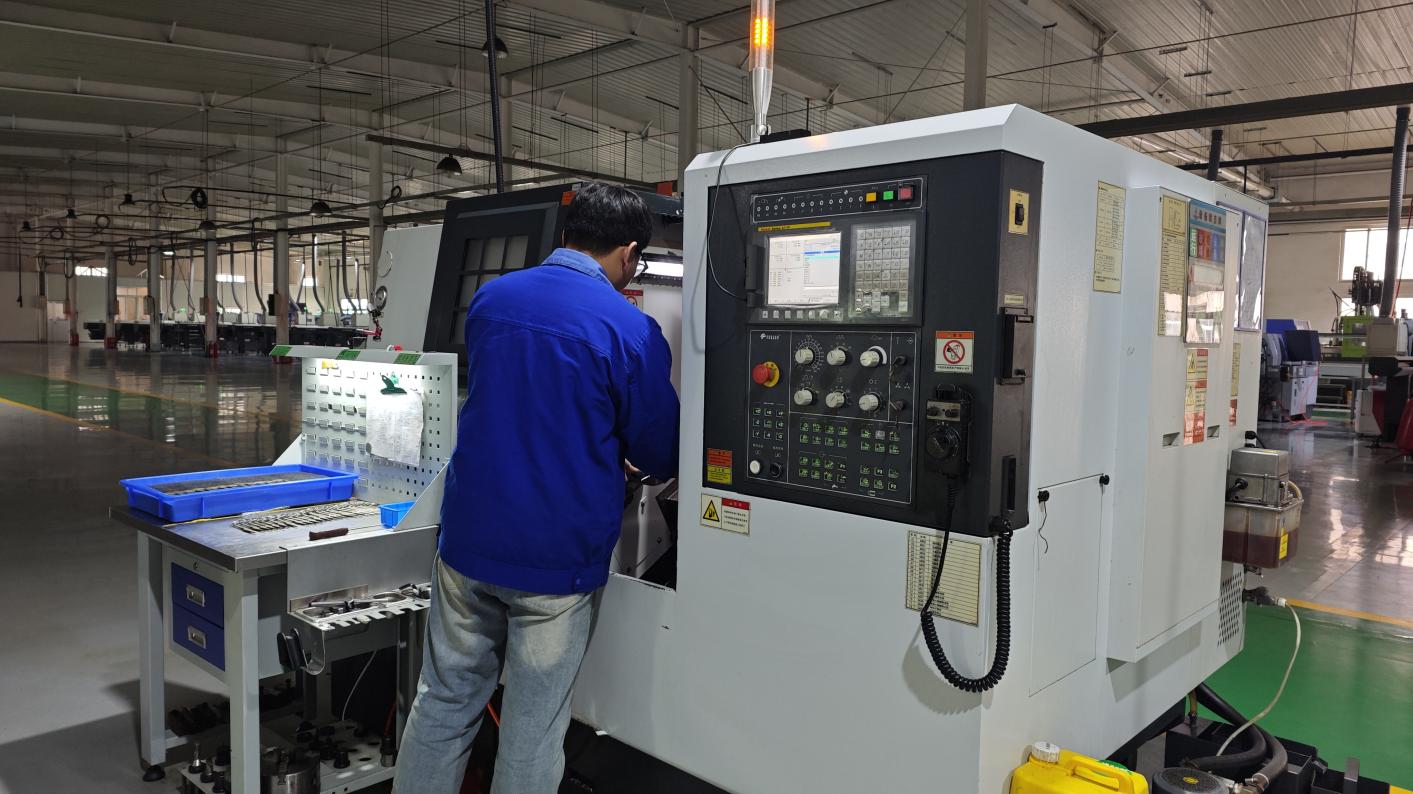
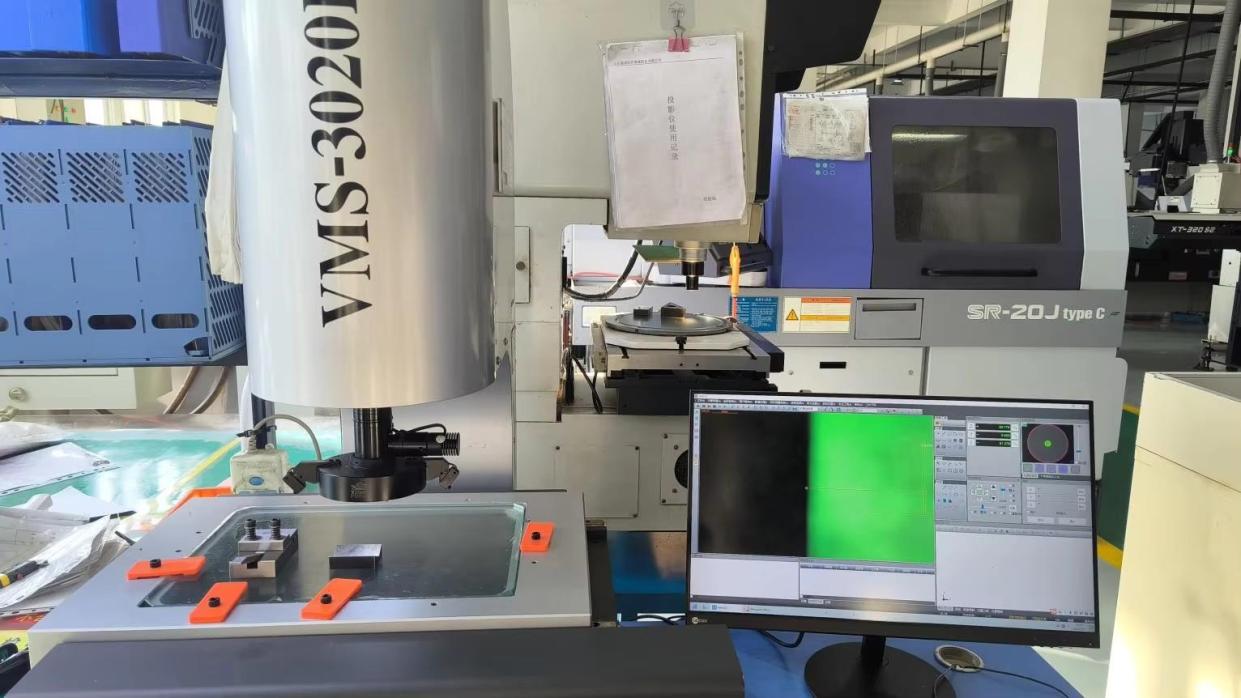
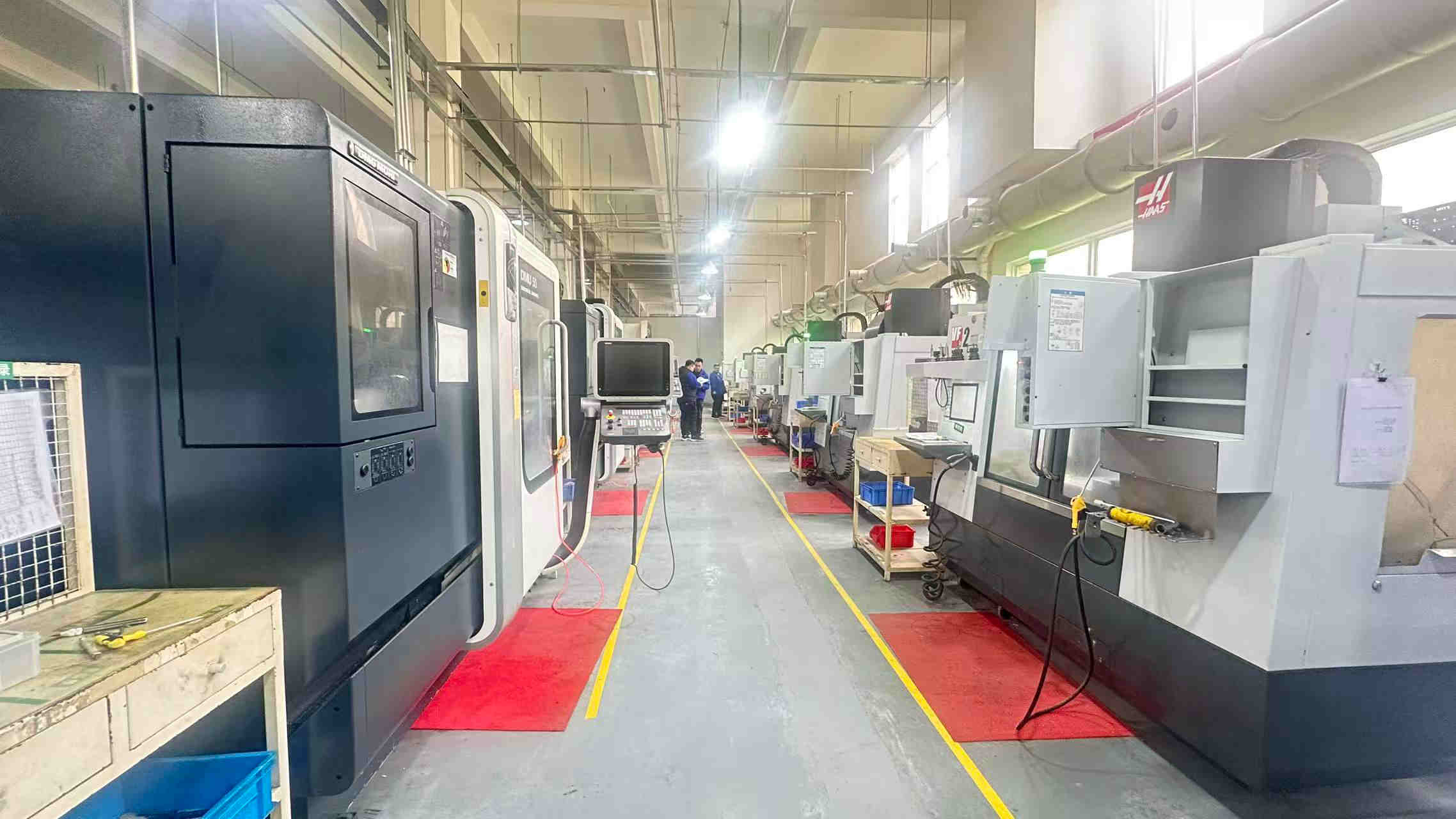
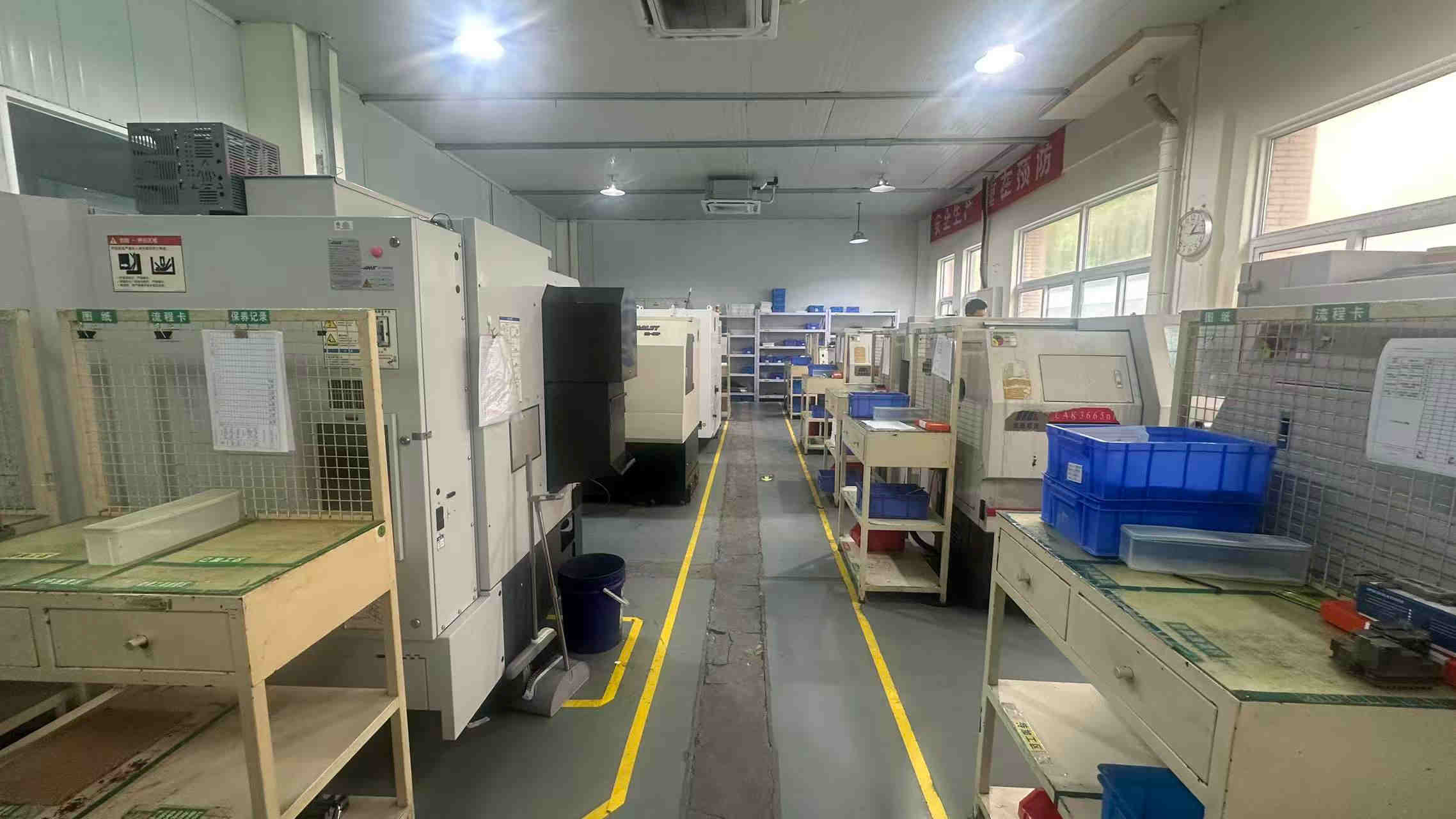
Our machining division uses automated CNC Swiss-type lathes to maintain component consistency. Operating to sub-micron tolerances, our production processes provide the dimensional accuracy needed for mating implant parts, such as locking caps and variable-angle plate threads.
Continuous inspection loops track tool wear during operations. Our process controls help keep scrap rates minimal and yield consistent manufacturing quality across production runs.
Adopting biocompatible materials and advanced surface technologies to improve patient outcomes.
Processing extra-low interstitial titanium alloys (Ti-6Al-4V ELI) that meet ASTM F136 specifications. This medical alloy provides high strength-to-weight ratios, reliable fatigue limits, and bio-corrosion resistance in physiological environments.
Machining Polyetheretherketone (PEEK) implants for radiolucent spinal interbody cages. This material has an elastic modulus close to cortical bone, which helps reduce stress-shielding risks and allows clearer bone fusion visibility in postoperative imaging.
Evaluating surface treatments, including anodic oxidation and bio-active coatings, to support osteoblast proliferation. These surface preparations encourage faster osseointegration and reduce early implant micro-motion.
Addressing regulatory approvals, material compliance, customized development services, and international delivery logistics.
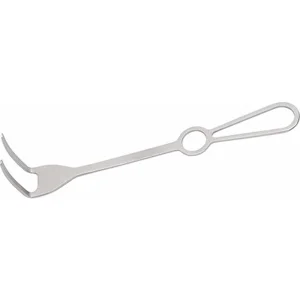
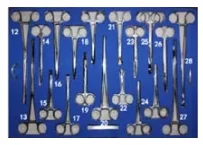
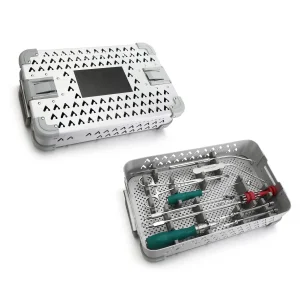
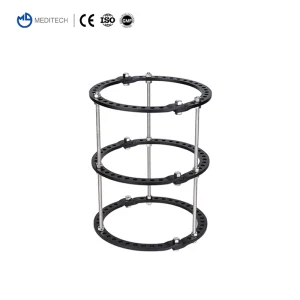
Anatomically contoured implants, instrumentation sets, and specialty external fixators for orthopedic surgeons.
Navigating cross-border medical distribution networks requires compliance with international regulatory frameworks.
We compile and manage technical documentation to match EU MDR (2017/745) requirements and US FDA 510(k) approval pathways. This regulatory support helps ease market clearance barriers for our international distribution partners.
Our production facilities maintain controlled air systems to limit particulate contamination. Biocompatibility checks, including cytotoxicity, irritation, and systemic toxicity tests, verify raw materials are suitable for long-term implantation.
Each production run receives a unique lot identifier linked to raw material records, manufacturing parameters, and operator logs. This structural tracking system ensures rapid recall verification and clear post-market surveillance records.
 Medev Medical