Explore our premium surgical-grade implants, external fixators, and orthopedic rehabilitation systems manufactured under strict cleanroom conditions.
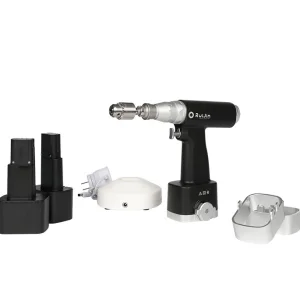
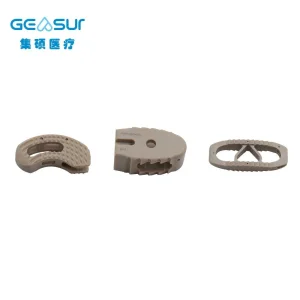
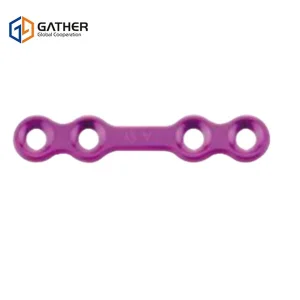
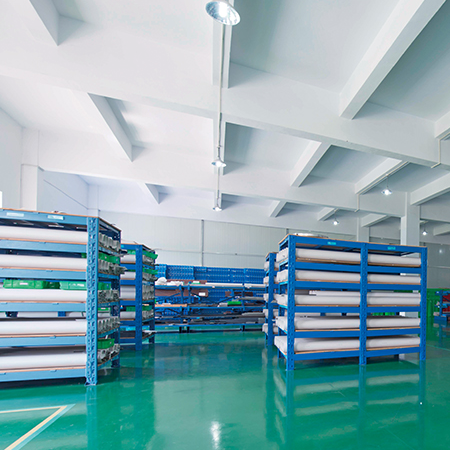
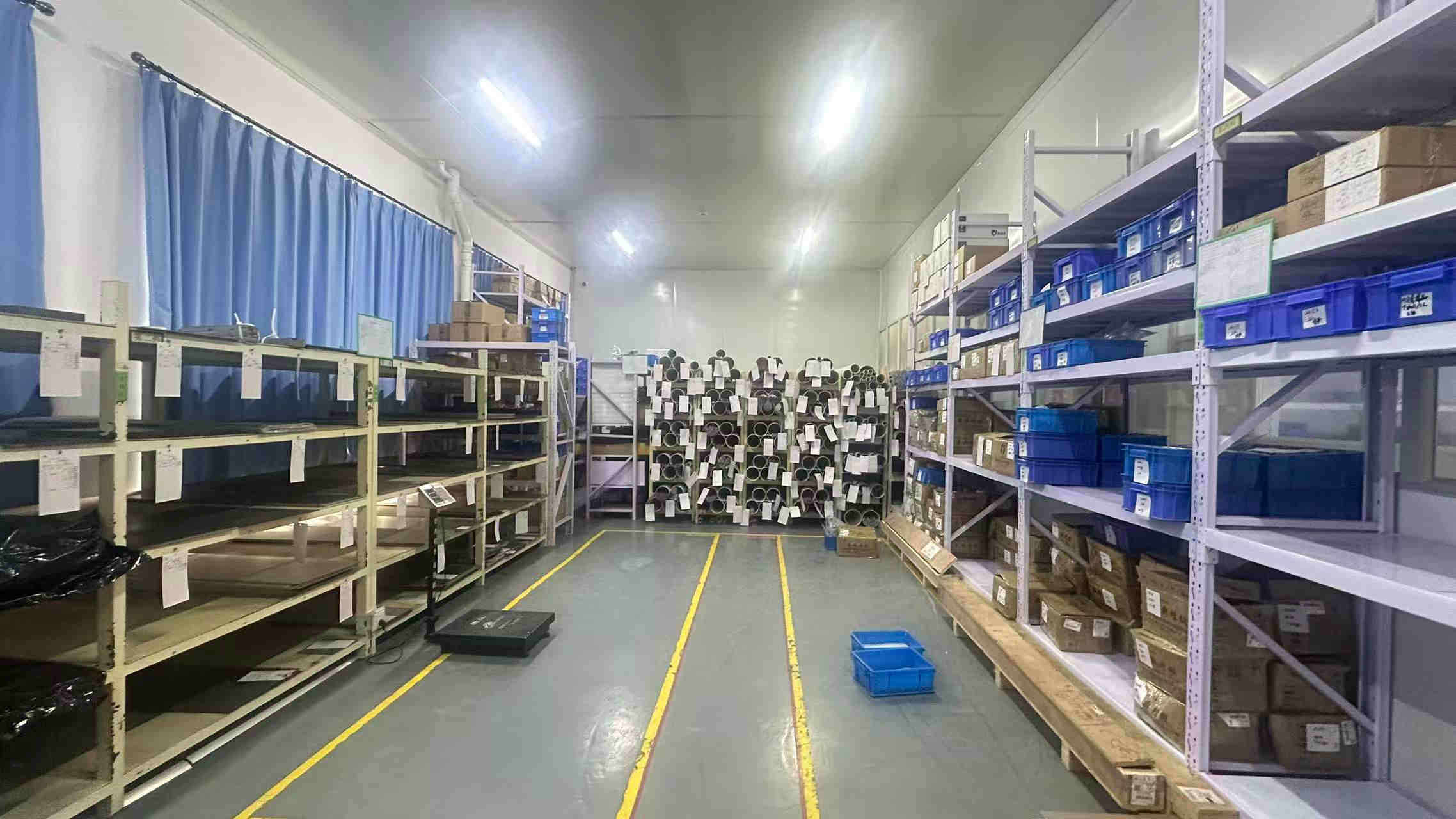
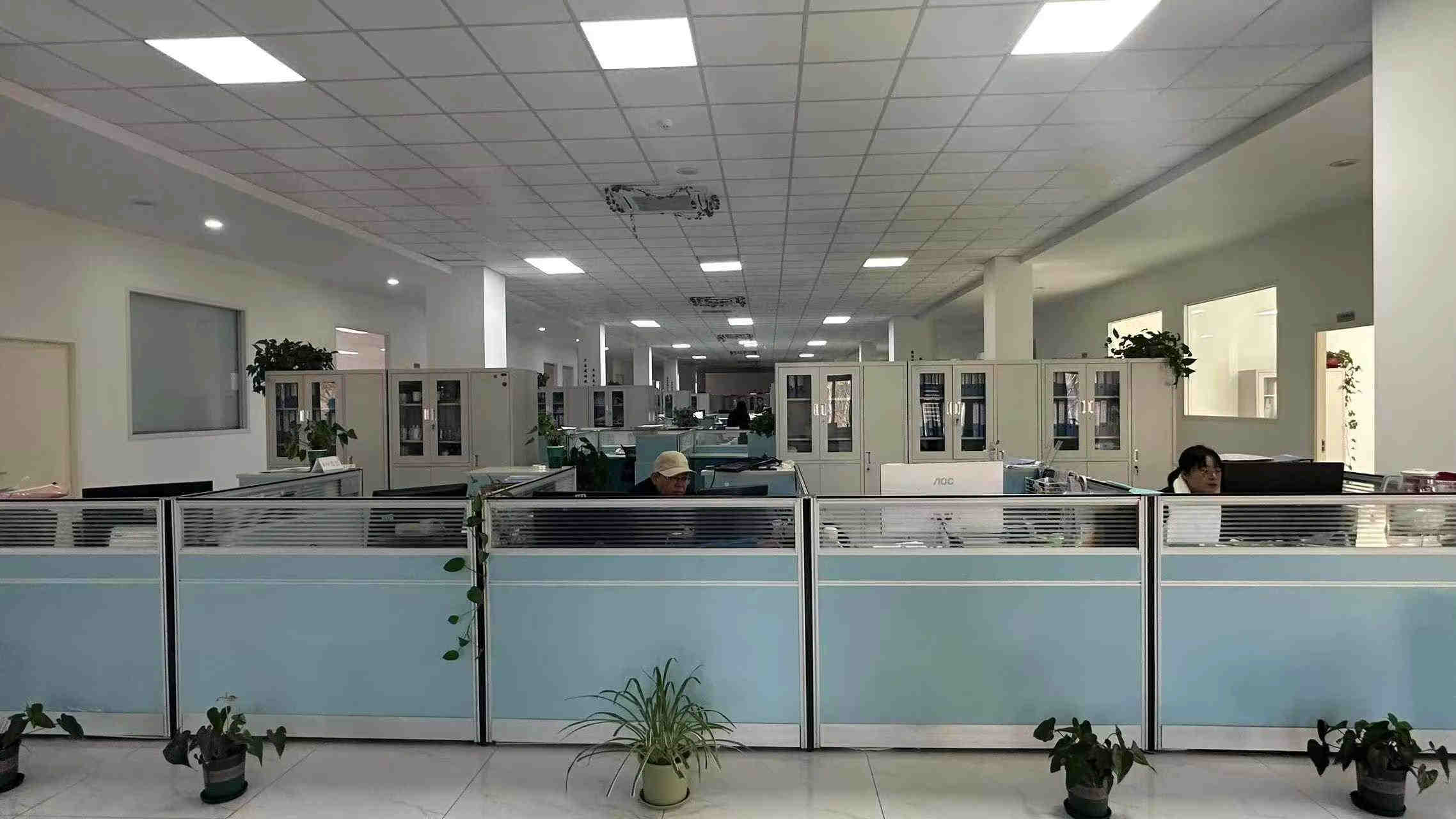
Founded in 2001, Chengdu Medev Medical Instruments Co., Ltd. covers an extensive area of 18,000 ㎡, including a modern floor area of over 15,000 ㎡. With a registered capital reaching 20 million Yuan, the company has firmly established itself as a premier enterprise specialized in product research, design, precision machining, and industrial manufacturing of orthopedic implant instruments and advanced bracing systems.
As an industry leader in orthopedic implants and instrument manufacturing, we have successfully supplied high-precision solutions to more than 1,000 clients across 120+ countries for over 20 years, driven by extensive domain know-how, technical expertise, and stringent quality assurance.
"We adhere to the 'people-oriented, integrity first, continuous innovation, the pursuit of excellence' concept of guarding human health!"
An in-depth evaluation of global demographic shifts, surgical volume trends, and technological demand across international medical markets.
The global orthopedic braces, support systems, and trauma implant market is projected to reach $58.4 Billion by 2030, expanding at a CAGR of 6.3%. Growth is accelerated by rising trauma incidents, sports-related musculoskeletal injuries, and rapid adoption of post-operative stabilization therapy globally.
By 2050, over 1.6 billion people worldwide will be aged 65 or older. This demographic transformation directly increases osteoporotic fracture rates, degenerative joint diseases, and total arthroplasty procedures, driving sustained demand for rigid bracing and locking plate implants.
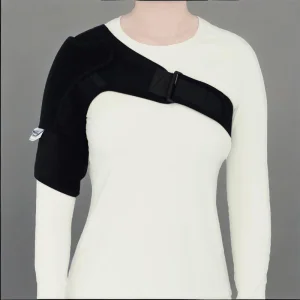
Increased global participation in professional and amateur athletics has surged demand for ligament reconstruction screws, knee stabilization braces, ankle orthoses, and shoulder slings engineered with high-breathability ergonomic polymers.
Understanding why top global healthcare brands and hospital networks select Chinese OEMs for precision orthopedic implants and rigid bracing components.
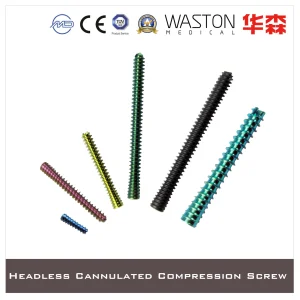
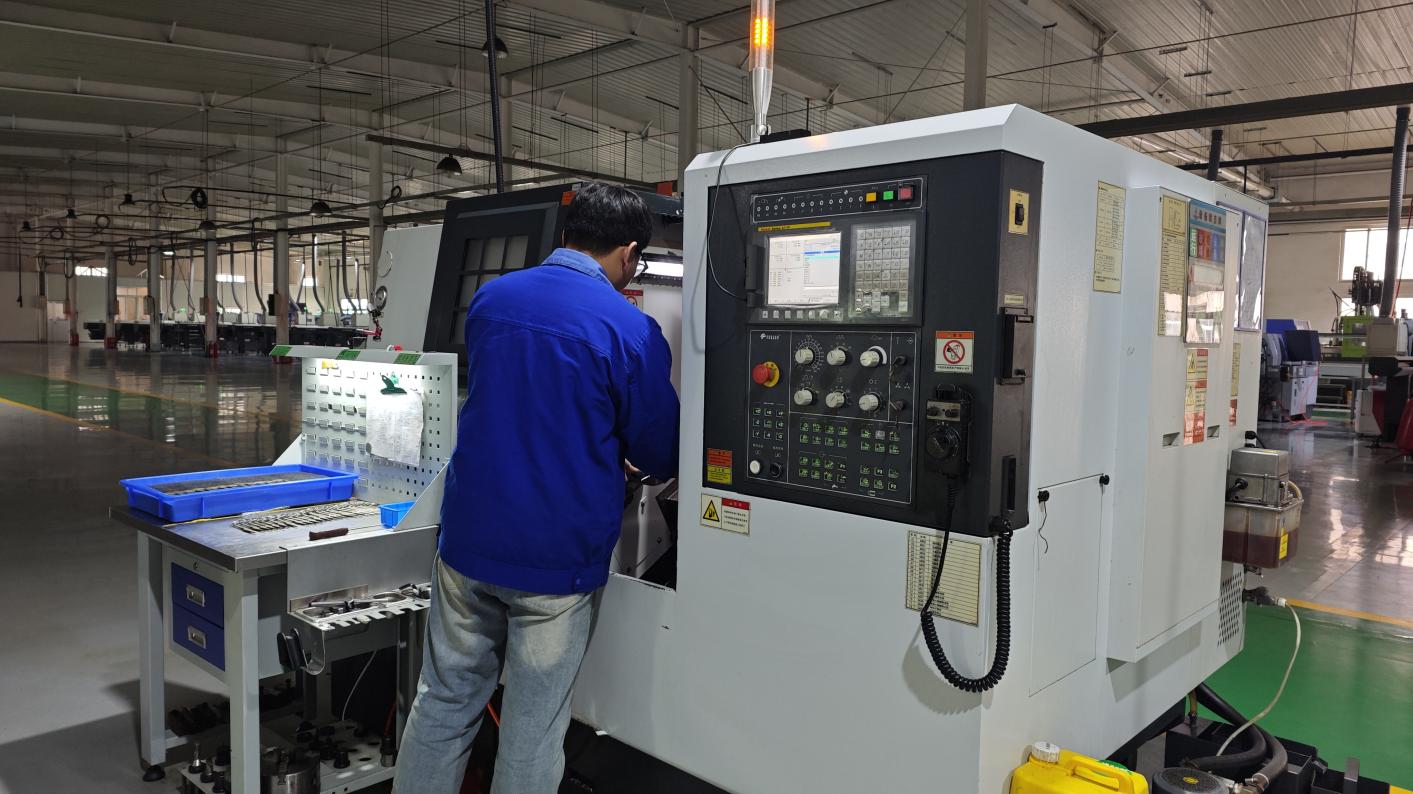
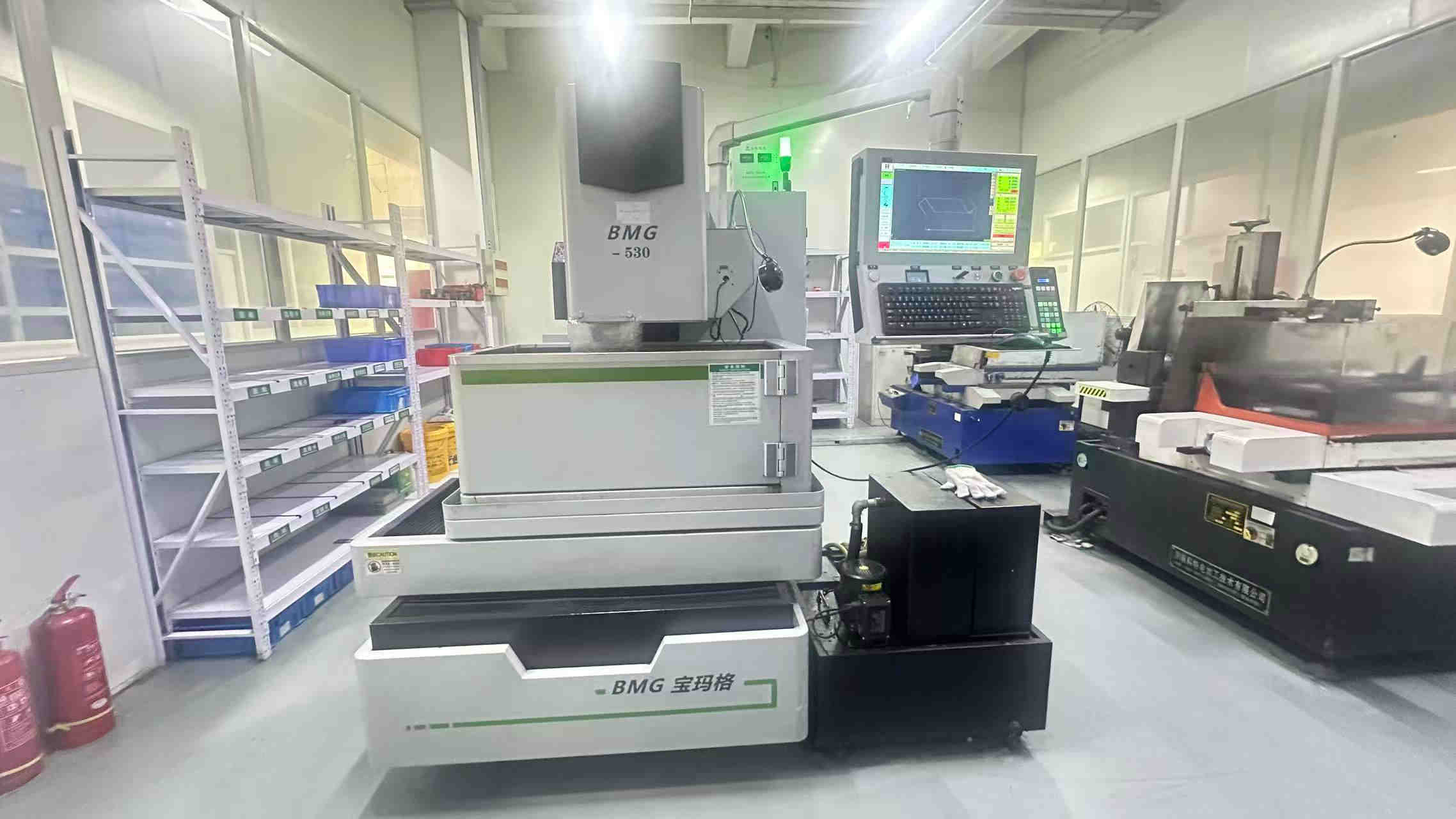
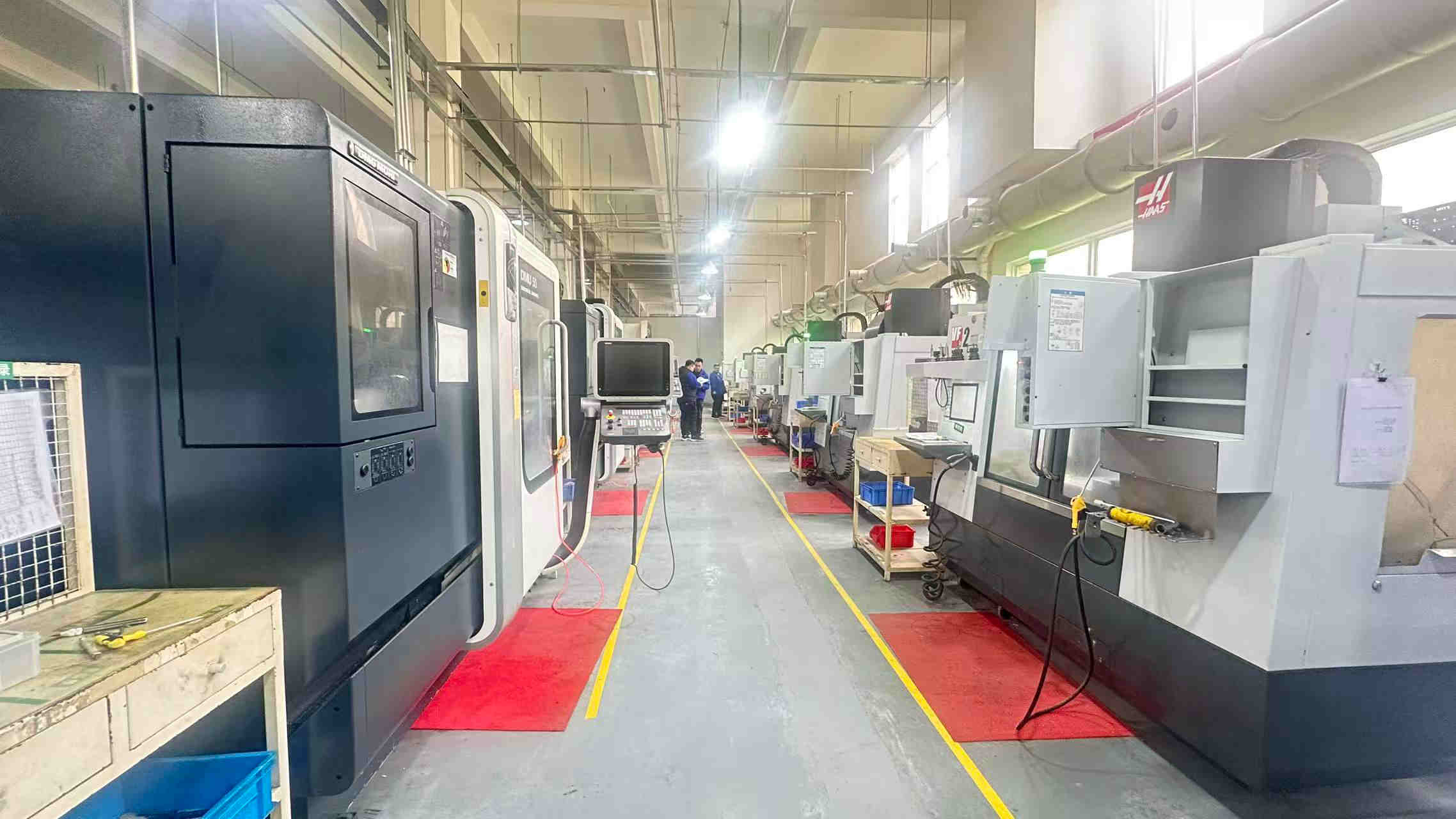
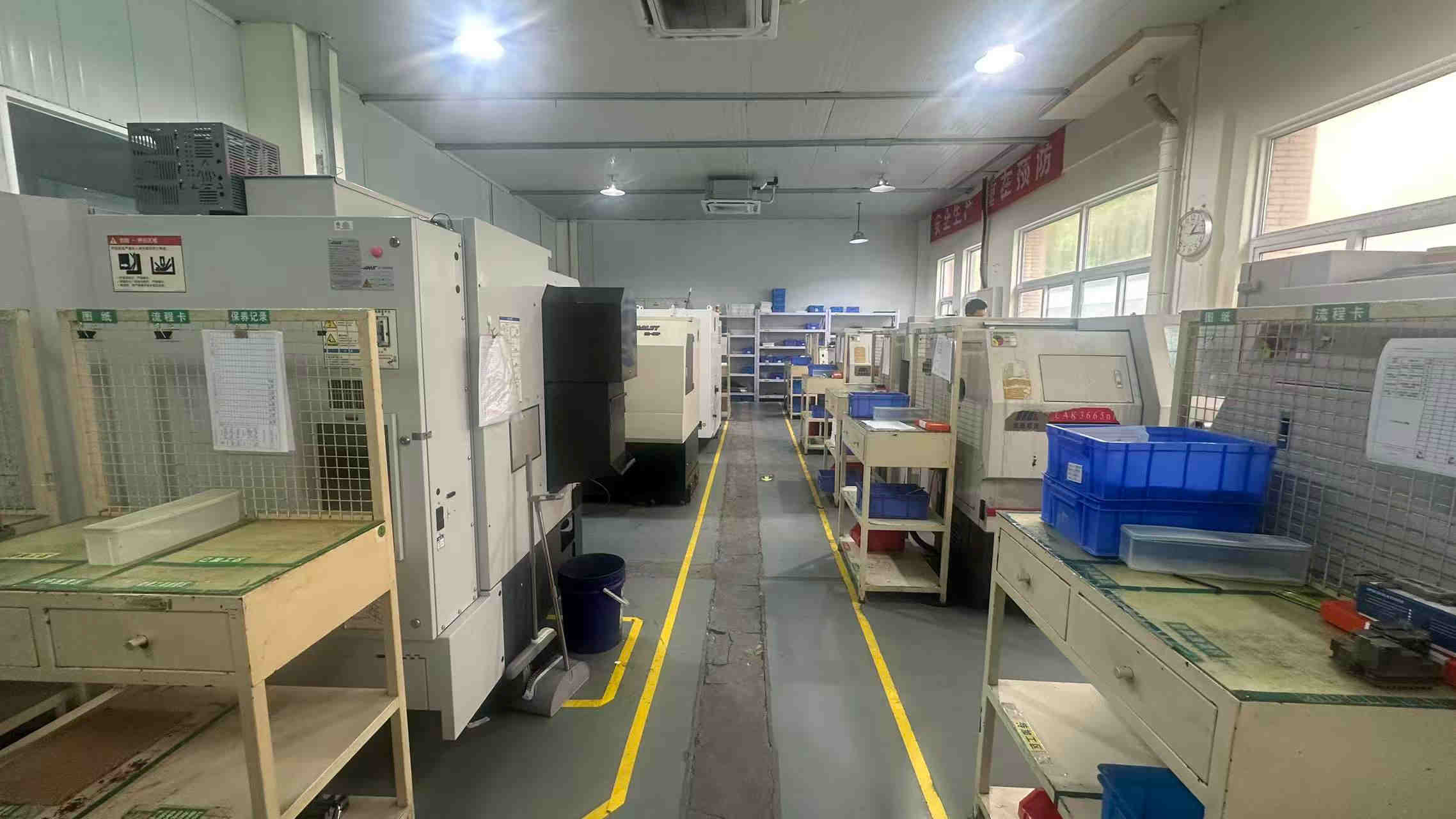
Chinese medical device centers utilize state-of-the-art 5-axis Swiss-type automatic CNC lathes and high-speed milling centers. This enables sub-micron precision (+/- 0.005mm tolerances) necessary for intricate locking plates, cannulated headless screws, and custom maxillofacial implants.
By clustering raw material refining (Grade 5 Titanium Ti-6Al-4V ELI, PEEK, 316L Stainless Steel), anodization coating, tooling, and cleanroom packaging within synchronized industrial zones, China delivers 30-50% cost efficiencies while elevating quality standards.
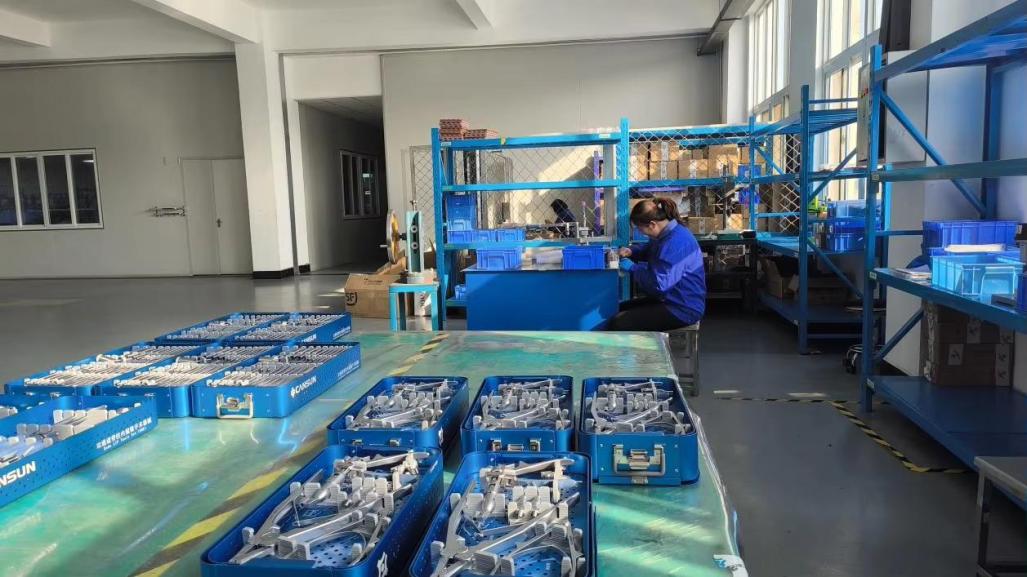
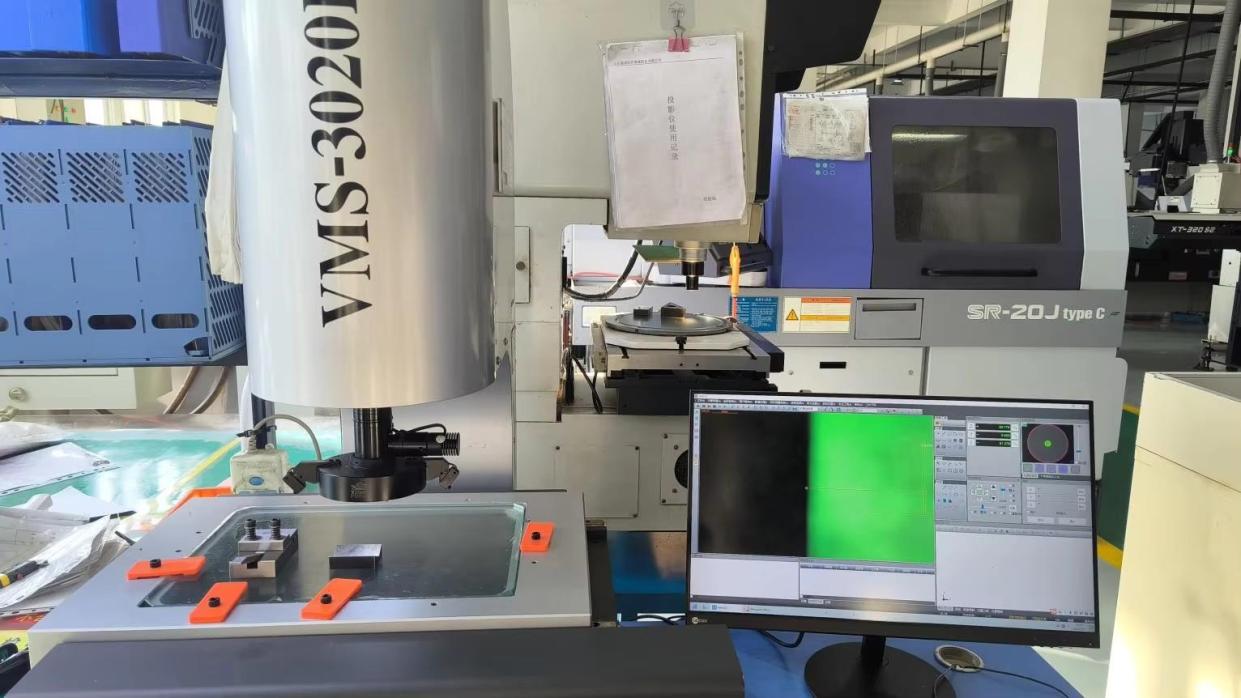
Every orthopedic brace, intramedullary nail, and surgical fixator undergoes rigid multi-stage testing to guarantee zero failure rates in surgical settings.
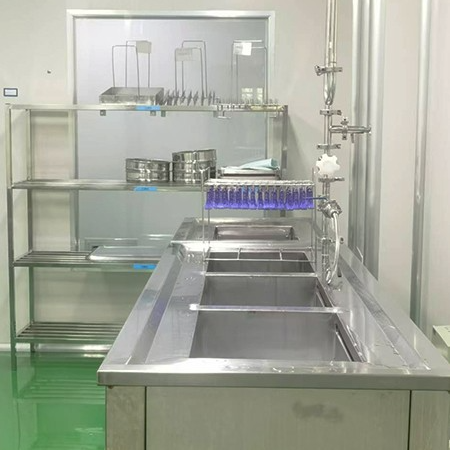
Cleaned implants have a cleaner surface, helping to reduce the risk of post-operative infection. Ensures that the implant is safer to apply to the patient during surgery.
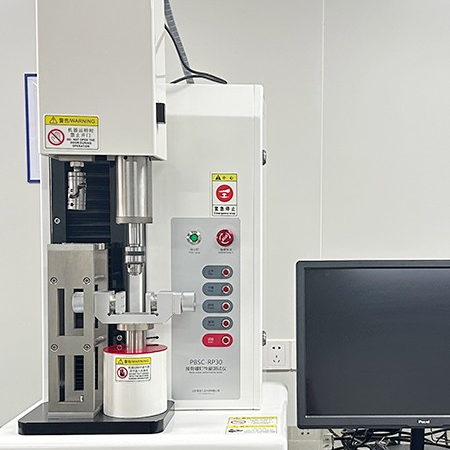
Tests the tensile strength, yield strength and elongation of materials. Simulates the tensile forces to which the implant is subjected in the body.
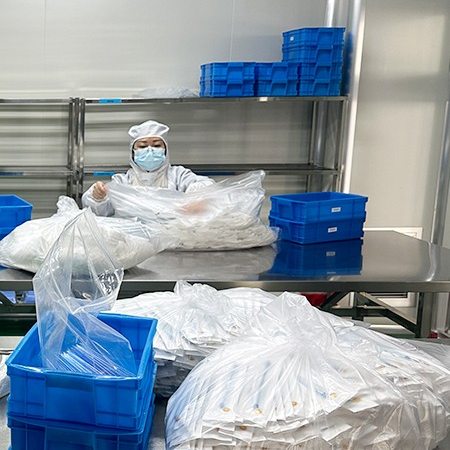
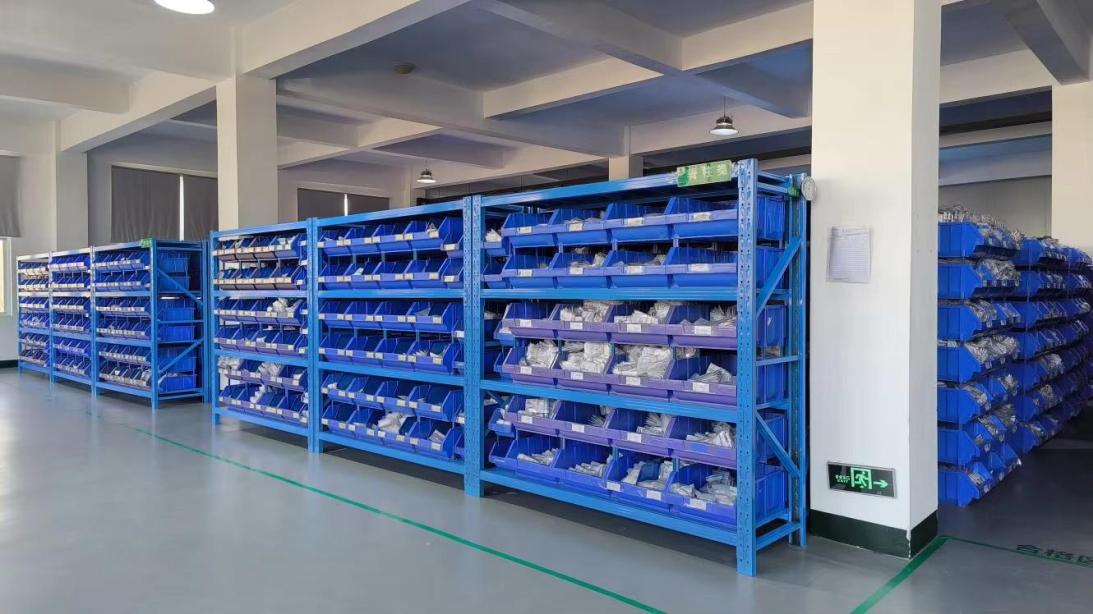
Packaging should ensure a good seal to prevent the entry of external contaminants. Use heat sealing, pressing or gluing to ensure the integrity of the package.
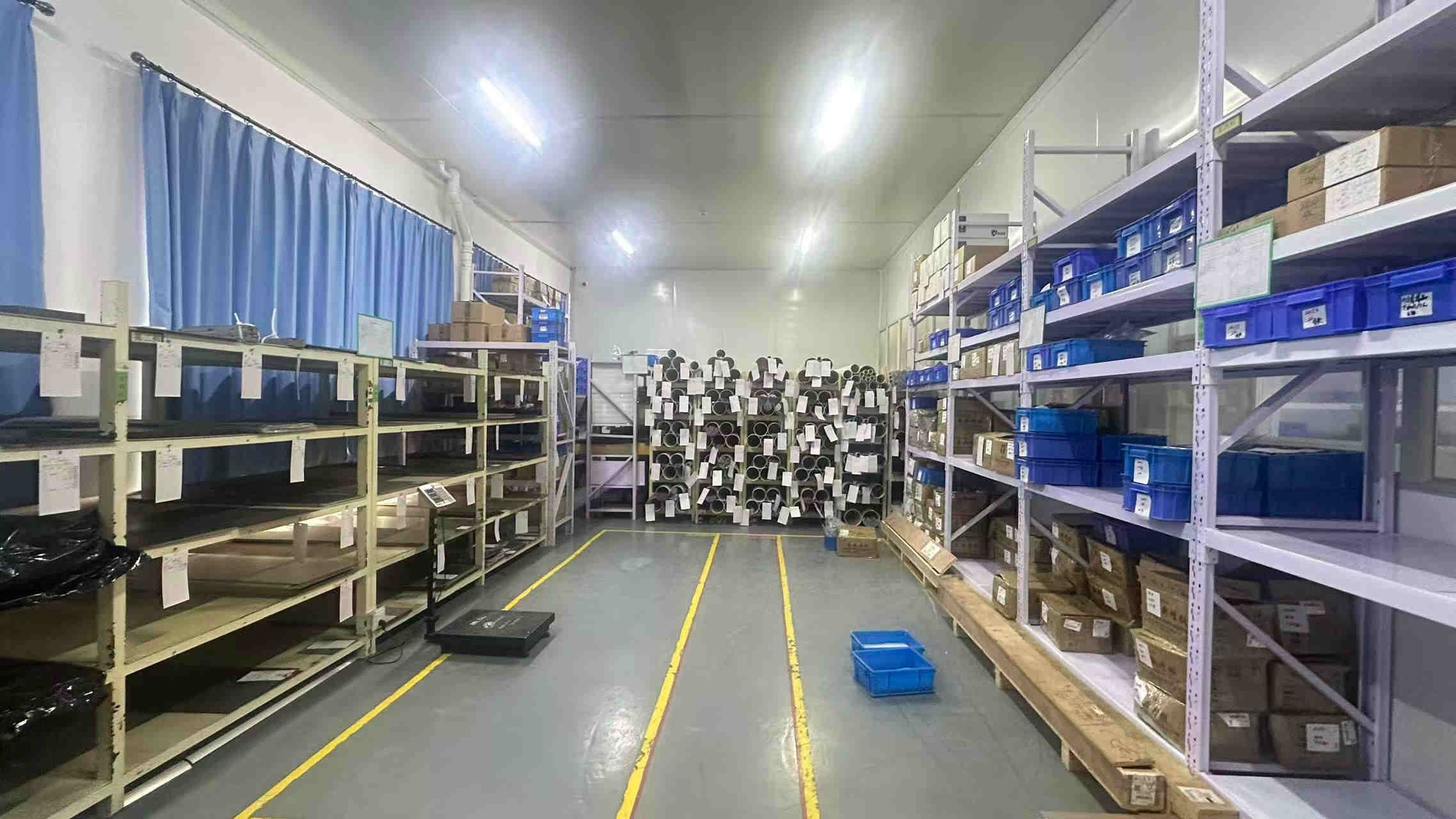
Addressing distinct clinical challenges across emergency trauma centers, joint replacement units, and outpatient rehabilitation clinics.
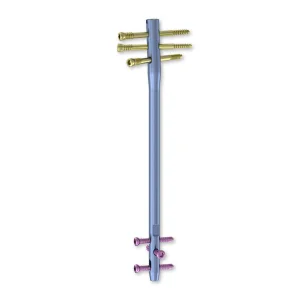
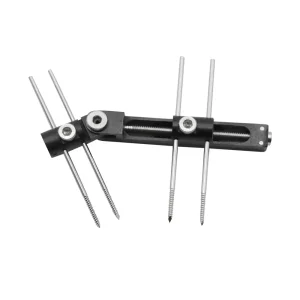
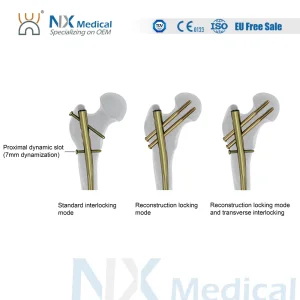
In acute diaphyseal and intra-articular fractures, rigid interlocking intramedullary nails and external fixators (e.g., Mini Fragment and Ilizarov C-Rings) stabilize severe bone displacement, preventing soft-tissue shear forces prior to definitive reduction.
For ACL/PCL primary repair, cannulated PEEK interference screws and high-tensile suture anchors enable early kinetic weight-bearing while preserving tissue integrity during rotational knee stress.
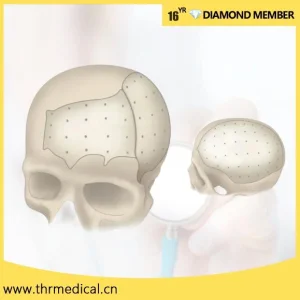
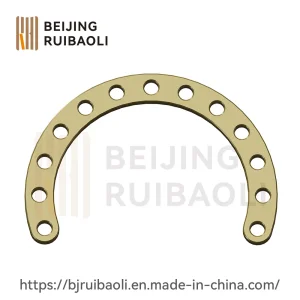
Anatomically contoured micro straightbridge plates and custom PEEK patient-specific implants restore orbital floor and mid-face structural symmetry following high-impact facial injuries.
PLIF Interbody Fusion PEEK Cages backed by titanium coating provide structural space maintenance and enhanced radiolucency for bone graft evaluation in lumbar spondylolisthesis treatments.
Key criteria evaluated by international hospital buyers, medical device distributors, and government healthcare tenders during vendor selection.
Procurement teams demand complete technical dossiers, including biocompatibility reports (ISO 10993), sterilization validation (ISO 11137 / ISO 11135), and European CE mark documentation to ensure seamless regulatory clearance in target markets.
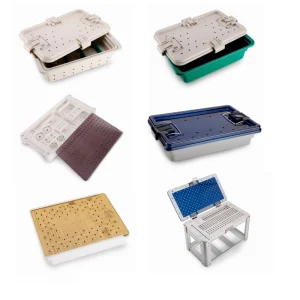
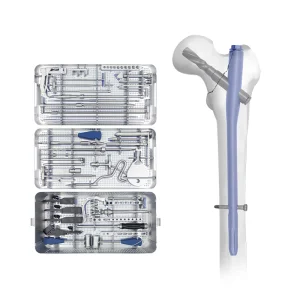
Orthopedic implants cannot be placed without dedicated, ergonomics-matched surgical instrument sets. Enterprise buyers look for suppliers supplying complete systems housed in autoclavable PPSU aluminum alloy container boxes.
Next-generation innovations revolutionizing joint fixation, smart orthotics, and patient-specific surgical outcomes.
Transitioning from standard off-the-shelf plates to electron beam melting (EBM) 3D-printed titanium structures customized directly from patient CT scan DICOM data.
Application of Plasma-Sprayed Hydroxyapatite (HA) and Titanium Plasma Coatings onto PEEK cages to accelerate osseointegration and bone-to-implant contact ratios.
Integration of micro-MEMS sensors into post-operative knee braces to monitor Range of Motion (ROM), gait kinetics, and patient compliance via real-time mobile app diagnostics.
Explore additional specialized trauma plates, custom maxillofacial systems, and external fixation solutions.

Addressing key technical, regulatory, and logistics queries for international distributors and hospital procurement buyers.
 Medev Medical