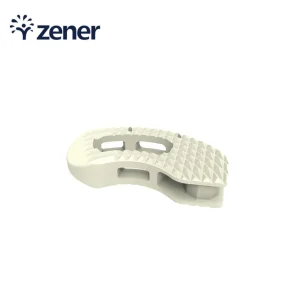
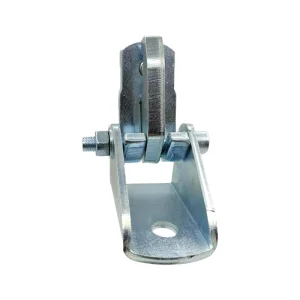
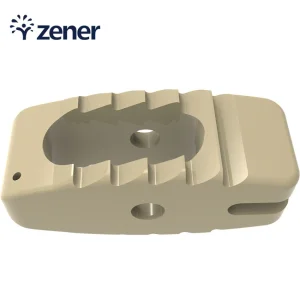
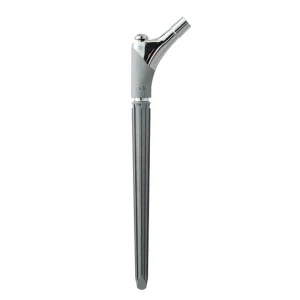
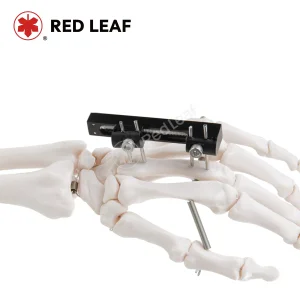
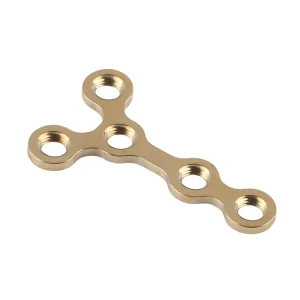
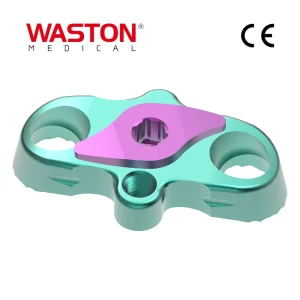
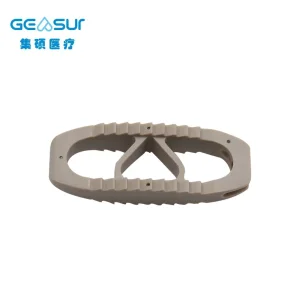
Explore our engineered titanium, PEEK, and specialized industrial plating catalog certified to ISO 13485 and CE standards.
In modern spinal reconstruction, Anterior Cervical Plate (ACP) systems—commonly designated in global procurement hubs as "Neck Plates"—represent the pinnacle of load-bearing bio-implants. As clinical demand for degenerative disc disease (DDD) interventions, trauma stabilization, and post-discectomy fusion expands, global healthcare providers require medical hardware suppliers capable of marrying advanced metallurgical engineering with scalable manufacturing agility. Finding a reliable China neck plates supplier involves scrutinizing material grade integrity, high-precision Swiss-type CNC machining capabilities, strict surface treatment protocols, and international regulatory compliance (ISO 13485, CE MDR, and FDA 510k frameworks).
China has established itself as the center for advanced orthopedic implant manufacturing. Modern Chinese production hubs integrate automated 5-axis CNC machining, micro-plasma oxidation surface modification, and Class 10,000 ISO cleanroom processing. Choosing a top-tier Chinese manufacturer allows medical device brands, OEMs, and hospital networks to streamline procurement costs without sacrificing surgical efficacy or mechanical reliability.
Engineered to deliver rigid or semi-rigid stabilization along the cervical spine (C2 to T1), reducing graft displacement and promoting interbody osseointegration.
Ultra-low profile geometry (typically 1.5mm to 2.2mm thickness) minimized to mitigate post-operative dysphagia and soft-tissue interference in anterior approaches.
Proprietary tactile zero-backout locking features prevent screw tactile loosening under dynamic flexural-rotational cervical biomechanical loads.
Utilizes medical-grade Titanium Alloy (Ti-6Al-4V ELI / ISO 5832-3) and implantable PEEK compounds to offer optimal elastic modulus matching human cortical bone.
The development of orthopedic neck plates has transitioned from simple, rigid immobilization structures to dynamic, load-sharing biomechanical constructs. Leading Chinese engineering facilities utilize advanced Finite Element Analysis (FEA) to model fatigue strength, torsional resilience, and micro-motion dynamics under physiologic stresses exceeding 5,000,000 fatigue cycles (ASTM F1717 standard testing protocol).
| Feature Parameter | Rigid Locking Neck Plate Systems | Dynamic / Semi-Rigid Neck Plate Systems | Next-Gen Porous Titanium/PEEK Hybrid |
|---|---|---|---|
| Primary Clinical Indication | Trauma, Single-level ACDF, Instability | Multi-level DDD, Osteoporotic Bone Fusion | Complex Reconstructive Revision & Tumors |
| Load Distribution Paradigm | Stress Shielding (High construct rigidity) | Load Sharing (Controlled axial settling) | Optimal Wolff's Law Strain Stimulation |
| Screw-Plate Kinematics | Fixed-angle anti-backout locking | Variable-angle dynamic translational slide | Polyaxial multi-planar micro-locking |
| Dysphagia Mitigation Profile | Standard profile (2.2mm - 2.5mm) | Low profile (1.8mm - 2.0mm) smooth edges | Ultra-thin smooth micro-contoured (<1.6mm) |
| Material Specification | Ti-6Al-4V Grade 5 Titanium | Ti-6Al-4V ELI (Extra Low Interstitial) | 3D Printed Porous Ti Lattice + PEEK core |
1. Surface Micro-Texture & Anodization: By treating titanium neck plates with Type II hard anodization and micro-plasma oxidation, manufacturers increase surface fatigue resistance while preventing cold welding (galling) between locking screws and plate threads during intraoperative adjustment.
2. Dynamic Load-Sharing Mechanisms: Modern neck plates integrate internal slots or spring-loaded dynamic retaining rings. This allows micro-axial movement that promotes bone graft compression under natural head posture, improving fusion rates according to Wolff's Law.
Chengdu Medev Medical Instruments Co., Ltd. was founded in 2001, covers an area of 18,000 ㎡, including a floor area of over 15,000 ㎡. Its registered capital reaches 20 million Yuan. which is specialized in product research, design and manufacturing of orthopedic implant instruments. As the leader in orthopedic implants and instruments manufacturing, We have been successfully supplying to 1000+ clients in 120+ countries for over 20 years thanks to extensive know-how and expertise. We adhere to the ‘people-oriented, integrity first, continuous innovation, the pursuit of excellence,’ the concept of guarding human health!
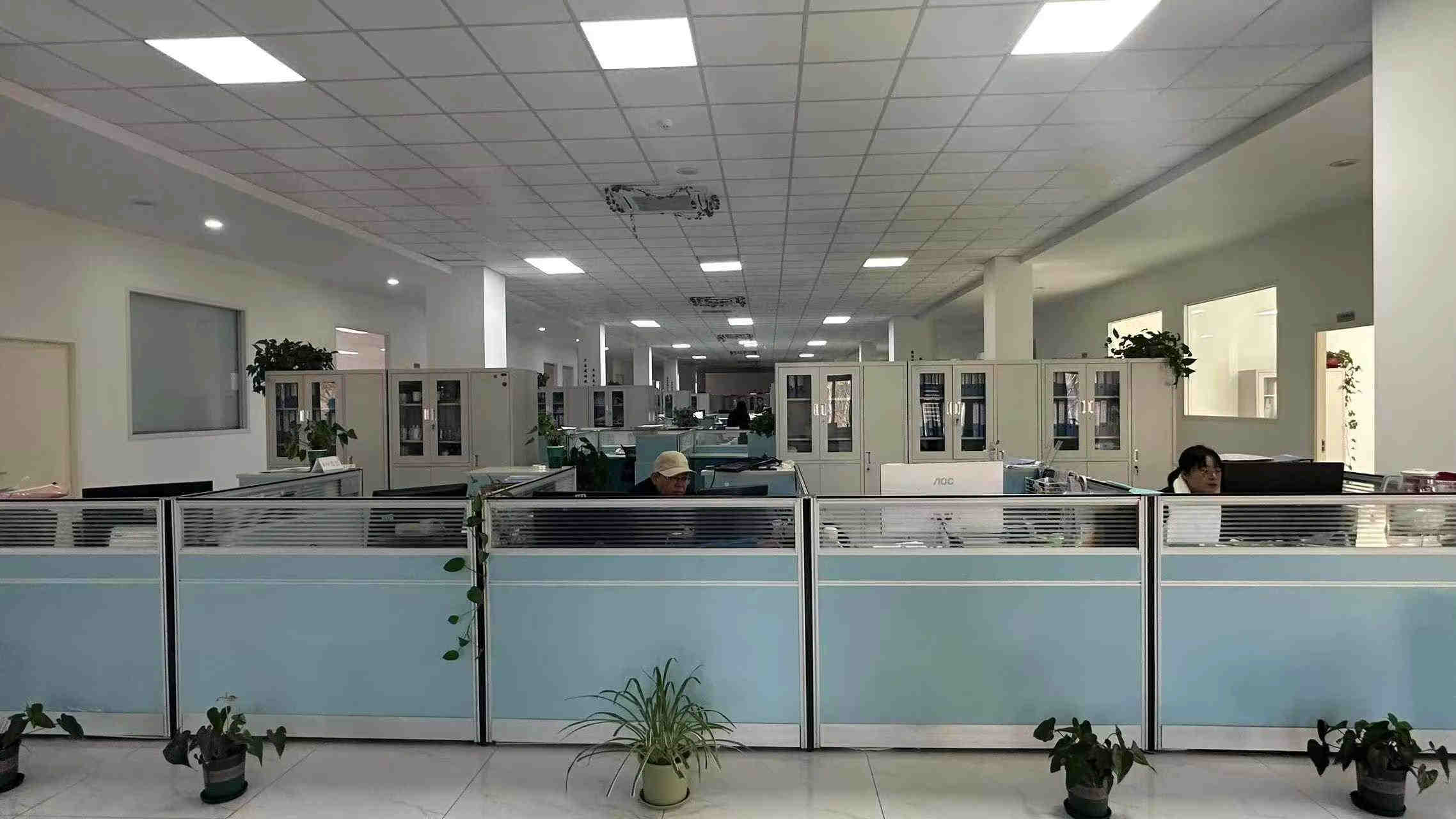
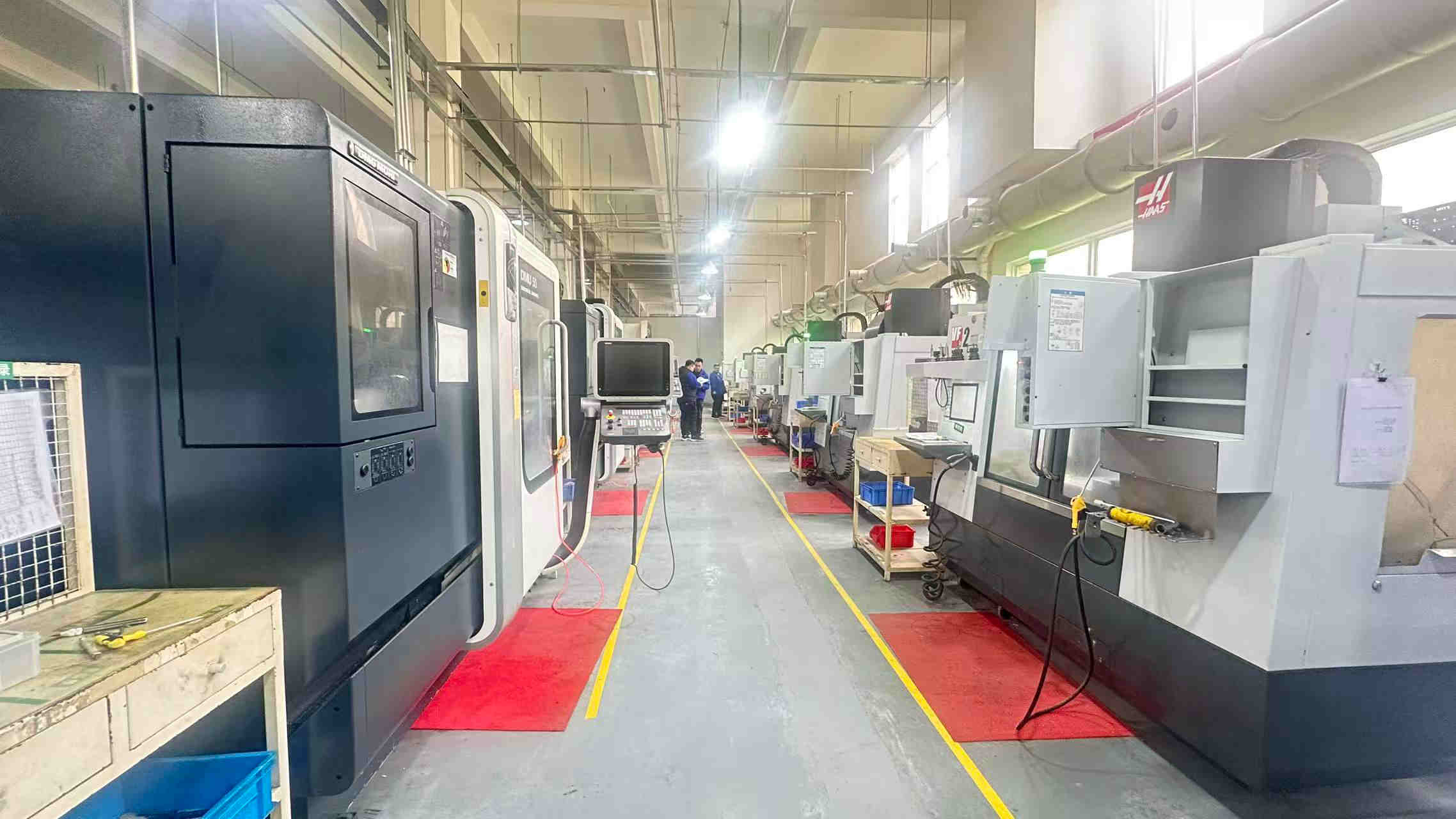
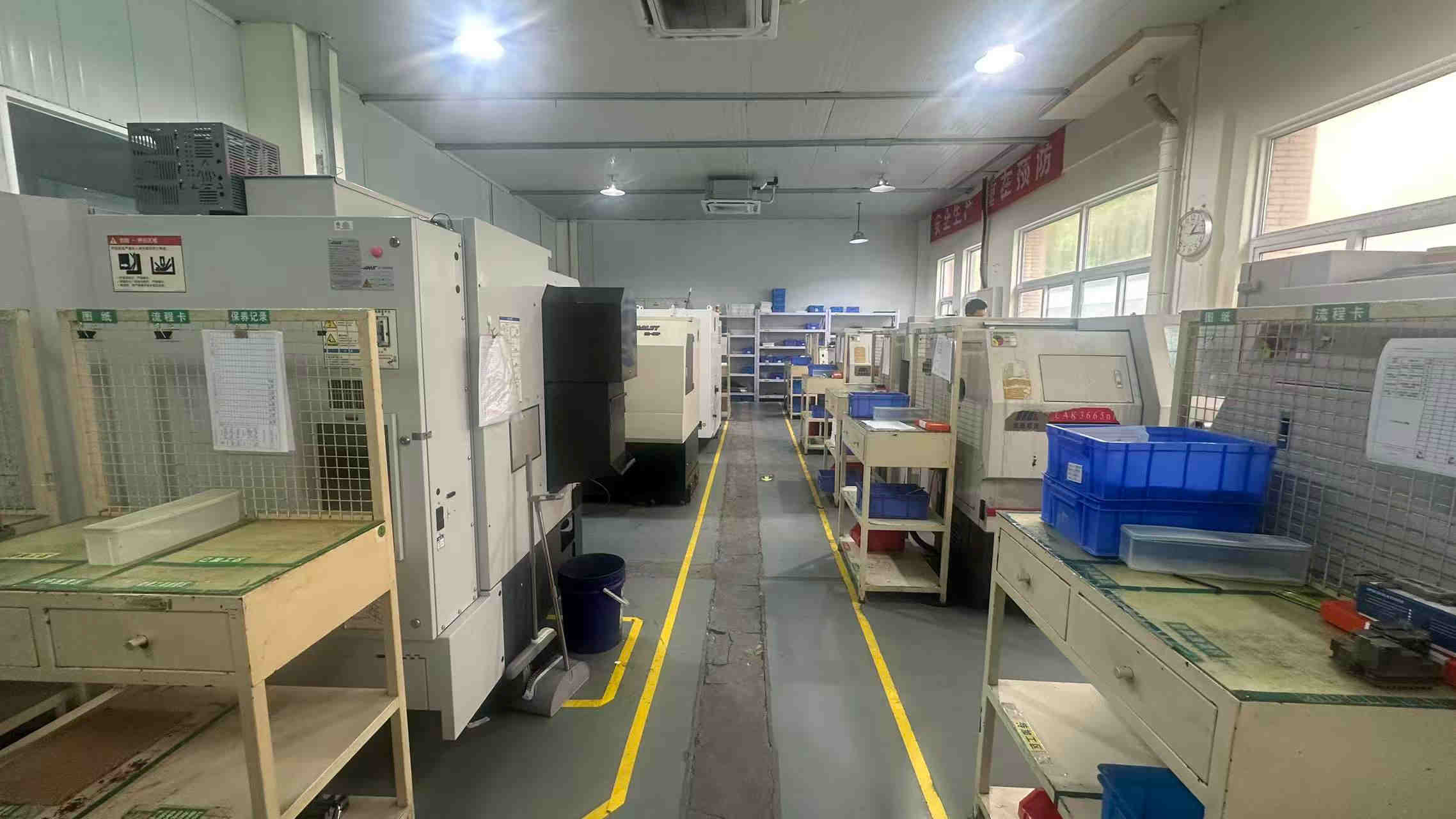
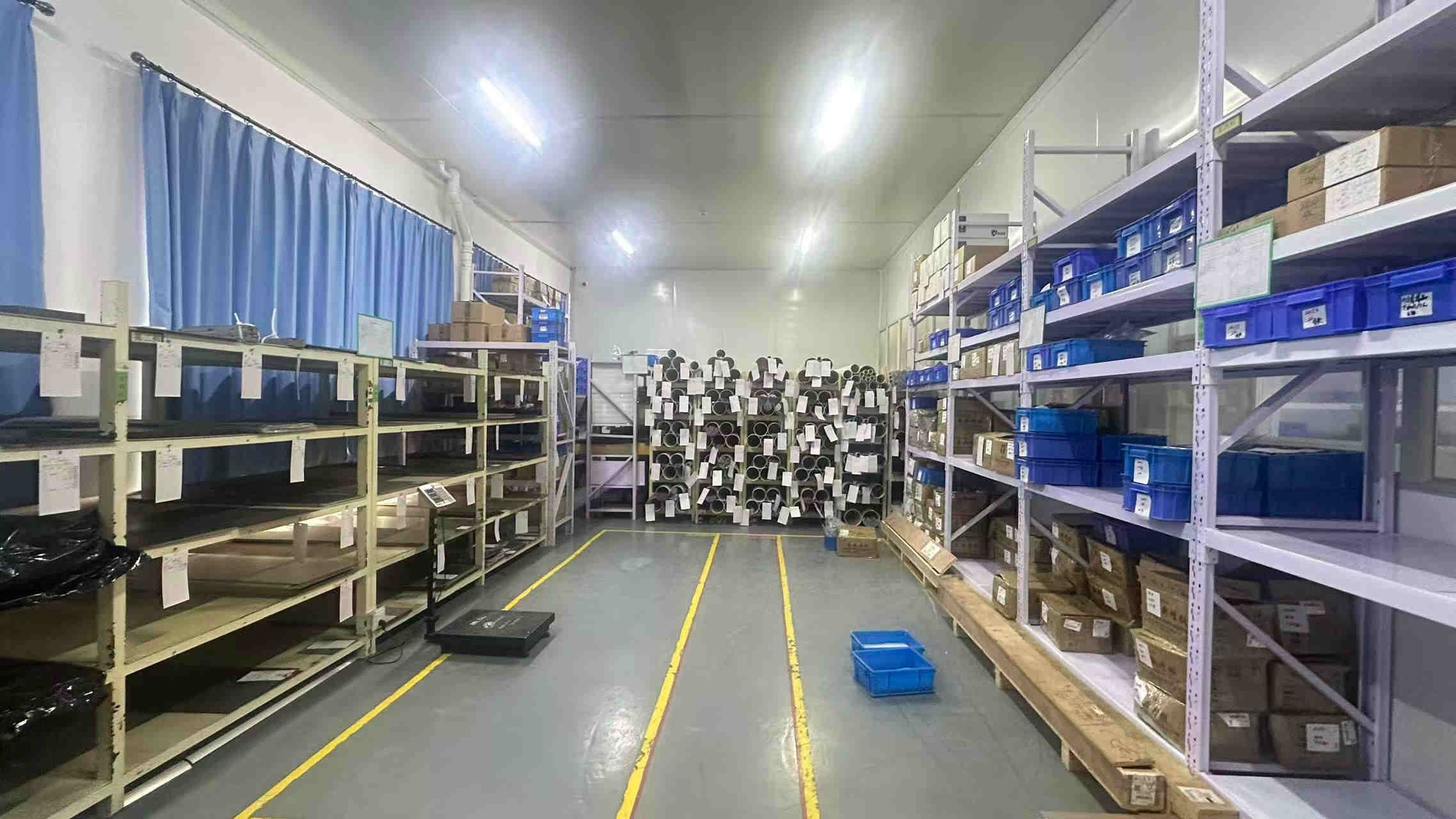
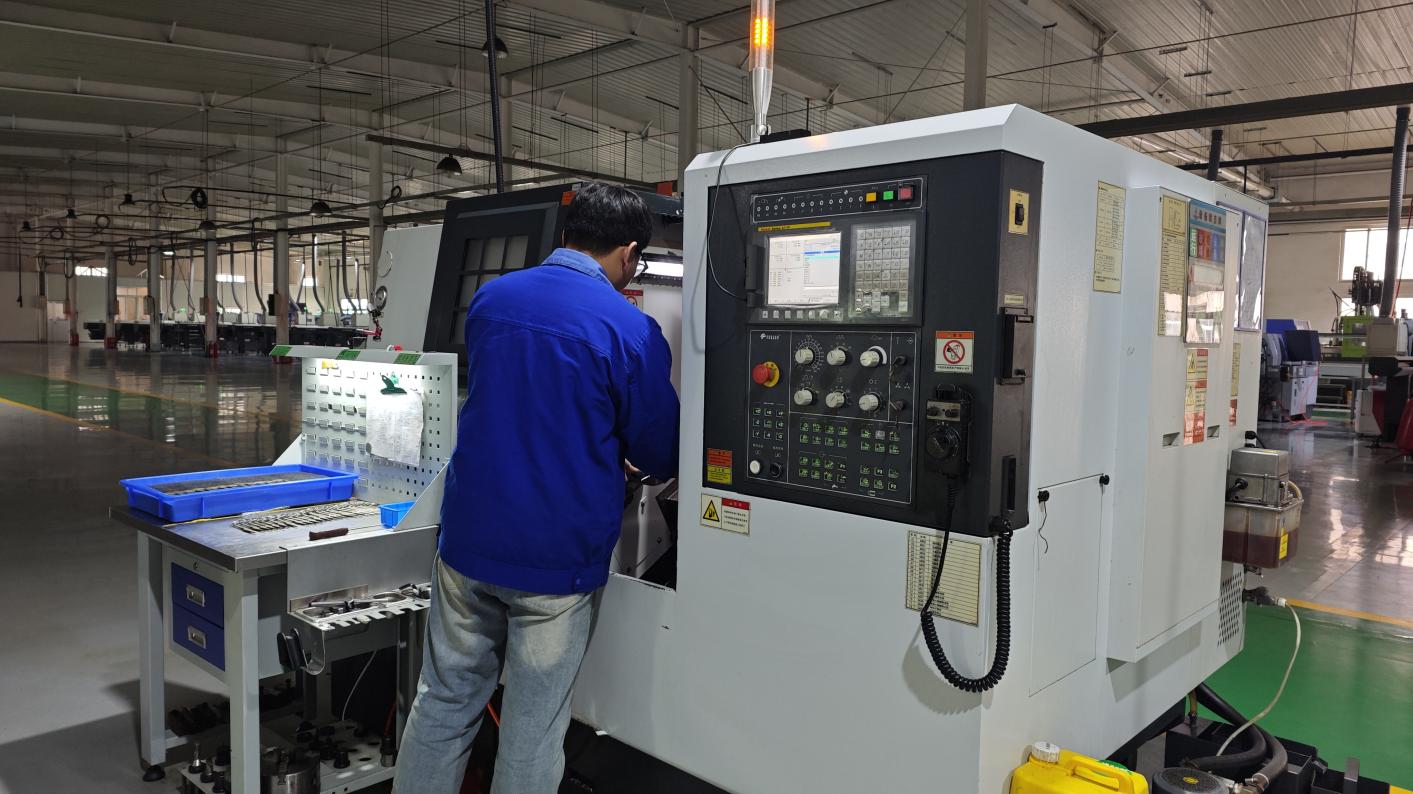
Our fully integrated manufacturing hub spans raw material verification to final sterile packaging, maintaining full traceability across every batch.
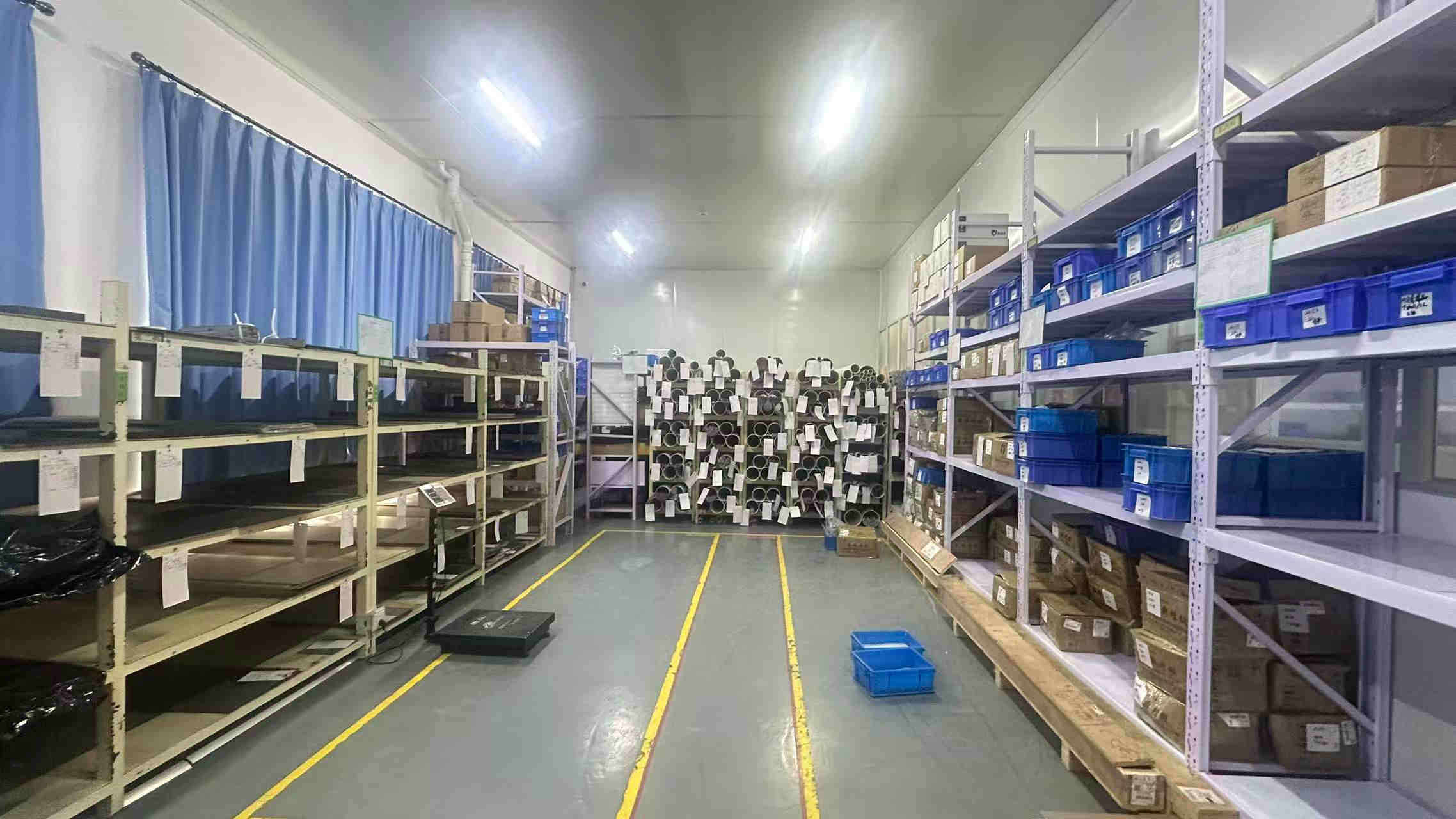
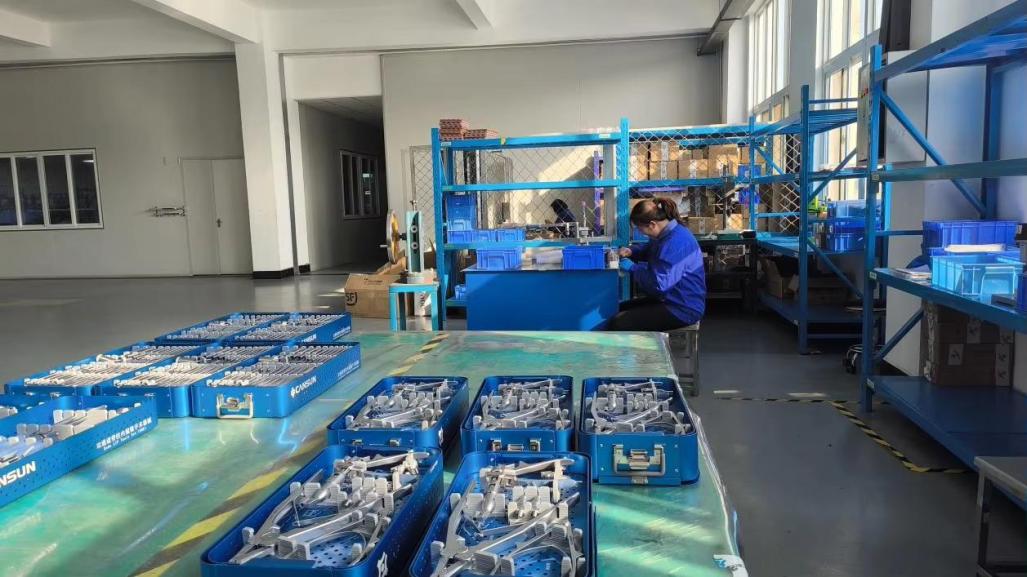
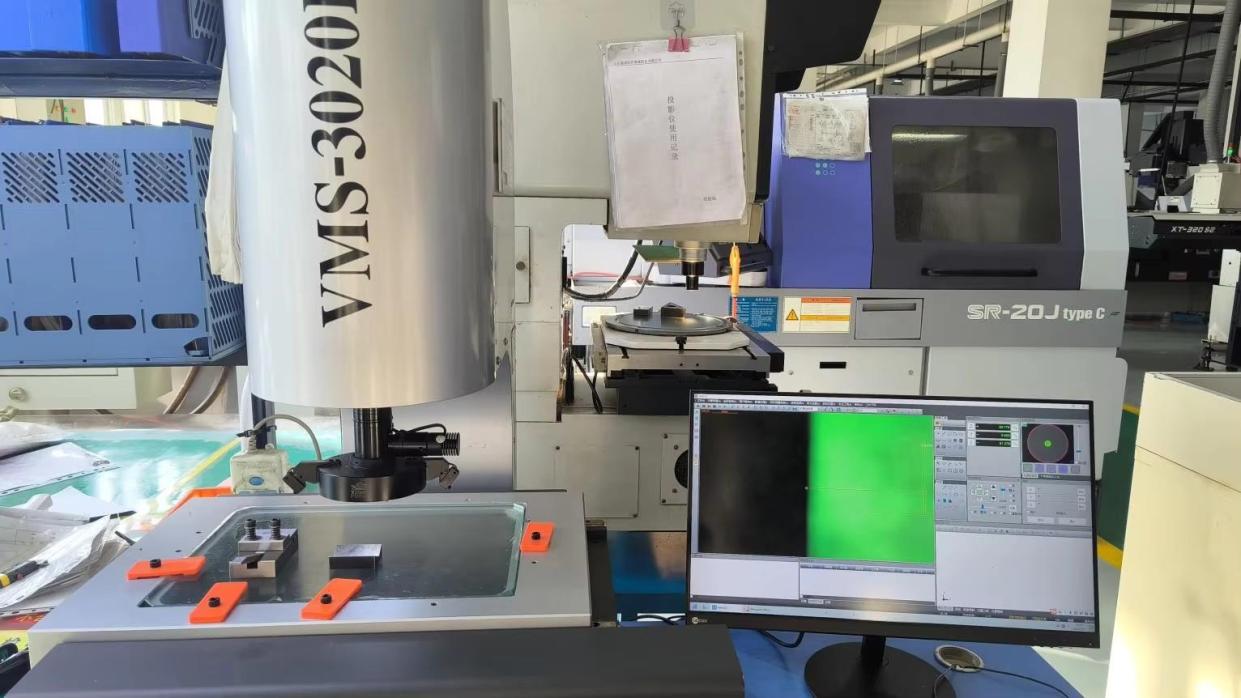
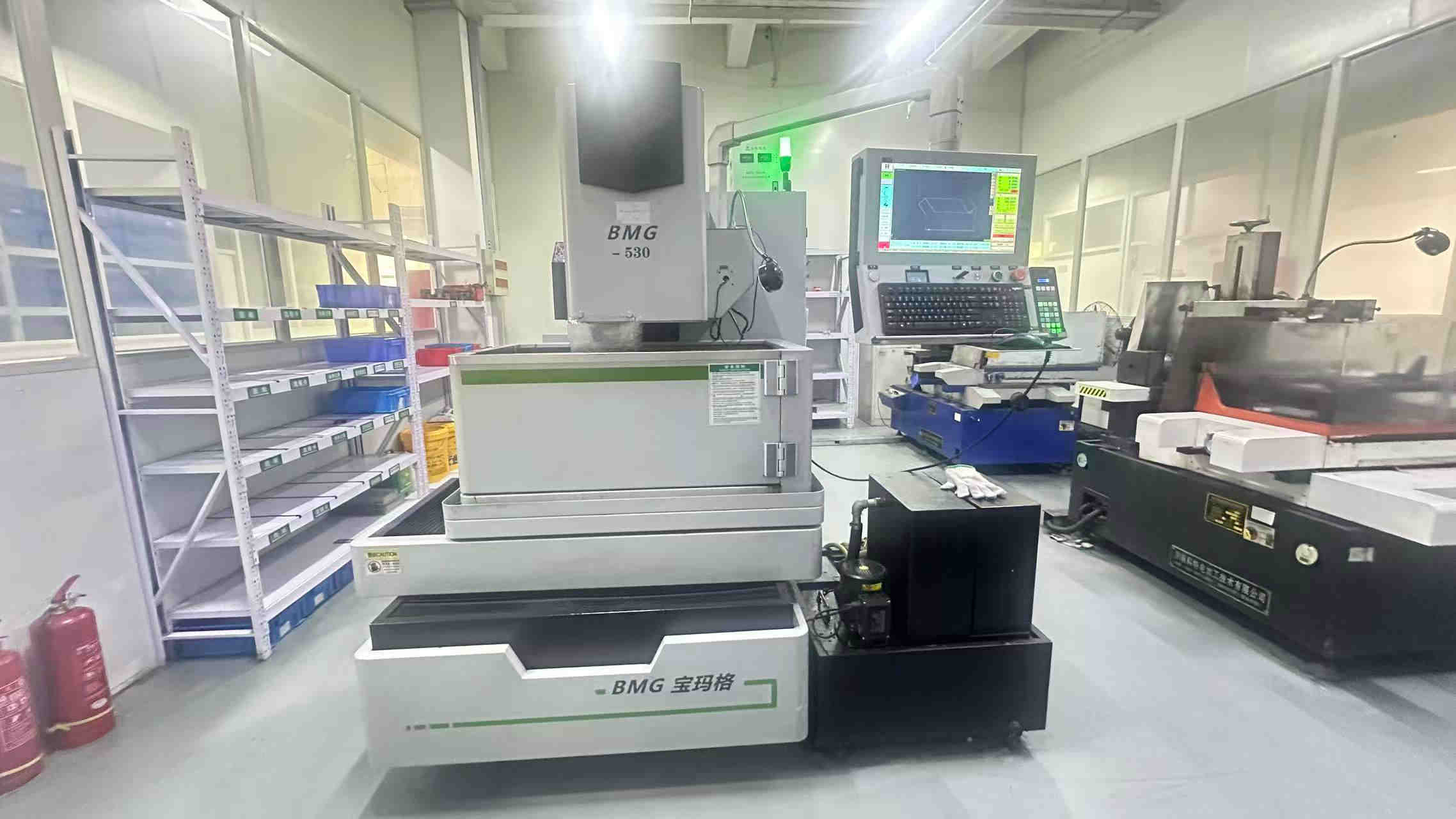
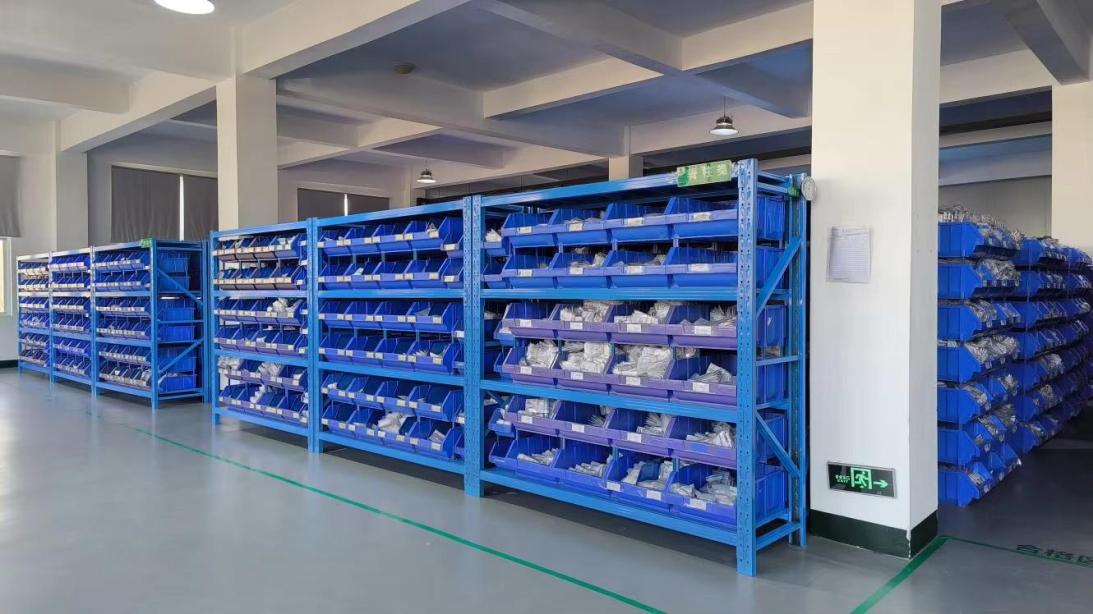
Medical implant reliability requires strict adherence to quality management controls. Each manufacturing batch undergoes rigorous non-destructive and destructive testing to ensure mechanical integrity before clinical distribution.
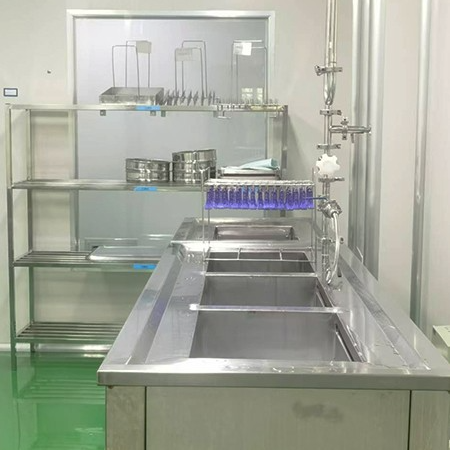
Cleaned implants have a cleaner surface, helping to reduce the risk of post-operative infection. Ensures that the implant is safer to apply to the patient during surgery.
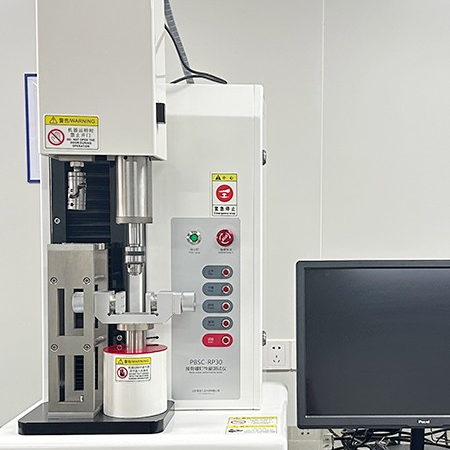
Tests the tensile strength, yield strength and elongation of materials. Simulates the tensile forces to which the implant is subjected in the body.
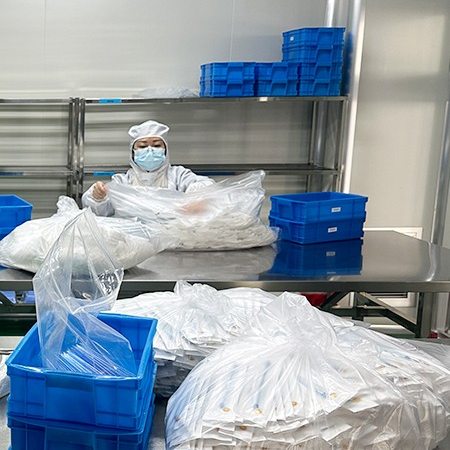
Packaging should ensure a good seal to prevent the entry of external contaminants. Use heat sealing, pressing or gluing to ensure the integrity of the package.
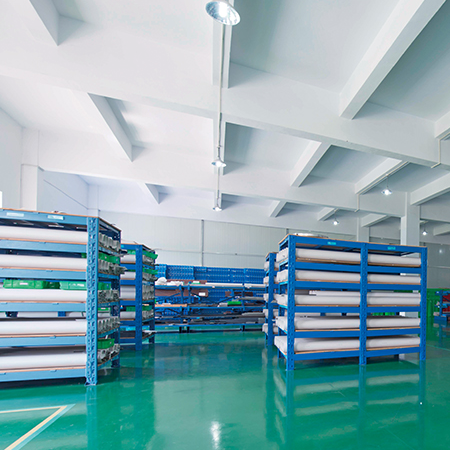
Global medical supply chains face challenges including rising raw material costs, regulatory shifts, and fulfillment delays. Partnering with a top-tier Chinese medical hardware manufacturer provides stability, quality control, and cost advantages.
Direct supply partnerships with accredited titanium rod mills guarantee full traceability (melt source certification, chemical composition analysis, and grain size verification under ASTM F136).
Using 5-axis CAD/CAM simulation toolpaths, design modifications for custom neck plate geometries can move from prototype to trial production batch in under 14 working days.
Automated Swiss-type turning centers and high-density jig assemblies enable batch production with tight tolerances (±0.005mm), lowering unit costs while maintaining zero-defect standards.
We provide full technical documentation—including biomechanical test reports, risk assessment dossiers, biocompatibility data, and sterilization validation—to streamline global regulatory approvals.
Cervical fixation implants must adapt to diverse anatomical requirements and surgical protocols across different global regions. Understanding regional variations in patient anatomy and operative preferences ensures optimal clinical outcomes.
Indicated for herniated discs and degenerative radiculopathy. Plates feature ultra-low profile lordotic pre-bending to match natural cervical curvature without manual intraoperative stress deformation.
Utilizes rigid high-torque locking screws to achieve instantaneous mechanical stability, stabilizing instable subluxations across C3-C7 segments following acute high-energy trauma.
Extending beyond the spine, modified micro-neck plate technologies (such as Reconstruction Y Plates) offer adaptable osteosynthesis options for complex cranio-maxillofacial surgical reconstructions.
Our cervical neck plates are manufactured using medical-grade Titanium Alloy Grade 5 (Ti-6Al-4V ELI) conforming to ASTM F136 and ISO 5832-3 standards. Select interbody constructs incorporate radiolucent PEEK (Polyetheretherketone) per ASTM F2026 for optimal imaging clarity under fluoroscopy.
Our neck plates feature integrated zero-backout tactile locking mechanisms, including nitinol retaining rings and dual-lead locking thread cams. These design features provide tactile confirmation when fully engaged, securing screws against micro-vibrational backing out under flexural neck motion.
We maintain full compliance with ISO 13485 quality management system standards for medical devices, supported by CE marking certification. All production facilities feature Class 10,000 ISO 7 cleanroom environments for sterile device packaging.
Yes. With over 20 years of manufacturing experience, our in-house R&D team provides comprehensive OEM/ODM solutions, from 3D modeling, FEA mechanical simulation, and custom tooling to complete regulatory documentation support.
Every product line undergoes mechanical testing in accordance with ASTM F1717 (standard test methods for spinal implant constructs in a vertebrectomy model), including static compression bending, static torsion, and dynamic fatigue testing up to 5,000,000 cycles.
Standard catalog products ship within 15 to 30 business days depending on order volume. Custom OEM/ODM batches typically require 30 to 45 business days, including raw material testing and final sterilization processing.
Discover our full series of orthopedic fixation implants, specialized surgical tools, and filtration accessories.
 Medev Medical