Select orthopedic fixation assemblies and clinical instrument sets optimized for complex ligament reconstruction, spinal stabilization, and trauma osteosynthesis.
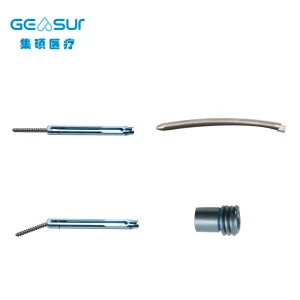
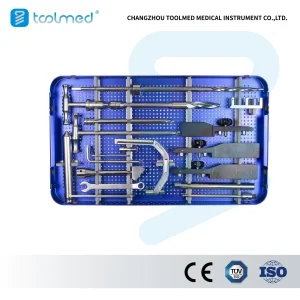
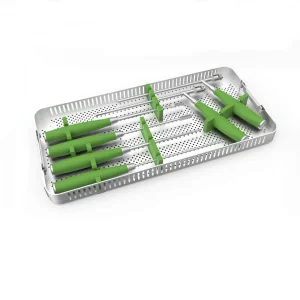
Ligament injuries, particularly involving the Anterior Cruciate Ligament (ACL), posterior cruciate ligament (PCL), and surrounding joint stabilizers, present significant clinical challenges globally. Sports medicine has shifted dynamically from simple autograft repairs to bio-mechanically engineered synthetic scaffolds, ultra-high-molecular-weight polyethylene (UHMWPE) sutures, and bioabsorbable interference screw systems.
This transformation requires manufacturers to satisfy strict engineering standards. Factors such as osseointegration potential, pull-out strength, degradation kinetics of bio-composites, and surgical usability are primary points of differentiation. In this whitepaper, we dissect the capabilities of the top 10 global manufacturers, outlining the technical innovations and procurement considerations that define contemporary orthopedic medicine.
When selecting a manufacturing partner for ligament reconstruction devices, global procurement officers and surgical consults evaluate three core pillars:
An analysis of the leading medical device brands pioneering innovations in soft-tissue repair, joint reconstruction, and sports medicine fixation.
A pioneer in arthroscopy and minimally invasive sports medicine. Renowned for its *TightRope®* fixation technology, bio-interference screws, and comprehensive instrumentation systems that revolutionized ACL reconstruction techniques.
A global leader with portfolio highlights such as the *ULTRABUTTON* adjustable loop device and *BIOSURE* PK interference screws. They specialize in simplifying complex soft-tissue-to-bone fixation protocols.
Leveraging Johnson & Johnson's vast infrastructure, DePuy Synthes offers highly integrated solutions for joint reconstruction and sports medicine, focusing on biocompatible polymers and anatomically contoured plates.
Stryker excels in combining digital visualization technologies with physical implants. Their sports medicine division is a major source of bioabsorbable anchors and specialized surgical drill systems.
With a comprehensive focus on joint preservation, Zimmer Biomet produces high-performance cortical fixation buttons, interference screws, and soft tissue anchors designed for rapid healing.
Pioneering the development of self-punching all-suture anchors and graft tensioning systems, ConMed remains a preferred developer of sports medicine surgical accessories.
A premier manufacturer based in China, boasting 20+ years of high-end orthopedic development. Combining ISO-compliant aseptic packaging, advanced metallurgy, and strict QA protocols to serve over 1,000 global clients.
While broadly known for spine and cardiac therapy, Medtronic produces orthopedic fixations that bridge spine stabilization and ligamentous attachment systems.
Specializing in biologic and synthetic graft solutions, RTI provides the biological scaffolds necessary for advanced ligamentous healing and regenerative procedures.
A key European manufacturer focused on synthetic bone substitutes, ceramics, and fixation components tailored for joint reconstruction and ligament preservation.
Founded in 2001, Chengdu Medev Medical Instruments Co., Ltd. has established itself as an industry leader in China's orthopedic medical sector. The company spans an impressive 18,000 ㎡ facility, featuring a floor area of over 15,000 ㎡ and a registered capital of 20 million Yuan.
Medev specialized in product research, design, and manufacturing of high-precision orthopedic implant instruments. Over the course of 20 years, they have optimized their supply chains to support over 1,000 clients across 120+ countries, building a strong reputation for delivery speed, product durability, and regulatory compliance.
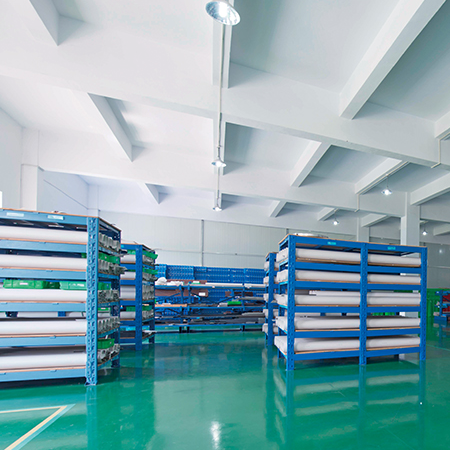
Every implant undergoes critical quality control processes to ensure structural integrity and patient safety.
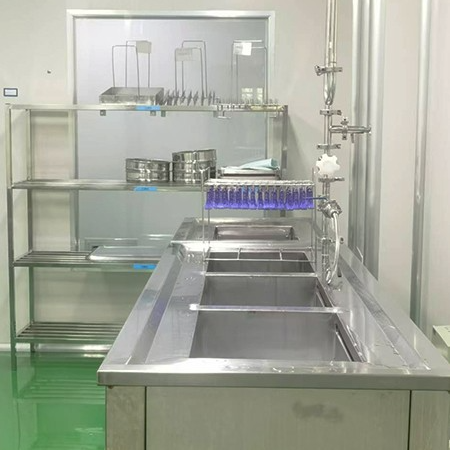
Cleaned implants have a cleaner surface, helping to reduce the risk of post-operative infection. Ensures that the implant is safer to apply to the patient during surgery.
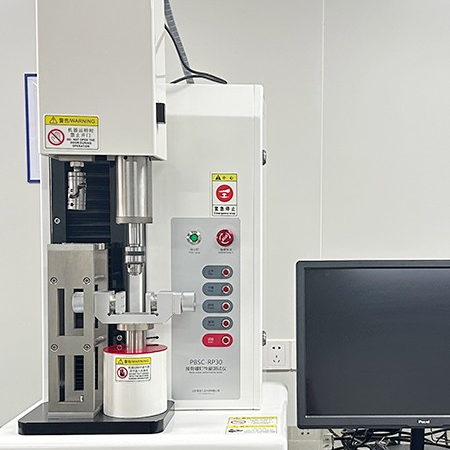
Tests the tensile strength, yield strength and elongation of materials. Simulates the tensile forces to which the implant is subjected in the body.
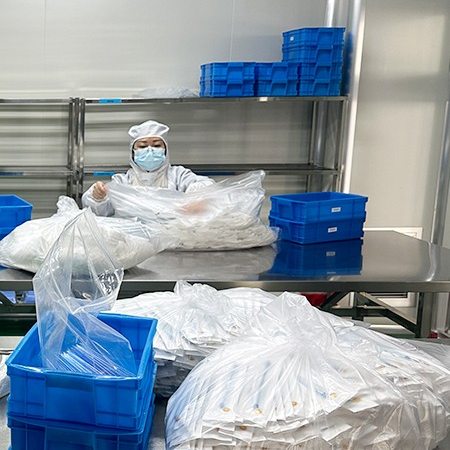
Packaging should ensure a good seal to prevent the entry of external contaminants. Use heat sealing, pressing or gluing to ensure the integrity of the package.
Standardized manufacturing, assembly, and testing procedures inside Medev's facilities.
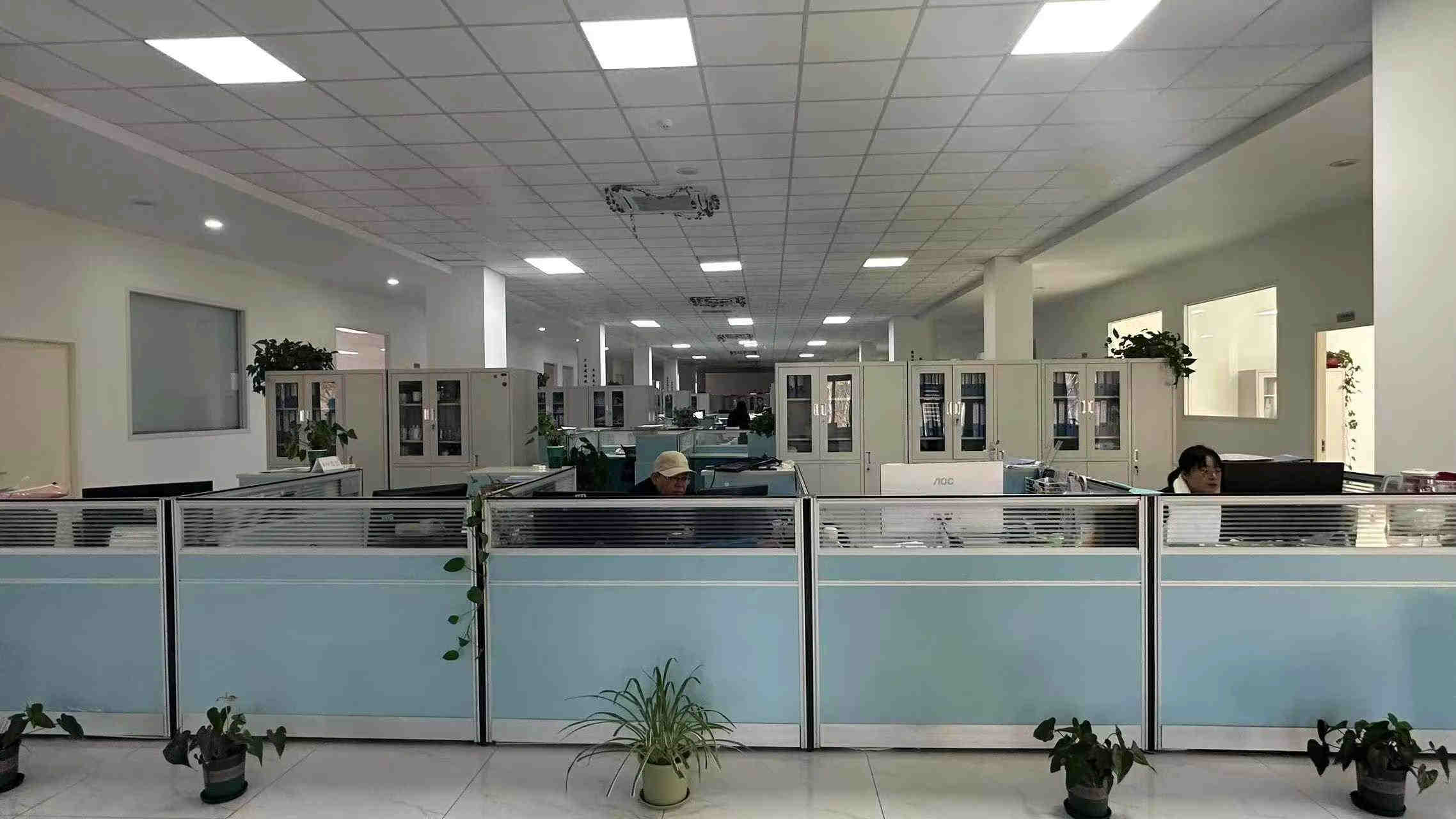
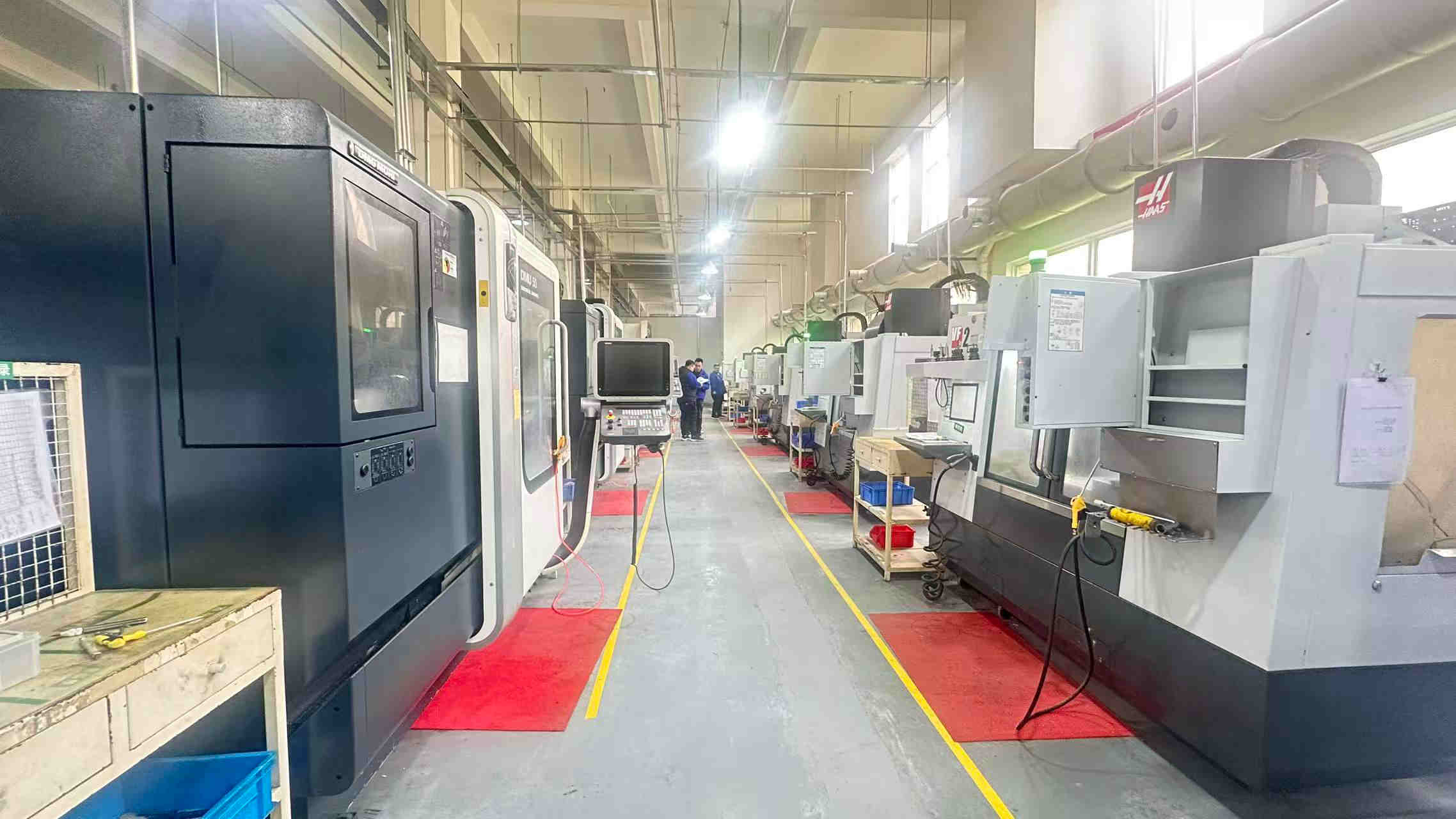
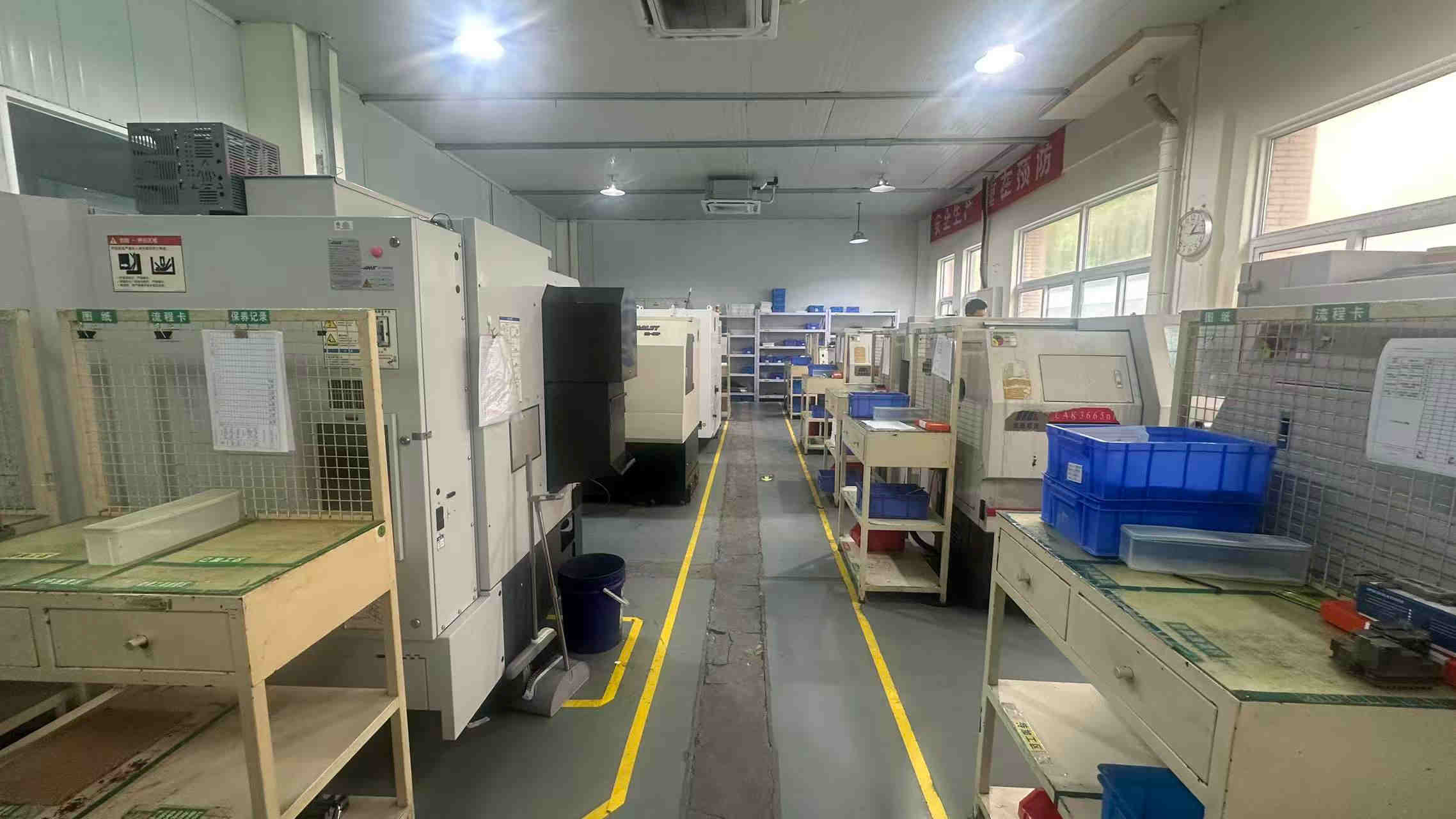
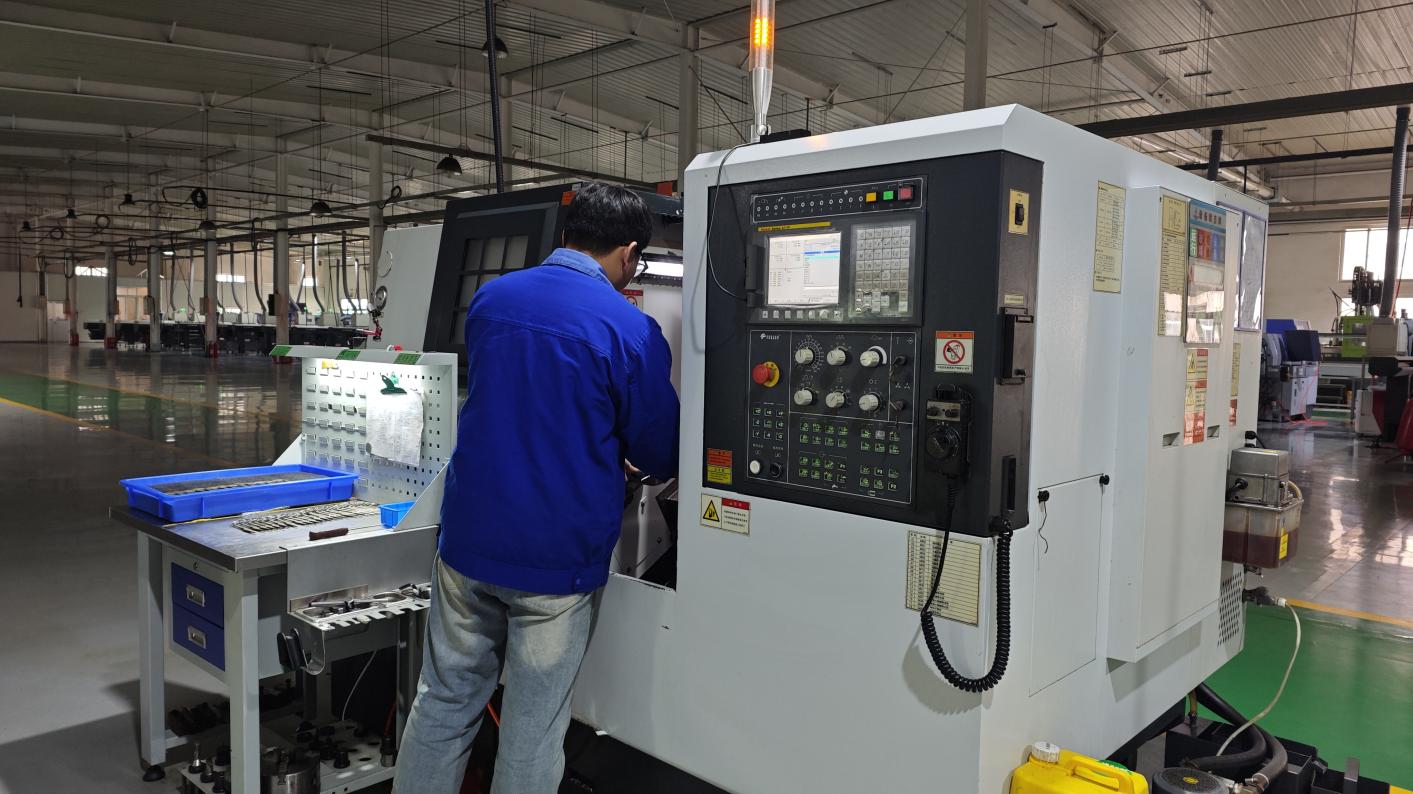
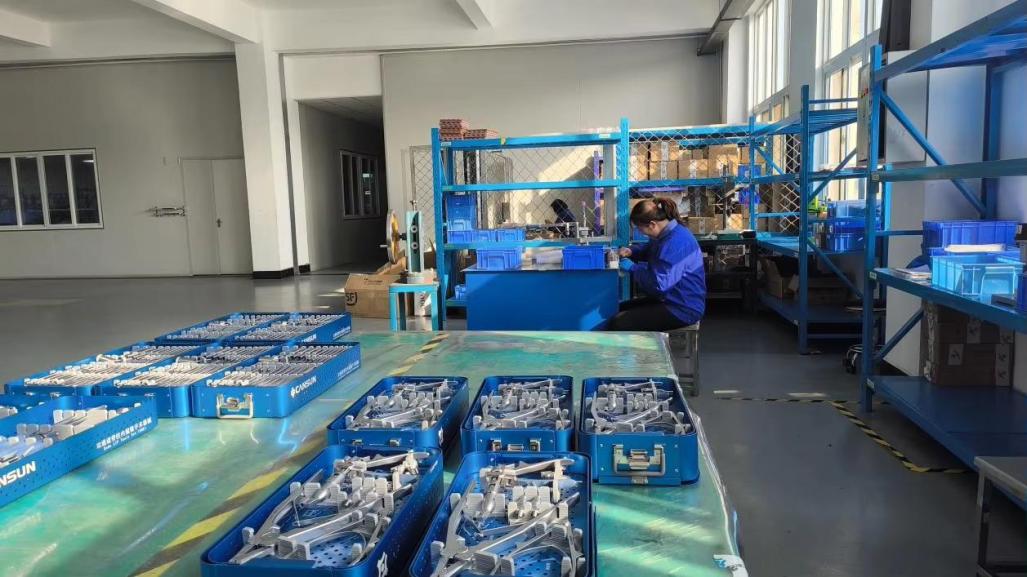
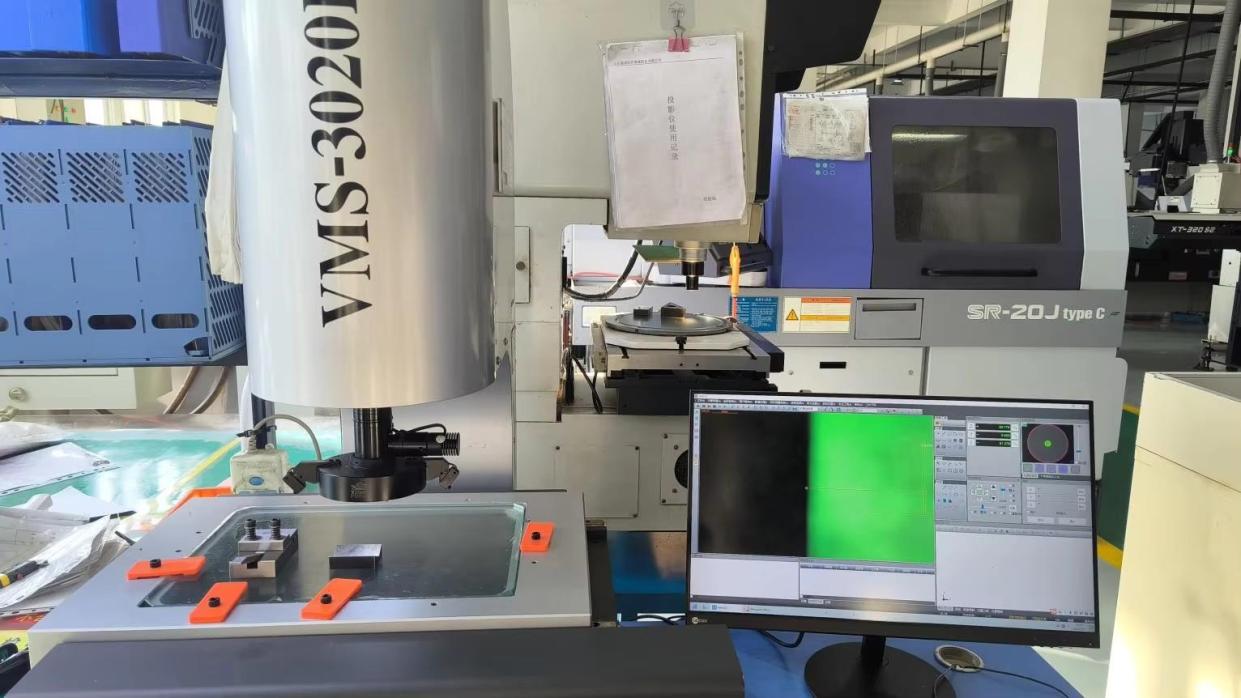
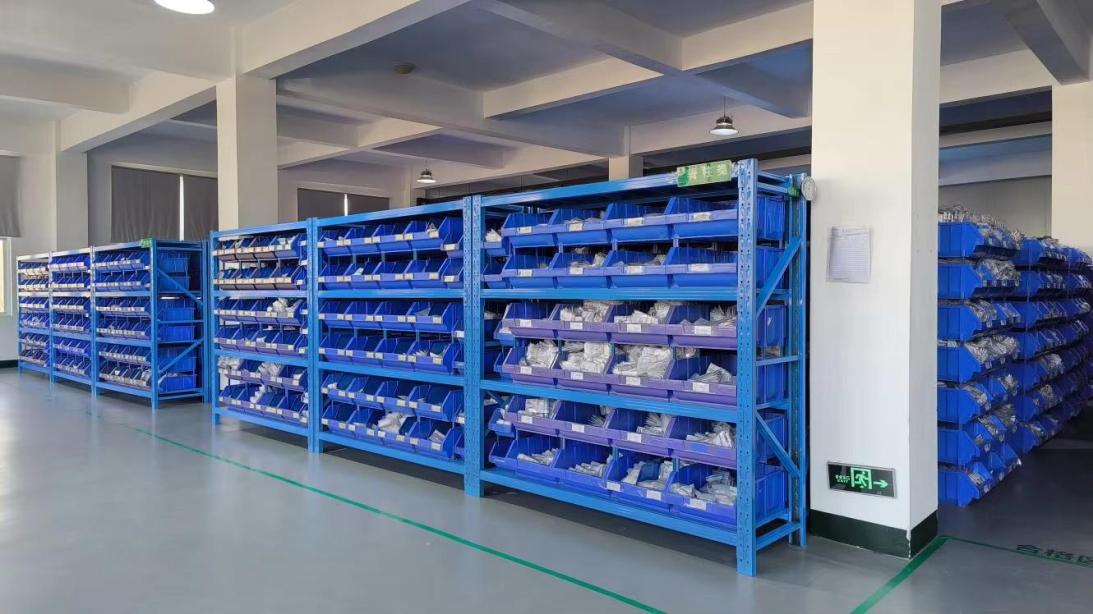
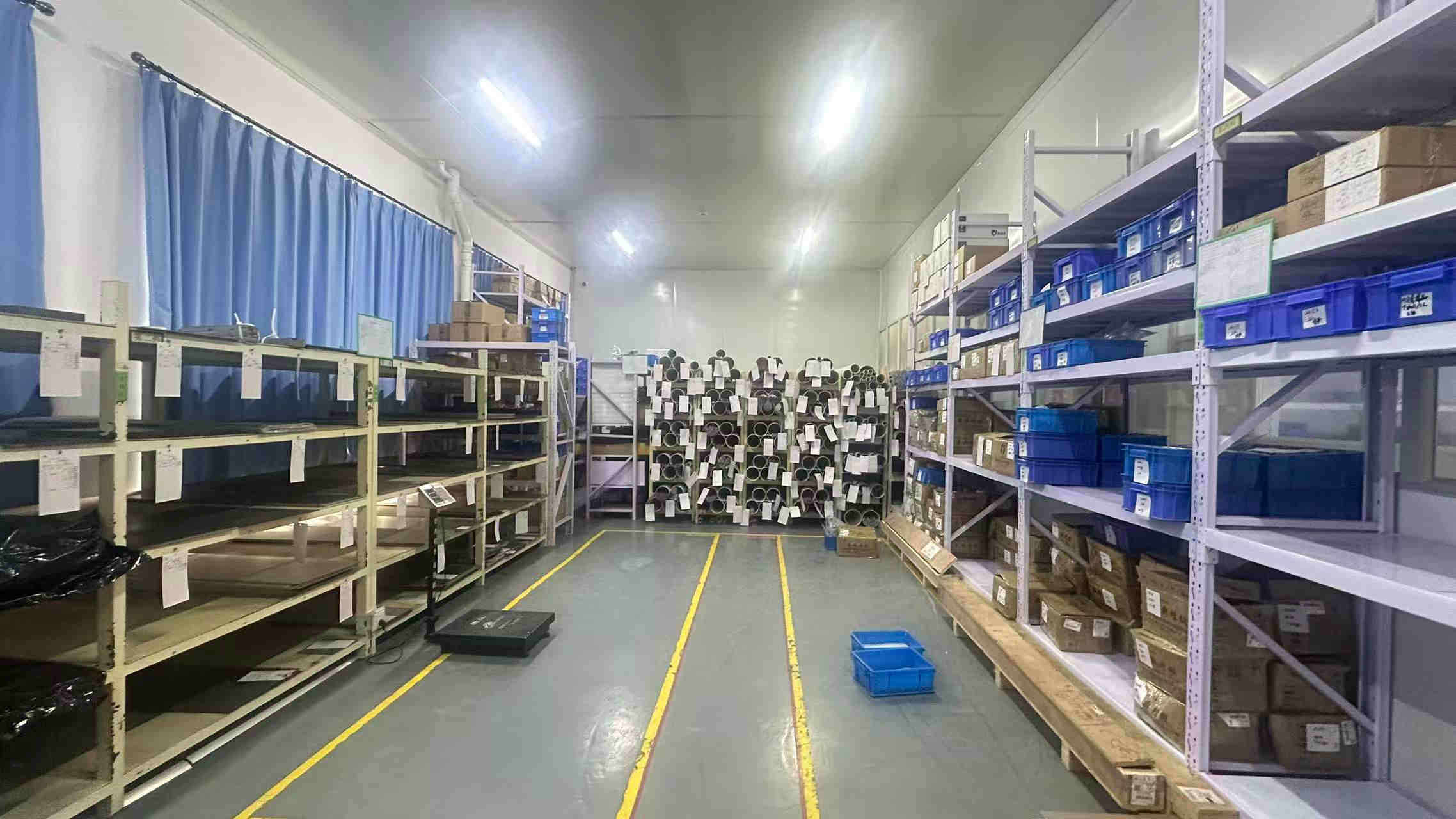
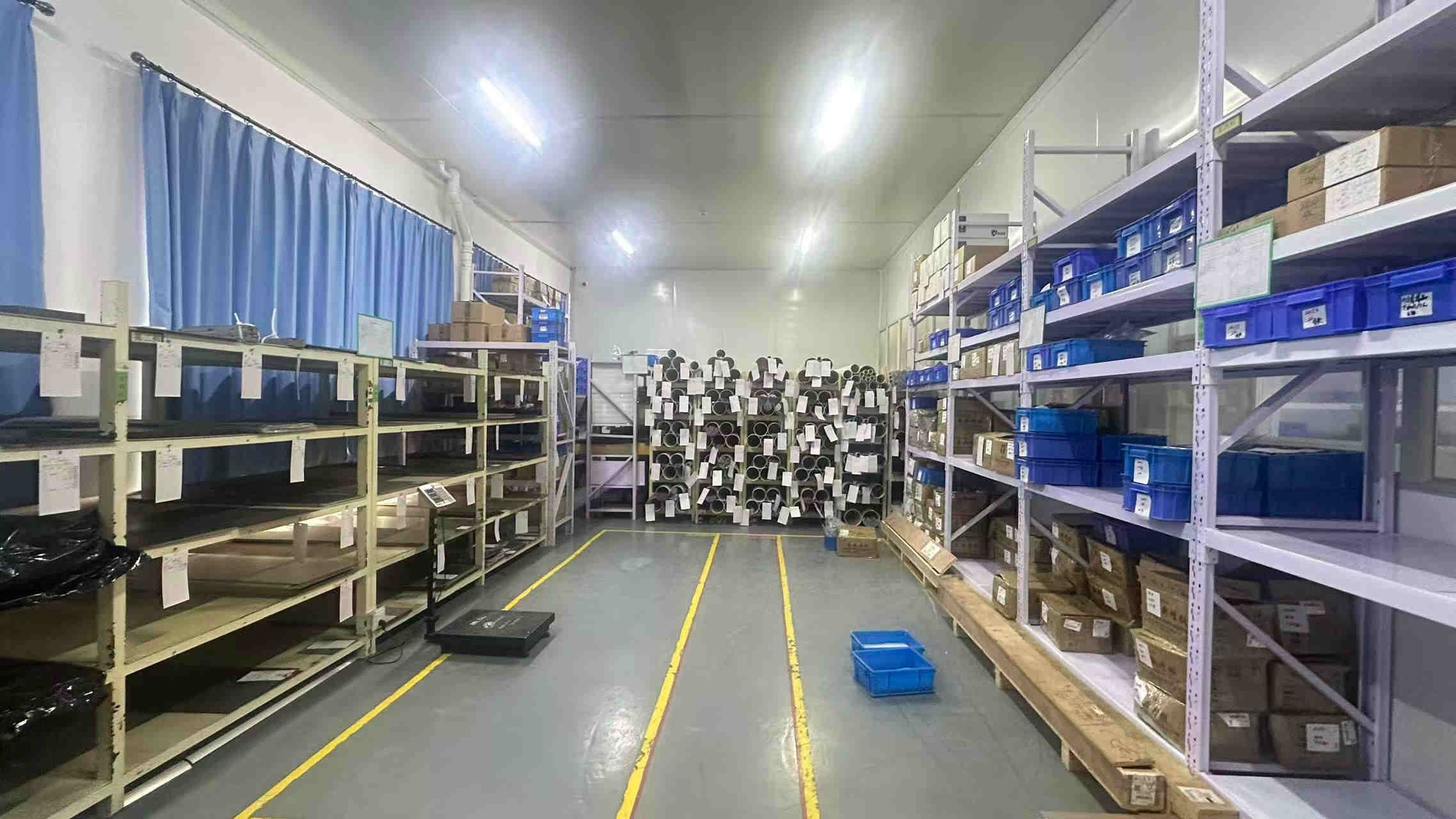
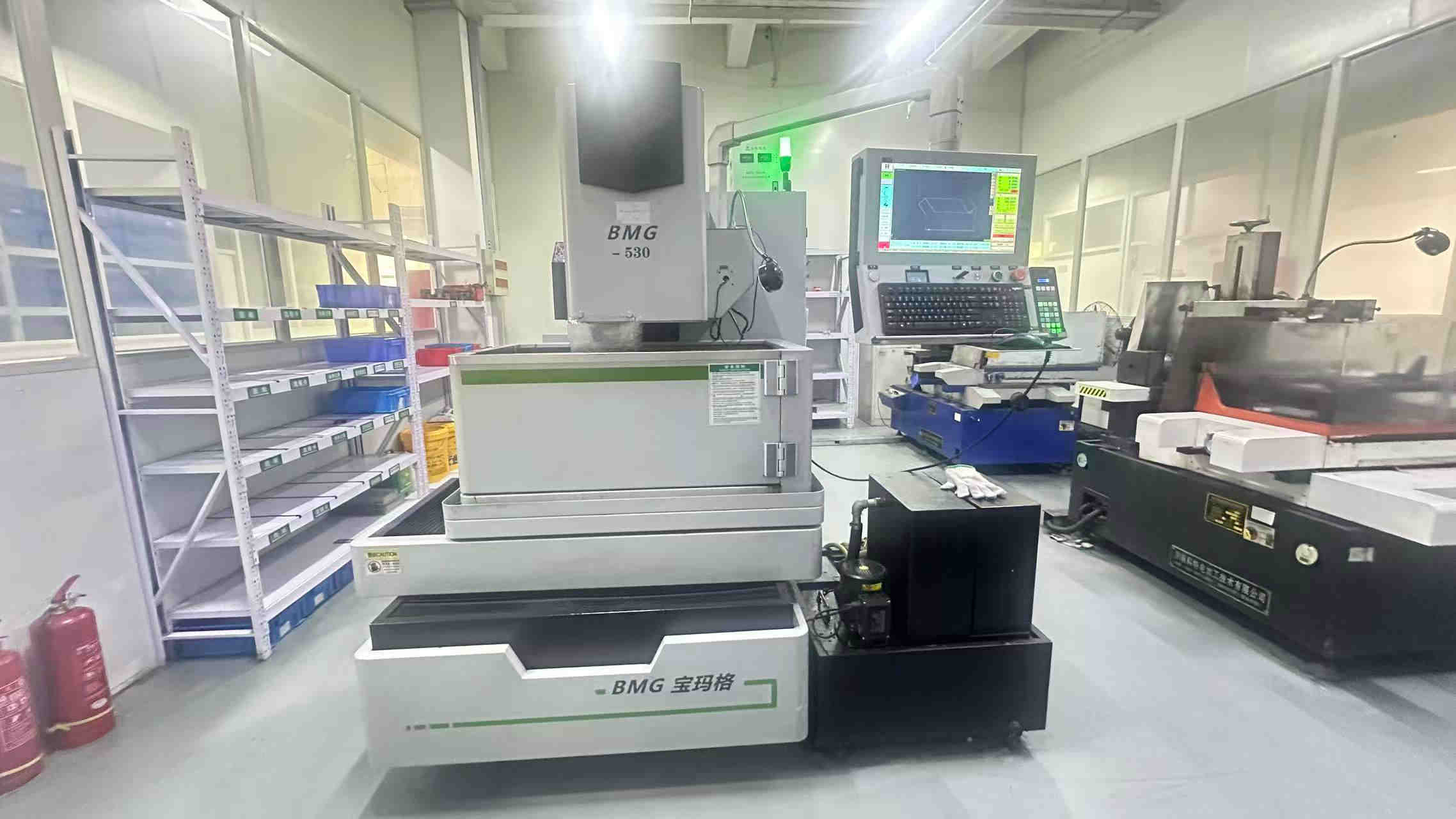
In orthopedic medical procurement, scale dictates consistency. Large-scale manufacturing capabilities reduce supply chain bottlenecks and control production costs.
By maintaining deep technical infrastructure, modern cleanrooms, and testing setups, top-tier manufacturers like Medev support critical requirements for hospitals, clinics, and distributors worldwide.
Key insights driving the procurement of ligament reconstruction components and orthopedic devices globally.
In ligament reconstruction surgeries, especially ACL repairs, there is a clear trend toward bioabsorbable implants. Traditional metal interference screws (primarily titanium) can complicate post-operative MRI imaging and occasionally require secondary surgeries for removal.
Bioabsorbable screws made of Poly-L-lactic acid (PLLA) combined with Tricalcium Phosphate (TCP) promote bone remodeling and osseointegration, eventually replacing the screw with natural bone. This reduces the risk of long-term foreign-body reactions and simplifies revision surgeries.
All-suture anchors are gaining market share due to their smaller footprint compared to traditional rigid anchors. Using high-strength UHMWPE, these anchors allow surgeons to place multiple fixation points while preserving bone stock. This technique is valuable in shoulder labrum and rotator cuff repairs, as well as complex ankle ligament stabilizations.
The regulatory transition from the Medical Device Directive (MDD) to the Medical Device Regulation (MDR) in Europe has raised compliance requirements. Manufacturers must supply extensive clinical data, maintain thorough Post-Market Surveillance (PMS), and ensure traceabilty via Unique Device Identification (UDI).
Procurement teams are focusing on manufacturers that possess active certification portfolios. This shift helps mitigate the risk of supply disruptions caused by regulatory non-compliance.
Ensure your supplier provides sterilization validation records (such as Gamma or EO sterilization certificates) alongside mechanical testing data (e.g., torsion and pull-out metrics). This documentation is critical during local customs clearance and hospital auditing procedures.
A comparison of common materials utilized in ligament reconstruction implants.
| Material Type | Common Implants | Biocompatibility Profile | Key Mechanical Benefit | Imaging Compatibility (MRI) |
|---|---|---|---|---|
| Titanium Alloy (Ti-6Al-4V ELI) | Cortical Buttons, Interference Screws, Anchors | Excellent (Bioinert, minimal tissue reaction) | High yield strength & pull-out resistance | Moderate (Produces mild scattering artifacts) |
| Polyether ether ketone (PEEK) | Suture Anchors, Interference Screws, Cages | Excellent (Inert, bone-like modulus of elasticity) | Reduced stress shielding, radiolucent properties | Excellent (Zero artifacts, clear imaging) |
| Bioabsorbable (PLLA + β-TCP) | Bio-Interference Screws, Bio-anchors | Osteoconductive (Promotes active bone growth) | Gradual degradation matched to healing kinetics | Excellent (Leaves zero metallic residue) |
| UHMWPE (Ultra-High-Molecular-Weight Polyethylene) | High-Strength Sutures, Fiber tapes | Excellent (Minimal inflammatory response) | Exceptional tensile strength and flexibility | Excellent (Fully radiolucent) |
The next frontier in ligament reconstruction is driven by personalized medical solutions and regenerative biology. 3D printing (additive manufacturing) allows for custom-designed ligament anchors matching patients' exact bone-density profiles.
Furthermore, incorporating growth factors (such as Bone Morphogenetic Proteins - BMPs) directly onto the surface of bio-composite screws represents a major development area. This technology aims to accelerate soft-tissue-to-bone healing, helping athletes return to sport faster.
Direct, technical answers to common queries in orthopedic and ligament reconstruction procurement.
PEEK (Polyether ether ketone) is a non-absorbable thermoplastic that offers high strength, chemical resistance, and a modulus of elasticity similar to cortical bone. It remains permanently in the body unless surgically removed. Bioabsorbable screws (made of PLLA/PLDLA + TCP) gradually degrade over 18 to 36 months, allowing the body to replace the implant site with natural bone tissue.
ISO 13485:2016 establishes the quality management standards specifically for the medical device industry. It ensures that every step of manufacturing—from raw material traceability (such as medical-grade titanium certifications) to ultrasonic cleaning, sterilization validation, and cleanroom packaging—meets global safety guidelines, minimizing legal risks for distributors.
Ultra-High-Molecular-Weight Polyethylene (UHMWPE) features exceptional tensile strength, far exceeding traditional polyester sutures. It offers low profile knot stacks, high abrasion resistance, and eliminates the risk of suture breakage during high-tension ligament fixation procedures.
Pediatric cases require careful consideration of open growth plates (physeal lines). Surgeons often prefer specialized, small-diameter bioabsorbable anchors or transosseous suture techniques rather than permanent titanium hardware, avoiding interference with future bone growth.
Examine our portfolio of external fixators, joint replacements, and specialized suture systems engineered for complex reconstructive surgeries.
 Medev Medical