Explore our precision-engineered selection of orthopedic nails, specialized plating components, surgical instrument sets, and compression fixation solutions.
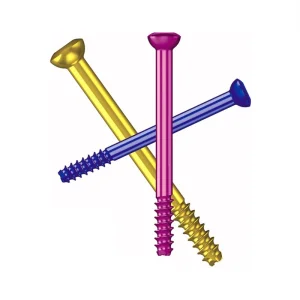
In modern sports medicine, particularly during reconstructive surgeries of the anterior cruciate ligament (ACL) and posterior cruciate ligament (PCL), the selection of graft fixation implants plays an indispensable role in patient recovery timelines and mechanical stability. As medical practitioners shift from simple anatomical repairs toward micro-stable, biological reconstruction, the demand for top-grade, precise interference screws has surged. Historically, interference fit fixation relies on creating frictional forces between the bone tunnel walls and the tendon or bone-tendon-bone (BTB) graft. Choosing the correct interference screw manufacturer, particularly in high-volume regions like China, requires evaluating biomechanical performance, chemical purity, and manufacturing standards.
"Optimizing interference fit is not merely a question of compression; it is a delicate equilibrium of raw material metallurgy, pitch design, thread profile, and surface topography that collectively dictates primary graft stability and long-term osteointegration."
Over the last three decades, interference screws have transitioned through three major technical epochs:
Founded in 2001, Chengdu Medev Medical Instruments Co., Ltd. has established itself as an innovative force in the research, design, and manufacturing of orthopedic implants and specialized surgical instruments. Operating within a state-of-the-art 18,000 m² manufacturing facility (including a floor area of over 15,000 m²), the company runs on a registered capital of 20 million Yuan.
By implementing strict quality management and utilizing advanced manufacturing systems, Chengdu Medev has successfully supplied premium products to over 1,000 clients across 120+ countries and regions. For over two decades, the company has integrated clinical feedback with high-precision engineering to ensure that every orthopedic plate, screw, nail, and surgical instrument meets the demanding safety standards of global healthcare markets.
Guided by our core philosophy—"people-oriented, integrity first, continuous innovation, the pursuit of excellence"—we are committed to protecting human health and supporting orthopedic surgeons worldwide with highly reliable fixation technologies.
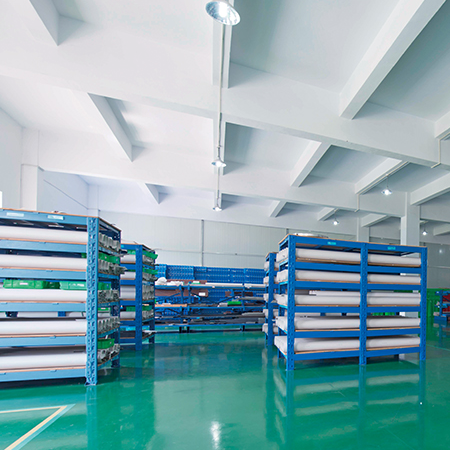
Our commitment to patient safety and surgical efficacy is backed by multi-layered quality control operations. Every single batch undergoes thorough physical, mechanical, and bio-contamination inspections.
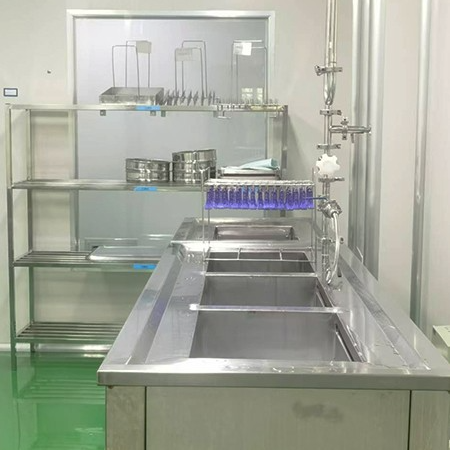
Cleaned implants exhibit a higher surface purity, significantly reducing the risks of post-operative infection and foreign-body biological rejection. This ensures the implant is safe to apply during surgical procedures.
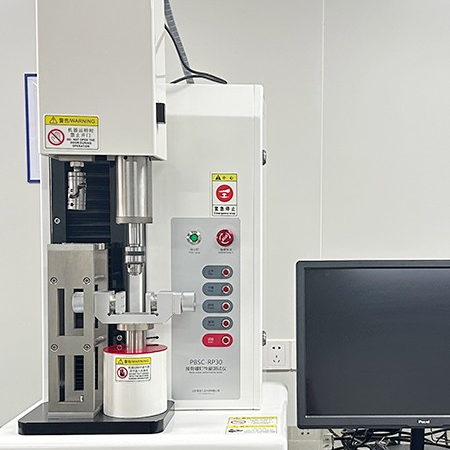
We rigorously test raw materials and finished implants for tensile strength, yield strength, and elongation. This process simulates the complex mechanical and physiological stresses the screw faces inside the human body.
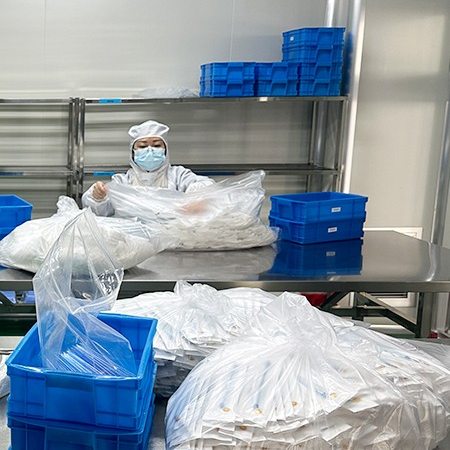
Our final packaging line ensures high-integrity sealing to prevent the entry of external contaminants. Utilizing precise heat sealing, pressing, and medical-grade materials, we secure long-term sterile protection.
Procuring implants on an international scale requires a deep understanding of manufacturing capacities, materials, and clinical demands.
Global distributors and hospital groups require documentation proving alignment with MDD/MDR standards, CE marking, and ISO 13485 cleanroom certifications. We support international compliance with fully traceable quality metrics and documentation.
Our interference screws undergo validation for insertion torque limits, pullout force resistance, and rotational stress performance. We optimize our thread geometries to reduce the risk of structural failure during bone insertion.
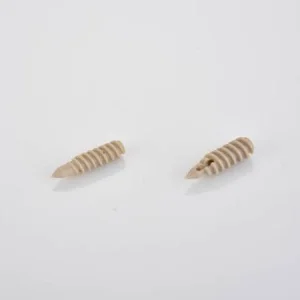
We manufacture both cannulated and solid profiles with blunt-edge thread systems. This approach provides secure mechanical grip and helps prevent graft laceration, supporting structural integrity in soft-tissue fixations.
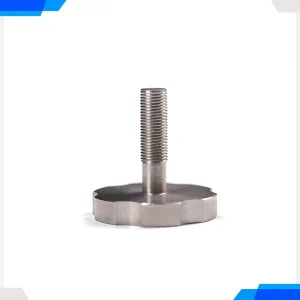
We work with high-performance biocompatible materials including Polyether Ether Ketone (PEEK) for radiographic monitoring, Medical-Grade Titanium alloys (Ti-6Al-4V ELI), and bio-absorbable composites tailored to clinical specifications.
Our facility runs multiple production lines equipped with high-precision milling and machining tools. This capacity allows us to manage large orders while keeping lead times consistent for global distribution channels.
From custom head designs to specialized thread styles and tool pairings, we partner with clients to develop custom orthopedic systems. We offer comprehensive OEM/ODM services from CAD design through final clinical packaging.
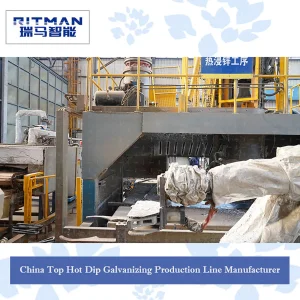
A look at our structured production workflow, showing how raw materials are transformed into finished orthopedic implants.
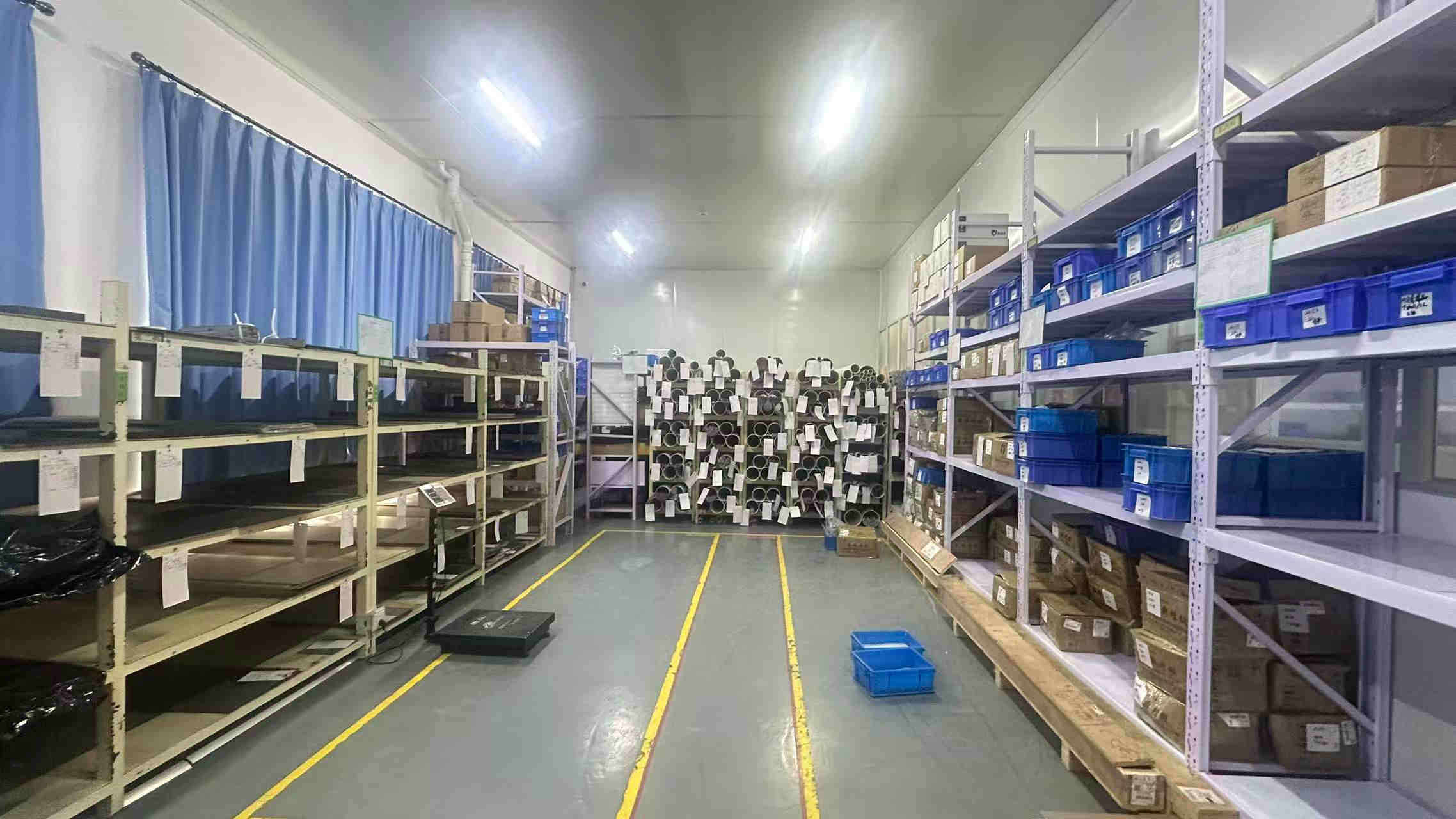
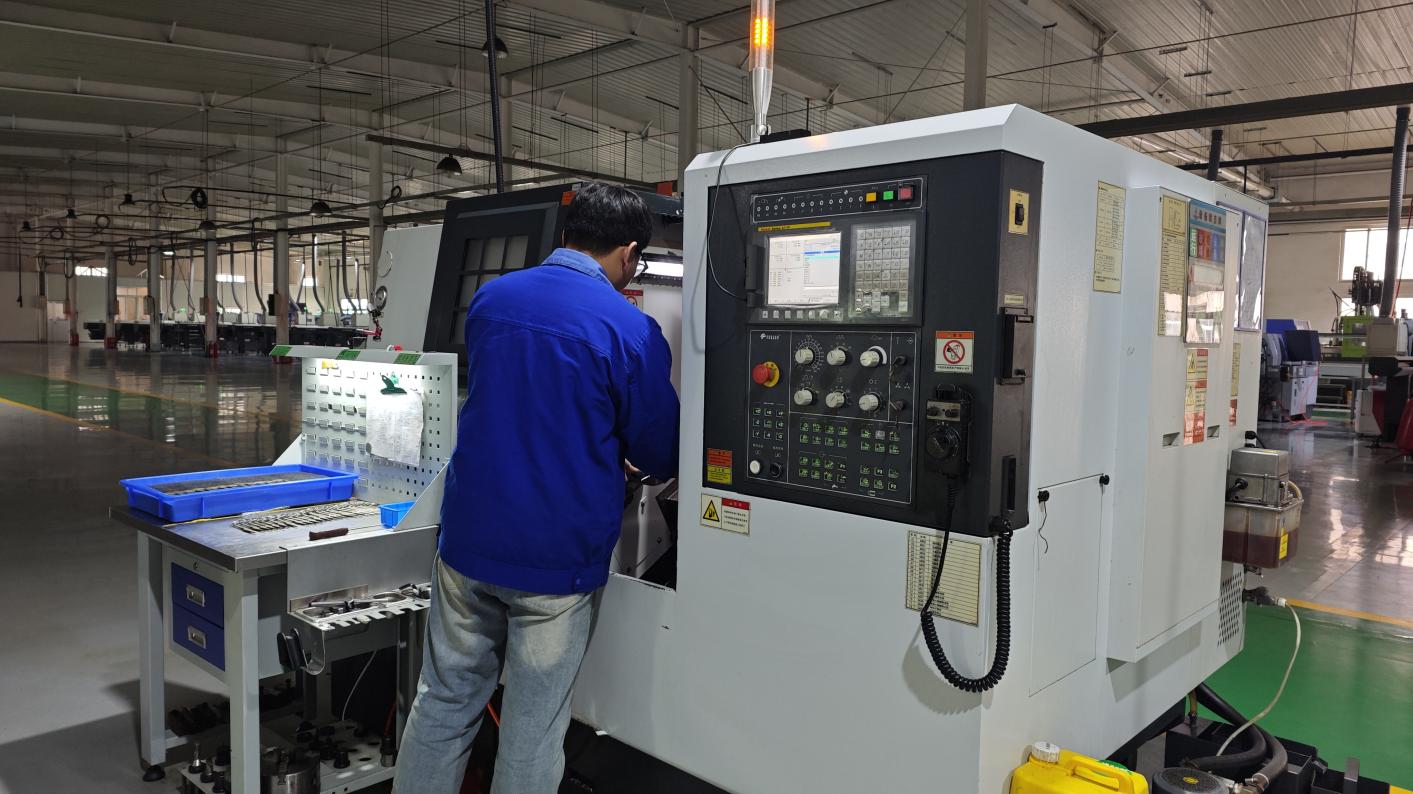
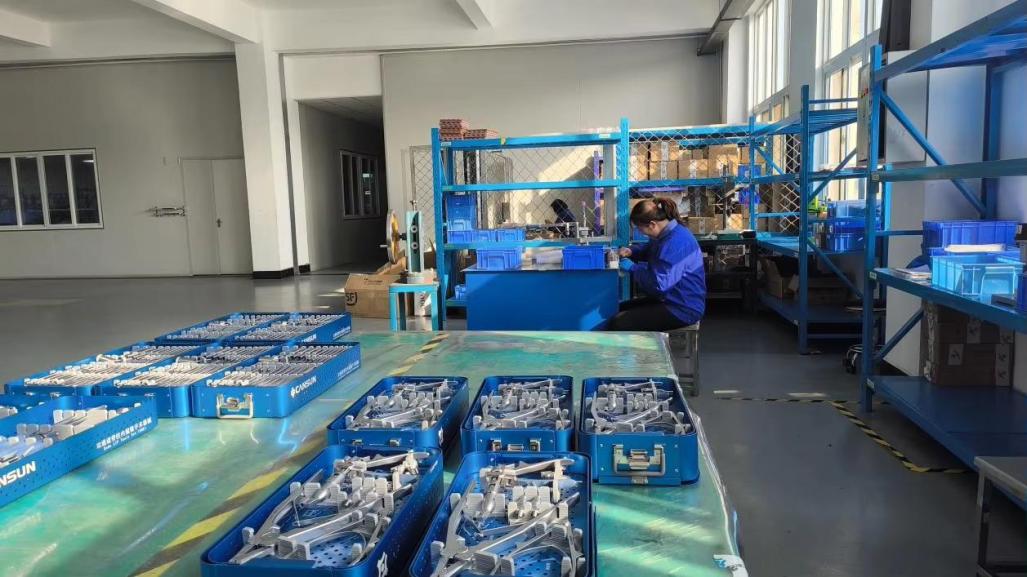
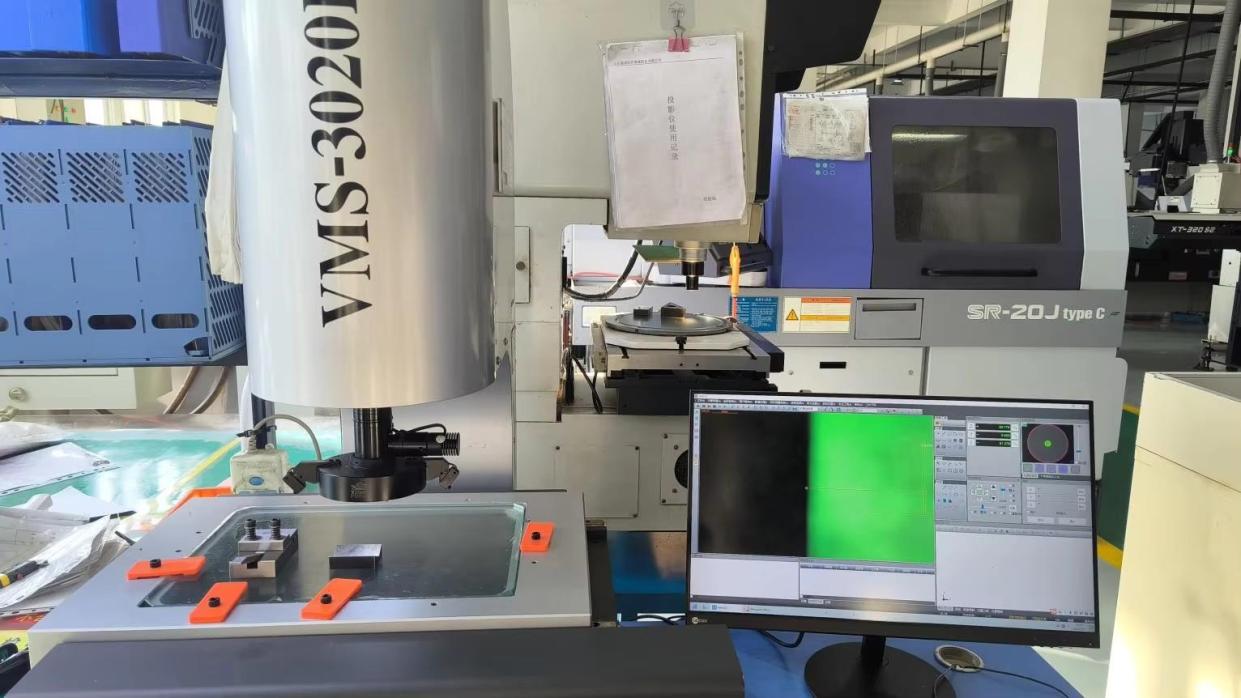
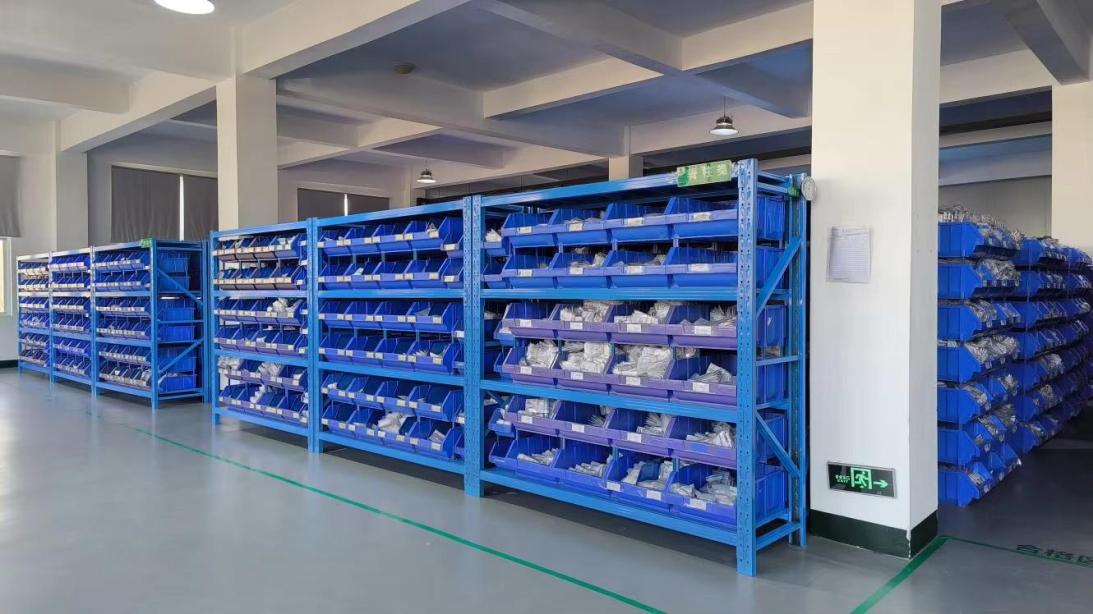

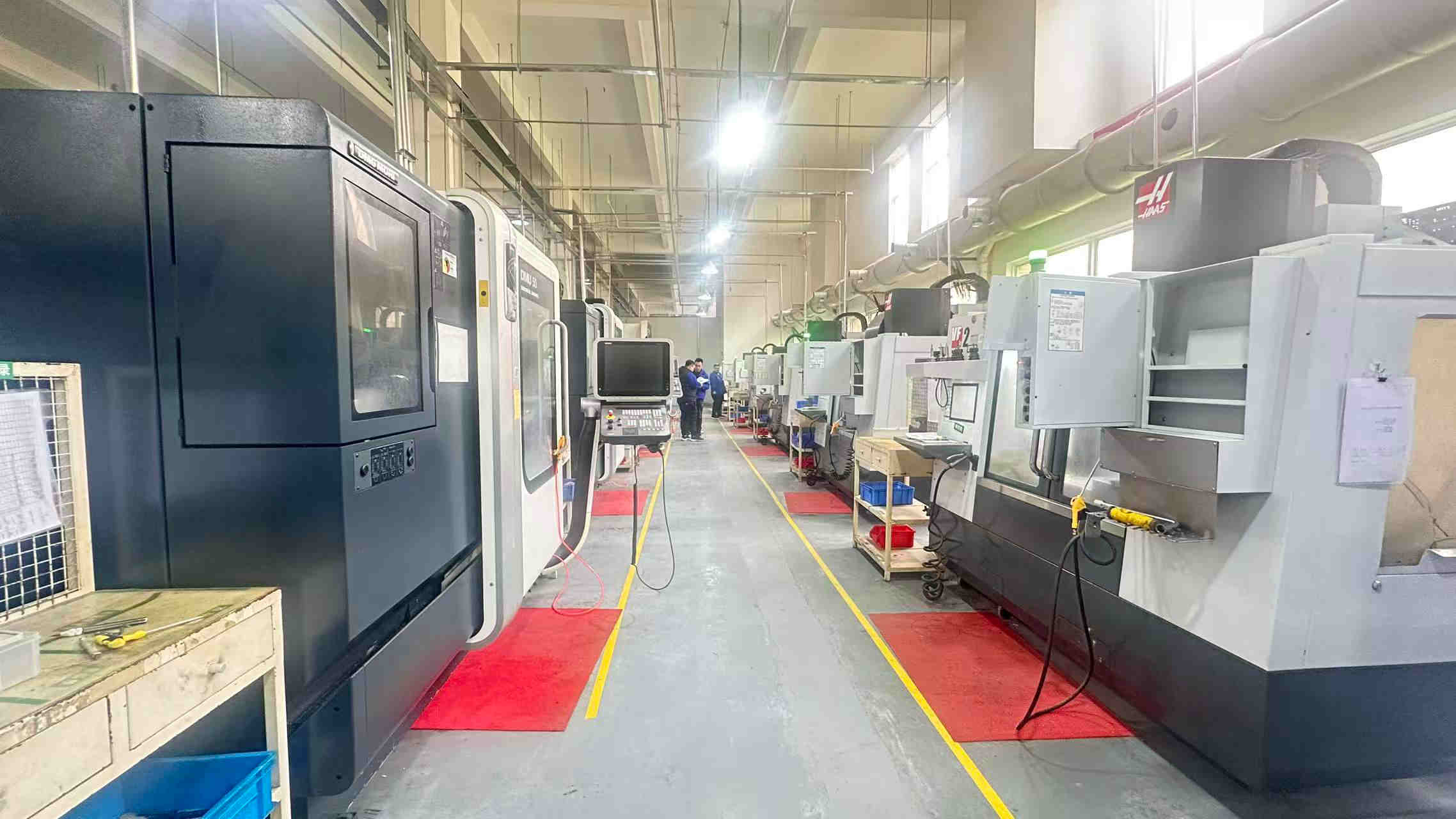
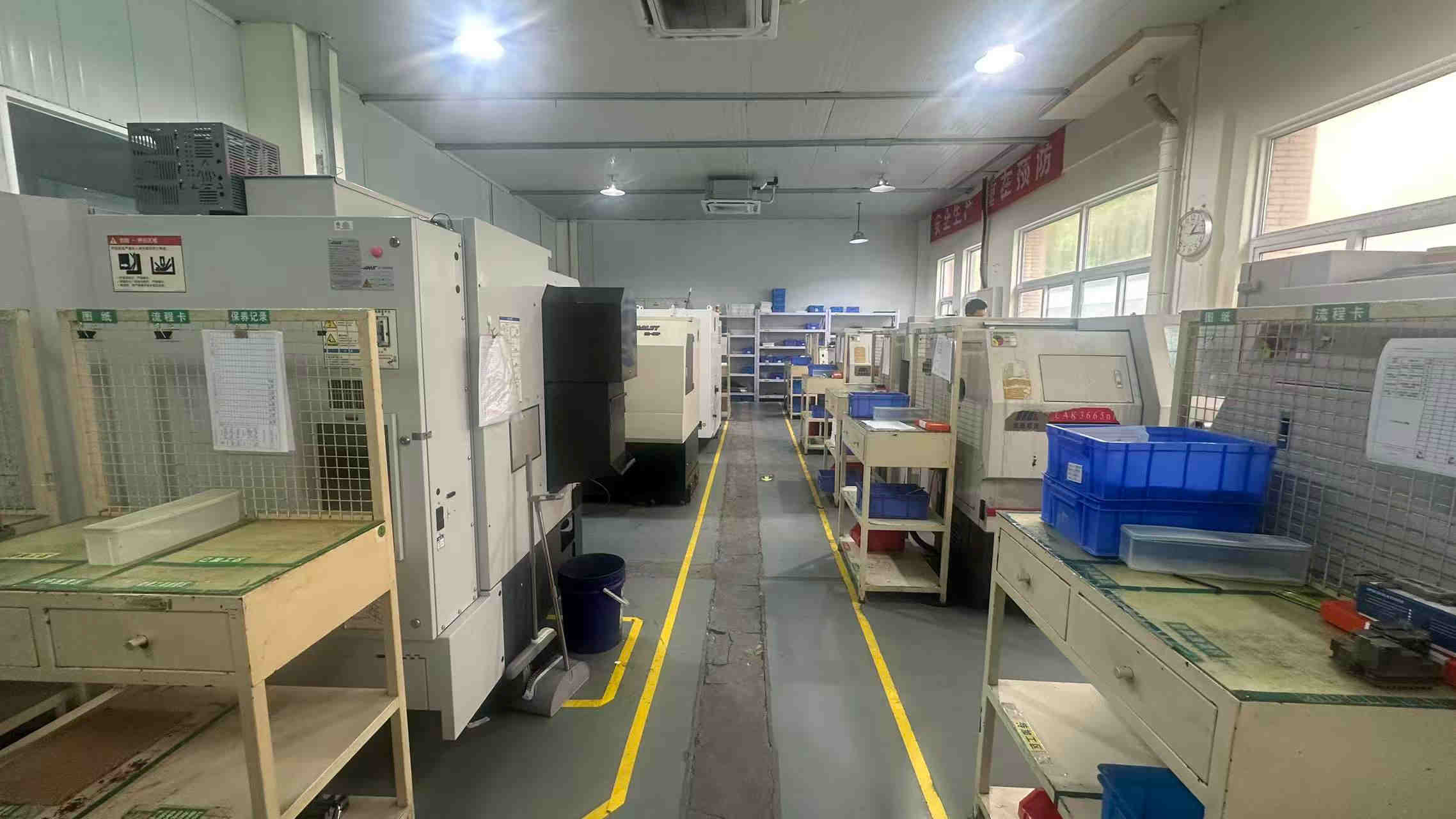
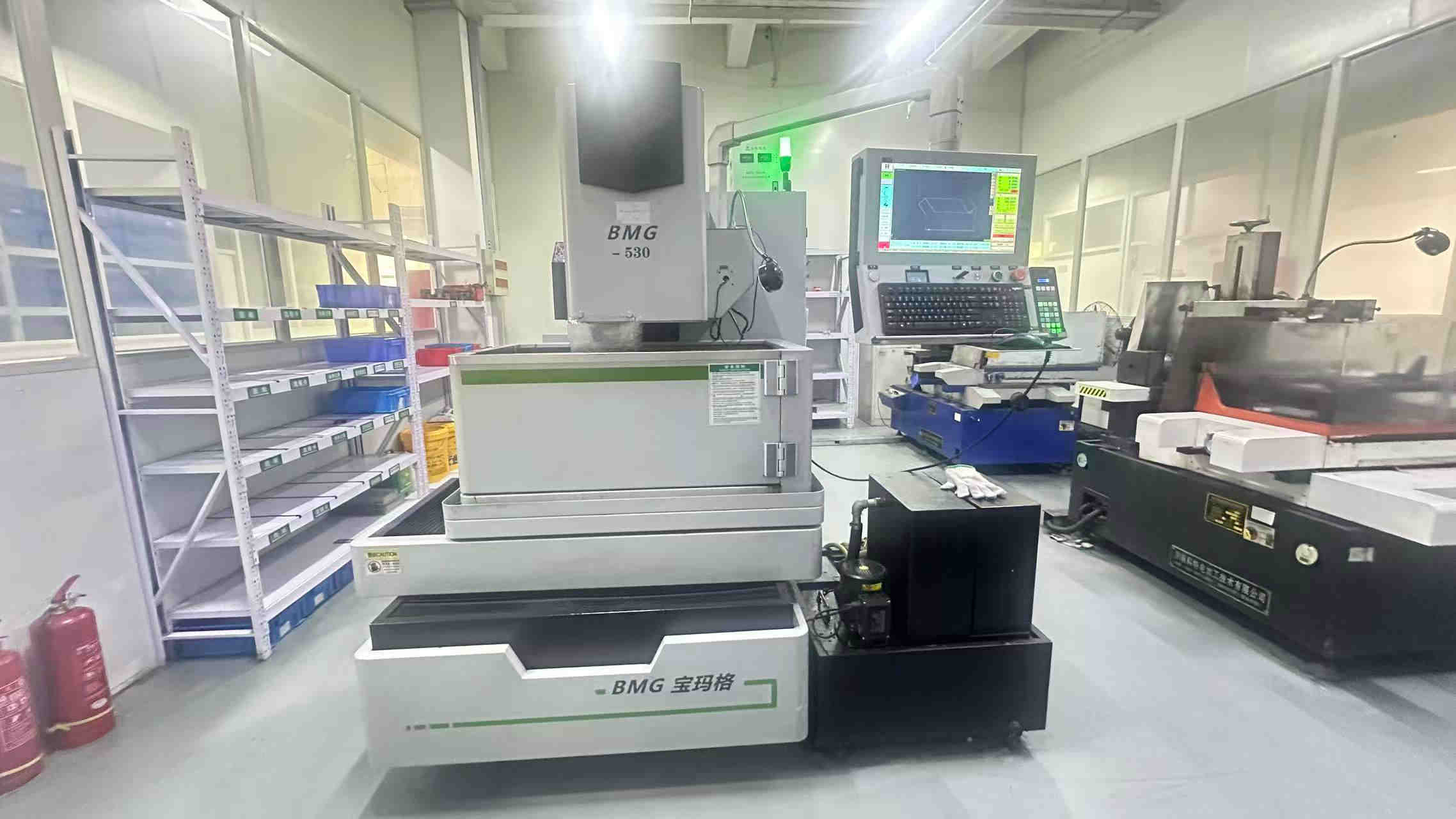
As orthopedists and clinical research teams require higher biocompatibility and improved osseointegration, the design of interference screws has moved past simple threading towards complex biomechanical designs. Our R&D department continues to investigate modifications that optimize mechanical performance while supporting patient healing cycles.
A critical challenge during ACL graft fixation is preventing thread slippage or pullout. The pullout force of an interference screw depends directly on the thread height, pitch, and length of the screw. A variable thread pitch helps increase structural holding power by compressing bone dynamically along the screw body, while a blunt-edged geometry reduces stress concentrations on soft-tissue grafts. Extensive finite element analysis (FEA) guides our design process to ensure our screws distribute mechanical stresses evenly across both cortical and cancellous bone structures.
The choice between PEEK (Polyether Ether Ketone) and Titanium (Ti-6Al-4V ELI) involves trade-offs between imaging characteristics and mechanical properties:
The next generation of bioabsorbable interference implants features composite materials, such as combining PLDLA with osteoconductive ceramics like Hydroxyapatite (HA) or Beta-Tricalcium Phosphate (β-TCP). These materials are designed to degrade gradually as new bone grows, leaving behind minimal polymer residue. This approach helps reduce the risk of localized inflammatory reactions and late-stage osteolysis, supporting the patient's long-term recovery.
Get answers to common technical, regulatory, and procurement questions regarding our interference screws and manufacturing processes.
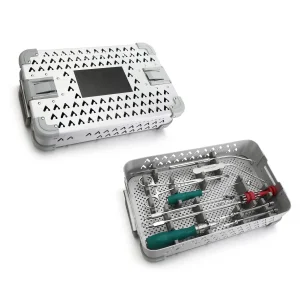
Explore our additional range of specialized suture anchors, precision instrument kits, and fixation systems built for modern orthopedics.
 Medev Medical