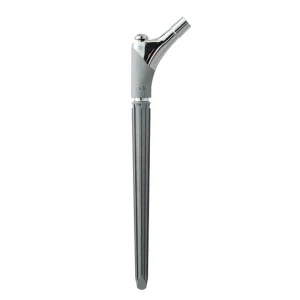
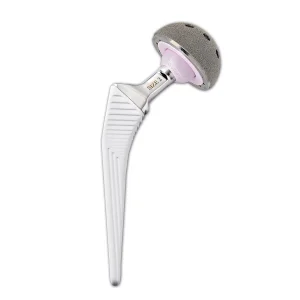
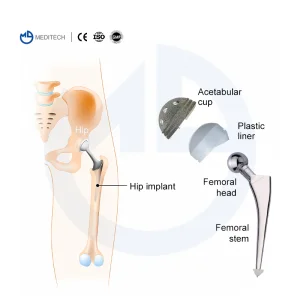
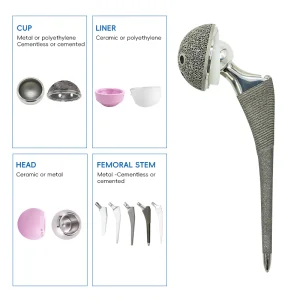
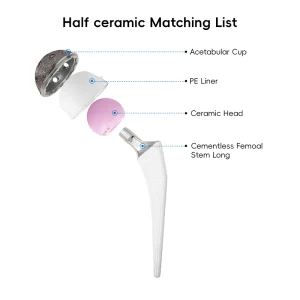
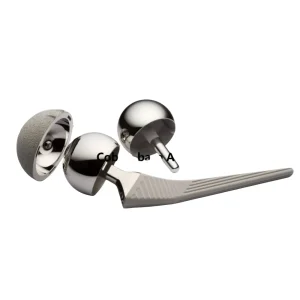
The global orthopedic market is undergoing a paradigm shift towards cementless fixation technologies. Unlike traditional cemented implants that rely on bone cement (PMMA) for stability, cementless hip implants utilize a "press-fit" mechanism and specialized surface coatings to encourage osseointegration—the biological bonding of bone to the implant surface.
Industrial Growth: The market for cementless total hip arthroplasty (THA) is projected to grow at a CAGR of 6.5% over the next decade, driven by younger, more active patient demographics who require long-lasting implant solutions that can withstand high mechanical stress.
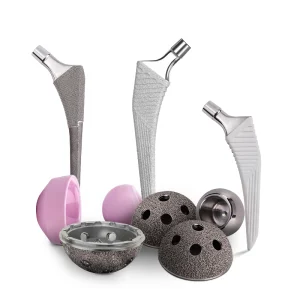
Manufacturers in China, specifically top-tier factories like Chengdu Medev, are at the forefront of this evolution, integrating Plasma-sprayed Titanium and Hydroxyapatite (HA) coatings to maximize the primary and secondary stability of femoral stems and acetabular cups.
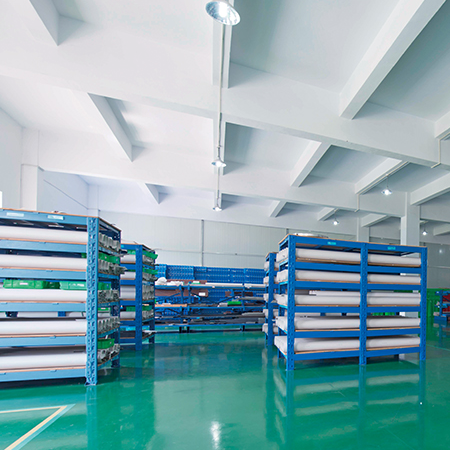
Utilization of Ti6Al4V ELI and CoCrMo alloys for superior biocompatibility and fatigue resistance.
Sub-micron tolerance levels achieved through advanced CNC and Swiss-type machining centers.
Documented high survivorship rates in clinical studies across 120+ countries worldwide.
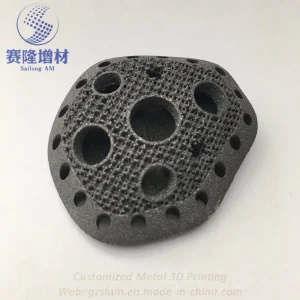
The latest trend in cementless hip manufacturing is the application of 3D-printed trabecular structures. These biomimetic surfaces mimic human cancellous bone, providing an ideal scaffold for bone ingrowth. Global procurement managers from leading hospitals in the USA, Europe, and UAE are increasingly prioritizing suppliers who can offer 3D-printed components to reduce "stress shielding" effects.
Procurement for orthopedic implants is no longer just about price; it's about the Total Cost of Care. Key requirements include:
In regions like North America and Europe, the primary application is treating advanced osteoarthritis in aging populations. Cementless stems are preferred here for their long-term fixation stability. Conversely, in Asian markets, we see a high incidence of Developmental Dysplasia of the Hip (DDH), requiring specialized, smaller-diameter acetabular cups and modular femoral necks which Medev proudly manufactures.
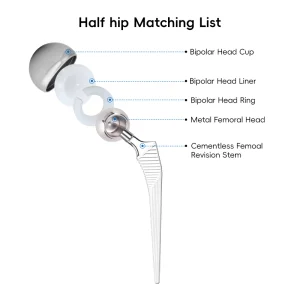
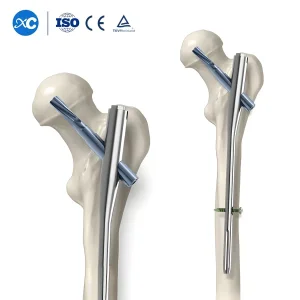
In emerging markets with high industrial and transport activity, cementless hemiarthroplasty is a critical solution for femoral neck fractures in active elderly patients, allowing for quicker post-operative mobilization compared to traditional methods.
Founded in 2001, Chengdu Medev Medical Instruments Co., Ltd. is a pioneer in the Chinese orthopedic industry.
With a registered capital of 20 million Yuan and a floor area of over 15,000 m², we specialize in the research, design, and manufacturing of high-end orthopedic implants. We adhere to the ‘people-oriented, integrity first, continuous innovation, the pursuit of excellence’ concept.
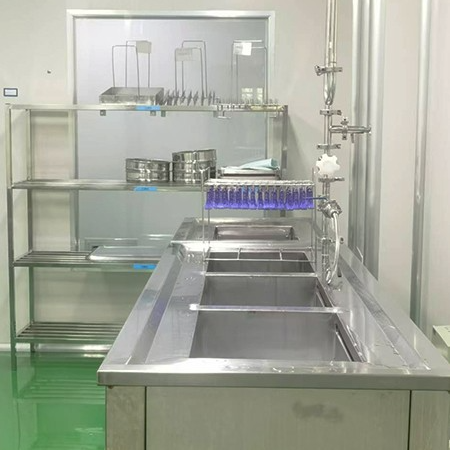
Cleaned implants have a cleaner surface, helping to reduce the risk of post-operative infection. Ensures that the implant is safer to apply to the patient during surgery.
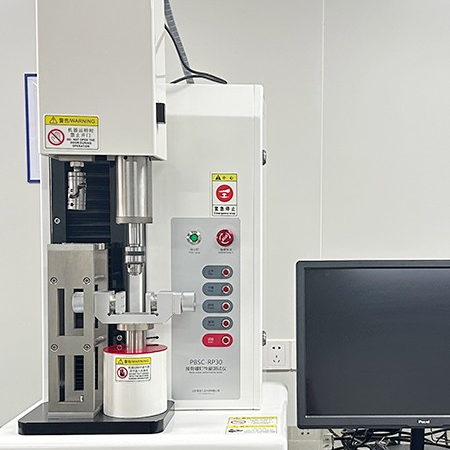
Tests the tensile strength, yield strength and elongation of materials. Simulates the tensile forces to which the implant is subjected in the body.
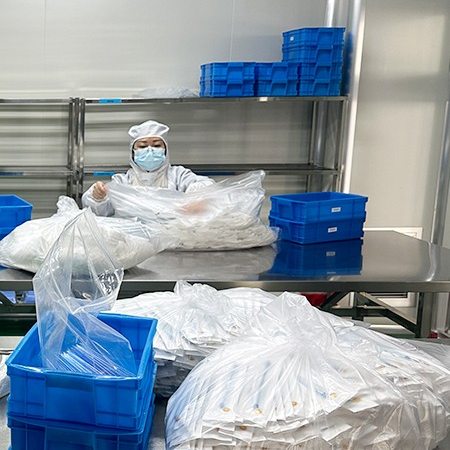
Packaging ensures a good seal to prevent contaminants. We use heat sealing and pressing to ensure the absolute integrity of every sterile package.
Cementless hip implants, also known as press-fit implants, have revolutionized the field of orthopedic surgery. Since their inception, the primary goal has been to achieve a "living" interface between the human bone and the artificial prosthesis. This is achieved through a multi-stage process of fixation. The initial stability is mechanical, where the surgeon prepares the femoral canal or the acetabular socket to a size slightly smaller than the implant itself. This creates an interference fit that holds the implant securely in place immediately after surgery.
The secondary stability, however, is what makes cementless technology superior for long-term outcomes. Through the application of porous coatings—often made from titanium wire mesh, sintered beads, or plasma-sprayed powders—the bone is encouraged to grow into the pores of the implant. This process, known as osseointegration, creates a biological bond that is significantly more durable than the chemical bond of bone cement, which can degrade over time and lead to aseptic loosening.
As a leading China cementless hip implants manufacturer, Chengdu Medev utilizes state-of-the-art metallurgical processes. Our titanium alloy (Ti-6Al-4V) components are chosen for their high strength-to-weight ratio and low modulus of elasticity, which is closer to that of human bone compared to stainless steel. This helps in reducing "stress shielding"—a phenomenon where the implant carries too much load, causing the surrounding bone to atrophy due to lack of stimulation.
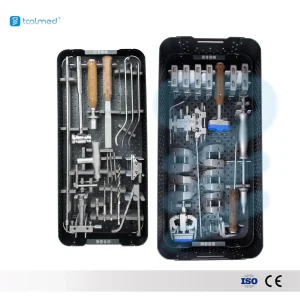
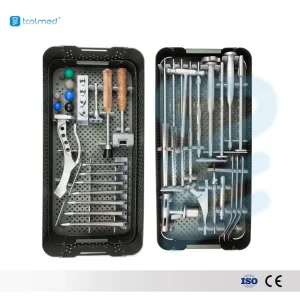
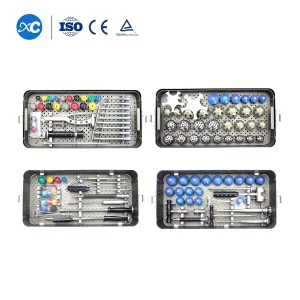
The global demand for these implants is surging not only in developed nations with aging populations but also in developing economies where healthcare infrastructure is expanding rapidly. Procurement officers now look for "One-Stop-Shop" solutions where they can source the implants, the sterile packaging, and the high-precision instrument sets required for the surgery from a single, reliable factory. This is where Chengdu Medev excels, offering a vertically integrated supply chain that ensures quality control at every step, from raw material ingot to final sterilized product.
Furthermore, the advent of AI and robotic-assisted surgery is placing new demands on manufacturers. Implants must now be compatible with navigation systems and robotic arms that require highly predictable geometries. Our R&D team works closely with surgical consultants to ensure that our femoral stems and acetabular cups are optimized for both traditional and minimally invasive surgical (MIS) approaches.
 Medev Medical