Explore our elite-grade surgical implants and advanced medical devices manufactured under rigorous international specifications.
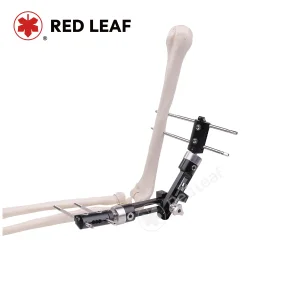
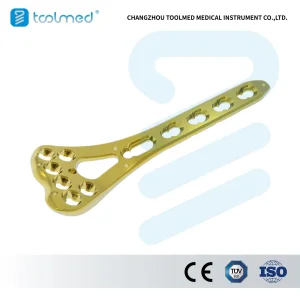
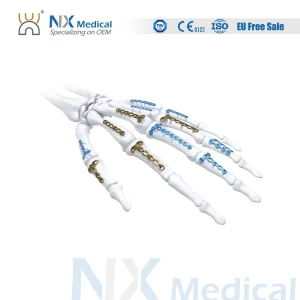
Founded in 2001, Chengdu Medev Medical Instruments Co., Ltd. spans a modern manufacturing facility of 18,000 ㎡, featuring a floor area of over 15,000 ㎡. With a registered capital of 20 million Yuan, we specialize in high-end product research, precise structural design, and cleanroom manufacturing of orthopedic implants and biomaterial instruments.
As an industry leader, our robust manufacturing capabilities allow us to support over 1,000+ clinical and distributor partners across 120+ countries for more than two decades. Guided by the values of "people-oriented, integrity first, continuous innovation, and the pursuit of excellence," we are dedicated to protecting human health through reliable surgical solutions.
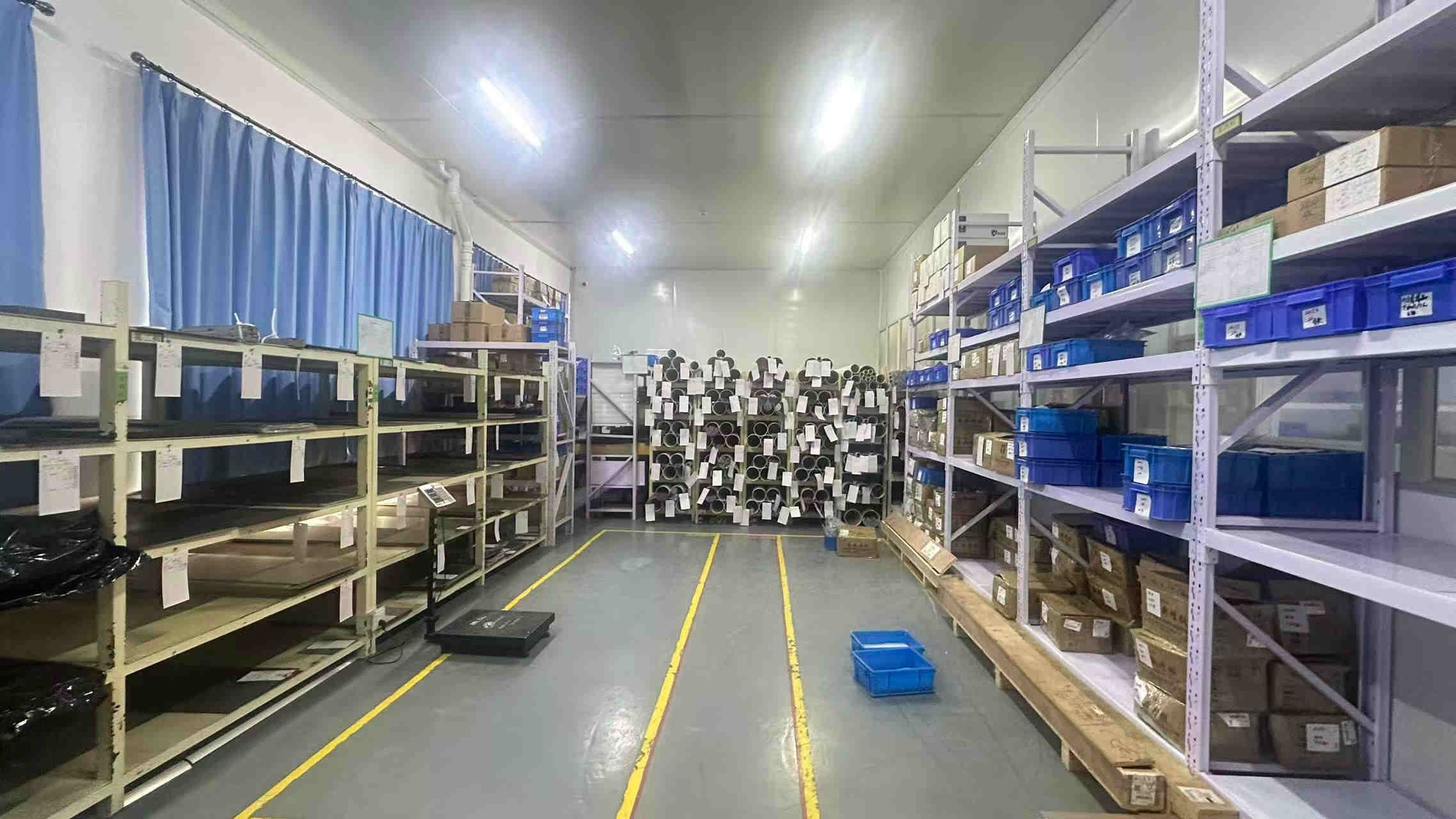
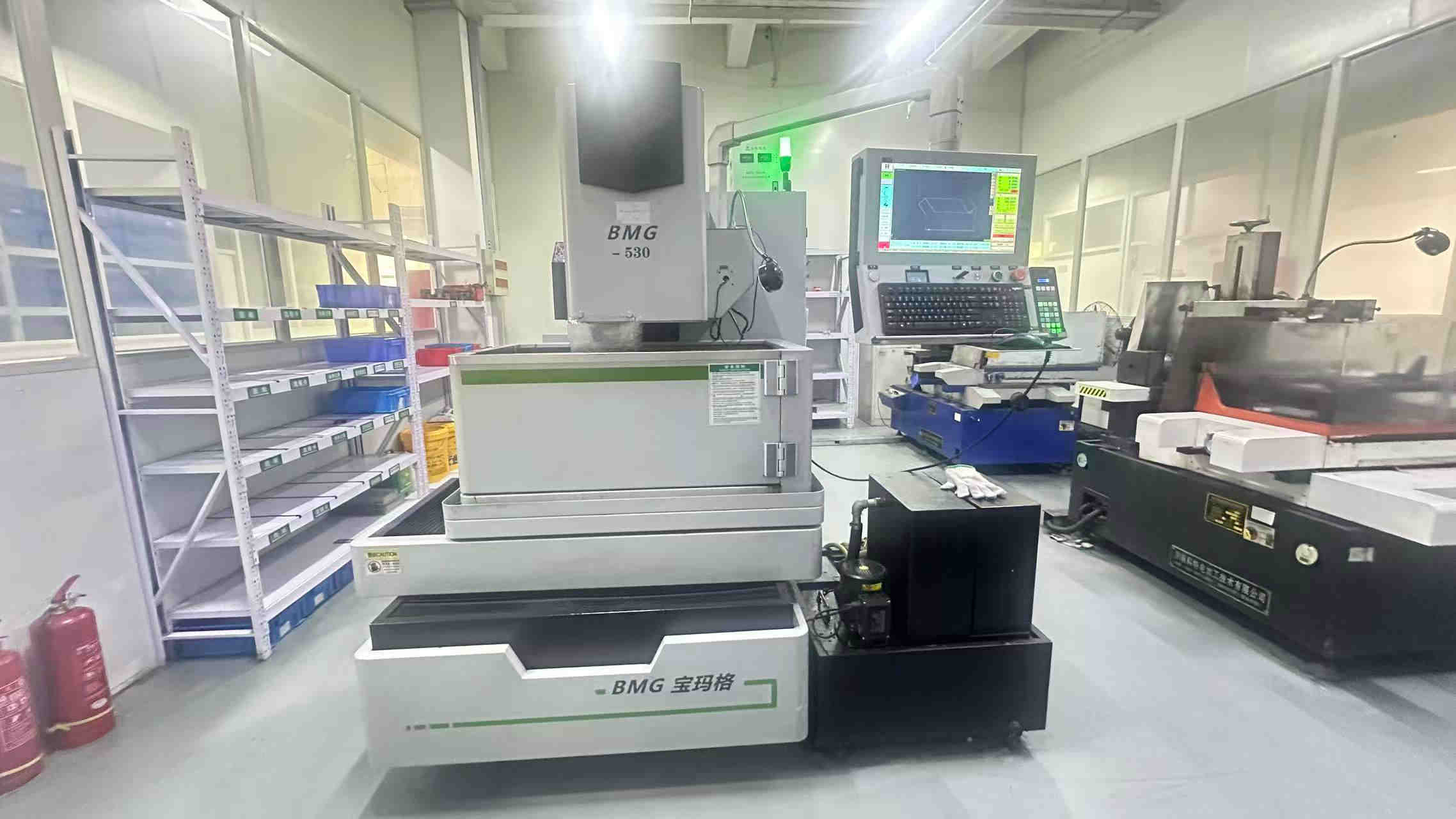
"Our state-of-the-art infrastructure integrates raw material testing, advanced CNC machining, precision cleaning, and sterile validation to produce implants that surgeons rely on globally."
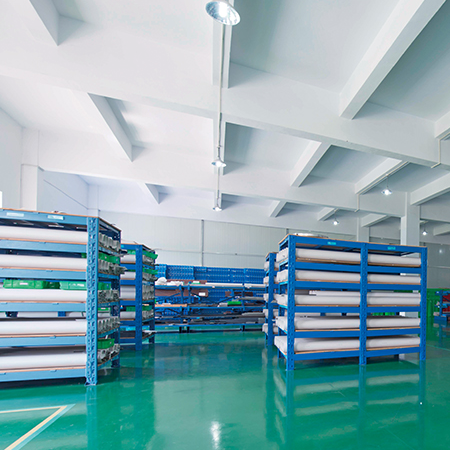
Technological shifts, clinical requirements, and material innovation shaping the future of musculoskeletal reconstruction.
Traditional bone grafting relied heavily on autografts, which present secondary surgery complications. Modern clinical demands have driven a dramatic transition toward synthetic bone graft materials like Beta-Tricalcium Phosphate (β-TCP) and Hydroxyapatite (HA). These materials act as osteoconductive scaffolds, facilitating cellular attachment and vascularization while systematically degrading to match natural bone growth rates.
Next-generation bone grafts prioritize micro- and macro-porosity control (ranging from 100 to 500 microns) to emulate natural trabecular bone structure. This allows optimal nutrient transfer and tissue infiltration, accelerating osteointegration. Advanced manufacturing ensures that mechanical integrity is preserved despite the high porosity required for cell migration.
Orthopedic implants are increasingly treated with bioactive technologies (such as PVD plasma spray systems and hydroxyapatite coatings) to stimulate bone cells directly. This accelerates osseointegration at the metal-implant interface, reducing patient recovery times and preventing joint loosening in load-bearing applications.
Evaluating core challenges for medical device distributors, hospitals, and orthopedic implant importers worldwide.
In the highly regulated medical device sector, supply chain delays can interrupt critical surgical schedules. Procurement managers prioritize factories with reliable production capacity and cleanroom capabilities. Chengdu Medev mitigates supply chain risks by maintaining robust stock levels of raw titanium materials and synthetic precursors, supported by vertically integrated manufacturing processes from machining to sterile packaging.
Exporting orthopedic systems requires compliance with diverse regulatory frameworks, including European Medical Device Regulations (MDR), US FDA clearances, and regional registrations. Working with a verified manufacturer that possesses comprehensive documentation (including ISO 13485 quality control records and biocompatibility testing data) streamlines customs clearance and local medical registrations.
From raw materials to sterile packaging, discover the critical stages of our manufacturing process.
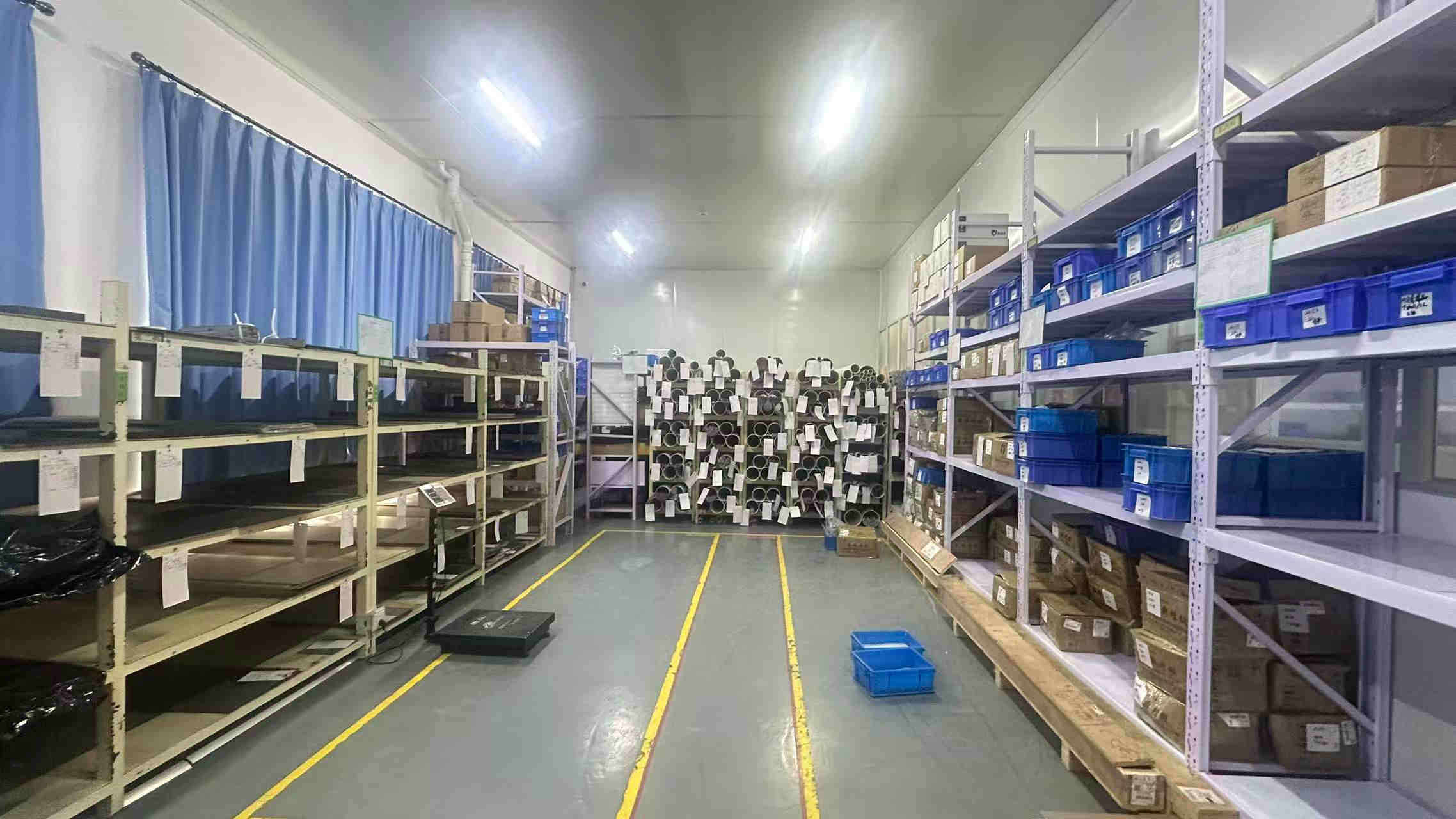
We source medical-grade titanium alloys (ASTM F136) and engineered biomaterials, verified by batch testing for chemical composition and mechanical properties.
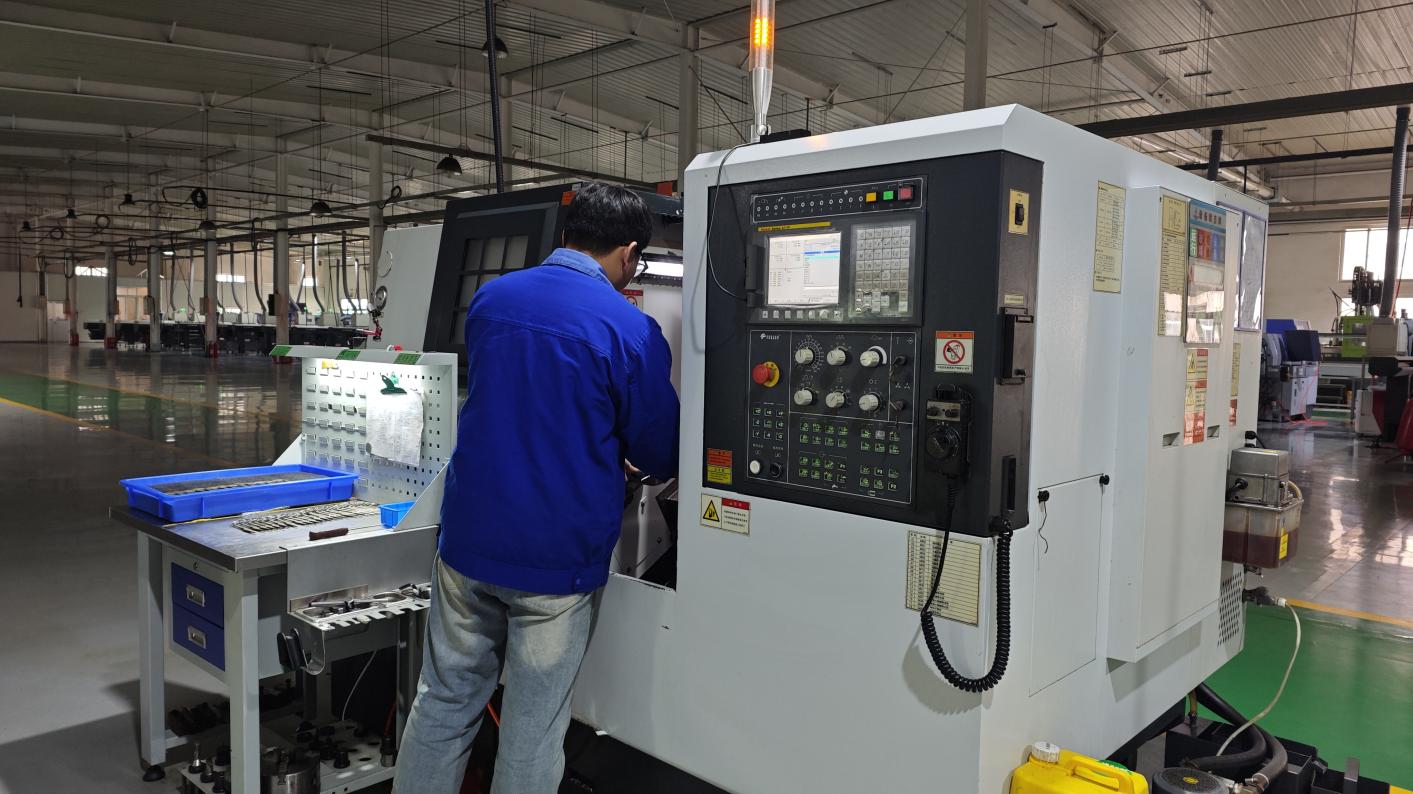
Using advanced multi-axis CNC machines, raw metals are shaped into complex implant geometries with micron-level tolerances.
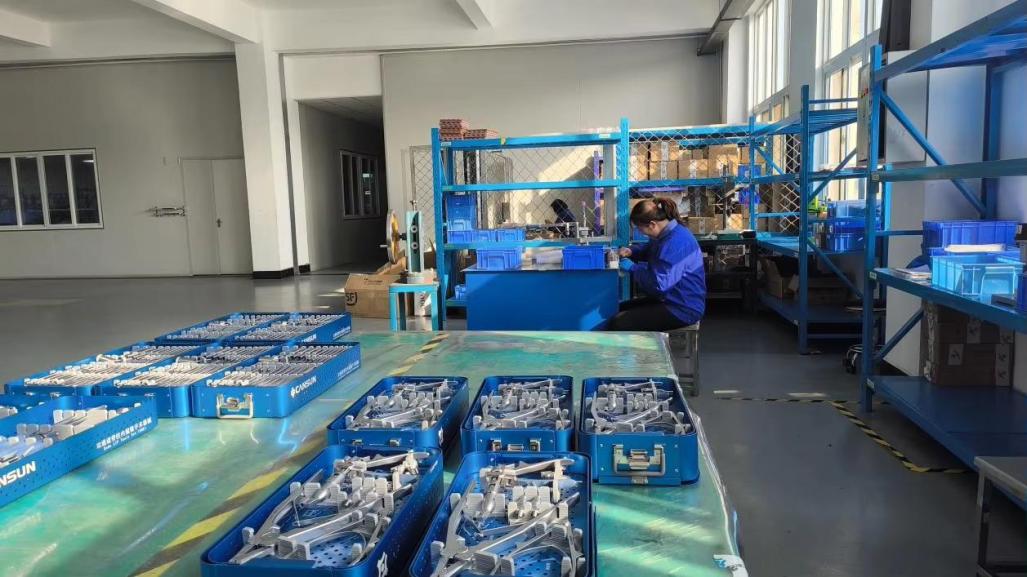
Highly trained technicians assemble dynamic components under cleanroom conditions, ensuring precise fits and optimal mechanical motion.
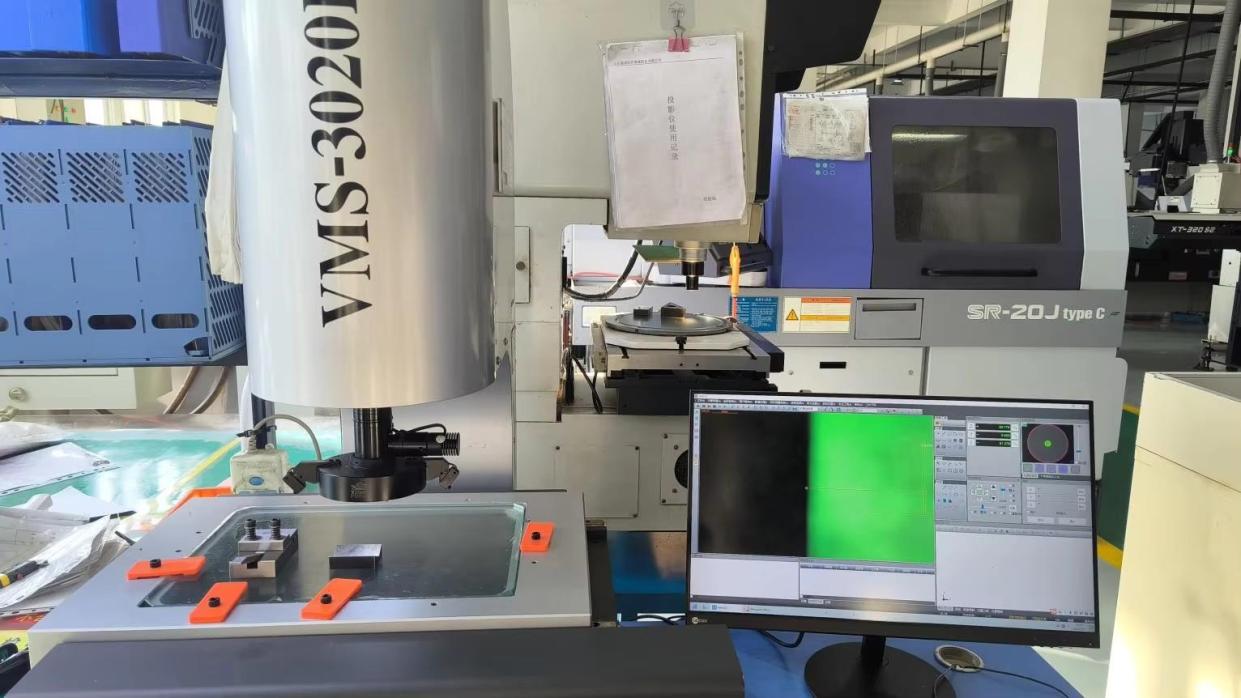
Every dynamic implant assembly undergoes articulation testing and alignment validation to ensure seamless mechanical movement.
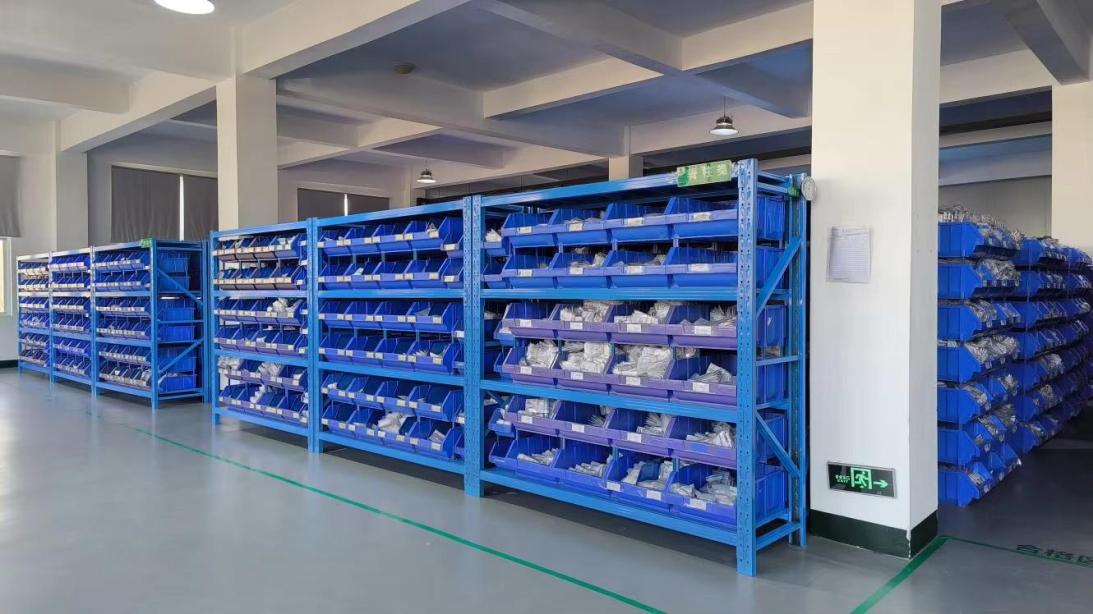
Implant surfaces are finished to remove microscopic imperfections, improving bio-inert performance and surface integration.
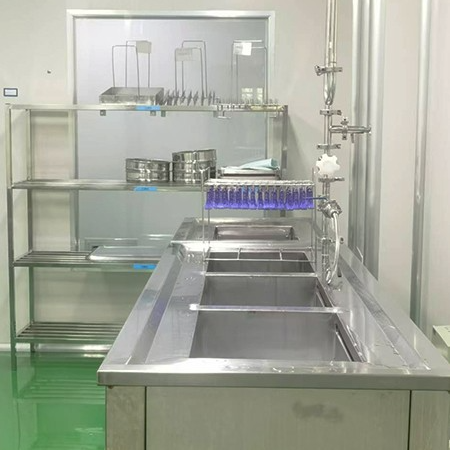
Implant surfaces must be free of machining lubricants and particles. Our multi-stage ultrasonic cleaning line eliminates contamination, preparing surfaces for sterilization and lowering post-operative infection risks.
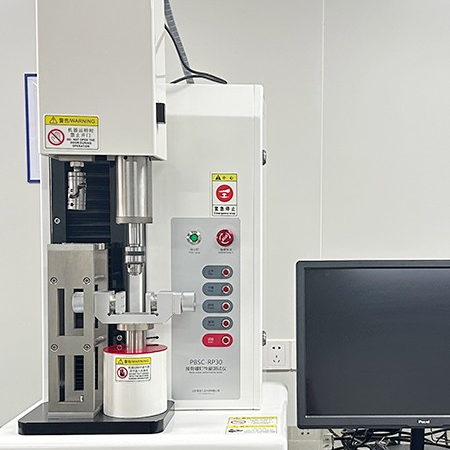
We test material tensile strength, yield limits, and elongation behavior. Micro-hardness and stress testing simulate the anatomical load profiles that implants experience inside the body.
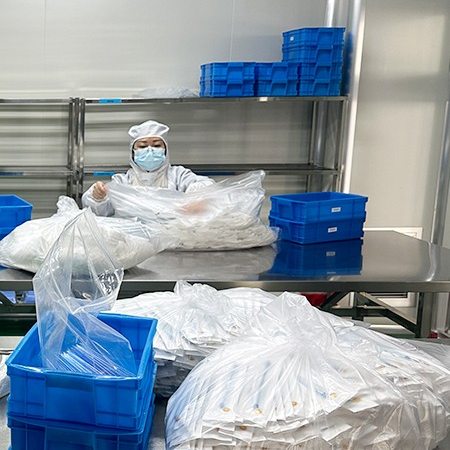
Within our Class 100,000 cleanroom environment, products are sealed in certified sterile packaging, utilizing heat-sealed Tyvek pouches to prevent particulate contamination.
A glimpse inside our ISO-certified facilities, cleanrooms, and testing infrastructure.
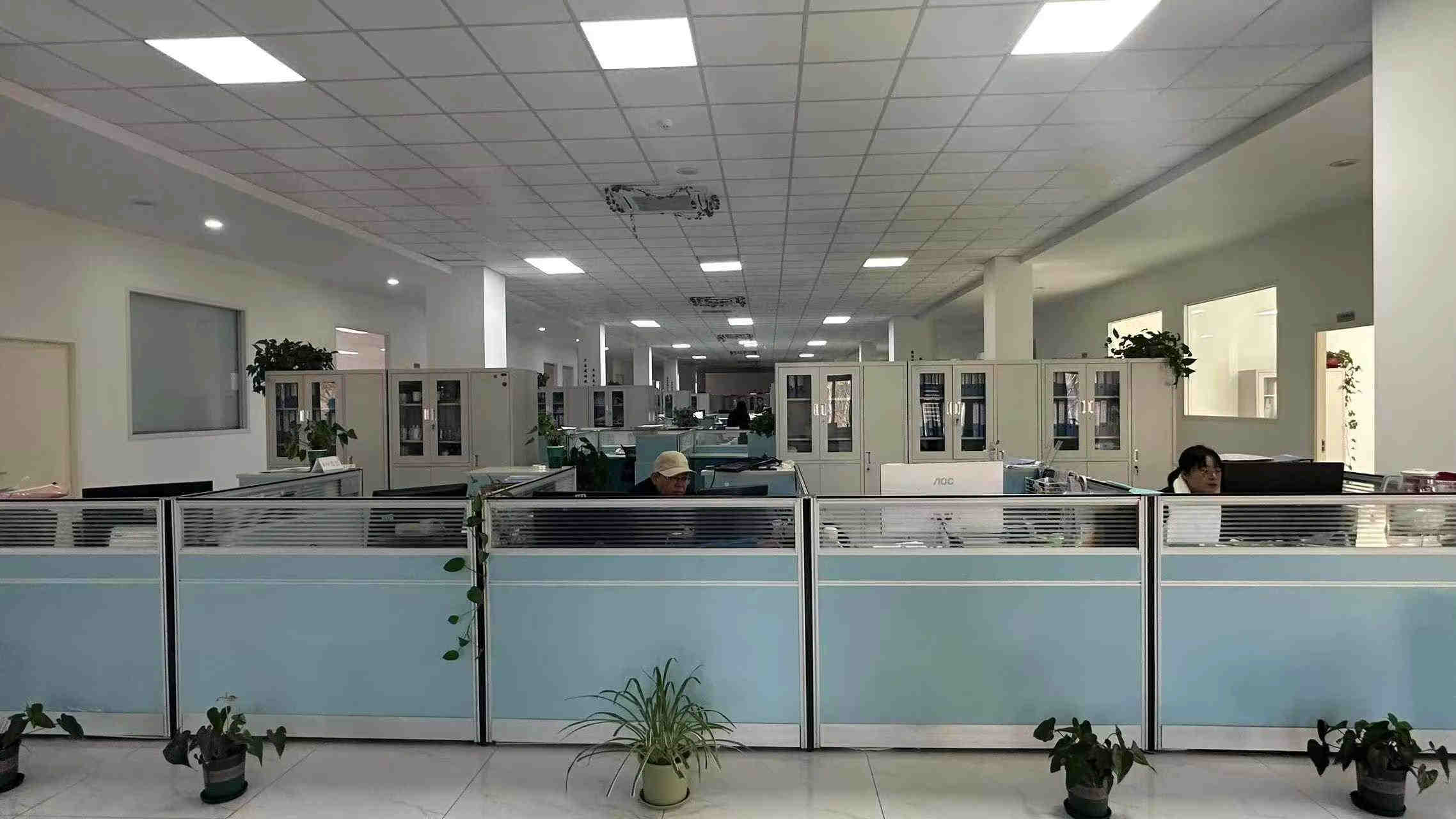
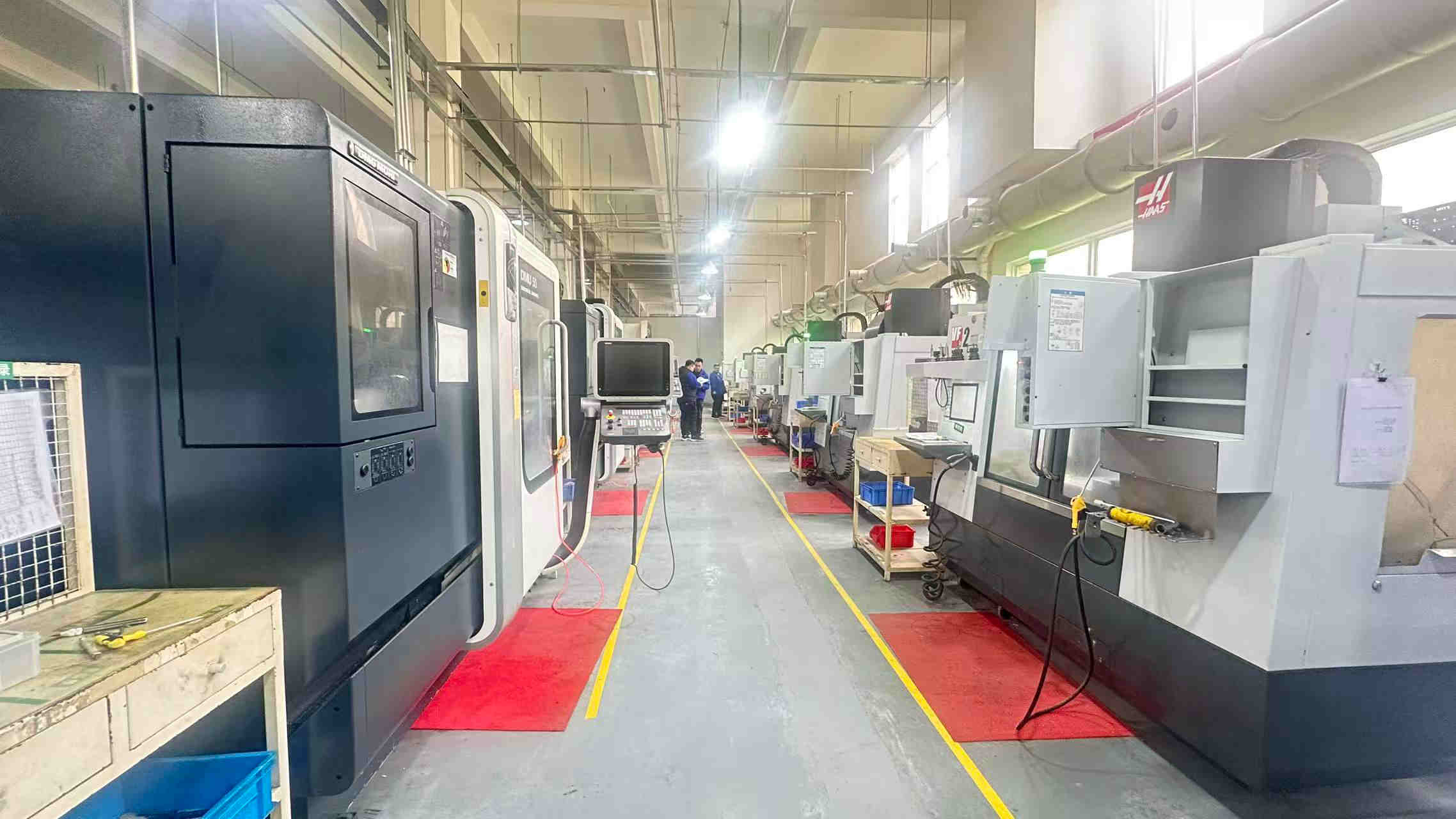
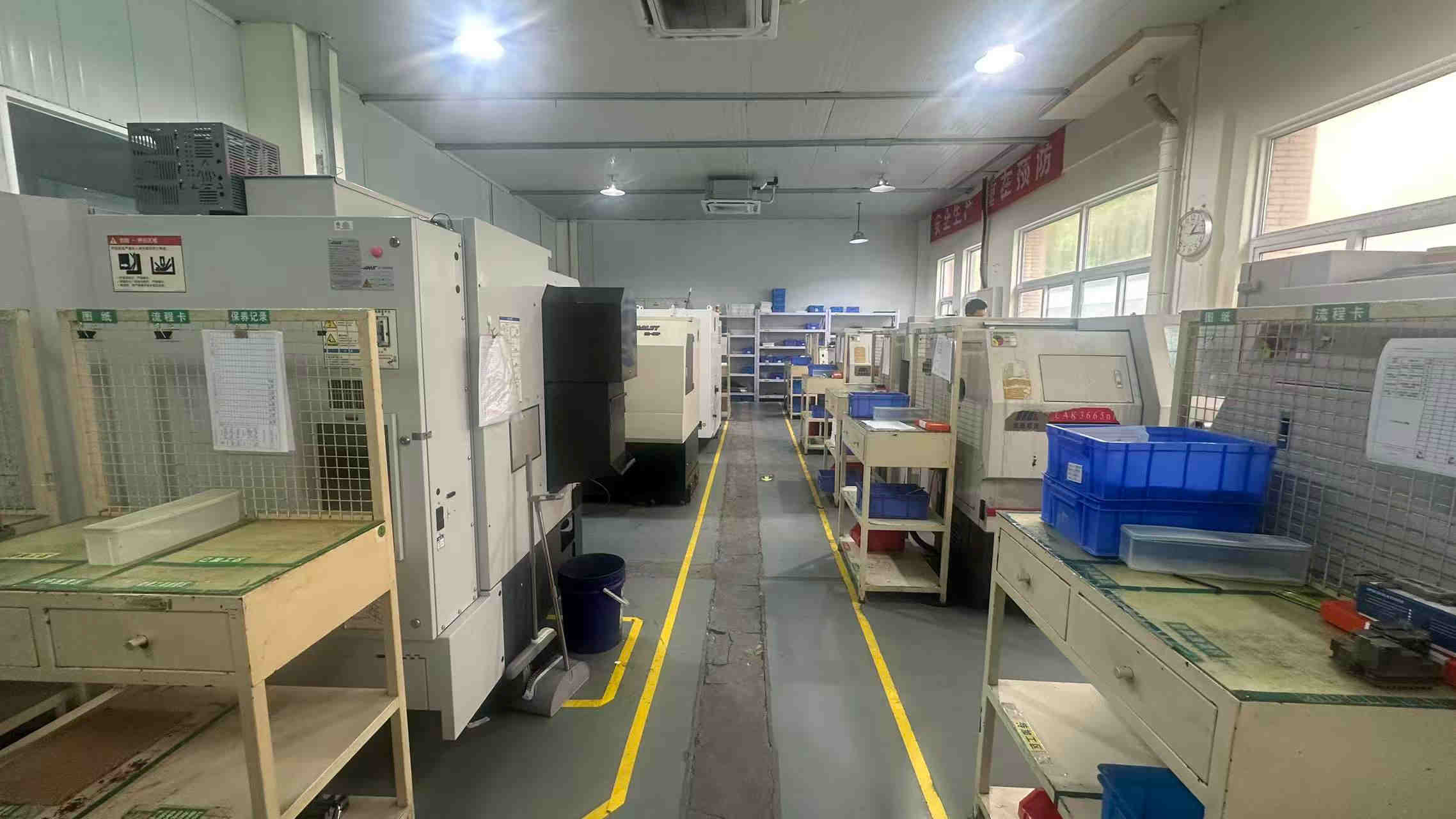
How our quality management systems support local registration and patient safety globally.
Navigating varying regional regulations is a key hurdle for medical device distributors. We offer comprehensive support files, including tech dossiers, raw material certifications, sterilization validations, and clinical evaluation summaries, to assist in regulatory registration processes globally.
Our quality management system is fully certified to ISO 13485. Every batch of implants is traceable to its original raw material heat number, ensuring transparency and quality assurance.
In accordance with ISO 10993 standards, our materials undergo exhaustive biocompatibility testing, including cytotoxicity, irritation, sensitization, and subchronic systemic toxicity evaluations. This confirms our implants do not trigger adverse biological reactions and successfully promote osseointegration.
Innovating today to build the tissue-engineering and orthopedic solutions of tomorrow.
Developing synthetic bone matrix composites enriched with recombinant bone morphogenetic proteins (rhBMPs) and cell adhesion peptides to actively trigger local osteoblastic activity and accelerate skeletal healing.
Leveraging high-resolution additive manufacturing and medical imaging (CT/MRI) data to print patient-matched titanium mesh and calcium-phosphate scaffolds, providing a perfect anatomical fit for complex skeletal defects.
Researching magnesium-alloy osteosynthesis plates and screws designed to provide stable mechanical fixation during healing, then naturally resorb to eliminate the need for secondary implant removal surgeries.
Expert answers to common questions about bone grafts, regulatory compliance, and implant procurement.
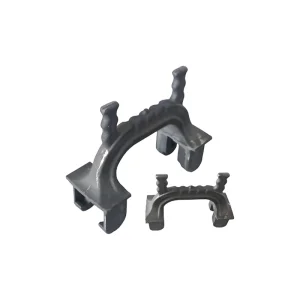
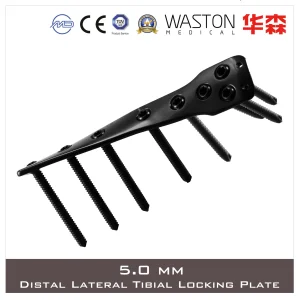
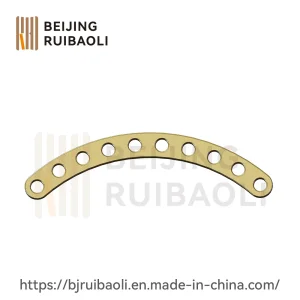
Explore our external fixation frames, compression plates, and specialty medical hardware.
 Medev Medical