High-precision orthopedic implants, surgical system instrumentation, and specialized components developed for global healthcare providers and medical brands.
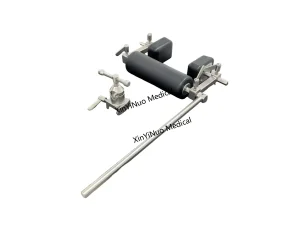
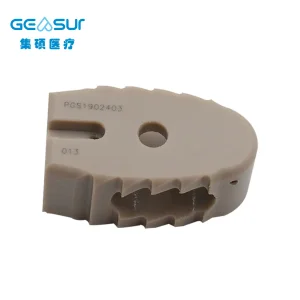
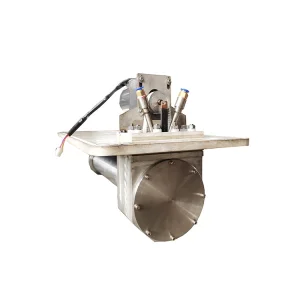
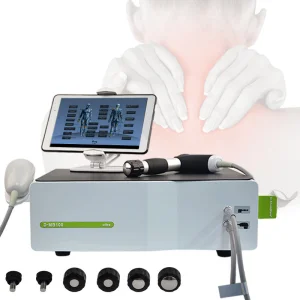
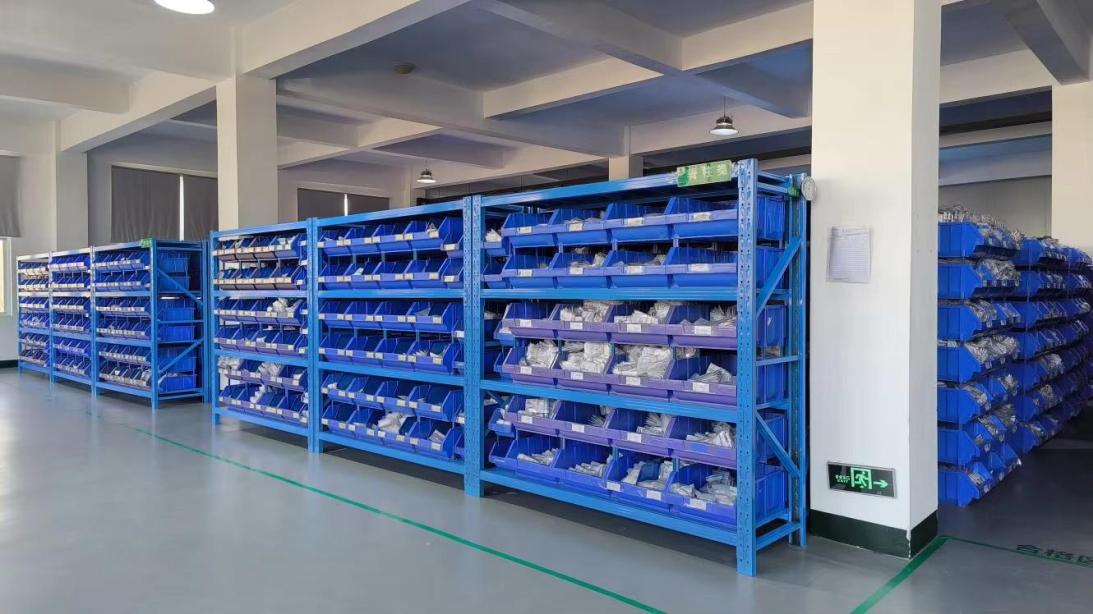
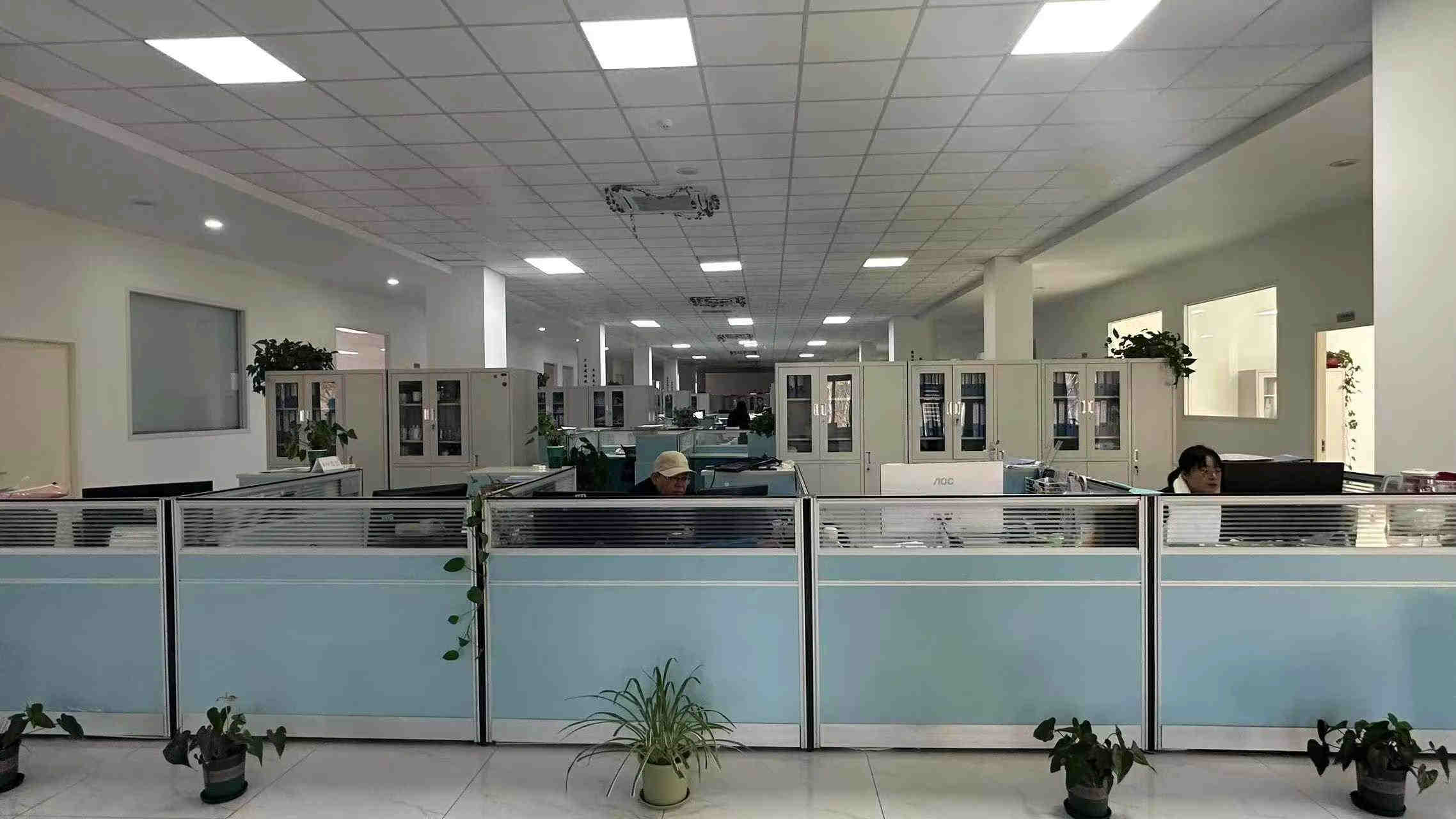
Founded in 2001, Chengdu Medev Medical Instruments Co., Ltd. spans a state-of-the-art production area of 18,000 ㎡ (with a physical floor area exceeding 15,000 ㎡). Backed by a robust registered capital of 20 million Yuan, we operate as a leading pioneer in the research, design, development, and high-precision manufacturing of complex orthopedic implants and surgical instruments.
For over two decades, our adherence to a "people-oriented, integrity first, continuous innovation, and the pursuit of excellence" philosophy has allowed us to deliver critical surgical platforms that guard human health worldwide.
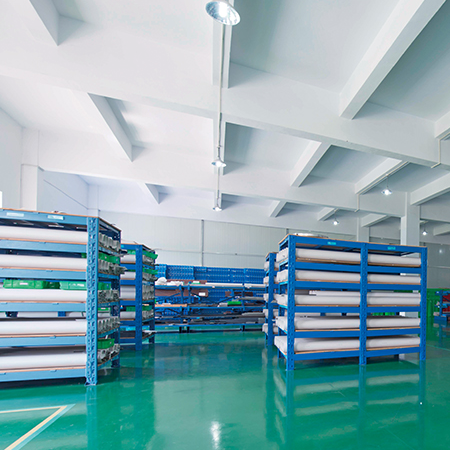
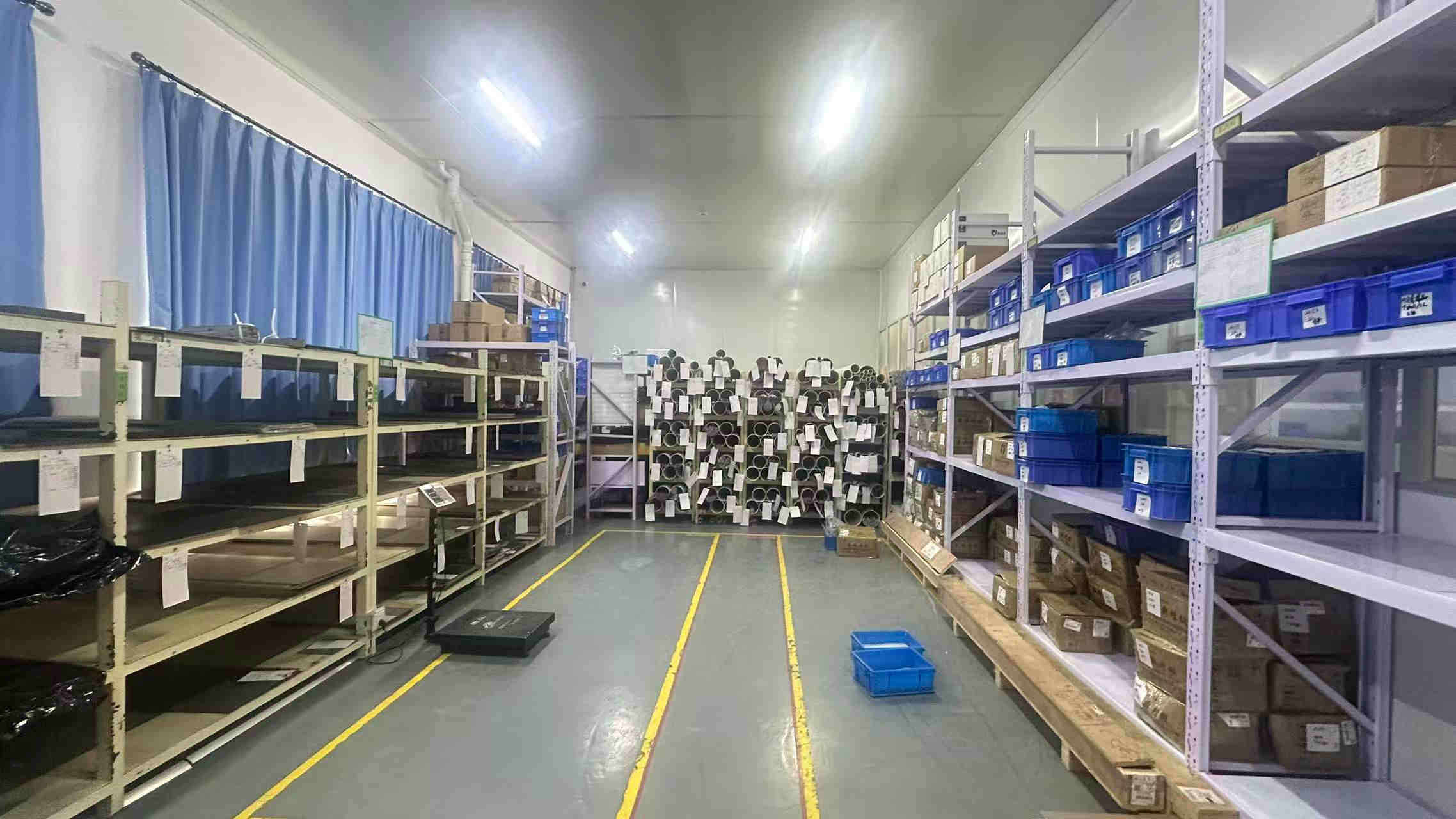
Every implant and surgical tool undergoes intensive material validation, micro-cleansing, and class-certified aseptic packaging to guarantee optimal bio-safety in vivo.
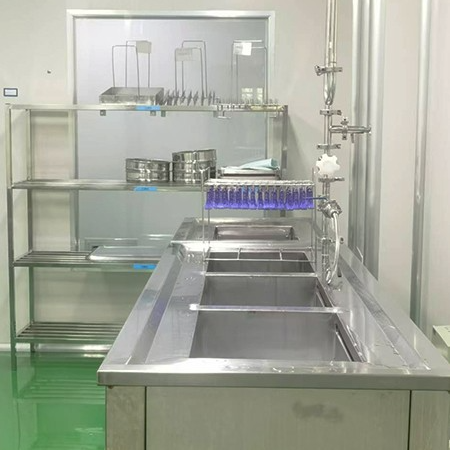
Cleaned implants exhibit a pristine surface profile, completely removing manufacturing oils, particulate residue, and microbial bio-burden. This significantly lowers the risk of post-operative surgical site infections (SSI).
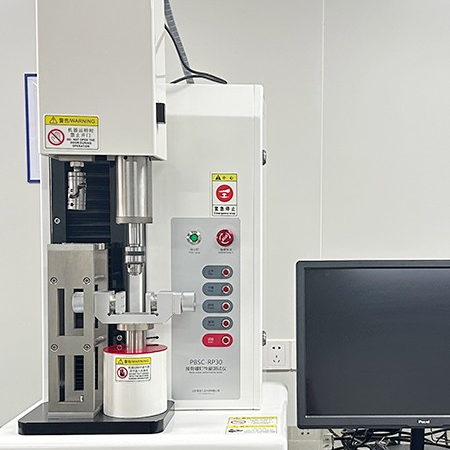
Our laboratory rigorously verifies mechanical performance parameters: tensile strength, yield strength, and elongation profiles. This ensures that every orthopedic component mimics the physiological load capacity required in vivo.
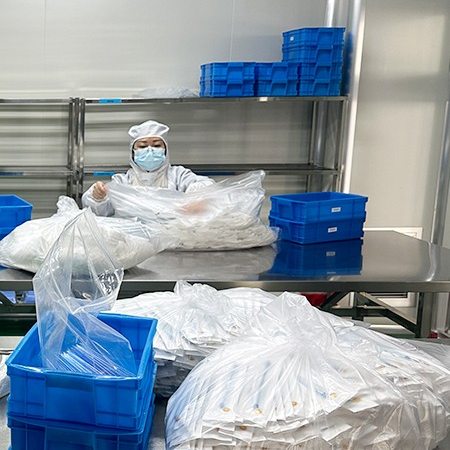
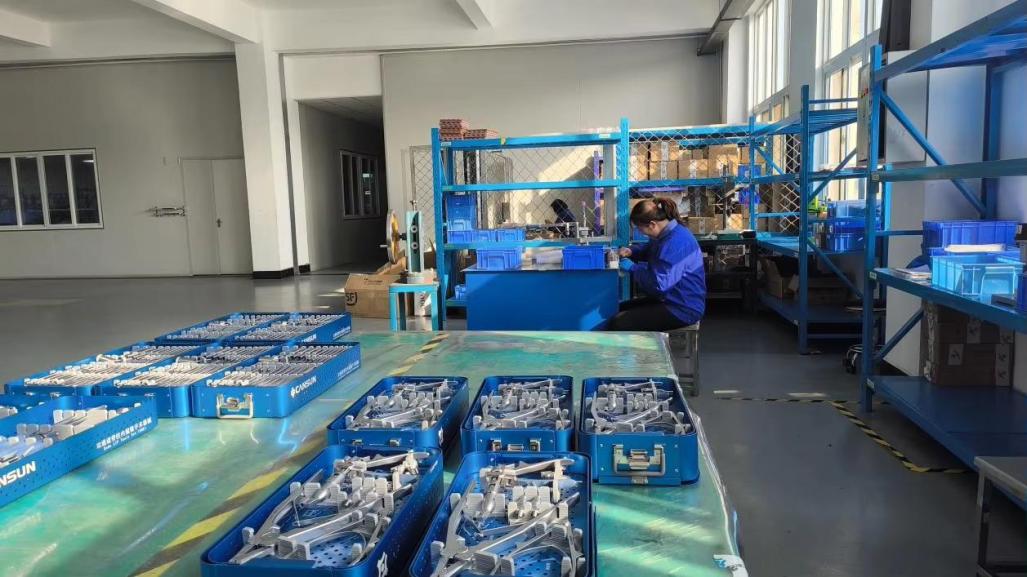
Conducted within a class-certified cleanroom. The packaging utilizes premium sterile barrier systems with thermal sealing, high-compression pressing, and bio-compatible adhesive boundaries to lock out atmospheric contaminants.
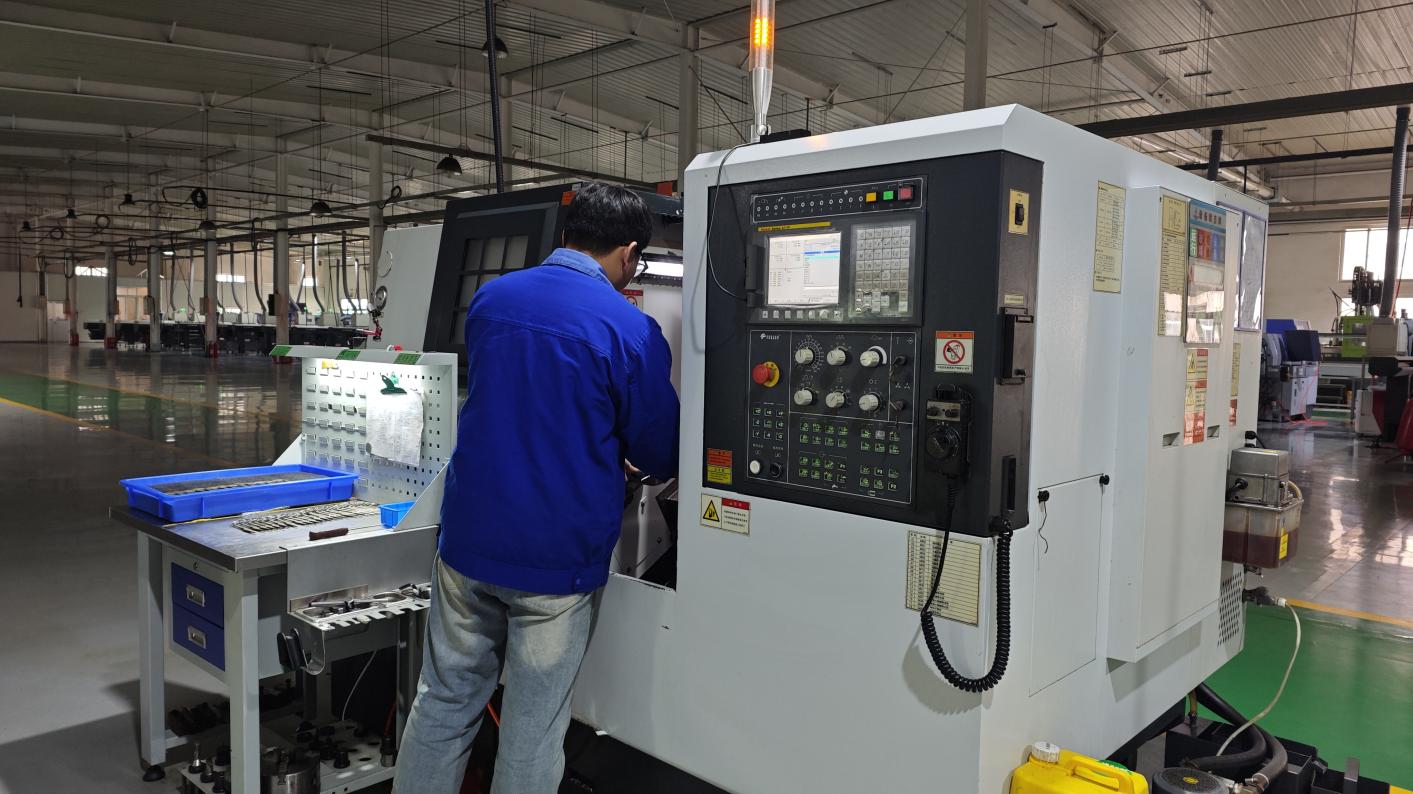
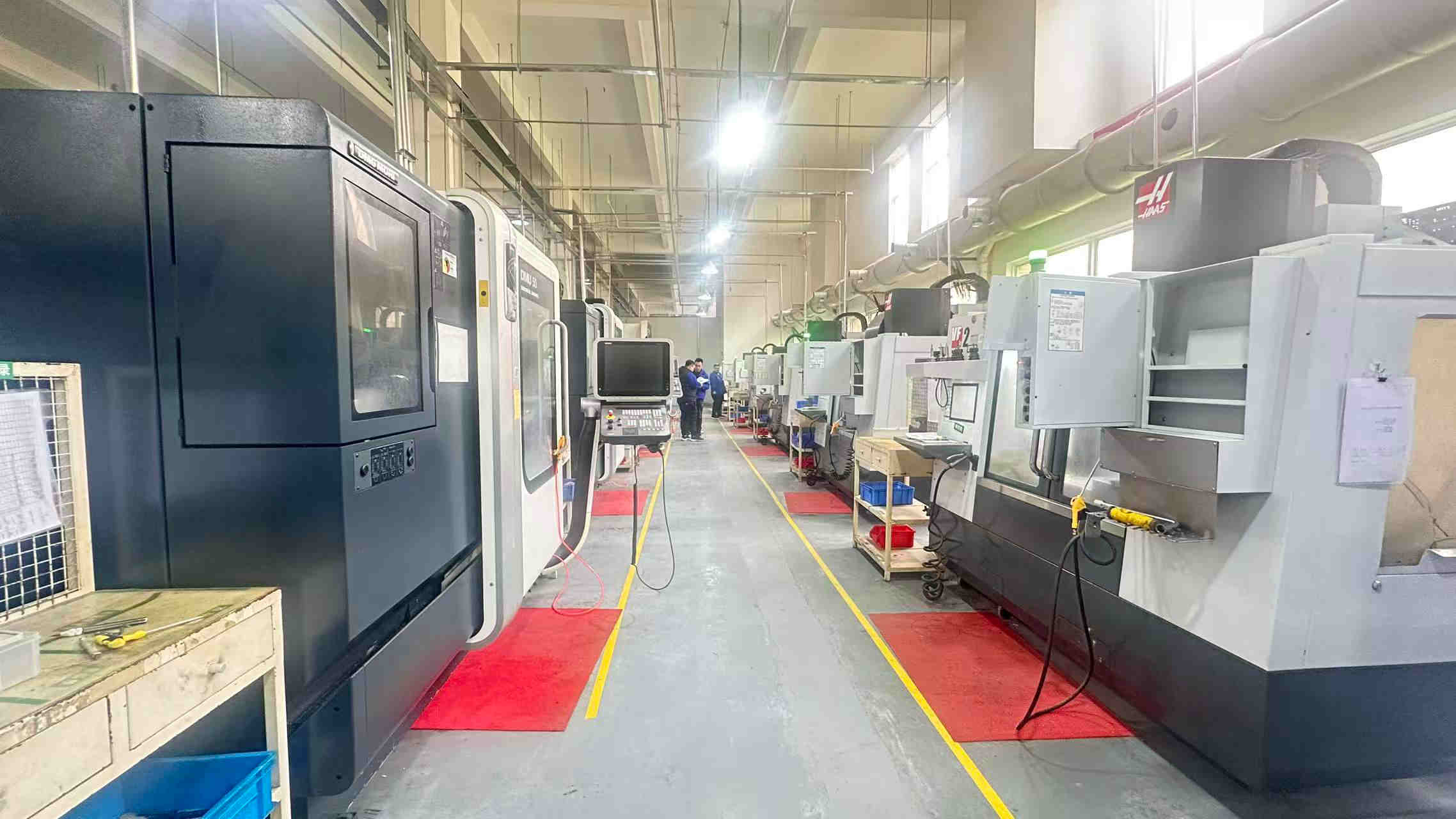
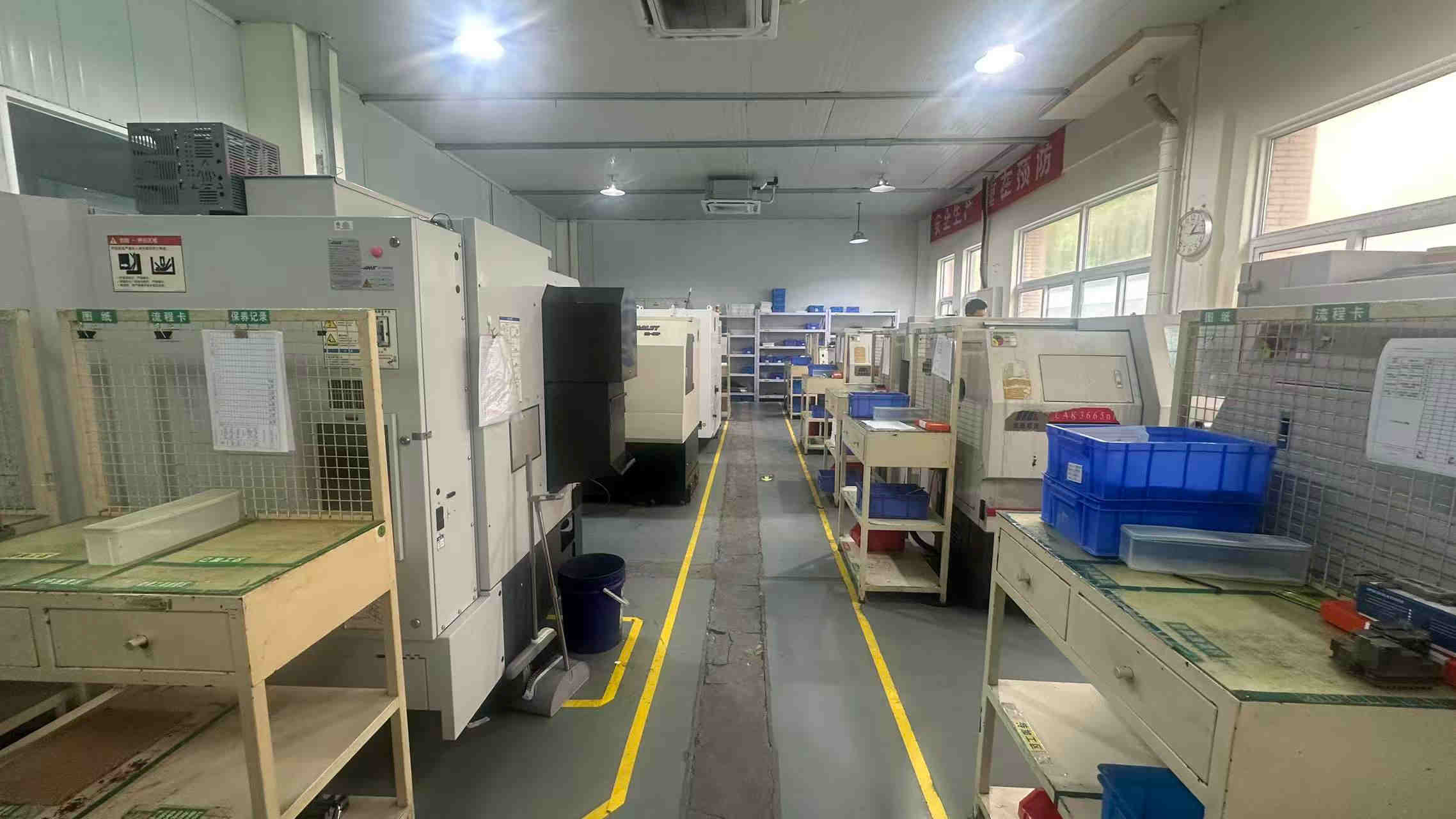
A look into our vertically integrated manufacturing steps that assure micro-millimeter dimensional tolerances across arthroscopic and spinal fixation product lines.
A clinical-technical assessment of modern joint arthroscopy systems, high-durability polymers (PEEK), advanced titanium coating technologies, and the globalization of surgical instrument procurement.
The surgical demand for minimally invasive surgery (MIS) has shifted the design paradigm of arthroscopic tools. High-definition optics and minimal entry portals require instruments to possess high torsional rigidity, slim spatial profiles, and exceptional tactile feedback.
Traditional stainless-steel instruments are increasingly replaced or enhanced by advanced titanium alloys (Ti-6Al-4V ELI) and high-performance polyetheretherketone (PEEK). The integration of PEEK materials—such as in our ACL Interference Screws—provides a modulus of elasticity that closely mimics human cortical bone. This reduces the stress-shielding effect and eliminates the imaging artifacts commonly associated with metallic implants during MRI or CT follow-ups.
Furthermore, surface treatments have evolved from simple passivation to high-technology deposition coatings. Implementing vacuum-sputtered titanium nitride (TiN) or Diamond-Like Carbon (DLC) coatings dramatically reduces friction coefficients, mitigates the risk of galling in moving surgical joints, and enhances wear resistance during high-frequency cleaning and autoclave sterilization cycles.
Modern clinical settings require comprehensive surgical systems rather than isolated instruments. A robust OEM/ODM partner must provide modular, procedure-specific instrument sets designed for:
By coordinating the instrument design directly with the implant geometries, surgeons can execute procedures with fewer steps, reducing operating room duration and mitigating anesthesia risk.
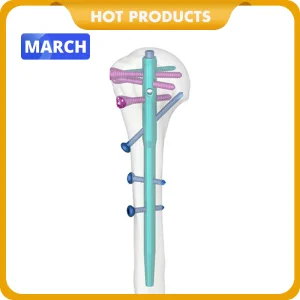
Titanium Grade 5 (Ti-6Al-4V): Excellent fatigue strength, high bio-compatibility, utilized in structural intramedullary nails and pedicle screws.
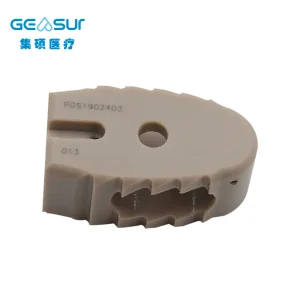
Medical-Grade PEEK: Radiolucent, eliminates metal allergy concerns, ideal for interference screws and spinal fusion cages.
CVD/ALD Nano-Coatings: Applied via atomic layer deposition to yield micro-hardness and reduce post-operative wear debris.
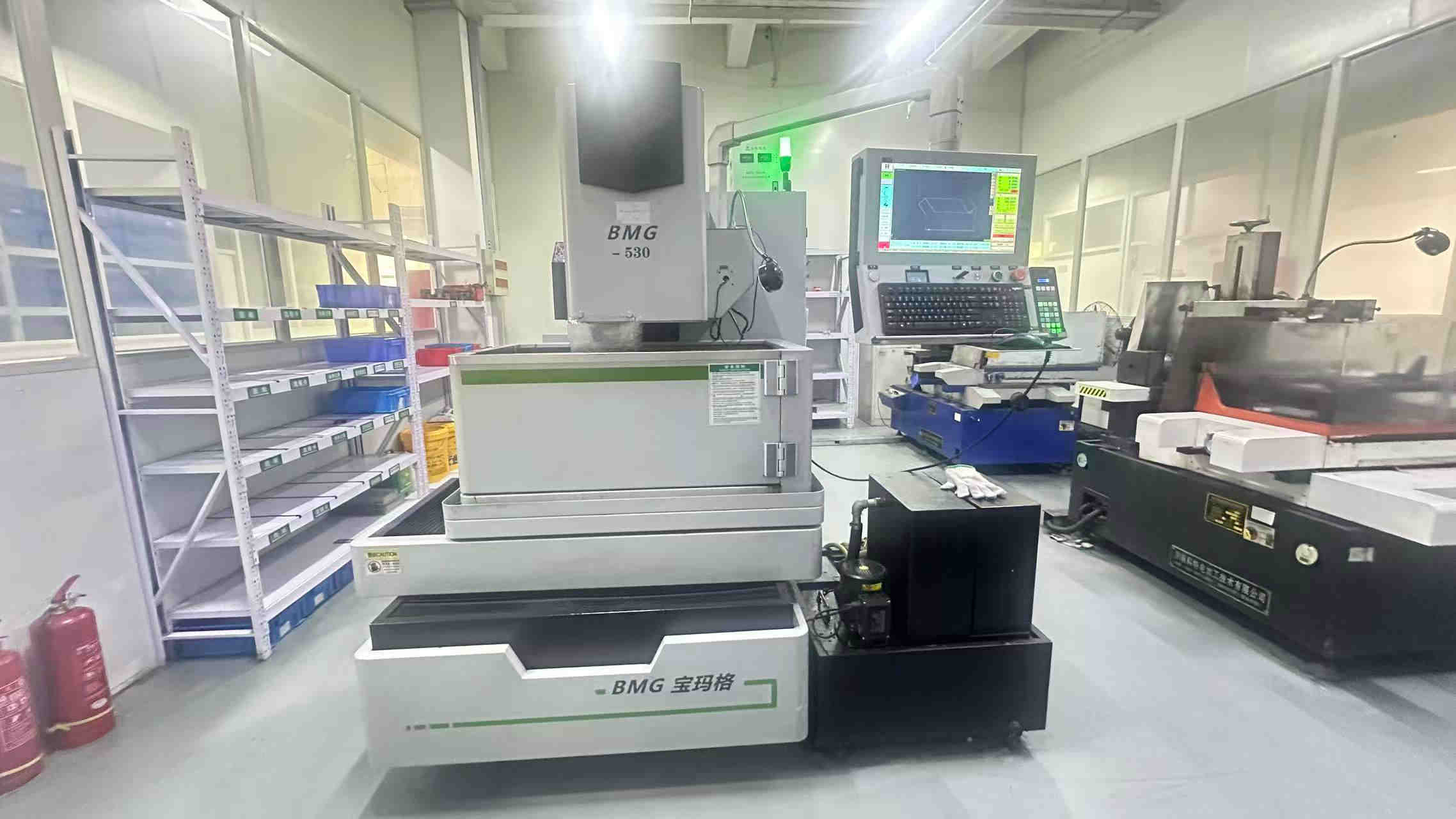
The global medical device market faces unprecedented supply chain pressures, making regional manufacturing hubs critical. China's medical manufacturing ecosystem, typified by Chengdu Medev's 18,000 ㎡ infrastructure, combines extensive raw material integration with advanced robotic CNC milling.
This high concentration of supply chain resources reduces lead times and guarantees material purity from the start. By utilizing automated five-axis milling machines, laser marking, and integrated cleanroom packaging, we maintain strict adherence to international standard tolerances while keeping production costs optimized for global distributors.
Navigating international regulatory frameworks (FDA 510(k), EU MDR Class IIa/IIb, NMPA) requires an experienced manufacturing partner. We provide our global partners with comprehensive technical documentation (DMF, biocompatibility certificates, ISO 13485 test data) to streamline local registration.
Our dedicated OEM/ODM division assists with customized branding, tailored instrument tray layouts, laser engraving, and custom sterilization case designs. This ensures that the products are ready for immediate clinical commercialization upon import.
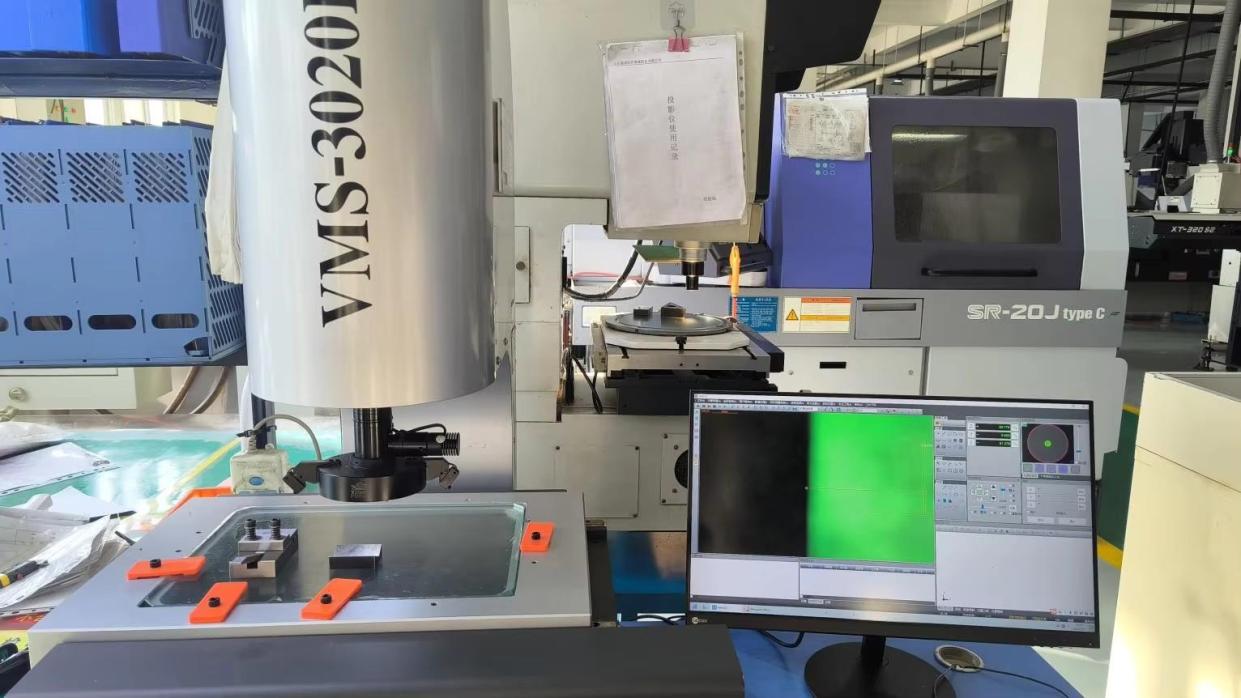
Medical implants demand absolute dimensional accuracy. Our metrology labs utilize coordinate measuring machines (CMM) and optical comparators to verify tolerances down to the single micron.
Beyond dimensional consistency, we perform micro-contamination tests, surface roughness testing (Ra values), and mechanical stress fatigue tests to verify that every component survives the physiological conditions of the human musculoskeletal system.
Answers to critical questions regarding engineering capabilities, material verification, regulatory compliance, and OEM procurement workflows.
We source implant-grade titanium alloys (specifically Ti-6Al-4V ELI conforming to ASTM F136) and premium medical-grade Polyetheretherketone (PEEK-OPTIMA® from Invibio). These raw materials are accompanied by full material test reports (MTR) and chemical composition assays to verify bio-compatibility and physical properties before they enter our production floor.
We offer comprehensive branding and packaging services within our class-certified cleanrooms. This includes laser marking of logos and lot numbers directly onto the implants, custom-designed graphic instrument trays, sterile barrier pouch heat sealing, and outer protective boxing complete with compliant UDI (Unique Device Identification) labeling.
Our validation protocols follow ISO 13485 standards. After CNC machining, implants undergo automated multi-stage ultrasonic cleaning to remove manufacturing debris and hydrocarbon residue. The final rinsing uses purified water (conforming to USP pharmacopeia), and bio-burden levels are regularly audited to ensure they meet sterile packaging standards.
For standard catalog items, the lead time ranges from 15 to 30 days. For custom OEM/ODM designs requiring custom prototyping, mold tooling, and initial validation runs, the timeline spans 45 to 75 days, which includes the delivery of initial samples for mechanical testing and physical evaluation.
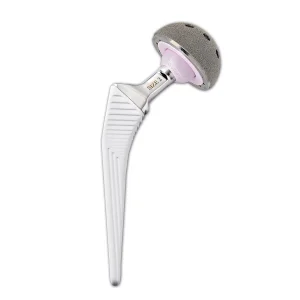
Extending surgical capability with advanced titanium screws, multi-lock nails, and highly durable mechanical joint components built for stability.
 Medev Medical