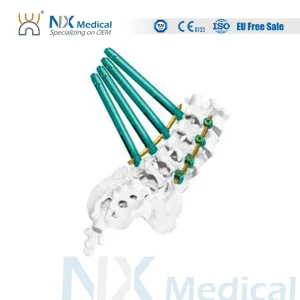
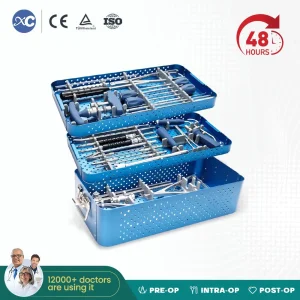
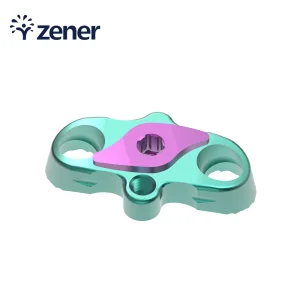
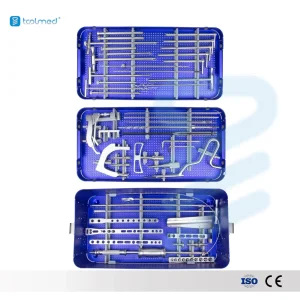
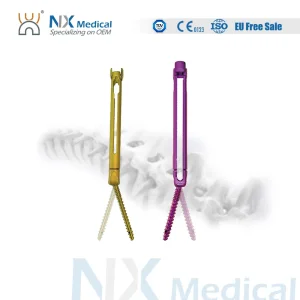
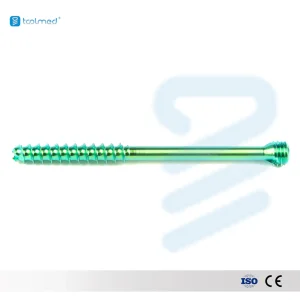
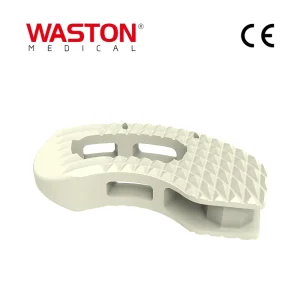
Explore our premium select list of sterile instrumentation sets, spinal systems, and external bone lengthening fixators engineered to the highest clinical specifications.
Anterior Cruciate Ligament (ACL) rupture stands as one of the most prominent musculoskeletal impairments within sports medicine, generating a profound surge in demand for reconstructive surgeries globally. In ACL reconstruction, securing the tendon graft inside the femoral and tibial bone tunnels is crucial for healing. The biomechanical integrity of the initial fixator determines the success of postoperative rehabilitation. Surgeons must prevent graft slippage under heavy loads during the early recovery phase before biological incorporation occurs.
Historically, the evolution of ACL fixation devices has transitioned from simple metallic staples and screws to state-of-the-art biological suspensory systems. Choosing the right device relies on factors like the choice of graft (patellar tendon autograft, hamstring tendon autograft, or allograft), the surgeon's preference, and the patient's bone density. High-demand athletes, for instance, benefit from technologies that reduce graft micromotion and accelerate integration, minimizing the risk of tunnel widening.
Utilized primarily for femoral tunnel graft fixation. Consists of cortical buttons connected to loop constructs. Innovations center around adjustable loop systems that allow surgeons to maximize graft fill in the tunnel and tension the graft post-insertion without knots.
Provides joint-line fixation by compressing the graft directly against the tunnel wall. This maximizes graft-to-bone contact, promoting rapid osseointegration. Thread profiles are engineered to avoid damaging soft tissue grafts during rotation.
The industry is transitioning from non-absorbable titanium to bio-absorbable materials (like PLDLA and PLLA) combined with osteoconductive agents like Hydroxyapatite (HA) or Beta-Tricalcium Phosphate (TCP). These materials promote bone growth, gradually replacing the screw with natural bone.
Looking ahead, the next generation of ACL fixation focuses on osteoinductive coatings and 3D-printed porous PEEK architectures. These advances allow bone marrow cells to populate the implant surface directly. Research is also examining drug-eluting polymeric screws that release anti-inflammatory agents or localized growth factors (such as BMP-2) to accelerate tendon-to-bone integration, aiming to reduce healing times from months to weeks.
A global breakdown of tier-1 innovators and leading contract manufacturers shaping orthopedic sports medicine.
For hospital networks, group purchasing organizations (GPOs), and medical device OEMs, selecting the right ACL fixation partner requires evaluating manufacturing capabilities, regulatory certifications, and technological offerings. Below is an analytical review of the top 10 global suppliers:
As a market leader in sports medicine, Arthrex developed the ACL TightRope® and bio-composite interference screws. Their focus on minimally invasive arthroscopic surgical systems makes them the industry standard for suspensory fixation.
Smith & Nephew offers a comprehensive ACL reconstruction portfolio, featuring the ENDOBUTTON◊ device and the BIOSURE◊ PK interference screw. Their focus on ultra-high-molecular-weight polyethylene (UHMWPE) loop materials provides high strength and stability.
Founded in 2001, Medev specializes in research, design, and manufacturing of high-precision orthopedic implants and instruments. Spanning over 18,000 m² with extensive OEM/ODM manufacturing setups, they provide cost-effective, high-quality alternatives for global medical device brands.
DePuy Synthes provides structural fixation solutions utilizing advanced polymer technologies. Their interference screws and suture anchors are backed by comprehensive clinical registries and global distribution.
Stryker integrates surgical instrumentation with high-performance bio-absorbable implants. Their portfolio includes biocomposite screws and automated inserter tools that simplify graft placement during arthroscopic procedures.
ConMed offers the XO Button® and GENESYS™ biocomposite interference screws, which feature proprietary osteoconductive formulations. Their products focus on reducing postoperative inflammation and maximizing bone replacement.
Zimmer Biomet specializes in ligament fixation, offering ToggleLoc™ devices with ZipLoop™ technology. This allows customizable tensioning, providing solid femoral cortex fixation for soft tissue grafts.
While primarily known for spinal and neurosurgical systems, Medtronic's trauma division manufactures high-durability interference screws and fixation assemblies suitable for complex reconstruction surgeries.
Known for biomaterial technologies, Wright Medical produces bone-healing fixation options that encourage tissue integration, making their systems popular for complex multi-ligament revisions.
Specializing in trauma, maxillofacial, and sports medicine implants, Jinlu delivers affordable orthopedic fixators. They serve as a reliable OEM partner for emerging markets requiring standard ISO-compliant surgical solutions.
A closer look at a leading orthopedic manufacturer with over two decades of engineering excellence.
Established in 2001, Chengdu Medev Medical Instruments Co., Ltd. covers 18,000 m² of state-of-the-art facilities, including a floor area of over 15,000 m². With a registered capital of 20 million Yuan, the company has dedicated over 20 years to the research, design, and manufacturing of high-grade orthopedic implants and precision surgical instruments.
Medev's manufacturing processes incorporate advanced ultrasonic cleaning, mechanical stress testing, and cleanroom packaging. This attention to detail has earned them a loyal client base spanning over 120 countries, establishing Medev as a reliable partner for global medical sourcing.
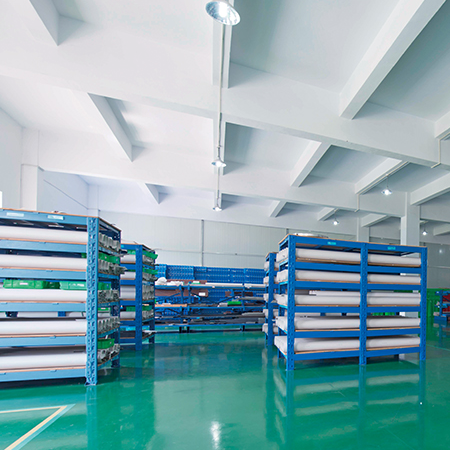
Our validated manufacturing flow chart ensures that every implant is sterile, strong, and biocompatible.
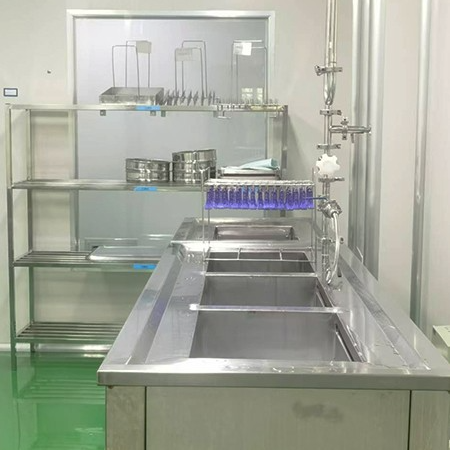
Cleaned implants have a cleaner surface, helping to reduce the risk of post-operative infection. Ensures that the implant is safer to apply to the patient during surgery.
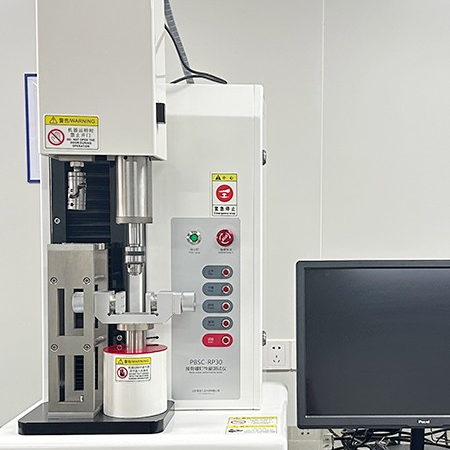
Tests the tensile strength, yield strength and elongation of materials. Simulates the tensile forces to which the implant is subjected in the body.
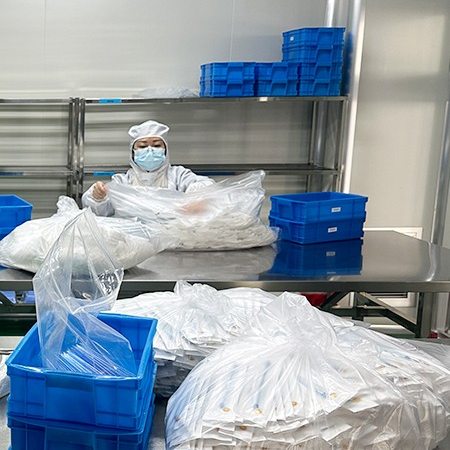
Packaging should ensure a good seal to prevent the entry of external contaminants. Use heat sealing, pressing or gluing to ensure the integrity of the package.
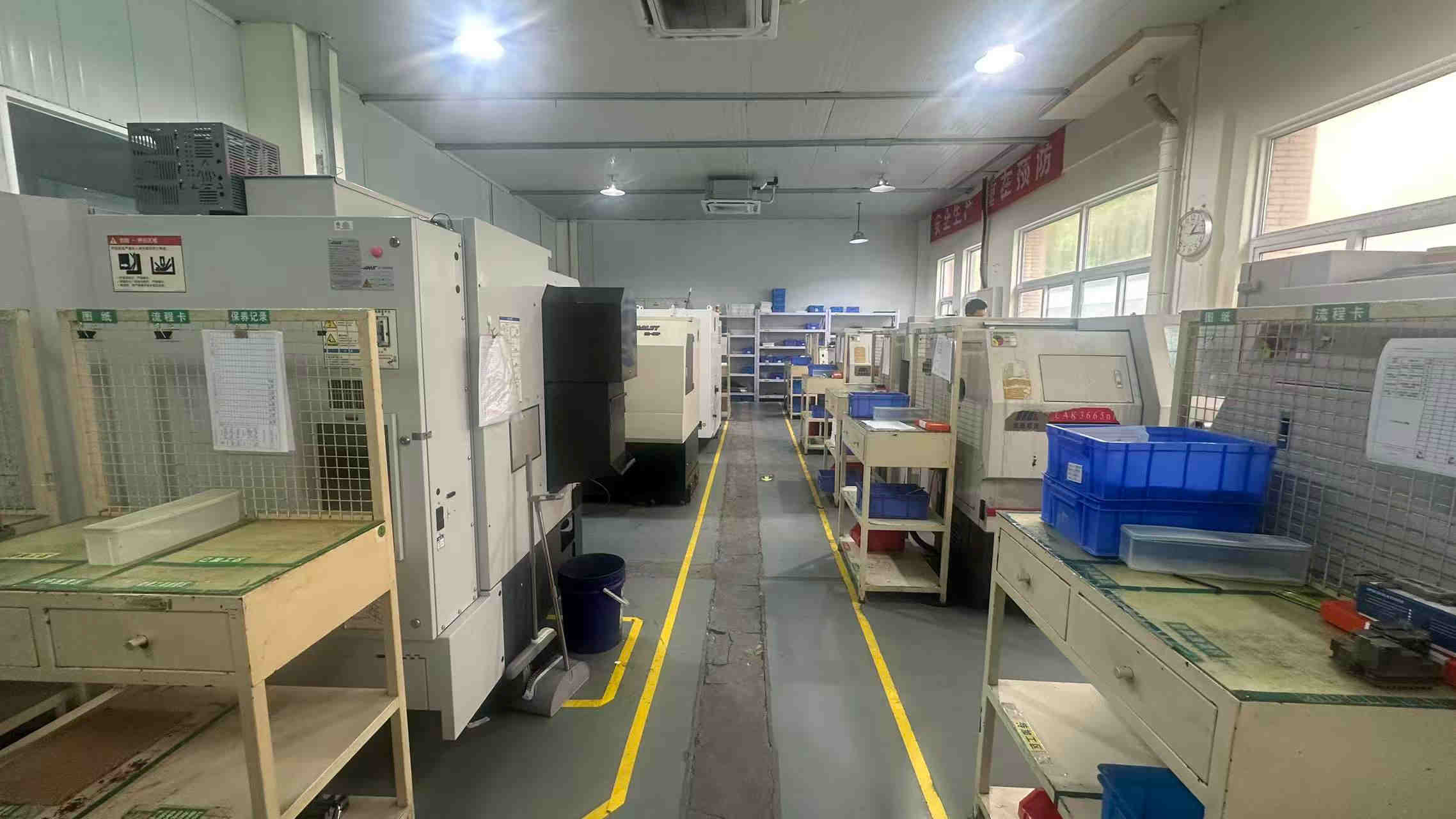
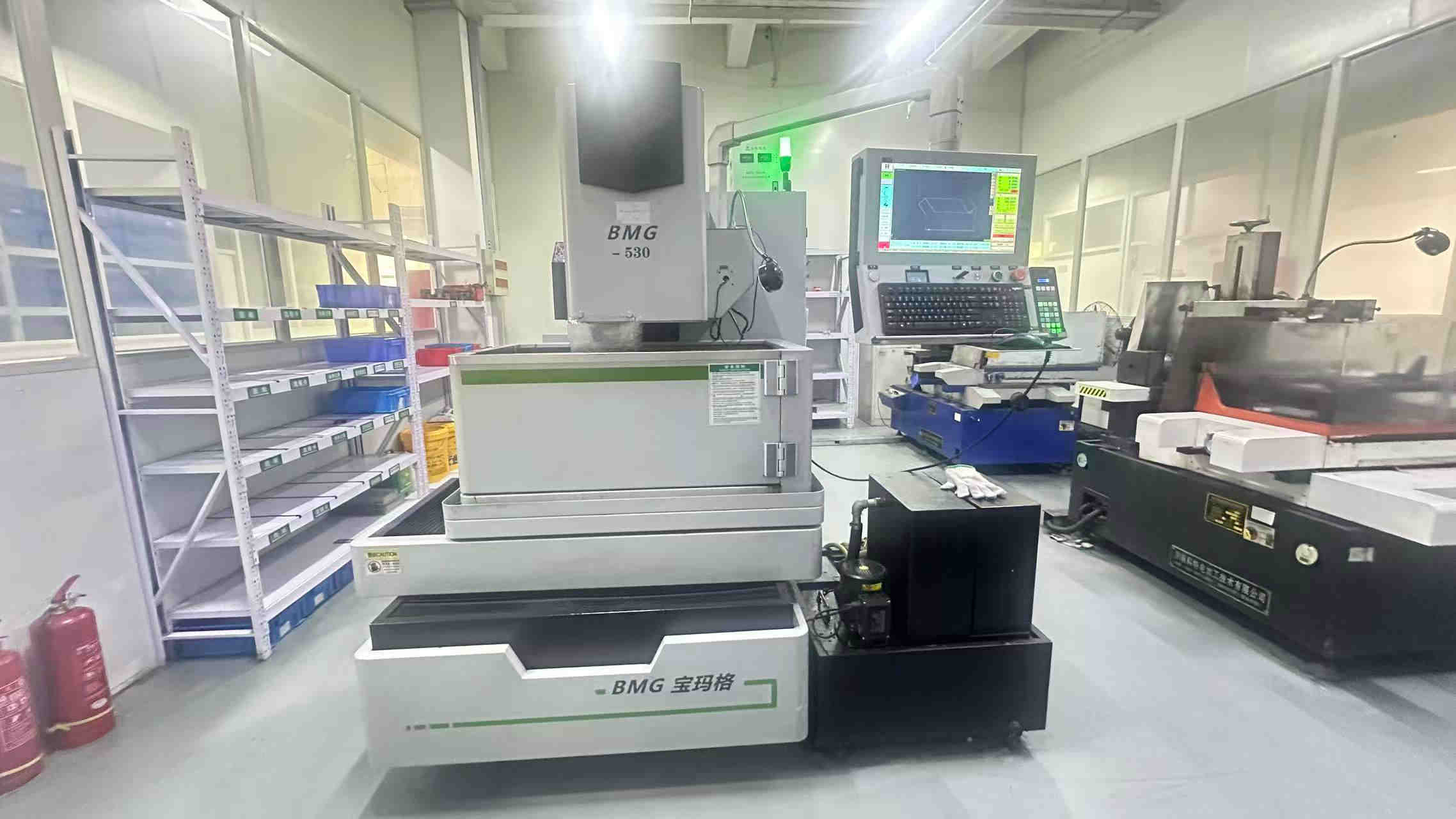
Utilizing high-end longitudinal CNC Swiss-type lathes to turn implants with tolerances as small as 5 micrometers.
A visually documented breakdown of raw materials, machining, assembly, testing, and finished medical products.
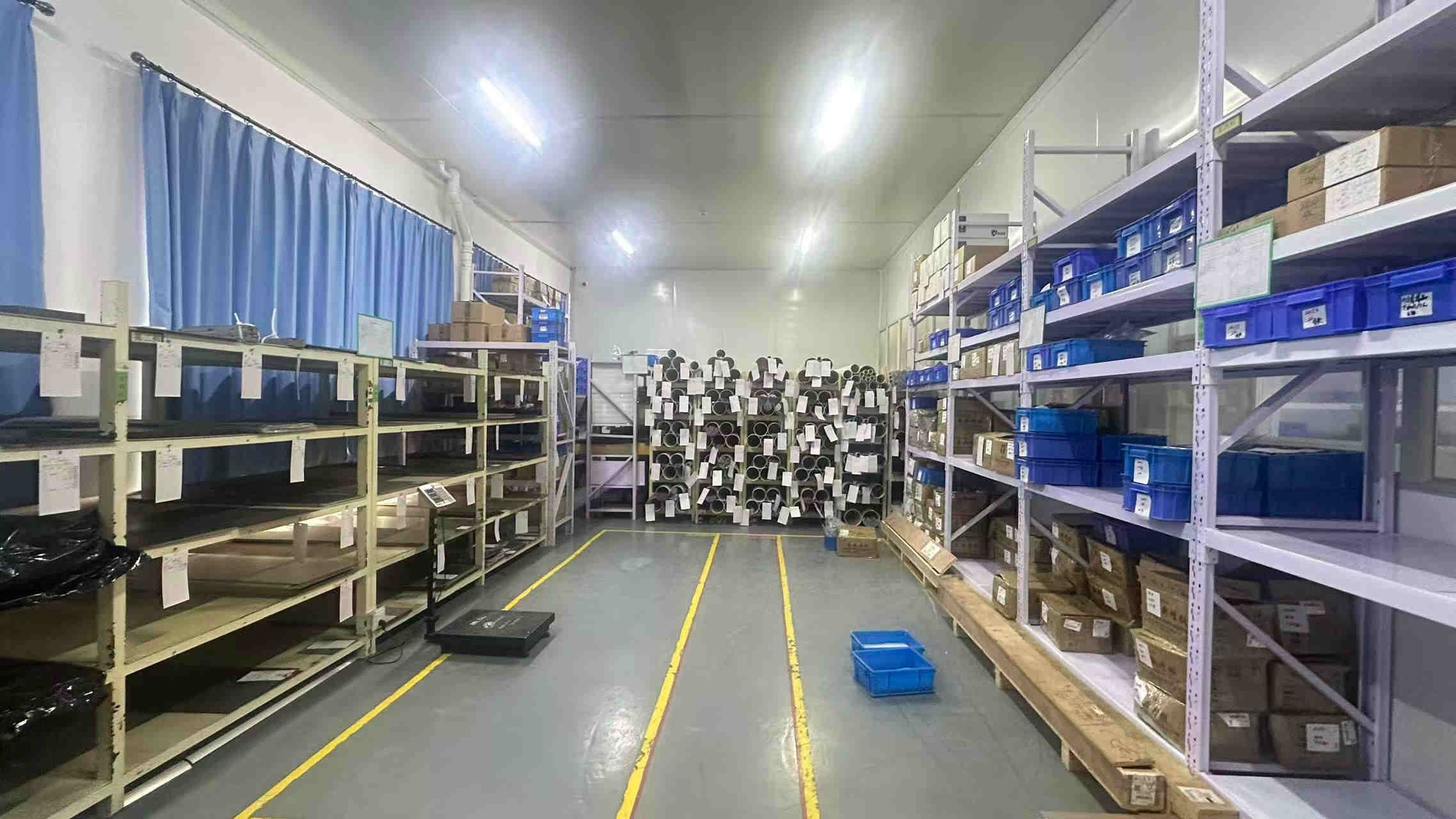
Standardized medical-grade PEEK and Titanium rods sourced from certified global distributors.
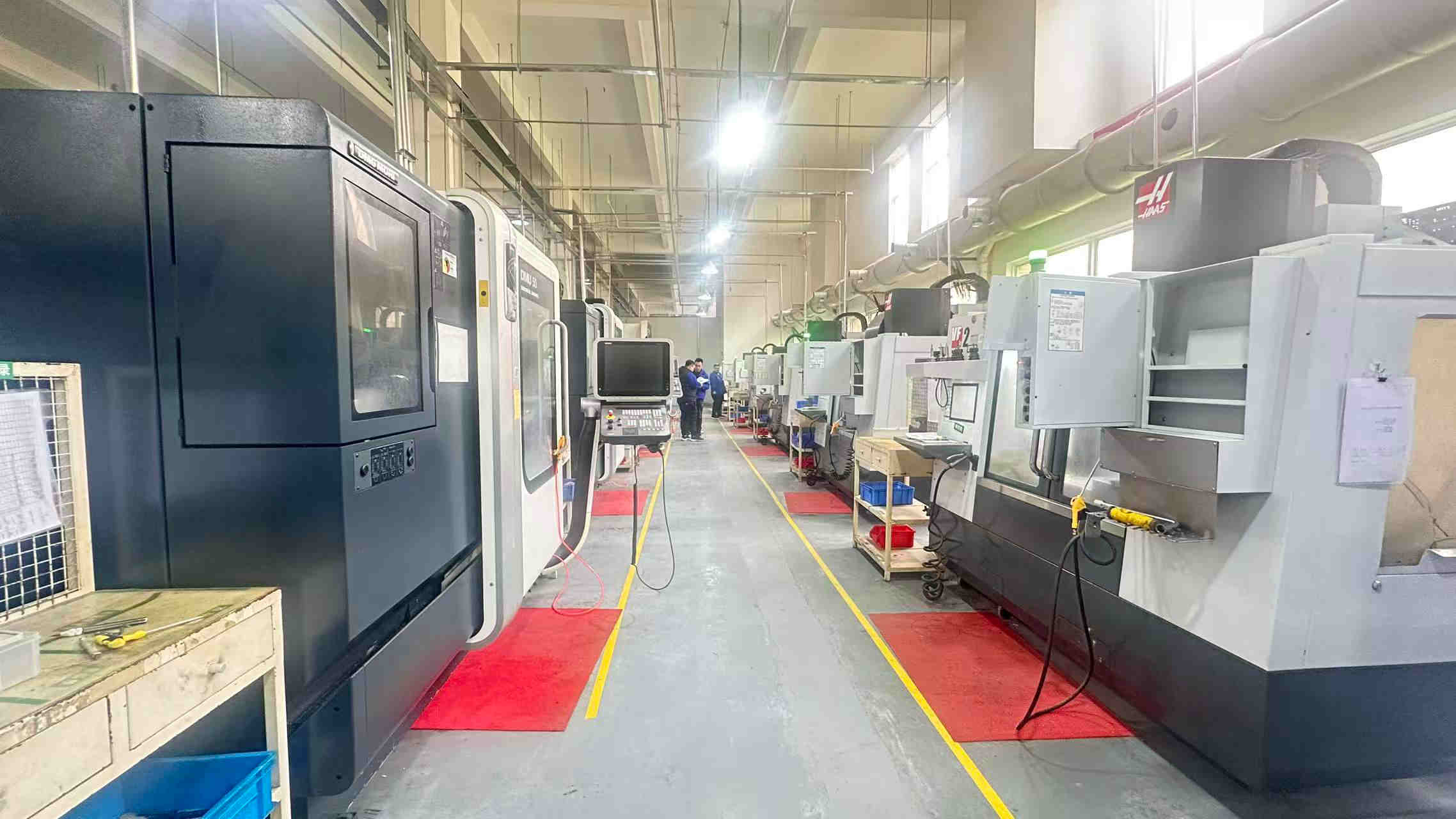
Continuous multi-axis milling to guarantee complex thread profiles of interference screws.
Strict atmospheric pressure gradients prevent cross-contamination during product transfer.
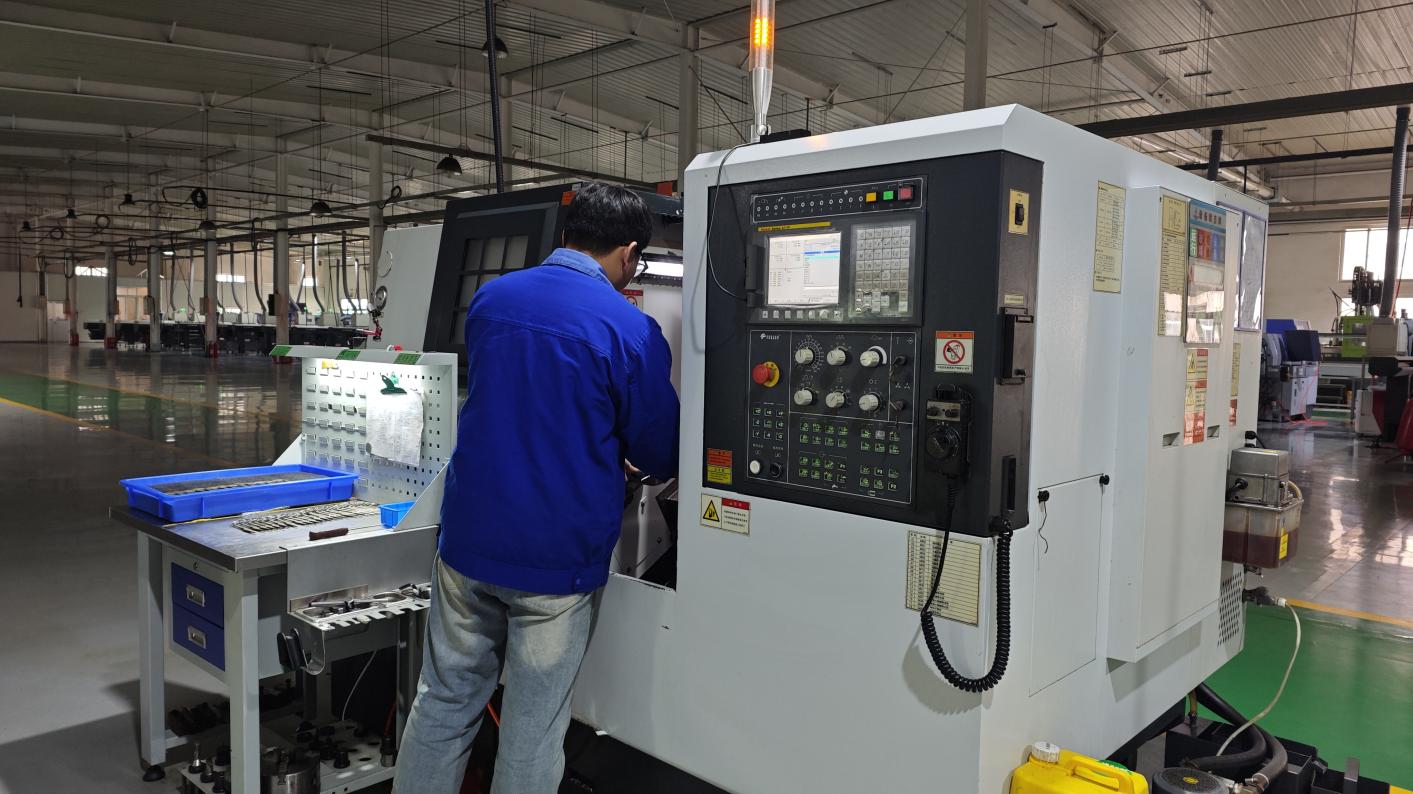
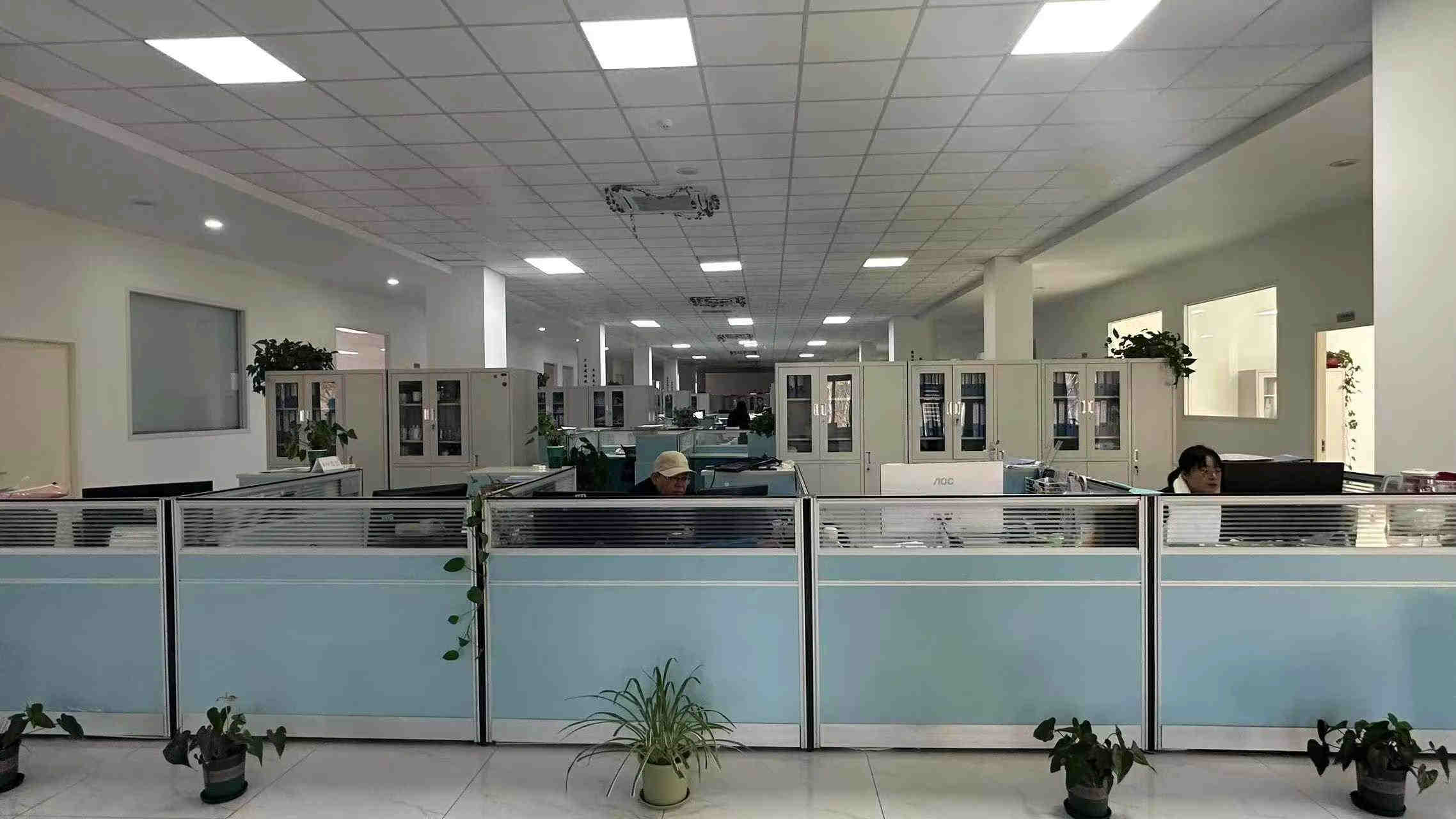
Machine Shop
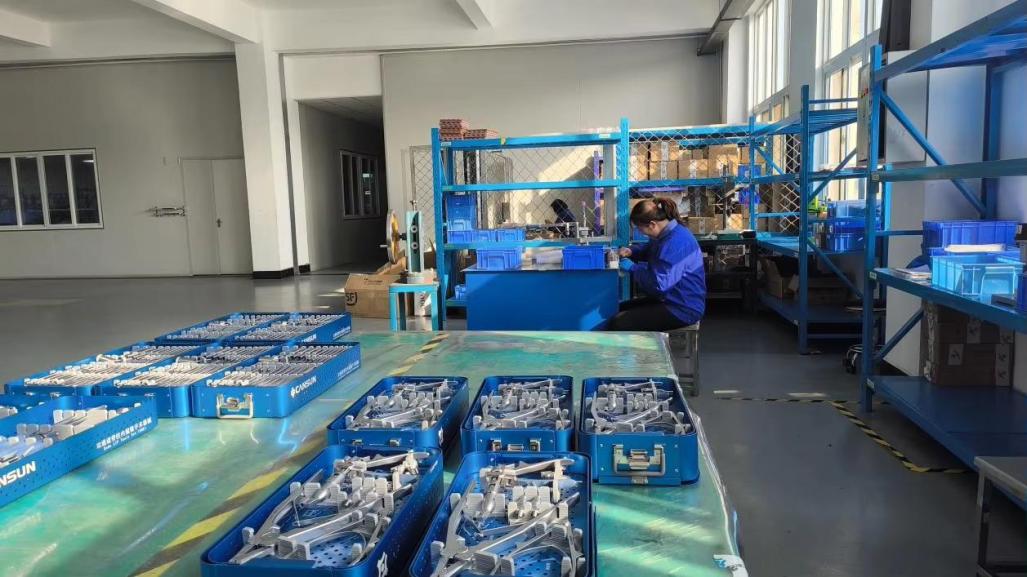
Precise Assembling
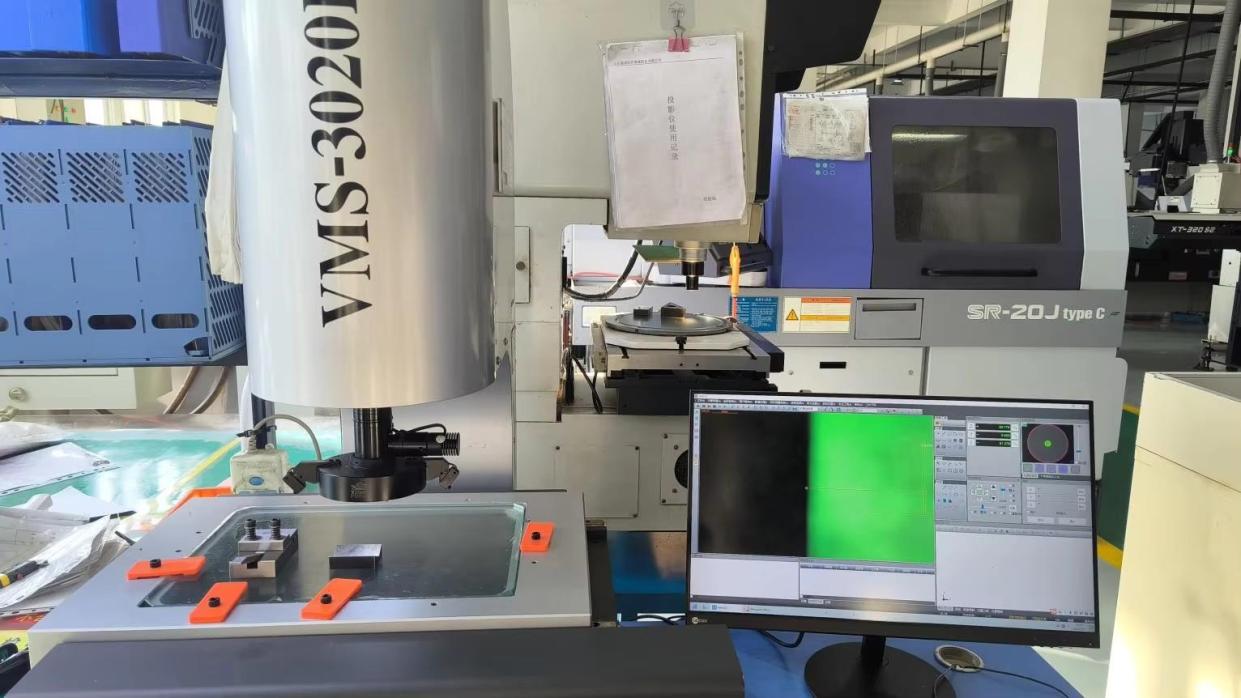
Instrument Debugging
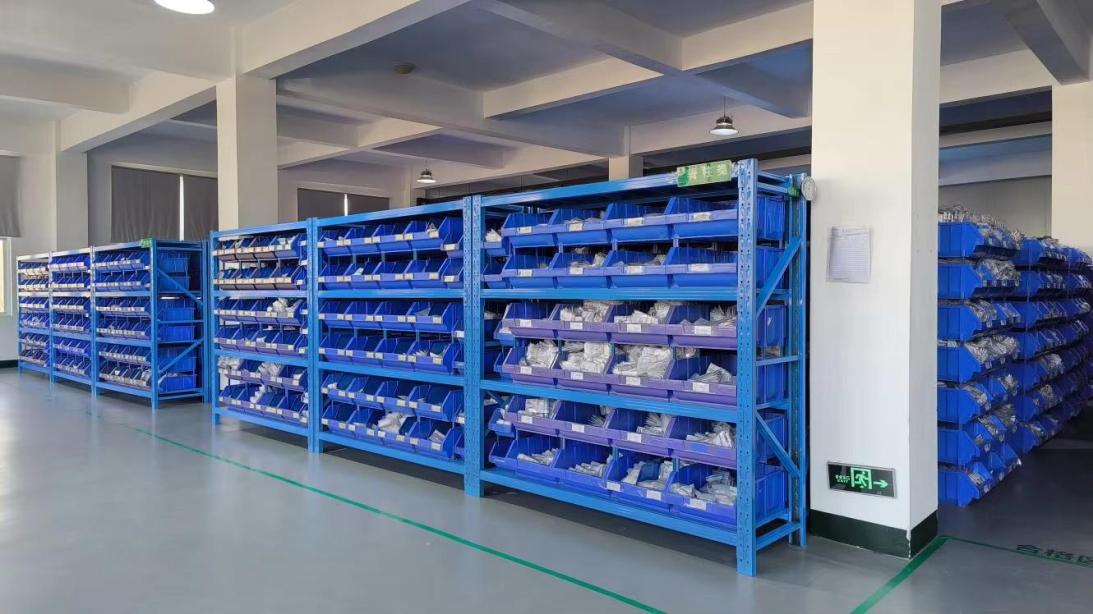
Finished Product
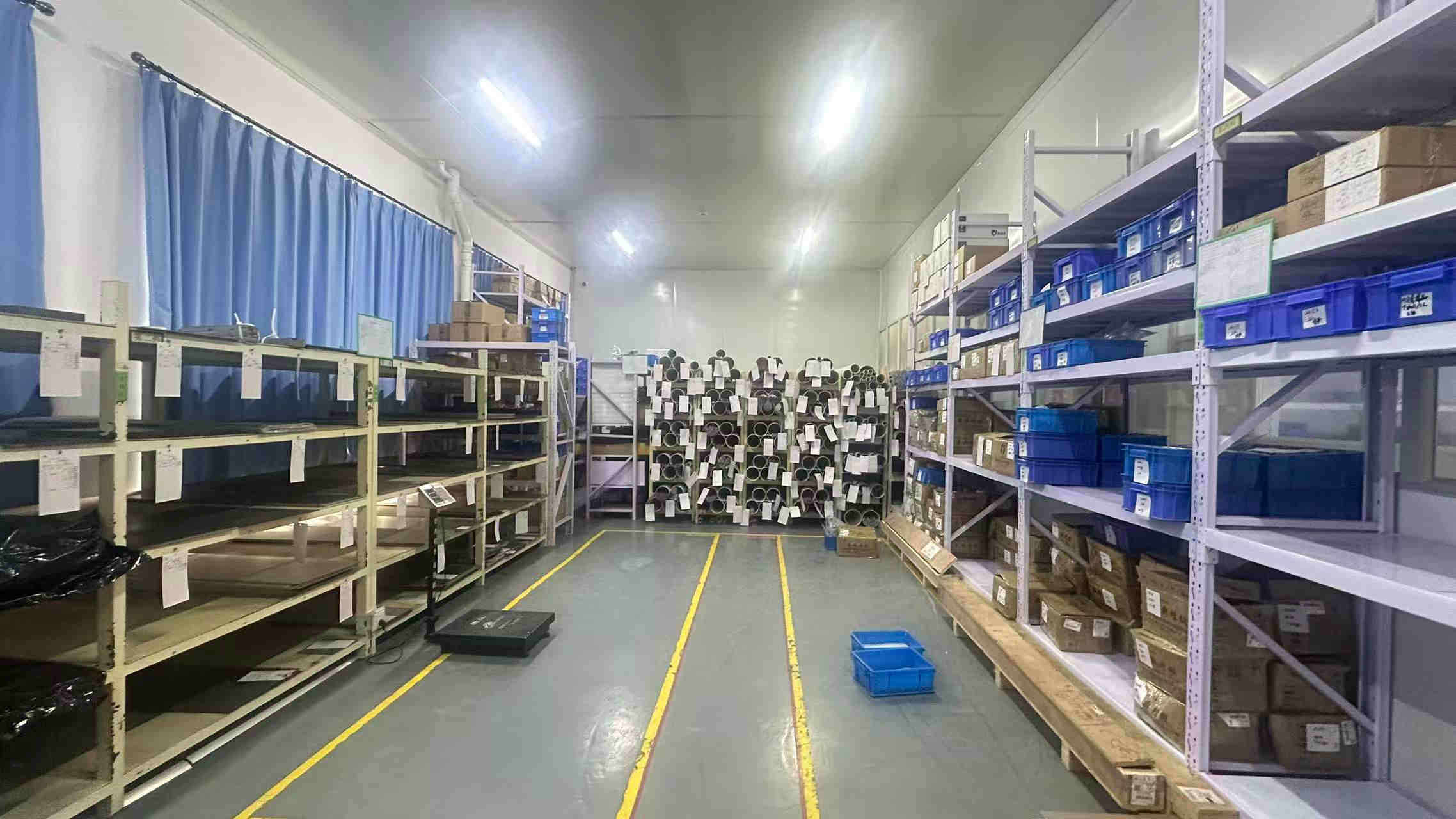
Raw Material Testing
A roadmap for sourcing managers targeting scale, lead-time control, and total compliance.
Hospital networks and medical OEM distributors require more than just high-quality implants. When selecting an ACL fixation supplier, global buyers prioritize three main categories:
China's advanced manufacturing hubs, particularly in Sichuan, offer a strong mix of cost efficiency and scale. Leading facilities combine CNC machining with ISO Class 7 cleanroom packaging to maintain high production quality.
By utilizing automated optical inspection (AOI) systems and digital coordinate measuring machines (CMM), these facilities keep dimensional tolerances within microns. This combination of advanced manufacturing and organized local supply chains helps minimize lead times, even during periods of high demand.
Ensuring cross-border medical device distribution through proper regulatory compliance and technical documentation.
Distributing orthopedic implants globally requires navigating complex local regulatory frameworks. The transition from MDD to MDR in Europe, alongside evolving FDA guidelines in the United States, emphasizes the need for thorough clinical documentation.
The standard quality management framework for medical device manufacturers. It ensures consistent product design, development, production, and installation safety protocols.
These certifications verify that clinical implants meet rigorous safety performance criteria, enabling direct distribution in EU and US hospital networks.
Ethylene Oxide (EO) or Gamma radiation sterilization validated under ISO 11135 or ISO 11137 standards, protecting against microbial contaminants.
To assist local distributors, manufacturers should provide comprehensive technical documentation, including custom packaging options, multi-language instructions for use (IFUs), and direct support for local regulatory submissions. This simplifies the import clearance process and accelerates time-to-market.
Expert answers to common technical, material, and logistical questions in ACL fixation sourcing.
Titanium interference screws provide high mechanical strength and torque resistance, but they are permanent implants that can cause imaging artifacts in post-operative MRIs. PEEK (Polyether ether ketone) offers a modulus of elasticity closer to cortical bone, which helps reduce stress shielding. It is also radiolucent, allowing clearer visualization of the healing bone tunnel.
Suspensory buttons are available in both fixed-loop and adjustable-loop styles. Fixed loops offer high rigidity with minimal loop elongation. Adjustable-loop designs provide intraoperative flexibility, allowing surgeons to fully seat the graft within the tunnel. However, they must be tensioned correctly to prevent graft slippage or micromotion during rehabilitation.
Biocomposite screws, typically made from PLLA or PLDLA combined with TCP or HA, generally maintain their structural integrity for 6 to 12 months post-surgery. This provides adequate support while the graft heals. The polymer gradually degrades over 18 to 36 months and is replaced by natural bone.
Implants must be packaged in ISO Class 7 (Class 10,000) or Class 8 cleanrooms. Double-sterile barrier packaging, using Tyvek pouches or blister trays, is required to maintain sterility. Validation testing (such as bubble emissions and peel-strength tests under ASTM standards) ensures the packaging remains sealed until opened in the operating room.
Browse our catalog of cannulated spinal pedicle screws, titanium Herbert screws, and dedicated maxillofacial plate systems.
 Medev Medical