In the realm of orthopedic implants, understanding "What are the key specifications to look for in orthopedic implants" is crucial. Dr. Emily Hartman, an esteemed orthopedic surgeon, emphasizes, "Choosing the right implant can make a significant difference in recovery time and long-term outcomes."
When selecting an orthopedic implant, several specifications demand attention. Material composition plays a key role. Titanium alloys often provide strength without excessive weight. Additionally, the implant's surface texture can enhance osseointegration, leading to better stability.
Size and design also matter. An implant must fit the patient's anatomy precisely. Misalignment can lead to complications. Load-bearing capacity is another crucial specification. An implant must withstand the stresses of daily activities. Failure to consider these aspects could result in a lack of functionality. Ultimately, each decision influences patient recovery and satisfaction.
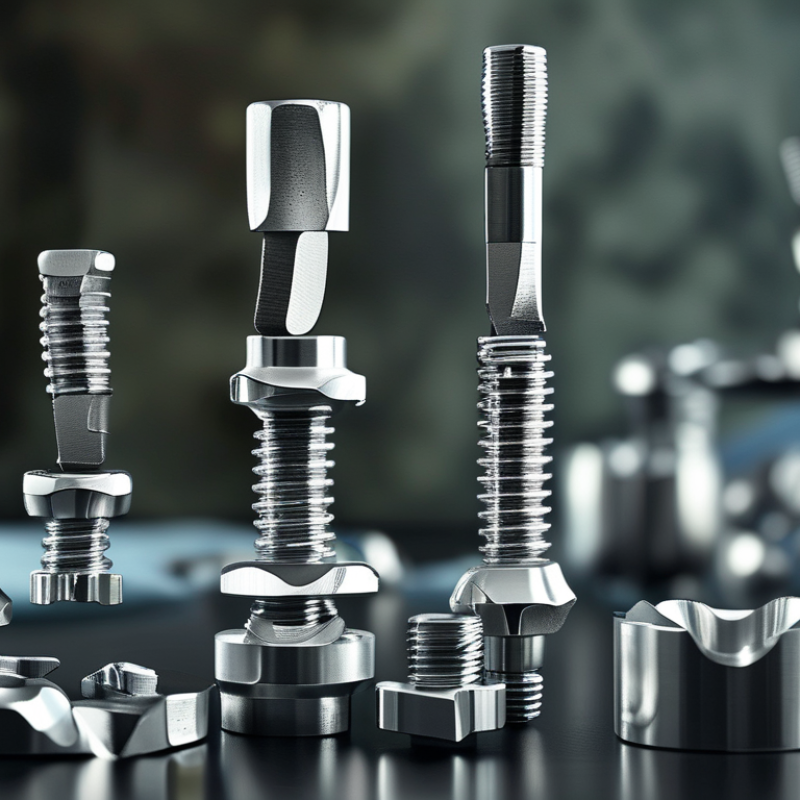
Biocompatibility is crucial when selecting orthopedic implants. It refers to how compatible a material is with biological tissues. A high level of biocompatibility ensures that the implant will not cause adverse reactions in the body. This is especially important for materials used in long-term applications, like joint replacements.
Common materials include titanium and certain polymers. They are generally well-tolerated. However, not all biocompatible materials behave the same in every patient. Factors like age, overall health, and pre-existing conditions can influence implant success. Some patients may experience rejection or irritation due to even mildly biocompatible materials.
It’s also vital to consider the pore structure of implants. Scaffolds that promote bone growth may seem ideal, but not all designs work effectively in real-life scenarios. Research faces challenges in simulating biological environments accurately. This inconsistency can lead to unexpected failures in specific populations. Continuous studies are essential to refine these materials further, ensuring greater reliability in diverse patient groups.
When selecting orthopedic implants, material choice is crucial. Three main types dominate the market: metals, ceramics, and polymers. Each has unique properties that affect performance and biocompatibility. Metals, like titanium and stainless steel, offer strength and durability. However, they may cause stress shielding in some cases.
Ceramics are often used for joint components due to their excellent wear resistance. They can be more brittle, leading to potential fractures, especially under high loads. Polymers provide flexibility and shock absorption, making them ideal for specific applications. However, their long-term stability can be an issue.
Consider the implant's intended use. Will it be weight-bearing? Strength is vital in such cases. Biocompatibility is another factor. Some patients may have allergic reactions to certain metals, impacting recovery.
Pay close attention to surface treatment and coatings, which can influence longevity. Each material has risks. It’s important to evaluate these risks in the context of individual patient needs. Never underestimate the importance of thorough research and professional consultation. Balancing material benefits and potential drawbacks is key to successful orthopedic implant selection.
| Specification | Metals | Ceramics | Polymers |
|---|---|---|---|
| Strength | High tensile strength, suitable for load-bearing | Good compressive strength, lower tensile strength | Lower strength, but versatile in applications |
| Biocompatibility | High biocompatibility, can cause corrosion | Very high biocompatibility, inert | Generally biocompatible, potential leaching issues |
| Weight | Heavier, which can affect stability | Lightweight, aiding in ease of implantation | Very lightweight, often used for non-load bearing |
| Fatigue Resistance | Excellent fatigue resistance | Good, but can be brittle | Moderate, not suitable for high-cycle applications |
| Cost | Moderate to high, depending on alloy | Generally high due to processing | Lower cost, benefits in large volume applications |
| Flexibility | Rigid, not flexible | Brittle, inflexible | Highly flexible, adaptable |
| Thermal Conductivity | Good thermal conductor | Poor thermal conductor | Poor thermal conductor |
| Corrosion Resistance | Varies, but often needs coatings | Excellent corrosion resistance | Generally poor unless treated |
| Processing Techniques | Machining and forging | Sintering and CAD/CAM | Injection molding and extrusion |
| Application Examples | Hip and knee implants | Bone grafts, dental implants | Soft tissue devices, surgical screws |
When choosing orthopedic implants, mechanical strength and load-bearing capacity are crucial. These specifications determine how well implants withstand stress during daily activities. Several factors influence this, including the material used and design features. High-strength materials may provide durability, but they can also increase weight, impacting comfort.
Effective load transfer is essential for the longevity of orthopedic implants. Implants must distribute forces evenly to avoid stress concentrations. A well-designed implant should function as a natural bone, mimicking its load-bearing properties. Implants that don’t achieve this may lead to complications, such as implant loosening or fracture.
Consider the patient's activity level. Athletes may require implants with higher load-bearing capabilities compared to sedentary individuals. Also, be aware that bone quality affects performance. Osteoporosis or other conditions can weaken bone, meaning implants must be tailored accordingly. Balancing strength and comfort is key in the selection process.
The performance of orthopedic implants relies heavily on the coatings and surface treatments applied. These enhancements greatly influence how well the implant integrates with human biology. Coatings can promote better osseointegration. Certain materials enhance bone cell attachment, leading to a quicker healing process. This is crucial for patients and their recovery timelines.
However, not all coatings yield the same results. Some treatments may lead to unexpected reactions in the body. Biocompatibility is always a concern. While some coatings aim to improve durability, they might also introduce complications. It's essential to consider the long-term implications of different materials and coatings on patient health.
Surface roughness is another significant factor. A rougher surface can facilitate better bonding with bone. Still, this could also increase wear debris. The balance between longevity and performance is delicate. Medical professionals constantly assess how coatings and treatments can affect the outcomes of orthopedic procedures. Understanding these factors is vital for safe and effective implant use.
When selecting orthopedic implants, evaluating the design and surgical compatibility is crucial. Design factors such as shape and surface coating significantly influence the success of implantation. A study by the American Academy of Orthopaedic Surgeons reveals that nearly 25% of implant failures are linked to design flaws. For instance, implants that better mimic the natural anatomy can enhance integration with the bone. This compatibility minimizes the risk of complications and supports faster recovery.
Surgical compatibility is another focal point. Surgeons must consider factors such as the implant’s dimensions, material composition, and sterilization processes. A report from the Journal of Bone and Joint Surgery highlights that improper fitting can lead to 14% of revision surgeries. Furthermore, unique surgical techniques may mandate specific implant designs, stressing the importance of real-time collaboration between surgeons and manufacturers. Surgeons often face the challenge of balancing innovation and established techniques, highlighting the need for ongoing training in implant technologies. This dialogue is essential for maximizing patient outcomes and minimizing operative risks.
: Biocompatibility refers to how well implant materials interact with biological tissues without causing adverse reactions.
High biocompatibility ensures implants do not trigger negative responses in the body, crucial for joint replacements.
Age, health, and existing conditions can affect how the body reacts to even biocompatible materials.
Coatings enhance osseointegration, improving bone cell attachment and potentially speeding up the healing process.
No, some coatings might cause unexpected body reactions, raising concerns about long-term biocompatibility.
A rougher surface can improve bonding with bone but may also lead to increased wear debris over time.
Surgical compatibility ensures that implant dimensions and materials fit correctly, minimizing complications during surgery.
Flawed designs can lead to higher failure rates, with nearly 25% of failures linked to design issues.
Continuous training and collaboration with manufacturers help balance innovation and established surgical techniques.
Accurately simulating biological environments is difficult, leading to possible failures in certain patient groups.
When considering orthopedic implants, it is crucial to understand what are the key specifications to look for. Biocompatibility plays a fundamental role, as the materials used must not induce adverse reactions in the body. This section discusses the importance of material selection, highlighting the advantages and drawbacks of metals, ceramics, and polymers. Additionally, mechanical strength and load-bearing capacity are essential characteristics that ensure the implant can withstand the forces exerted during regular movement.
The evaluation of coatings and surface treatments is also vital, as these can enhance the performance and longevity of the implant. Lastly, assessing the design of the implant and its compatibility with the surgical procedure is necessary to ensure successful outcomes. In summary, careful consideration of these specifications will lead to better choices in orthopedic implant selection, aligning with the patient's needs and health goals.

Medev Medical