In the realm of orthopedic surgery, ensuring patient safety is paramount. One of the critical factors in achieving this safety is understanding why do orthopedic implants require sterilization before use. Contaminated implants can lead to severe complications, including infections and extended recovery times.
Orthopedic implants, made from materials like metal and plastic, are vulnerable to microbial contamination. During manufacturing, handling, or storage, these devices can collect harmful bacteria. Hence, sterilization is not just a precaution; it's a necessary step in preventing postoperative infections.
Effective sterilization methods, such as autoclaving and gamma radiation, help eliminate pathogens. Despite rigorous protocols, imperfect results can occur. This imperfection underscores the need for continual evaluation of sterilization processes. Ensuring optimal sterilization of orthopedic implants is essential in safeguarding patient health and enhancing surgical outcomes.
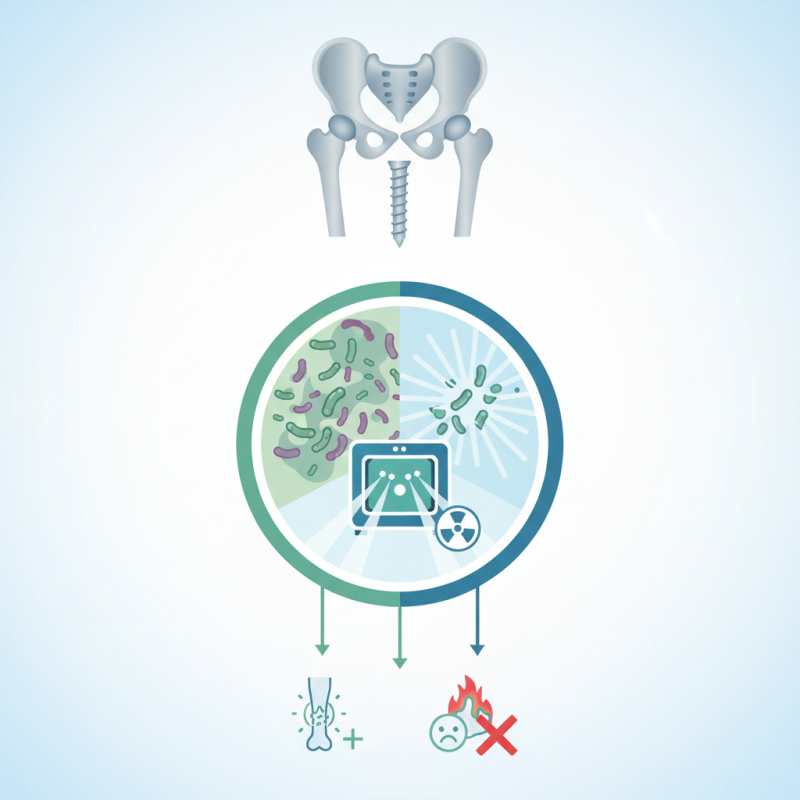
Sterilization is crucial in orthopedic surgery. It protects patients from infections. Contaminated implants can lead to serious complications. These complications may require additional surgeries and prolonged recovery. The surgical environment must be free from microbes to ensure safety.
Orthopedic implants, such as screws and plates, come into direct contact with body tissues. If not properly sterilized, these devices may introduce harmful bacteria. This can result in surgical site infections. Such infections can hamper healing and lead to severe consequences. In some cases, they may even jeopardize the success of the procedure itself.
Surgeons and medical staff must adhere to strict protocols. Each step, from cleaning to packaging, is essential. Creating a sterile environment takes time and diligence. Yet, human error can occur. It is an ongoing challenge in medical practices. Ensuring thorough sterilization processes is vital for both patient health and surgical outcomes.
Orthopedic implants are critical in surgery, yet they face the risk of contamination. Bacteria, such as Staphylococcus aureus, can adhere to the surface of implants. According to a study published in the Journal of Clinical Microbiology, about 70% of implant-related infections stem from such pathogens. These infections can lead to severe complications, including implant failure and prolonged hospitalization.
Other contaminants in orthopedic implants include organic matter, like skin flakes and blood proteins. A report by the World Health Organization highlights that biofilms formed by these contaminants can make infections hard to treat. Traditional sterilization methods often fall short in removing all microbial life. For example, heat sterilization might not affect all bacteria present, especially those in biofilm form.
Standard operating procedures must address these issues robustly. Continuous education for surgical teams is essential. They must understand the sources of contamination and the importance of effective sterilization. Even with advancements, challenges remain in achieving complete safety. Healthcare providers must reflect on these gaps. The commitment to impeccable hygiene and innovative sterilization techniques is vital for patient safety.
Sterilization is critical for orthopedic implants. It ensures that devices are free from harmful microorganisms. Various methods of sterilization are used to achieve this goal, each with unique benefits and limitations.
Sterilization is crucial for orthopedic implants. When implants are not adequately sterilized, the risk of infection increases significantly. This can lead to severe complications for patients. Infections may cause prolonged hospitalization and additional surgeries. The consequences are not just physical. Patients may experience emotional distress and financial burden as well.
Inadequate sterilization can also hinder the healing process. The presence of bacteria can trigger inflammation. This can cause pain and discomfort during recovery. It is essential to ensure a thorough cleaning process, but mistakes still happen. Operators may overlook certain areas or use ineffective methods. Such oversights can endanger patient safety.
Developing protocols for consistent sterilization is vital. Regular training for staff can help minimize errors. However, reliance on procedures does not eliminate all risks. Every step in the process must be carefully monitored. Continuous improvement in techniques is necessary. By emphasizing the importance of sterilization, we can better protect patient outcomes.
Sterilization is a critical component in the production of orthopedic implants. Regulatory standards ensure that these implants are safe for patients. According to the FDA, approximately 1.9 million orthopedic implant surgeries are performed annually in the United States. Each implant must undergo rigorous testing to meet safety standards.
The AAMI (Association for the Advancement of Medical Instrumentation) outlines guidelines for sterilization processes. They recommend several methods, including steam sterilization and ethylene oxide gas. Each method has unique advantages and limitations. For instance, steam sterilization is effective but may not suit all materials. Ethylene oxide is versatile but involves longer processing times.
Tip: Always consult updated guidelines from trusted organizations. Keeping abreast of the latest practices can prevent costly errors.
Notably, despite strict standards, lapses can occur. Reports suggest that smaller facilities may struggle with compliance due to resource limitations. This raises questions about consistency across the industry.
Tip: Consider potential risks when selecting a facility for implant procedures. Ensuring proper sterilization is paramount for patient safety. Awareness of these factors will contribute to better outcomes.
| Parameter | Description | Regulatory Standard |
|---|---|---|
| Sterilization Method | Methods used to eliminate all forms of microbial life, including bacteria, viruses, and spores. | ISO 11135 |
| Ethylene Oxide | A common gas used for sterilization, particularly for heat-sensitive items. | FDA Guidance |
| Radiation Sterilization | Utilizes gamma rays or electron beams to achieve sterilization. | ISO 11137 |
| Compatibility Testing | Assessing the response of materials to sterilization processes. | ASTM F1980 |
| Bioburden Testing | Measurement of the number of viable microorganisms on a device. | ISO 11737 |
: Bacteria, such as Staphylococcus aureus, and organic matter, like skin flakes, are common contaminants.
They can lead to infections, causing complications like implant failure and longer hospital stays.
Sterilization ensures implants are free from harmful microorganisms, which is vital for patient safety.
Steam sterilization, or autoclaving, uses high-pressure steam to kill bacteria. It is effective but may damage some materials.
Ethylene oxide sterilization works at lower temperatures and is good for heat-sensitive items, but takes longer and requires gas handling.
Continuous education and understanding of materials are essential for choosing the right sterilization technique.
Yes, organizations like the AAMI set guidelines that ensure orthopedic implants meet safety standards.
Resource limitations can lead to compliance issues, raising concerns about consistent safety practices.
Regular training and consulting updated guidelines can help prevent errors and enhance patient safety.
Mistakes in sterilization can lead to serious infections, reflecting a lack of commitment to patient safety.
Sterilization is crucial for orthopedic implants to ensure patient safety and successful surgical outcomes. The need for sterilization arises from the high risk of infection associated with surgical procedures, which can be exacerbated by common contaminants that may reside on implants, including bacteria and other microorganisms. These contaminants can lead to complications such as delayed healing, extended hospital stays, and in severe cases, implant rejection or failure.
To mitigate these risks, various methods of sterilization are employed, including autoclaving and ethylene oxide gas, all adhering to regulatory standards established for orthopedic devices. Inadequate sterilization can significantly jeopardize patient health, highlighting the importance of rigorous sterilization protocols. Therefore, understanding "why do orthopedic implants require sterilization before use" underscores the critical role of safety measures in preventing infection and ensuring effective treatment in orthopedic surgery.

Medev Medical