Why Are Regular Quality Inspections Essential for Orthopedic Implants?

Time:2026-06-24 Author:Sienna
0%

Orthopedic implants play a crucial role in enhancing the quality of life for patients with musculoskeletal conditions. However, "Why do orthopedic implants require regular quality inspections" is a question that deserves serious attention. According to recent studies, failure rates for orthopedic implants can be as high as 10% within the first ten years after surgery. This emphasizes the need for consistent quality assessments throughout the implant lifecycle.

Quality inspections help identify potential issues before they escalate. For instance, materials used in implants must meet stringent standards to avoid complications. The FDA mandates regular checks to ensure materials remain safe and effective over time. These inspections also ensure that manufacturers adhere to good manufacturing practices, which are vital for patient safety.

Moreover, flaws in design or manufacturing can result in severe consequences, including the need for revision surgeries. An estimated 50,000 revision surgeries occur annually in the U.S. alone, underscoring the importance of preventive measures. Regular quality inspections not only foster compliance but also instill confidence in patients and healthcare providers alike.
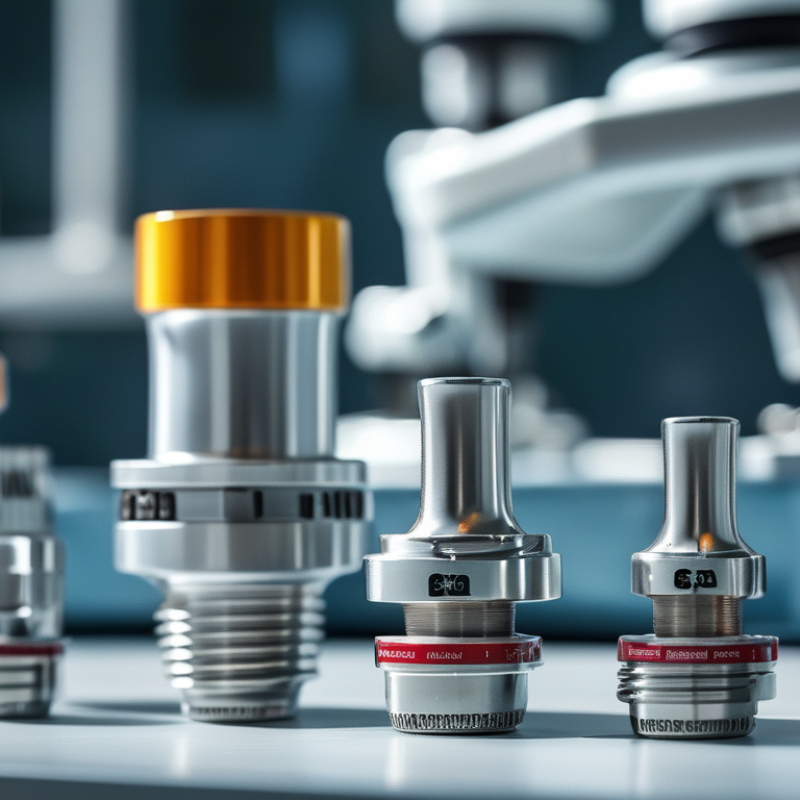
Why Are Regular Quality Inspections Essential for Orthopedic Implants?

The Importance of Quality Inspections in Orthopedic Implants

Quality inspections in orthopedic implants are crucial for patient safety. These implants are designed to support recovery after surgeries. If they fail, the consequences can be dire. Regular inspections help identify defects early. This process can prevent serious complications that may arise from unreliable implants.

In these inspections, several factors are assessed. Material integrity ensures that the implant can withstand stress. Dimensional accuracy is also critical. If an implant does not fit properly, it may lead to pain or further injury. Each inspection aims to meet high standards. Yet, there can be oversights. Human error is possible, and even small mistakes can be significant. Continuous monitoring of processes is necessary to mitigate these risks.

The importance of quality inspections cannot be overstated. They build trust between manufacturers and healthcare providers. Patients depend on these implants for their health. Any lapse can result in damage, both physically and emotionally. Therefore, institutions must prioritize these quality checks. Investing in rigorous inspection processes is essential for advancing orthopedic care.

Key Components Evaluated During Quality Inspections

Orthopedic implants require regular quality inspections to ensure safety and effectiveness. Key components evaluated during these inspections include material integrity, dimensional accuracy, and surface finish. Studies indicate that approximately 5% of implants fail due to defects that could be detected during inspections. Ensuring that the materials used in implants meet biomedical standards is critical. Any breach in these standards can lead to severe complications for the patient.

Quality inspections also focus on dimensional accuracy. Sometimes, even a slight deviation in size can affect an implant's fit. This is crucial for reducing post-surgical complications. For instance, improper sizing has been linked to a 10% increase in revision surgeries. Surface finish plays a significant role as well; rough surfaces can lead to wear and tear, resulting in implant failure.

Tip: Always stay informed about the latest standards for orthopedic implants. This knowledge helps in understanding what to expect from quality inspections.

Data shows that neglecting any aspect of quality inspections can lead to significant financial and health repercussions. An estimated cost associated with faulty implants can exceed millions. Patients and healthcare providers must demand rigorous inspection processes to mitigate these risks. Quality assurance in orthopedic implants is not just crucial for successful surgeries—it is vital for patient safety and satisfaction.

Regulatory Standards Governing Orthopedic Implant Quality

Regular quality inspections are vital for orthopedic implants. Regulatory standards set the foundation for safety and efficacy. These standards ensure that implants meet specific criteria before entering the market. Quality control processes help detect flaws early. Compliance leads to improved patient outcomes and reduces the risk of complications.

Tips for ensuring compliance: always keep detailed records of inspections. Establish a clear checklist for each inspection process. Retain samples from production runs for future reference. It’s essential to stay updated on changing regulations.

Despite strict regulations, inconsistency can occur. Some manufacturers might overlook minor defects. This often happens during busy production schedules. Each step in the inspection process should be meticulously documented. Addressing even small issues can prevent larger problems later on. Prioritizing quality assurance fosters trust among healthcare providers and patients.

Impact of Quality Inspections on Patient Safety and Outcomes

Quality inspections in orthopedic implants play a crucial role in enhancing patient safety and health outcomes. A study by the National Institutes of Health reveals that nearly 10% of patients experience complications from implants. Regular inspections can significantly reduce this risk. Ensuring that each implant meets stringent quality standards is essential for avoiding potential failures.

In the orthopedic field, the implications of flawed implants are profound. Complications can lead to revision surgeries, which have an average success rate of only 85%. Issues like material defects or poor manufacturing processes often stem from a lack of thorough inspections. Data indicates that proactive quality checks can decrease revision rates by up to 30%. Increased reliability not only enhances patient trust but also minimizes healthcare costs in the long run.

Moreover, a robust inspection framework encourages a culture of quality among manufacturers. This shift focuses on continuous improvement and accountability. Engaging technical experts in the inspection process ensures that any identified issues are swiftly addressed. However, the challenge remains that not all manufacturers prioritize these inspections, leading to inconsistencies in product quality. This gap highlights the need for industry-wide adherence to rigorous quality standards.

Challenges and Future Directions in Quality Inspection Practices

Quality inspection for orthopedic implants is crucial but faces several challenges. As technology advances, the complexity of implants increases. Inspectors must adapt to new materials and designs. Many current practices lack sufficient training for personnel, leading to inconsistent quality checks. This inconsistency can compromise patient safety and treatment outcomes.

Implementing more rigorous training for quality inspectors is essential. Regular workshops and on-the-job training can enhance their skills. Keeping up with technological advancements will help inspectors remain competent in their roles. Developing a standardized checklist can help maintain consistency across inspections. This checklist should include critical aspects like material integrity, surface finish, and overall design compliance.

Another challenge is the integration of automation in inspection practices. While automation can improve efficiency, it may overlook subtle defects that human inspectors can catch. Regular audits of automated systems are necessary to ensure they meet quality standards. Consider utilizing a hybrid approach that combines technology with human expertise. This method can maximize the strengths of both inspection methods, ensuring a higher quality of orthopedic implants.

Quality Inspections of Orthopedic Implants: Current Challenges and Future Directions

FAQS

: Why are quality inspections important for orthopedic implants?

: They ensure patient safety and prevent serious complications from implant failures.

What factors are assessed during quality inspections?

Key factors include material integrity, dimensional accuracy, and surface finish.

How can defects in implants affect patients?

Defects may lead to pain, further injuries, or the need for revision surgeries.

What can happen if quality inspections are overlooked?

Neglecting inspections can result in financial loss and severe health risks for patients.

How often should orthopedic implants be inspected?

Regular inspections are essential to maintain safety and effectiveness throughout the implant's life.

What is dimensional accuracy, and why is it important?

Dimensional accuracy ensures a proper fit, which reduces complications post-surgery.

What are the consequences of improper sizing of implants?

Improper sizing can increase revision surgeries by 10% due to fit issues.

How does surface finish affect implants?

A rough surface can cause wear and tear, leading to potential implant failure.

What role does human error play in quality inspections?

Human error can lead to oversights, making continuous monitoring essential.

What should patients and healthcare providers demand regarding implants?

They should advocate for rigorous inspection processes to ensure safety and satisfaction.

Conclusion

Regular quality inspections are essential for orthopedic implants due to their critical role in ensuring patient safety and improving clinical outcomes. Quality inspections evaluate key components of implants, such as material integrity, mechanical performance, and design accuracy, ensuring they meet stringent regulatory standards. This adherence to quality not only minimizes the risk of complications but also fosters patient trust and enhances overall satisfaction with the medical interventions.

Moreover, the continual advancement in technology and methodologies introduces challenges in quality inspection practices. Addressing these challenges is vital for maintaining the standards that prevent failures and enhance the longevity and effectiveness of orthopedic implants. In summary, understanding "why do orthopedic implants require regular quality inspections" emphasizes the necessity of rigorous evaluations to uphold safety and efficacy in orthopedic healthcare.

Sienna

Sienna

Sienna is a skilled marketing professional with a deep expertise in our company’s core products and services. With a passion for innovation and detail, she plays a pivotal role in crafting insightful blog posts that not only highlight the unique features of our offerings but also provide valuable......