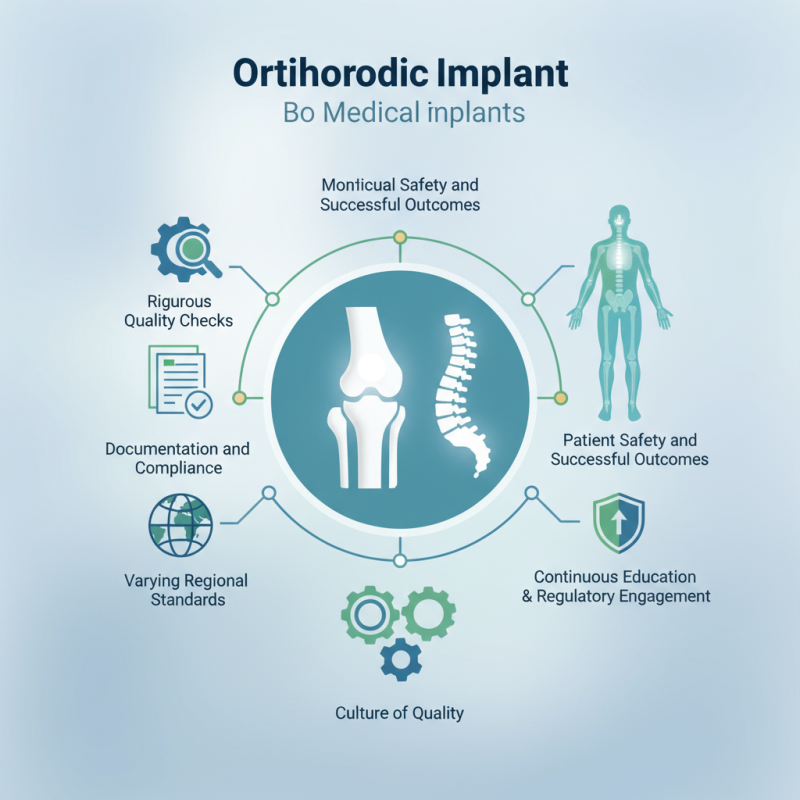
Ensuring orthopedic implants meet local medical standards is crucial for patient safety and successful outcomes. Dr. Emily Carter, an orthopedic surgeon with over a decade of experience, emphasizes, “The reliability of implants directly impacts recovery and mobility.” Her insight highlights the need for rigorous quality checks and compliance with established regulations.
The process involves thorough testing, documentation, and adherence to guidelines set by local health authorities. Each region has its own set of standards, which can vary significantly. This variation can lead to complexities in manufacturing and approval. Companies must be vigilant and adaptable, constantly updating their practices to align with local requirements.
Moreover, while many implants undergo extensive testing, not all meet the high standards of every jurisdiction. Some discrepancies can emerge, reflecting gaps in knowledge or oversight. Consequently, continuous education and engagement with regulatory bodies are essential. Fostering a culture of quality across organizations can mitigate these risks. As the industry evolves, the importance of ensuring orthopedic implants meet local medical standards becomes ever more significant.
When developing orthopedic implants, compliance with local regulatory agencies is crucial. These agencies set specific standards to ensure safety and efficacy. Understanding these regulations requires diligence. Manufacturers must proactively gather information about these local requirements, as they often differ significantly from one region to another.
In many cases, the regulatory approval process can reveal gaps in design or testing. It’s common for initial designs to fail to meet local standards. This can lead to delays and increased costs. Ongoing communication with regulators is essential. Engaging with experts can provide insights into the nuances of these regulations, giving manufacturers a competitive edge. Feedback from regulatory agencies can also highlight areas that need improvement.
Adhering to local medical standards is not just a regulatory requirement; it’s a matter of patient safety and device reliability. Tracking the latest changes in regulations is essential. Many times, manufacturers struggle to keep up with evolving guidelines. This can create vulnerabilities in their processes. By focusing on compliance and feedback, companies can foster a culture of continuous improvement. This proactive approach ultimately benefits patients and enhances trust in orthopedic implants.
Orthopedic devices play a crucial role in surgical procedures and patient recovery. Understanding international standards for these implants is essential for ensuring their safety and efficacy. Organizations like the International Organization for Standardization (ISO) establish guidelines that manufacturers must follow. For instance, ISO 13485 focuses on quality management systems specific to medical devices. According to industry reports, adhering to such standards can reduce the rate of post-surgical complications by 30%.
Despite these standards, discrepancies can arise based on regional regulations. Countries may have different requirements for testing and certification. Recent data shows that non-compliance with local regulations accounts for up to 15% of product recalls in the orthopedic sector. This indicates a significant gap between product development and regulatory adherence.
One major challenge is keeping pace with technological advancements. While new materials and designs can enhance implant performance, they may not always meet existing regulatory requirements. Industry stakeholders must remain vigilant. Continuous education and updates on international and local regulations are vital. Only then can the industry hope to create devices that meet the highest standards of safety and effectiveness.
Ensuring that orthopedic implants meet local medical standards requires thorough pre-market testing and validation. This process helps assess the safety and efficacy of implants before they reach the market. Recent industry reports highlight that about 30% of orthopedic implants fail during initial assessments. This figure stresses the importance of rigorous testing protocols.
Clinical trials are essential for validating the performance of implants. Testing includes both mechanical and biological evaluations. For instance, the FDA recommends using a combination of in vitro and in vivo studies to establish biocompatibility. Research indicates varying rates of success, with biocompatibility tests reporting an 85% acceptance rate among well-designed studies. However, not all implants pass these evaluations on the first attempt, emphasizing the unpredictable nature of validation processes.
Moreover, post-market surveillance plays a significant role in ensuring ongoing compliance. Without continuous monitoring, potential complications can arise. It’s vital to review implant performance data regularly, as not all issues surface during pre-market testing. Challenges often emerge after implants are used in diverse patient populations. Addressing these concerns proactively is essential to maintaining quality standards in orthopedic care.
In the orthopedic implant manufacturing sector, quality control is paramount. Quality control processes must be robust to ensure patient safety. According to a 2022 report from the International Organization for Standardization (ISO), over 30% of recalls in the orthopedic field stem from manufacturing flaws. Effective quality control processes should include stringent inspections and assessments at every production stage.
Establishing a well-defined quality management system (QMS) is essential. A QMS facilitates continuous monitoring and documentation of manufacturing processes. Statistics indicate that companies with a strong QMS experience a 25% decrease in non-compliance incidents. Key areas of focus include materials selection and using advanced testing technologies. Many manufacturers often overlook the importance of regular training for their staff, leading to recurring mistakes in compliance with quality standards.
Incorporating advanced technologies can also offer insights into the manufacturing process. For instance, the use of real-time data analytics can identify patterns in defects, guiding timely interventions. However, many organizations still rely on outdated practices. This gap highlights a needed reflection in the industry. Regularly updating processes may help ensure that orthopedic implants not only meet but exceed local medical standards.
Post-market surveillance of orthopedic implants plays a crucial role in ensuring these devices meet local medical standards. Continuous monitoring helps identify potential issues long after an implant is approved for use. It involves collecting and analyzing data from various sources, including patient feedback, clinical outcomes, and adverse event reports. This ongoing analysis enables manufacturers and regulatory bodies to make informed decisions about the safety and effectiveness of implants.
Moreover, maintaining transparency in reporting is essential. Hospitals and clinics need to report any complications promptly. This communication can foster trust between medical professionals and patients. However, the current system often lacks robust mechanisms for real-time reporting. This gap can delay critical insights into implant performance. As a result, patients may be exposed to unnecessary risks. The industry must reflect on how to improve these processes to enhance patient safety effectively. Continuous education and training for healthcare providers can also bridge this gap, ensuring everyone remains vigilant in post-market surveillance.
: Compliance ensures safety and efficacy. It impacts patient outcomes directly.
Initial designs often fail to meet standards. This leads to delays and higher costs.
Regular tracking of changes is essential. Many struggle with evolving guidelines.
About 30% fail during initial testing. This highlights the need for rigorous protocols.
Trials validate safety and performance. They include mechanical and biological evaluations.
Well-designed studies show an 85% acceptance rate. However, not all implants succeed at first.
It is vital for ongoing compliance. Issues may arise after implants reach diverse populations.
Experts provide insights into regulations. This can give manufacturers a competitive advantage.
Feedback highlights areas needing improvement. It promotes a culture of continuous enhancement.
Ignoring compliance can lead to vulnerabilities. This ultimately risks patient safety.
Ensuring that orthopedic implants meet local medical standards is a critical process that involves several key steps. First, it is essential to comply with local regulatory agencies, which set the necessary guidelines for approval and market entry. Understanding international standards for orthopedic devices also plays a vital role in aligning products with broader safety and effectiveness benchmarks. Companies should conduct thorough pre-market testing and validation to ensure that implants perform as intended in clinical settings.
Moreover, implementing robust quality control processes during manufacturing is necessary to maintain product integrity and safety. Continuous monitoring and post-market surveillance are equally important, allowing for the timely identification and resolution of any issues that may arise after the implants have been distributed. Together, these steps provide a comprehensive approach to answering the question of how to ensure orthopedic implants meet local medical standards, thereby safeguarding patient health and maintaining regulatory compliance.

Medev Medical