How to Distinguish Between Custom and Standard Orthopedic Implants?

Time:2026-06-19 Author:Madeline
0%

Orthopedic implants play a crucial role in patient recovery and mobility. They are designed to support or replace damaged bones and joints. However, when choosing implants, a common question arises: what is the difference between custom and standard orthopedic implants? Understanding this distinction is vital for both patients and healthcare providers.

Custom orthopedic implants are tailor-made for individual patients. They take into account specific anatomical needs and can offer enhanced comfort and functionality. On the other hand, standard implants are mass-produced and designed to fit a wide range of patients. This can be cost-effective but might not address unique anatomical variations.

Often, the choice between custom and standard implants depends on various factors, including the severity of the condition, the patient's anatomy, and budget considerations. This decision can have significant implications for recovery and long-term outcomes. Patients may reflect on their options, unsure of what is best for their situation. Making an informed choice requires careful consideration, a discussion with medical professionals, and an understanding of how these implants work.
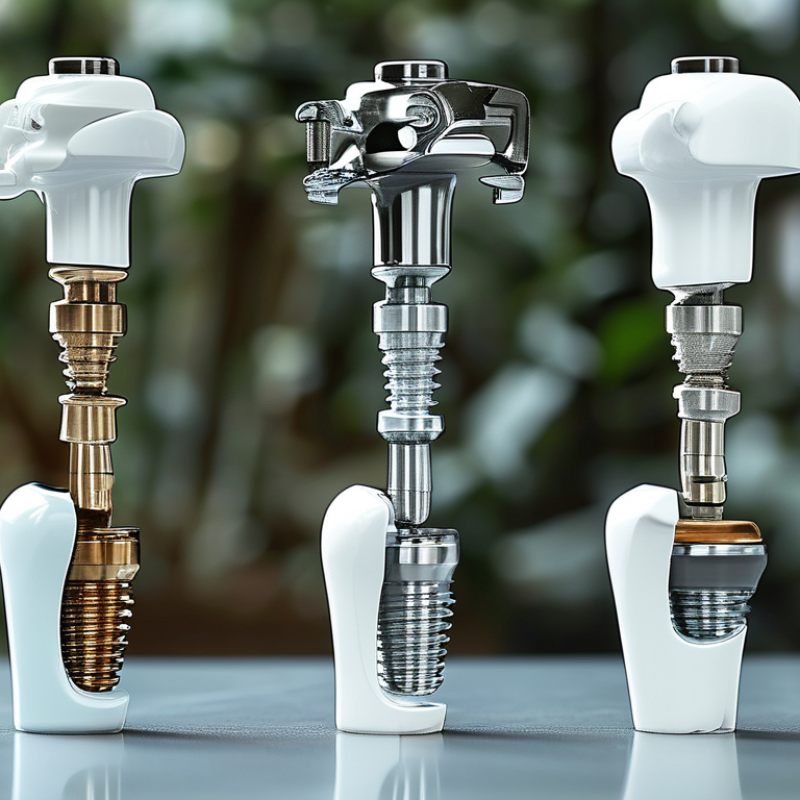
How to Distinguish Between Custom and Standard Orthopedic Implants?

Understanding Orthopedic Implants: Custom vs. Standard

Orthopedic implants are essential in restoring functionality after injury or disease. They are classified into two main categories: custom and standard. Understanding the differences can greatly impact surgical outcomes. According to a 2022 report by the Global Orthopedic Implant Market, approximately 30% of implants used are custom-made.

Custom orthopedic implants are designed to meet individual patient needs. They are often made using advanced technologies like 3D printing. This process allows for precise fitting based on anatomical data. Studies indicate that custom implants can lead to a 20% improvement in recovery time compared to standard models. This personalized approach can result in better integration with the body.

On the other hand, standard implants are mass-produced. They are designed based on common anatomical sizes and shapes. These are more cost-effective but may not fit every patient perfectly. A review from the Journal of Bone and Joint Surgery found that about 15% of patients experience complications due to poor fit with standard implants. This highlights the need for careful consideration when choosing the type of implant. Each case requires a tailored approach, reflecting the complexity of orthopedic care.

Defining Custom Orthopedic Implants: Features and Benefits

Custom orthopedic implants have gained traction for their unique features and benefits. Unlike standard implants, custom ones are tailored to fit the specific anatomy of the patient. This personalization enhances comfort and improves overall function. Surgeons often collaborate with engineers to design these implants, ensuring they meet individual patient needs.

One key advantage of custom implants is improved biomechanical performance. They provide better load distribution and can minimize complications. However, the process of creating a custom implant can be time-consuming and may involve higher costs. Despite these drawbacks, the results often justify the investment, particularly for complex cases.

Custom implants require careful consideration. Surgeons must weigh the patient's specific needs against potential risks. An in-depth discussion about expectations and outcomes is vital. Each case is unique, leading to a need for ongoing evaluation. Custom orthopedic implants represent a promising frontier, though they come with challenges that necessitate thoughtful reflection.

Identifying Standard Orthopedic Implants: Key Characteristics

When identifying standard orthopedic implants, it’s essential to note specific characteristics that set them apart. Standard implants are typically mass-produced, following established measurements and designs. They are manufactured using biocompatible materials, ensuring safety and compatibility within the body. The surface of these implants often features a rough texture, allowing for better bone integration.

Another vital aspect is the extensive testing and certification that standard implants undergo. They must meet regulatory standards before being used in surgeries. This rigorous approval process builds confidence in their reliability.

However, it's important to recognize that not all standard implants fit every patient perfectly. There can be variations in individual anatomy. Thus, while these implants provide a solid foundation, they may require adjustments during the surgical procedure. Understanding these nuances can greatly impact patient outcomes.

Comparative Analysis of Custom and Standard Implants

When we look at orthopedic implants, two main types emerge: custom and standard implants. A comparative analysis reveals distinct differences. Standard implants are mass-produced. They are designed to fit a wide range of patients. According to the Journal of Bone and Joint Surgery, these implants account for about 80% of orthopedic procedures. They benefit from consistent performance metrics and cost-effectiveness.

In contrast, custom implants are tailored to individual anatomy. They are valuable for complex cases where anatomy deviates significantly from standard shapes. A report from the American Academy of Orthopaedic Surgeons indicates that the success rate for custom implants can reach 95% in specialized surgeries. However, they often require longer production times and higher costs, which may not be accessible for all patients.

Despite their benefits, custom implants are not without challenges. The manufacturing process can be prone to errors, leading to potential complications. Furthermore, there is less long-term data available on custom options, making it harder for practitioners to assess their reliability. The choice between custom and standard implants should be guided by the specific nuances of each patient’s needs and the surgeon’s experience.

Choosing the Right Implant: Factors to Consider

When choosing the right orthopedic implant, various factors come into play. Patient-specific needs should be a priority. According to the American Academy of Orthopaedic Surgeons, around 30% of patients have implant-related complications. Custom implants can be designed for these unique anatomical considerations. This tailored approach often leads to improved outcomes. For instance, a study published in the Journal of Orthopedic Research highlighted that custom implants reduce failure rates by up to 15%.

Material selection is another critical factor. Standard implants are often made from titanium or stainless steel. However, some patients may experience allergic reactions to these metals. Custom implants can utilize biocompatible materials tailored to the individual’s needs. The Orthopedic Research Society found that nearly 10% of patients reported adverse reactions to standard materials, complicating recovery.

Surgeons’ experience and their knowledge of implant technology are vital. A skilled surgeon can assess the advantages and disadvantages of both options. This relationship can significantly impact the decision-making process. Patients should engage in informed discussions with their healthcare providers. Understanding that there is no one-size-fits-all solution can foster better outcomes and a more personalized approach to treatment.

FAQS

: What are standard orthopedic implants made of?

: Standard orthopedic implants are typically made from biocompatible materials like titanium or stainless steel.

How do standard implants ensure safety?

They undergo extensive testing and must meet regulatory standards before use in surgeries.

Can standard implants fit every patient perfectly?

No, individual anatomy varies, so adjustments may be needed during the surgical procedure.

What are some common complications with implants?

About 30% of patients may experience implant-related complications.

How can custom implants improve outcomes?

Custom implants are designed for individual anatomy, potentially reducing failure rates by up to 15%.

What materials can cause allergic reactions?

Titanium and stainless steel are common, but some patients may have allergies to these metals.

Why is the surgeon's experience important?

A skilled surgeon can better assess implant options and influence patient outcomes significantly.

What can patients do to make informed decisions?

Engage in discussions with healthcare providers about their specific needs and options.

How common are adverse reactions to standard materials?

Nearly 10% of patients reported adverse reactions, complicating their recovery process.

Is there a one-size-fits-all solution for implants?

No, recognizing that implants vary allows for a more personalized treatment approach.

Conclusion

In the realm of orthopedic surgery, understanding the distinction between custom and standard orthopedic implants is crucial. Custom orthopedic implants are specifically designed to meet the unique anatomical needs of individual patients, offering personalized features that can enhance fit and function. Their primary benefits include improved patient outcomes and reduced surgical complications. In contrast, standard orthopedic implants are pre-manufactured, offering a more generalized solution that can be quickly deployed and often comes at a lower cost.

When deciding between custom and standard implants, several factors come into play. These include the specific medical requirements of the patient, the complexity of the surgical procedure, and the overall clinical context. Ultimately, the choice of implant can significantly impact the effectiveness of treatment, making it essential for medical professionals to weigh the differences carefully. Understanding what is the difference between custom and standard orthopedic implants empowers both surgeons and patients to make informed decisions for optimal results.

Madeline

Madeline

Madeline is a dedicated marketing professional with a wealth of expertise in our company's core offerings. With a keen understanding of the industry, she brings a unique perspective to her role, consistently delivering high-quality content that highlights the superior aspects of our products. As......