Choosing the right orthopedic implants is crucial for successful trauma and spinal procedures. Dr. Emily Harrison, a renowned orthopedic surgeon, emphasizes, "Understanding the nuances of implant selection can significantly impact patient recovery." This insight highlights the importance of an informed approach in this field.
When considering how to choose orthopedic implants for trauma and spinal procedures, several factors come into play. Surgeon expertise, patient health, and the specific injury must be thoroughly evaluated. For instance, different materials and designs may be required for various spine surgeries. These details can dictate surgical outcomes and patient satisfaction.
It's essential to reflect on past decisions in implant selection. Not every choice will result in the desired outcome. Some implants may not integrate well with the bone or lead to complications. Continuous learning from these situations is vital for improving future practices in orthopedic surgery. By examining case studies and data, medical professionals can make better-informed decisions.
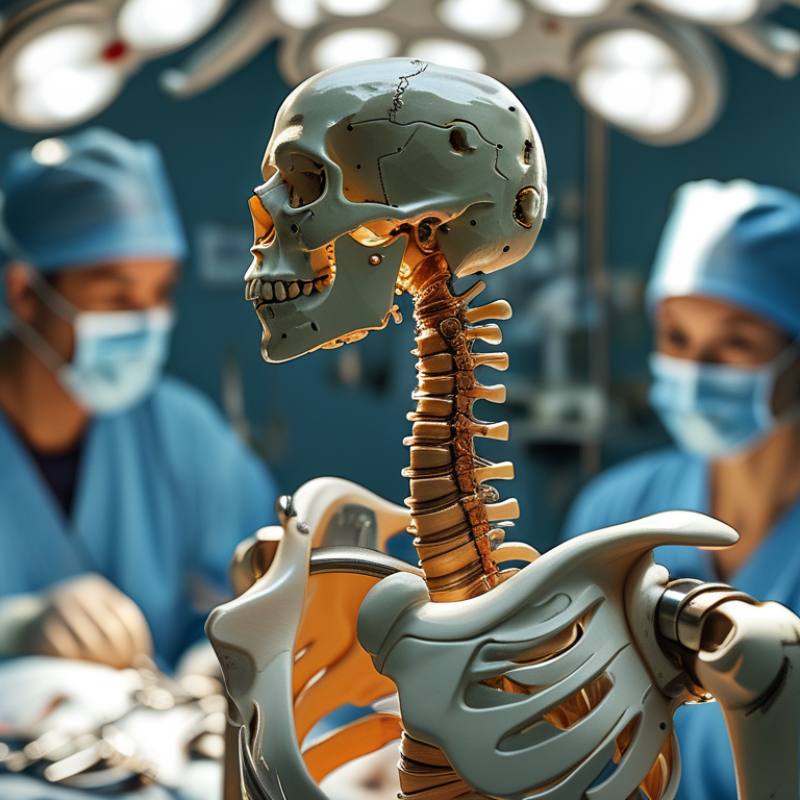
Orthopedic implants play a crucial role in trauma and spine surgeries. These devices are designed to support damaged bones and facilitate healing. Different types of implants include plates, screws, rods, and cages. Each serves a unique purpose. For instance, plates help stabilize bone fragments, while rods support spinal structures. Understanding their functions can enhance treatment outcomes.
Choosing the right implant is vital. Surgeons consider the type and location of the injury, as well as patient-specific factors. Material composition is also important. Implants can be made of metal, ceramic, or polymer. Each material offers various benefits. Some are more durable, while others promote better tissue integration. However, there is no one-size-fits-all implant. This is a complex decision requiring careful assessment.
Despite advancements, challenges remain. Not all implants work for every patient. Complications like infection or implant failure can occur. Continuous research is essential to improve designs and materials. Surgeons must stay updated on the latest developments. This ensures they can make informed choices that prioritize patient safety and recovery.
Choosing the right orthopedic implants for trauma and spine procedures is critical. Several factors influence this selection. Material properties, design, and compatibility with anatomy are essential. A study highlighted that titanium implants have the best biocompatibility. Studies report that over 70% of orthopedic surgeons prefer titanium for its strength and lightweight nature.
Surgeons also consider patient factors. Age, activity level, and bone quality impact implant choice. Research shows that older patients often require different materials than younger, active individuals. Customization is key. Personalized implants tend to reduce complications, improving recovery rates by up to 25%.
Surgeon experience plays a vital role. Many surgeons trust their judgment over manufacturer claims. Clinical outcomes are paramount. A 2021 report indicated that surgeon-recommended choices led to lower revision rates. However, reliance on experience does raise questions. How often is new technology embraced? The balance between traditional methods and innovation needs consideration.
When choosing materials for orthopedic implants, several factors must be considered. Biocompatibility is crucial. The body should accept the material without rejection. Common choices include titanium and stainless steel. These materials offer strength and durability, but each has its drawbacks. For example, titanium is lighter but can be more expensive.
Another key consideration is corrosion resistance. Implants must withstand bodily fluids and remain intact over time. The surface finish can affect this as well. A rough finish may improve osseointegration, but can also harbor bacteria, complicating recovery. Surface treatments can enhance properties, yet these processes can introduce variability.
Weight is another aspect. Lighter implants reduce stress on surrounding tissue. However, they must still provide adequate support. Finding the balance is often challenging. Each patient presents unique needs. Surgeons must weigh these options carefully, considering individual circumstances. Collaboration among medical professionals is vital for optimal outcomes.
| Material Type | Properties | Applications | Advantages | Disadvantages |
|---|---|---|---|---|
| Titanium | Lightweight, corrosion-resistant, excellent biocompatibility | Spinal fusion devices, trauma plates | High strength-to-weight ratio, MRI compatible | Higher cost, potential for metal ion release |
| Stainless Steel | Strong, durable, cost-effective | Orthopedic plates, screws | Widely available, good initial strength | Can corrode, heavier than titanium |
| Polyether Ether Ketone (PEEK) | Lightweight, radiolucent, biocompatible | Interbody fusion devices, spinal implants | Low thermal conductivity, excellent fatigue resistance | Less strength than metals, cost can be high |
| Ceramics | Biocompatible, wear-resistant | Bone graft substitutes, joint implants | Excellent wear properties, no metal allergens | Brittle nature, can fracture under stress |
When selecting the best orthopedic implants for trauma and spine care, understanding patient needs is critical. Personalized assessments can improve outcomes significantly. Research shows that aligning treatment goals with patient expectations enhances satisfaction. For example, a study indicated that 85% of patients preferred implants that support quicker recovery times.
Gathering patient history is essential. Factors like age, activity level, and injury type all influence implant choices. In a recent survey, 70% of orthopedic surgeons emphasized the need for individualized approaches. Not every implant suits every patient. Understanding the patient's lifestyle helps tailor effective treatment plans.
While many innovations exist, not all are universally beneficial. Some implants may pose higher risks or longer recovery periods. Reflecting on past cases can guide future choices. A continuous dialogue with patients about their feelings and outcomes can yield invaluable insights. This approach not only fosters trust but also contributes to improved overall care quality.
Choosing the best orthopedic implants for trauma and spine requires thorough consultation and collaboration with medical specialists. Surgeons, orthopedic doctors, and rehabilitation experts play crucial roles in this process. Their insights help determine the appropriate materials and designs for specific injuries or conditions. Engaging with a multidisciplinary team ensures that every aspect of a patient's needs is assessed thoroughly.
Consultations allow for the exploration of various options. Each implant has unique features that suit different situations. Collaboration fosters a broader understanding of the potential risks and benefits. Specialists may raise unforeseen concerns about implant compatibility or patient recovery. These discussions help identify best practices for individual cases, ensuring a patient-centered approach.
Collaboration also encourages open dialogue about available data and treatment outcomes. Specialists share experiences and clinical evidence that can shape decision-making. However, not every conversation yields definitive answers. Some uncertainties remain, prompting ongoing reassessments as new information emerges. Acknowledging these complexities leads to better patient care and fosters a learning environment among medical professionals.
: Orthopedic implants are devices used in surgeries to support damaged bones and promote healing.
Common types include plates, screws, rods, and cages. Each serves a specific purpose in treatment.
Surgeons consider the injury type, location, and patient-specific factors, along with material composition.
Implants can be made from metal, ceramic, or polymer, each offering different benefits and challenges.
Biocompatibility ensures that the body accepts the implant material without rejection or complications.
Not all implants are suitable for every patient, and complications like infection or failure can occur.
Factors like age, activity level, and injury type are critical in determining the best implant for each patient.
Regular discussions about outcomes can build trust and improve the quality of care provided to patients.
Lighter implants reduce stress on tissue but must still offer sufficient support, which can be a tough balance to find.
Ongoing research helps improve materials and designs, addressing patient-specific needs and enhancing overall safety.
When considering how to choose orthopedic implants for trauma and spinal procedures, it is vital to first understand the various types and functions of orthopedic implants available. Different implants are designed to address specific conditions and support the healing process. Factors influencing the selection include the patient's unique anatomy, the nature of the injury, and the overall treatment goals.
Evaluating material options is also crucial, as various materials can offer different benefits in terms of strength, biocompatibility, and longevity. Moreover, assessing patient needs through consultations and collaborating with medical specialists ensures that the chosen implants align with the patient's health status and recovery objectives, ultimately leading to more successful outcomes in trauma and spinal care.
Medev Medical