China’s orthopedic implant market includes established manufacturers, specialized suppliers, and fast-growing distributors. This variety creates opportunity, but it also increases purchasing risk. Product photos can look identical. Packaging may still hide missing certificates, altered lot numbers, or incomplete traceability records.
How to avoid counterfeit orthopedic implants when purchasing requires more than comparing prices. Buyers should verify the manufacturer’s registered name, production address, device model, UDI, lot number, and sterilization status. Ask for original certificates and confirm them through official regulatory databases. A reliable supplier should provide consistent documentation, clear warranty terms, and access to post-market support. It should not pressure hospitals to accept unclear substitutions.
Orthopedic implant researcher Dr. Steven M. Kurtz has emphasized, “Data are the key to understanding the performance of joint replacements.” His point applies directly to supplier evaluation. A credible company can connect every implant to documented testing, clinical evidence, and quality-control records. Request sample labels. Check the seal. Compare the etched markings with the invoice and certificate. Small inconsistencies matter.
However, verification is not always perfect. Documents can be genuine but outdated. A legitimate supplier can also make mistakes. That requires a second review by procurement, clinical, and quality teams. Ask an orthopedic surgeon to confirm compatibility before approval. Keep photographs, correspondence, and inspection records for every shipment. Trust should be earned slowly.
The strongest choices come from evidence, not impressive websites or unusually low quotes. A top-ten supplier list is only a starting point. Due diligence remains essential.
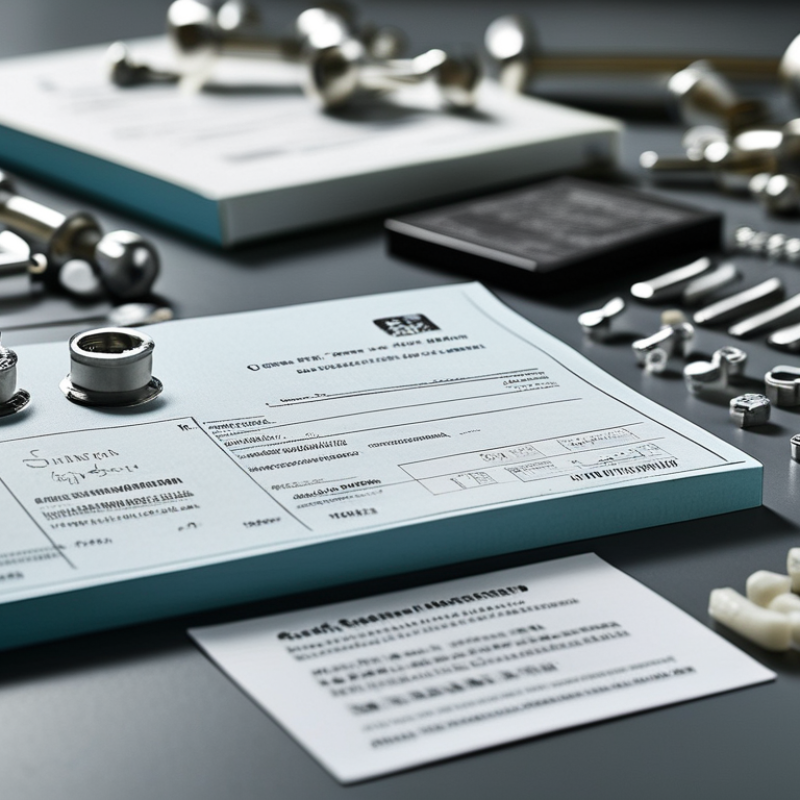
China’s top implant suppliers earn trust through repeatable quality, not attractive websites. During supplier evaluations, I look for controlled production areas, trained technicians, and clear inspection records. A reliable factory can explain each stage, from raw material intake to final packaging. It should also provide batch numbers, material certificates, sterilization records, and retention samples.
Traceability matters when avoiding counterfeit implants. The supplier should match product labels, invoices, certificates, and shipping documents without unexplained differences. Ask for photographs of sealed cartons and internal labels. Check whether serial numbers follow a consistent format. A serious supplier welcomes independent audits and confirms test results through accredited laboratories. Silence is a warning sign.
Communication reveals practical reliability. Quality teams should answer technical questions directly, even when the answer is uncomfortable. I once treated a fast quotation as a positive signal, but later noticed vague production details. That mistake changed my review process. Price alone proves nothing. A dependable supplier explains material grades, dimensional tolerances, packaging controls, and complaint procedures in plain language. It also keeps records long enough to support product investigations. No system is perfect. Human error can still occur, so incoming inspection remains necessary. Photographs, measurements, and document checks should happen before acceptance, not after a problem appears.
A reliable implant supplier must prove more than product quality. Verify its business license with the national company registry. Then check medical-device manufacturing authorization through the relevant regulator. Confirm the legal manufacturer, factory address, product category, and expiration date. These details must match across every document.
The World Health Organization reports that about one in ten medical products in low- and middle-income countries is substandard or falsified. Implants require stricter scrutiny because traceability can affect patient safety. Check ISO 13485 certification through the issuing certification body, not only through a supplier’s website. ISO’s 2023 Survey confirms the global spread of ISO 13485 certification, but certification alone does not validate every product or batch. A certificate can be real and still have limited scope. A polished PDF can mislead me.
Tips: Request the original certificate number. Search it in the regulator’s or certification body’s database. Check the scope, issuing body, site address, and expiry date. For European products, verify the notified body through the official NANDO database. For products entering the United States, remember that establishment registration and device listing do not equal approval or clearance, according to regulatory guidance. Compare implant labels, UDI details, lot numbers, sterilization records, and inspection reports. Ask for a recent audit trail. If the supplier avoids direct verification, pause the purchase. Credentials should be independently confirmed, not politely assumed.
Authenticity checks should begin before an implant enters the operating room. Compare the product label with the purchase order, packing list, and delivery records. Confirm the catalog number, lot number, serial number, expiry date, and sterile status. Small differences matter. A misplaced digit can signal a serious documentation problem.
Do not trust a QR code alone. Codes can be copied, redirected, or linked to incomplete information. Use the supplier’s verified contact channel to confirm the lot and serial number. Request traceability documents, including certificates, inspection records, and shipment details. Check whether the information matches the applicable national medical device database. Examine the package closely. Broken seals, uneven printing, missing instructions, or unusual fonts require quarantine and review.
Reliable procurement teams record every handover, from warehouse receipt to patient use. Keep photographs of labels and outer cartons when procedures allow. Ask whether the supplier can explain the product’s distribution path without vague answers. A legitimate document can still contain a human error, so inconsistencies need careful investigation, not instant accusations. No single check is perfect. Independent review is wiser when a product seems unusually cheap, arrives late, or has unclear storage conditions. Never implant a product that cannot be confidently identified and traced.
Counterfeit implant products rarely announce themselves.
In practical purchasing reviews, the earliest warning sign is often an incomplete chain of documentation. Ask for the manufacturer’s legal name, production site, device reference, lot number, serial number, and expiry date. These details should match across the quotation, outer carton, sterile pouch, and instructions for use.
One mismatch deserves a pause. Blurred printing, uneven fonts, missing safety symbols, broken seals, or labels placed over older labels may indicate repackaging or poor control. However, appearance alone is not proof. Packaging can be damaged during transport, so inspect it with the receiving clinician and record photographs.
Price can also mislead.
An unusually low offer, urgent payment request, or refusal to provide traceability documents should trigger careful verification. Check whether the supplier can provide current conformity evidence, sterilization information, storage conditions, and a verifiable distribution record. Do not rely on a certificate image sent by email. Confirm its reference through an independent regulatory or supplier channel. Local requirements vary, so qualified procurement and clinical teams should review applicable rules before acceptance.
One detail is easy to miss:
sophisticated counterfeits may look convincing. Even experienced staff can overlook a tiny serial-number difference during a busy delivery. Use two-person checks, written receiving records, and a controlled process for discrepancies.
An implant without an intact sterile barrier should not be treated as ready for implantation. Record the issue, hold the shipment, and request assessment from qualified professionals.
When purchasing implants from leading suppliers in China, verify the seller before reviewing the product. Request the legal company name, manufacturing address, device registration details, and quality certificates. Match these records with official databases or regulatory portals. Do not rely on a polished website alone. Ask for lot numbers, sterilization records, invoices, and a complete chain of custody. The outer box should show clear labeling, intact seals, consistent fonts, and readable expiry information. Photograph everything.
Use approved distributors whenever possible. Confirm that the distributor is authorized to sell the exact product category. Compare packaging against genuine samples held by your hospital or clinic. Check whether the lot number appears on the invoice and delivery documents. Never accept unexplained substitutions. A low price deserves careful questions. It may reflect a genuine discount, but it may also indicate missing traceability.
If packaging looks altered, quarantine the shipment and prevent clinical use. Do not open sterile packaging unless trained staff must inspect it. Record dates, photographs, purchase details, and staff observations. Contact the supplier through verified channels, then report the concern to the relevant medical-device authority or professional compliance team. Follow local reporting procedures. Keep the suspected product untouched when possible.
A perfect checklist does not exist. Human judgment can miss a tiny label difference. Independent verification remains important. When evidence conflicts, pause the purchase rather than rushing a delivery.
Use this six-point verification checklist before purchasing or accepting an implant. A score of 1 means the verification step should be completed and documented.
Confirm the supplier’s legal identity and authorization, match the product identifier and UDI where applicable, verify lot or serial details, inspect sterile packaging and labeling, retain invoices and traceability records, and report suspected counterfeit devices to the relevant medical-device authority. Do not use a product when identification, packaging integrity, or traceability cannot be confirmed.
Reference frameworks: FDA UDI System, FDA MedWatch, WHO Medical-Device Safety.
: Request the legal manufacturer name, production site, device reference, lot number, serial number, and expiry date. These details should match across invoices, cartons, sterile pouches, and instructions.
Look for blurred printing, uneven fonts, missing safety symbols, broken seals, or labels covering older labels. Take clear photographs. Transport damage can look similar, so appearance alone is not proof.
No. It may reflect a genuine discount, but it can also indicate weak traceability. Ask about invoices, distribution records, sterilization information, storage conditions, and conformity evidence.
Do not rely on emailed certificate images or polished websites. Check references through independent regulatory databases, official portals, or verified supplier contacts. Local requirements may differ.
Use two-person verification and written receiving records. Compare lot numbers on the package, invoice, and delivery documents. A tiny serial-number difference can be missed during a busy shift.
Yes. Sophisticated counterfeits may closely resemble genuine products. Independent verification remains important. Human judgment is imperfect.
Quarantine the shipment and prevent clinical use. Do not open sterile packaging unless trained staff need to inspect it. Keep the product untouched when possible.
Record dates, photographs, purchase details, lot numbers, and staff observations. Document broken seals, unclear labels, or unexplained substitutions. Small details matter.
Contact the supplier through verified channels. Then notify the relevant medical-device authority or professional compliance team. Follow local reporting procedures.
Pause the purchase or delivery. Request qualified professional assessment before acceptance. Rushing is rarely helpful.
China’s top implant suppliers are distinguished by consistent manufacturing quality, transparent documentation, qualified technical teams, and dependable after-sales support. Before purchasing, buyers should verify the supplier’s business credentials, medical-device licenses, quality-management certifications, and authorization to distribute specific products. It is also important to confirm that product labels, packaging, lot numbers, expiration dates, and certificates match the supplier’s records. A reliable supplier should provide complete traceability from production to delivery and respond clearly to verification requests.
How to avoid counterfeit orthopedic implants when purchasing requires careful attention to warning signs, including unusually low prices, poor packaging, missing registration details, inconsistent labeling, altered documents, and reluctance to disclose manufacturing or distribution information. Buyers should purchase through verified channels, inspect products before acceptance, retain invoices and shipment records, and contact the relevant supplier or regulatory authority if authenticity is uncertain. Suspected counterfeit products should not be used and should be reported through appropriate official channels.

Medev Medical