In the complex world of orthopedic implants, ensuring quality is paramount. Healthcare professionals must understand how to check the manufacturing process of orthopedic implants effectively. This involves scrutinizing various stages, from raw material selection to final quality assurance.
Manufacturers often face challenges. Variability in material properties can impact implant longevity. Additionally, regulatory compliance remains a significant hurdle, causing delays. It's crucial to assess each production step, as issues can arise unexpectedly. These potential pitfalls emphasize the need for diligence in monitoring.
Healthcare providers should work closely with manufacturers. Knowledge sharing fosters a culture of quality. Engaging in discussions about practices enhances transparency. When professionals know how to check the manufacturing process of orthopedic implants, they empower themselves and ensure patient safety. By prioritizing thorough evaluations, the industry can move toward better outcomes for patients worldwide.
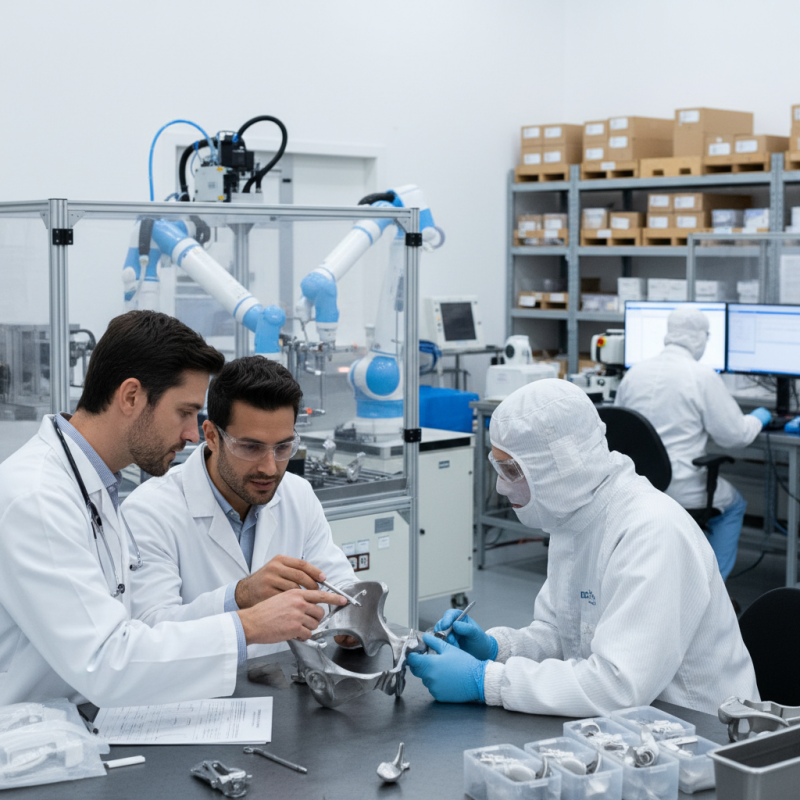
Quality control in orthopedic implant manufacturing is crucial for ensuring patient safety and product efficacy. The complexities of the manufacturing process require a thorough understanding of various intricacies involved. Inspection of raw materials, testing for strength and durability, and monitoring processing methods are all essential elements that must not be overlooked.
The involvement of advanced technologies, such as 3D printing and computer modeling, has transformed the production landscape. However, reliance on such technologies also presents risks. Ensuring consistency across batches can be challenging. Manufacturing defects, if undetected, can lead to severe consequences for patients, underscoring the need for rigorous testing protocols.
Engaging with certified professionals is vital to maintain high standards. Experts in quality control follow strict guidelines to evaluate processes meticulously. Transparency in these protocols fosters trust among stakeholders. However, even the best systems may exhibit flaws. Continuous improvement and reflection on existing processes are necessary. This mindset helps to uncover hidden issues and drives innovation in the field. Quality control is not just a step; it is a commitment to excellence.
| Inspection Method | Description | Frequency of Checks | Responsible Party |
|---|---|---|---|
| Material Certification | Verification of raw materials used in manufacturing. | Every Batch | Quality Assurance Team |
| Dimensional Inspection | Checking the dimensions against specifications. | Every 10 Units | Production Supervisor |
| Surface Finish Inspection | Assessment of surface quality and finish. | Daily | Quality Control Inspector |
| Non-Destructive Testing | Used to detect internal flaws without damaging the part. | Every 50 Units | Quality Assurance Team |
| Functional Testing | Ensuring the implant functions as intended under load. | Every Batch | R&D Engineers |
| Cleanliness Validation | Verification of cleanliness before packaging. | Every Batch | Quality Control Inspector |
| Traceability Checks | Ensuring all components can be traced back to their source. | Continuous | Manufacturing Manager |
| Regulatory Compliance Audits | Ensuring compliance with medical device regulations. | Quarterly | Quality Assurance Team |
| Employee Training Programs | Ongoing training to maintain quality standards. | Annually | HR Department |
| Prototype Testing | Testing designs before full-scale production. | Before Production | R&D Engineers |
| Digital Quality Management Systems | Use of software to monitor quality in real time. | Continuous | IT Department |
| End-of-Line Testing | Final checks before packaging and shipping. | Every Batch | Quality Control Inspector |
| Customer Feedback Analysis | Reviewing feedback for insights on product performance. | Ongoing | Marketing Department |
| Risk Management Analysis | Assessing potential risks in the manufacturing process. | Semi-Annually | Management Team |
: The key standards are ISO and ASTM, promoting quality and safety in manufacturing.
ISO standards ensure that materials are biocompatible and suitable for human use.
ASTM standards provide specific guidelines for material properties and performance testing.
Inconsistency in meeting standards raises concerns about implant safety and effectiveness.
They should check the manufacturer's adherence to ISO and ASTM standards.
Techniques like visual inspections require skill, while non-destructive testing can yield unclear results.
It allows for complex designs and personalizes implants, reducing production times significantly.
Approximately 30% of 3D printed implants need re-evaluation due to inconsistencies.
Their combined efforts can lead to better designs and improved patient outcomes.
The need for continuous assessment and validation of prototypes remains crucial for safety.
The manufacturing process of orthopedic implants is critical for ensuring patient safety and product efficacy. Understanding how to check the manufacturing process of orthopedic implants begins with recognizing the importance of rigorous quality control measures that adhere to industry standards such as ISO and ASTM. These standards guide the entire production process, from material selection—emphasizing biocompatibility and mechanical properties—to the implementation of advanced technologies like 3D printing, which can enhance precision and customization in implant fabrication.
Moreover, various inspection techniques play a pivotal role in maintaining the accuracy and integrity of the implants. By evaluating every stage of production—from raw material assessment to final quality checks—manufacturers can ensure that their orthopedic implants meet the highest performance standards and safety regulations. Thus, thorough monitoring and evaluation are essential components for optimizing the manufacturing process and ultimately improving patient outcomes.

 Medev Medical