Choosing the Best Orthopedic Implants for Hand and Foot Surgery?

Time:2026-06-10 Author:Ethan
0%

When it comes to orthopedic surgery, selecting the right implants is crucial. This is especially true for hand and foot procedures. How to choose orthopedic implants for hand and foot procedures is a pressing question that many surgeons face. Factors like patient anatomy, the type of procedure, and implant materials play significant roles.

The complexity of hand and foot surgeries often requires specialized implants. Surgeons must consider the patient’s needs and potential outcomes. Each decision can impact recovery and long-term function. It is essential to evaluate not only the implants but also their compatibility with the patient’s lifestyle and goals.

Moreover, there are gaps in knowledge regarding newer implant technologies. Surgeons must remain informed on advancements while also relying on established practices. This balance is vital for successful outcomes. Ultimately, understanding how to choose orthopedic implants means considering both expertise and the nuances of each unique case. Every situation is different, which demands careful thought and reflection on previous experiences.
Choosing the Best Orthopedic Implants for Hand and Foot Surgery?

Overview of Orthopedic Implants for Hand and Foot Surgery

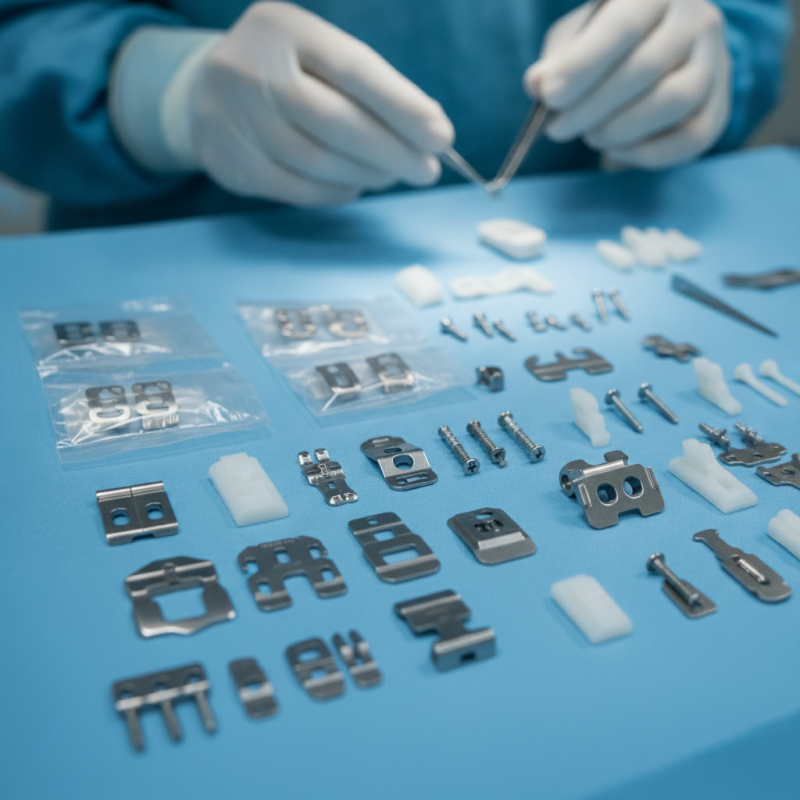
Orthopedic implants for hand and foot surgery play a crucial role in recovery. These implants vary widely, tailored for specific conditions. Surgeons often choose between plates, screws, and rods, depending on the injury type and location. For instance, metacarpal fractures may require different fixation methods than ankle injuries. Each device has its own benefits and drawbacks, adding complexity to the decision-making process.

Surgical outcomes rely heavily on proper implant selection. A misstep in choosing an implant can lead to complications. The surgeon's experience is vital here. They must weigh factors such as age, activity level, and overall health of the patient. Implants must integrate well with bone. Some surgeons have reported challenges in achieving optimal positioning, which can affect healing. It’s essential for orthopedic specialists to keep up with advancements to make informed choices.

Patients should also understand the implant types available. Educating themselves leads to open conversations with their healthcare providers. Knowing the potential risks and benefits of each implant type is invaluable. Awareness is a part of healing. Reflection on previous cases can help in selecting the best approach. This framework ensures surgeries have the highest chance of success.

Key Factors in Selecting Orthopedic Implants

Choosing the right orthopedic implants for hand and foot surgery is crucial. Several factors influence this decision. Material compatibility with the body's biological environment is essential. The choice of titanium or stainless steel can determine the implant's longevity and response to body fluids.

Studies show that about 30% of patients experience complications due to implant selection. Surgeons must consider factors like the patient's age, activity level, and overall health. These elements affect healing and implant integration. For instance, younger patients may need more durable options due to higher activity levels.

Surgeons often consult peer-reviewed journals for data. Reports indicate that proper sizing significantly reduces the risk of failure. Implants should fit snugly without excessive pressure on surrounding tissues. However, it’s important to recognize that no implant is perfect. Each patient presents unique challenges, making customization often necessary. This dynamic approach improves surgery outcomes and patient satisfaction.

Types of Orthopedic Implants Used in Hand and Foot Procedures

Orthopedic implants play a crucial role in hand and foot surgeries. The types used can significantly affect recovery and overall outcomes. Common implants include screws, plates, and pins. These devices help stabilize fractures and support healing. A report from the American Academy of Orthopaedic Surgeons states that 60% of hand surgeries involve some form of implant.

In foot surgeries, specifically, some specialists advocate for the use of bioresorbable implants. These devices gradually dissolve, eliminating the need for a second surgery for removal. A study published in the Journal of Orthopedic Research highlighted that 75% of patients using these implants reported satisfactory results. However, the effectiveness can vary, and complications may arise.

Selecting the right implant requires expertise. Surgeons often assess each patient's unique condition. Factors include age, activity level, and specific injuries. The ideal implant must provide stability without excessive stress on surrounding tissues. This balance is critical for effective recovery. Data reveal that 30% of patients experience complications, underscoring the need for careful consideration in implant choice.

Comparative Advantages of Different Implant Materials

When it comes to orthopedic implants for hand and foot surgery, choosing the right material is crucial. Medical studies highlight that titanium, stainless steel, and bioresorbable materials each offer unique advantages. Titanium implants are known for their strength and corrosion resistance. Data from the Journal of Orthopedic Research indicates a lower rate of rejection with titanium, making it a preferred choice. Their ability to bond with bone also aids in recovery.

Conversely, stainless steel remains a popular option due to its durability and cost-effectiveness. Reports from the American Academy of Orthopaedic Surgeons emphasize that while stainless steel is robust, it may not integrate as well with bone as titanium. The mechanical properties are excellent, but potential long-term complications, such as implant loosening, warrant consideration.

Bioresorbable implants are an exciting development. The potential for the implant to dissolve over time alleviates the need for a second surgery. However, their mechanical strength is often lower, affecting early load-bearing capacity. Clinicians must weigh these factors carefully. The choice of implant material can significantly impact healing times and outcomes, necessitating thoughtful consideration from both the surgeon and patient.

Comparative Advantages of Different Orthopedic Implant Materials for Hand and Foot Surgery

Post-Surgical Considerations for Hand and Foot Implant Success

Post-surgical care is crucial for the success of orthopedic implants in hand and foot surgeries. Studies indicate that nearly 30% of implant failures can be traced back to inadequate post-operative management. The body must adapt to the new implant while healing from surgery. Proper pain management, regular follow-ups, and adherence to prescribed rehabilitation exercises are essential.


Nutritional factors also play a significant role in recovery. According to recent findings, a diet rich in proteins and vitamins can enhance healing by up to 40%. Patients should pay attention to hydration and balanced nutrition to support tissue recovery. Neglecting these can lead to complications, such as delayed healing or even infections, which might require further surgical interventions.


Psychological aspects are often overlooked in recovery. Patients might experience anxiety or depression post-surgery, influencing their commitment to rehabilitation. Research suggests that around 20% of patients face such challenges, impacting their overall recovery rate. Addressing mental health proactively can foster a better environment for healing and significantly improve outcomes.

FAQS

: What factors influence orthopedic implant selection?

: Key factors include material compatibility, patient's age, activity level, and overall health.

Why is material compatibility important?

It affects the implant's longevity and how it reacts to body fluids.

What percentage of patients experience complications from implant selection?

Studies show approximately 30% of patients face complications.

How does proper sizing affect implant success?

Correct sizing reduces failure risks and ensures a snug fit without excessive pressure.

What role does post-surgical care play in implant success?

Adequate care is crucial, as nearly 30% of implant failures stem from poor post-operative management.

How can nutrition impact recovery after surgery?

A diet rich in proteins and vitamins can enhance healing by up to 40%.

What psychological challenges do patients face post-surgery?

About 20% of patients may experience anxiety or depression, influencing their recovery.

Why might implants need customization?

Each patient has unique challenges, making tailored solutions often necessary for better outcomes.

What are the consequences of neglecting hydration and nutrition?

Neglecting these factors can lead to complications like delayed healing or infections.

How can addressing mental health improve recovery?

Proactive mental health care fosters a better healing environment and enhances recovery rates.

Conclusion

When considering how to choose orthopedic implants for hand and foot procedures, it is crucial to understand the various factors that influence selection. An overview of orthopedic implants highlights their fundamental role in ensuring successful surgical outcomes. Key factors include the patient's specific condition, the type of surgery, and desired recovery time.

Different types of orthopedic implants, such as screws, plates, and rods, offer unique advantages depending on the surgical procedure involved. The choice of implant material—whether metal, polymer, or biodegradable—can also significantly impact healing and long-term success. Post-surgical considerations, including rehabilitation and monitoring for any complications, are essential to ensure the durability and effectiveness of the implant used in hand and foot surgeries. Understanding these elements will aid surgeons and patients alike in making informed decisions regarding orthopedic implants.

Ethan

Ethan

Ethan is a seasoned marketing professional with a deep expertise in our company's innovative product line. With a passion for sharing knowledge and insights, he takes the lead in regularly updating our corporate blog, where he explores industry trends, product features, and effective marketing......