2026 Top Spine Fixation Systems What Are the Best Options?

Time:2026-03-18 Author:Oliver
0%

The rapidly evolving field of Spine Fixation Systems plays a crucial role in spinal surgeries. In 2022, the global spine market was valued at approximately $9 billion, with expectations to reach $13 billion by 2026. This growth is driven by an increasing elderly population and rising instances of spinal disorders. Moreover, advancements in technology are enhancing the reliability and effectiveness of surgical interventions.

In recent years, spine fixation techniques have developed significantly. Innovative materials and designs are transforming patient outcomes and recovery processes. However, challenges persist. Many surgeons still experience complications with certain systems, leading to discussions about optimal choices. Selecting the best options requires balancing innovation and proven effectiveness.

As we look ahead to 2026, the search for best practices continues. Manufacturers strive to create systems that offer both strength and minimal invasiveness. Surgeons must remain vigilant and informed about the latest research. This focus on quality will remain paramount, even as the industry grows.
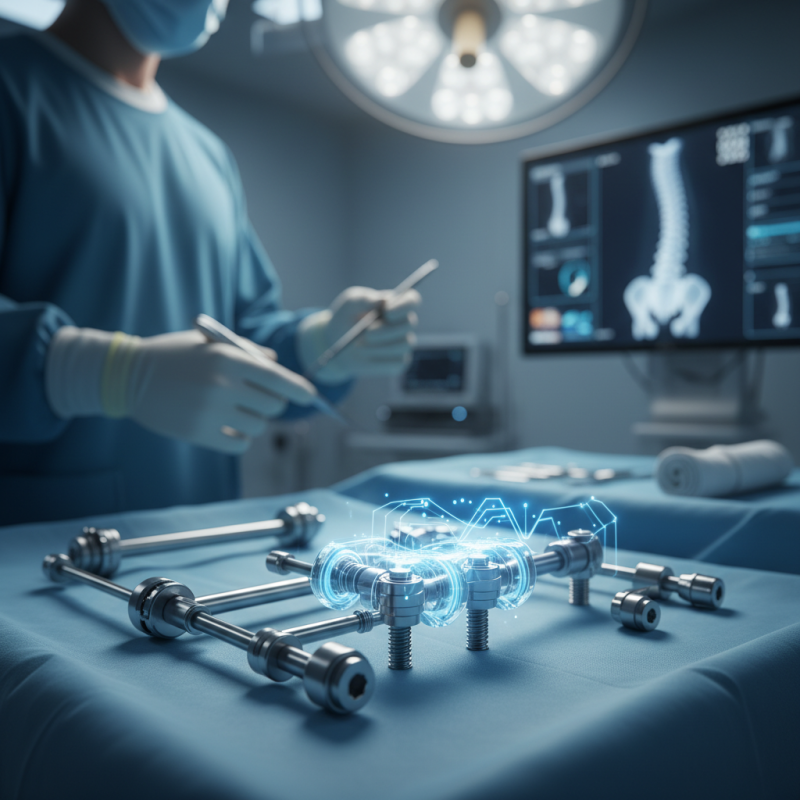
2026 Top Spine Fixation Systems What Are the Best Options?

Overview of Spine Fixation Systems in 2026

In 2026, the landscape of spine fixation systems continues to evolve. Innovations focus on enhancing patient outcomes and streamlining surgical processes. With a projected market growth of 5.3% annually, the demand for effective fixation solutions is on the rise. Surgeons seek systems that not only provide stability but also promote faster recovery.

Understanding the anatomy involved is crucial. Procedures often rely on various fixation methods, including screws, rods, and plates. Each has its unique advantages and challenges. For instance, screw designs have advanced significantly, showing improved biomechanical stability. Yet, some surgeons report difficulties in placement accuracy with newer models.

Tips: Always assess the specific patient needs before choosing a system. Consider the potential complications, as innovative designs can sometimes lead to unexpected challenges. Regular training on new systems is essential to maximize effectiveness and minimize mistakes. Staying informed through industry reports can significantly help in making educated decisions.

Key Features of Advanced Spine Fixation Technologies

Advanced spine fixation technologies offer crucial features that improve surgical outcomes. These systems focus on stability, ease of use, and patient safety. Data from industry reports indicate that 70% of spine surgeries benefit from enhanced fixation techniques. The integration of robotic assistance in procedures has shown a 20% reduction in surgery time. However, the complexity of these technologies can lead to challenges in training and implementation.

Another vital aspect is the adaptability of fixation systems. Modular designs allow for customization according to patient needs. A study revealed that 85% of surgeons prefer systems that can be tailored, as they enhance the fit and support during recovery. Nevertheless, cost remains a barrier. Up to 30% of facilities struggle to afford cutting-edge solutions. This financial strain may impact the adoption of newer, potentially better technologies, highlighting a significant gap in equity in access to advanced care.

2026 Top Spine Fixation Systems Performance Comparison

This chart compares the stability scores of various spine fixation systems in 2026. The scores indicate their effectiveness in providing stability during surgical procedures.

Leading Brands in Spine Fixation: A Comparative Analysis

When it comes to spine fixation systems, many factors influence their effectiveness. The choice of materials used in the implants plays a crucial role. Lightweight metals and advanced polymers are common in modern systems. These materials enhance durability and reduce the risk of infection. However, some systems still struggle with structural integrity over time, leading to potential complications.

The design of fixation systems is also vital. Some systems feature innovative locking mechanisms that improve stability. Others rely on traditional screws and rods. While the former can offer more confidence in alignment, they may be more complex to install. Surgeons often reflect on ease of use and safety during the selection process. Sometimes, even the best designs can lead to surgical challenges, which require thoughtful consideration.

Patient outcomes are the ultimate test of any fixation system. Studies highlight variability in recovery times. Some patients experience quick returns to mobility, while others face setbacks. This inconsistency raises questions about system performance and surgical techniques. Continuous refinement of these products is essential for improved results. Balancing innovation with practicality remains a challenge in the field of spine fixation.

Patient Outcomes: Effectiveness of Different Spine Fixation Systems

The effectiveness of spine fixation systems is crucial for patient outcomes. Different systems provide varying levels of support and healing. Each type of fixation has its strengths and weaknesses. For instance, some systems allow for greater flexibility, while others prioritize stability. This means that outcomes can vary significantly from patient to patient.

Surgeons must assess each case individually. Factors like age and bone density play a role in choosing the right system. Some patients experience quick recovery, while others struggle with complications. This inconsistency raises questions about the selection process. It often seems arbitrary. Are we prioritizing innovation over patient-specific needs? Have we measured satisfaction accurately?

Ultimately, the choice of fixation system can transform a patient's experience. Further research is vital to understand what truly works. Personal stories highlight both successes and struggles. We need to listen and learn. Understanding outcomes is an evolving process. Each choice made today shapes the future of spinal health.

Future Trends in Spine Fixation System Development

The future of spine fixation systems is poised for significant advancements. Emerging technologies, like robotics and advanced materials, promise optimized surgical outcomes. According to a 2023 industry report, the global spine fixation market is projected to grow by over 5% annually until 2030. Surgeons are increasingly relying on data to tailor treatments, making precision medicine a crucial trend.

Robotics in spine surgery enhances accuracy. This technology helps in placing screws with minimal invasiveness. A study highlighted that robotic-assisted procedures reduce complications by nearly 20%. However, high costs and learning curves can pose challenges for some facilities.

Tips: Always assess the level of training for surgical teams using these systems. Continuous education is key. Also, consider patient feedback on treatment outcomes. It often reveals areas needing improvement. The field is evolving, but not without hurdles. Innovation must be met with care.

FAQS

: What are spine fixation systems?

: Spine fixation systems stabilize the spine during surgeries. They use screws, rods, and plates for support.

How is the market for spine fixation systems expected to grow?

The market is projected to grow by 5.3% each year. There’s a rising demand for effective solutions.

What are common fixation methods used in surgeries?

Common methods include screws, rods, and plates. Each has unique advantages and challenges for surgeons.

What advancements are being made in screw designs?

Screw designs have improved biomechanical stability. However, placement accuracy can still be an issue for some surgeons.

How can surgeons minimize complications during surgeries?

Assessing patient needs is crucial. Regular training on new systems can also help reduce mistakes during procedures.

What role does robotics play in spine surgery?

Robotics enhances accuracy and reduces invasiveness. It can lower complications but comes with high costs and training needs.

Why is continuous education important for surgical teams?

Continuous education helps teams stay updated on technology and techniques. It can improve patient outcomes significantly.

Can patient feedback influence treatment approaches?

Yes, patient feedback highlights areas needing improvement. It helps in tailoring future treatment plans.

What challenges do emerging technologies face in spine surgery?

Challenges include high costs and the learning curve for surgical staff. These factors can impact technology adoption.

Should surgeons always choose the latest technologies?

Not necessarily. Innovation must be approached with caution, as new designs can bring unexpected complications.

Conclusion

The article "2026 Top Spine Fixation Systems: What Are the Best Options?" provides a comprehensive overview of the advancements in Spine Fixation Systems. It highlights the key features of these systems, focusing on the latest technologies that enhance stability and support in spinal surgeries. The comparative analysis of leading brands reveals significant differences in efficacy and patient outcomes, helping healthcare professionals make informed decisions regarding their options.

Furthermore, the article discusses the effectiveness of various Spine Fixation Systems, emphasizing how improved clinical outcomes contribute to better recovery experiences for patients. With future trends indicating a push towards minimally invasive techniques and personalized treatment approaches, the landscape of spine fixation is set to evolve, promising greater safety and effectiveness in spinal interventions.

Oliver

Oliver

Oliver is a seasoned marketing professional with a wealth of expertise in driving brand awareness and engagement. With a deep understanding of our company's product offerings, he consistently delivers high-quality content that enriches our professional blog. His insights not only shed light on......